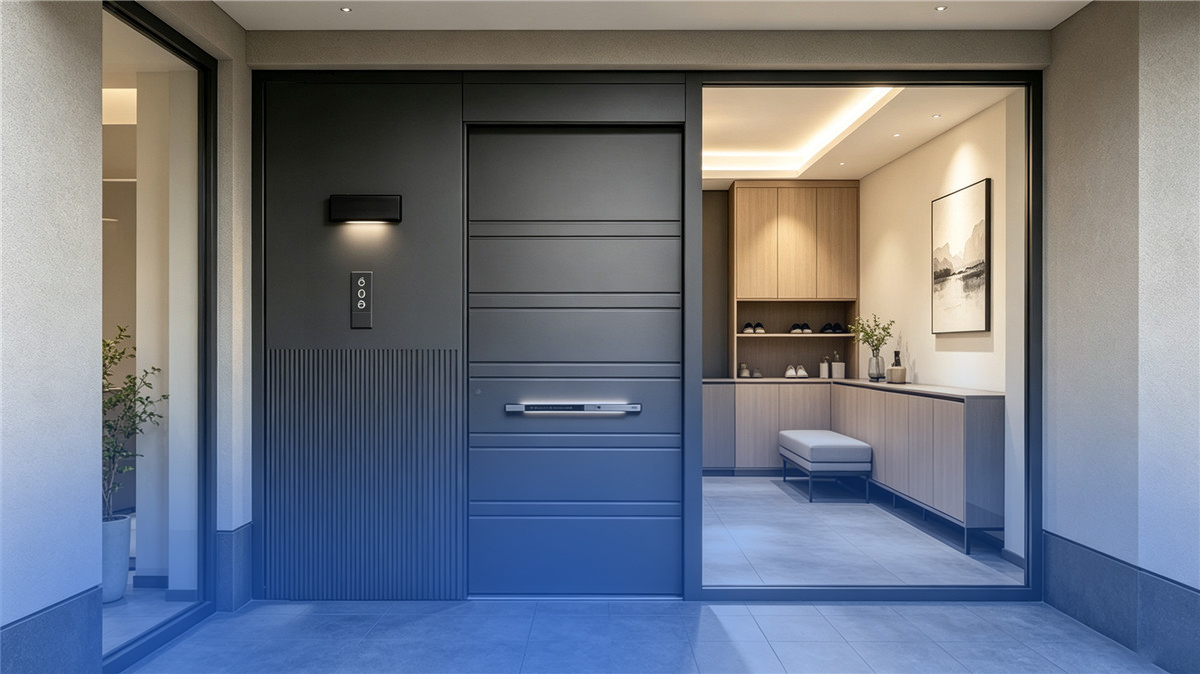
High-Performance Aluminium Casement & Glazed Systems
Direct manufacturer solutions engineered with high-precision extrusion, thermal insulation breaks, and high-load compression hardware.
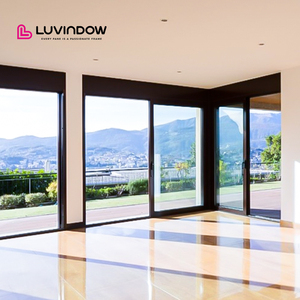
Industrial-grade multi-track lift mechanisms with heavy sash load capacities, engineered for expansive outdoor partitions and structural glass stability.
Explore Specifications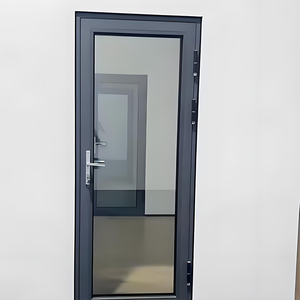
Designed for supermarkets and luxury commercial entrances featuring impact-resistant laminated glazing, thermal barrier inserts, and continuous perimeter gaskets.
Explore Specifications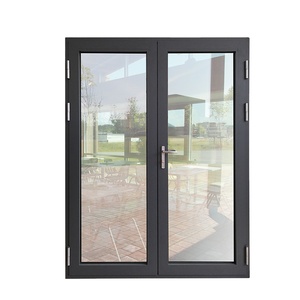
Sleek, architectural lines engineered with narrow-sightline profiles, reinforced 3D adjustable pivot hinges, and multipoint shoot-bolt locking architecture.
Explore Specifications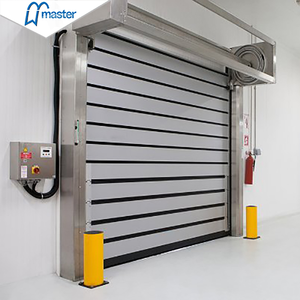
Heavy-duty insulated aluminium double-skin slats designed for logistics hubs, high-traffic commercial bays, and ultra-fast automated cycles.
Explore Specifications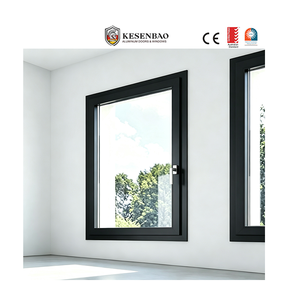
Compliant with North American and European energy standards, featuring argon-gas filled dual glazing, stainless steel fly screens, and acoustic compression seals.
Explore Specifications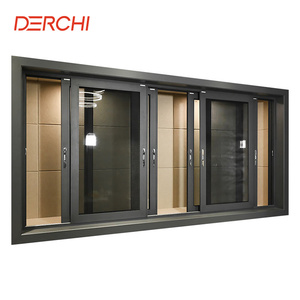
Tested under dynamic cyclonic pressures; structurally bonded frames with high water penetration thresholds for severe coastal environments.
Explore Specifications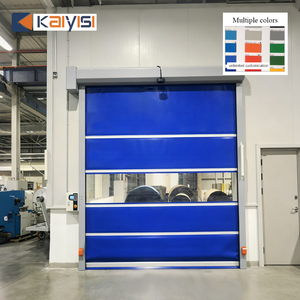
Wind-resistant flexible curtain with automated sensors, ideal for internal logistics partitions requiring cleanroom sealing and high cycle reliability.
Explore Specifications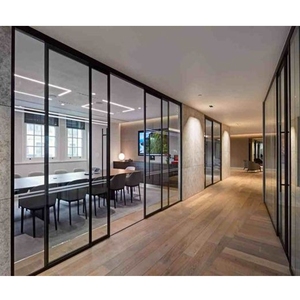
Modular interior glass envelope engineering providing acoustic STC ratings up to 45dB, flush integrated hinges, and magnetic latching hardware.
Explore SpecificationsStructural Analysis: Evaluating Top 10 Aluminium Casement Door Factories
In the architectural fenestration sector, an aluminium casement door factory is evaluated not merely by gross volume, but by its profile alloying precision, thermodynamic barrier formulation, hardware integration, and dimensional consistency across mass production runs. Casement doors represent the most mechanically demanding configuration among architectural portals. Unlike sliding doors, where the panel weight is evenly distributed across a bottom sill track, casement sashes operate as a cantilevered system subjected to continuous torsional load, cyclic hinge stress, and negative wind-load pull.
Tier-1 manufacturers utilize primary 6063-T5 or 6063-T6 virgin aluminium billets extruded under controlled cooling beds, guaranteeing tensile yield strengths exceeding 160 MPa. Conversely, tier-3 producers often substitute recycled scrap aluminium containing high iron and silicon impurities, precipitating intergranular corrosion and sash sagging over time. For high-end commercial projects, villa estates, and public buildings, sourcing from audited manufacturing bases ensures uncompromised cyclonic performance, structural airtightness, and water tightness thresholds.
Engineering & Architectural Trends Reshaping Casement Doors
Emerging manufacturing technologies setting the global benchmark for fenestration performance.
Polyamide Thermal Barrier Technology
Modern casement doors utilize multi-chambered PA66 GF25 (polyamide reinforced with 25% fiberglass) thermal break strips, mitigating thermal conductivity (U-values below 1.4 W/m²K) and eradicating condensation even during extreme seasonal differentials.
Multi-Point Compression Sealing
Replacing traditional perimeter brush seals with vulcanized EPDM or Santoprene ternary gaskets. In conjunction with German gear-driven multi-point drive rods, closing the casement lever produces continuous, active compression across all four perimeter sides.
Concealed Heavy-Duty 3D Hinges
Architectural demand has transitioned from surface-mounted barrel hinges to flush, fully concealed structural hinges. These allow up to 180kg sash loads with 3-dimensional on-site adjustment (lateral, vertical, and gasket compression) without unhanging the door leaf.
Procurement Forecasting: How Global Sourcing Is Changing Through 2030
Commercial developers, overseas contractors, and building material distributors are facing profound structural changes in how fenestration systems are specified, procured, and verified. The traditional transactional model—requesting quotes based solely on opening surface area—is obsolete. Current procurement leaders focus on whole-lifecycle value, ESG compliance, dynamic wind-pressure thresholds, and complete container consolidation strategies.
Three predominant macroeconomic variables are steering the procurement decisions of major importers in North America, Europe, Australia, and the African continent:
1. Carbon Taxation & Low-Carbon Extrusion
With regulations such as the EU CBAM (Carbon Border Adjustment Mechanism) gaining traction, international buyers are prioritizing aluminium factories using hydroelectric-smelted aluminium billets and transparent EPD (Environmental Product Declarations) to reduce embodied carbon footprint.
2. Integrated Pre-Glazed Logistics
Labor shortages and exorbitant on-site installation wages in destination markets (e.g., USA, Australia, South Africa) make site-glazing cost-prohibitive. Top-tier factories now export pre-hung, factory-glazed casement door units with factory-cured structural silicone, decreasing field install time by 65%.
3. Climatic Customization Over Commoditization
A standardized casement door cannot survive both the high-saline humidity of Lagos or Mombasa and the severe temperature swings of Johannesburg or Calgary. Importers now demand tailored fluorocarbon (PVDF) coastal coatings (>40 microns) and specialized thermal break thickness configurations.
Engineering Benchmark: Top 10 Factory Performance Matrix
When executing quality audits on Chinese aluminium door manufacturers, engineering consultants refer to standardized physical testing parameters:
| Evaluation Parameter | Standard Commercial Grade | DERCHI Engineering Grade | Impact on Building Asset |
|---|---|---|---|
| Alloy Composition & Hardness | 6063-T5 (Webster Hardness ~8-10 HW) | Primary Virgin 6063-T6 (Hardness ≥14 HW) | Prevents profile torsion, hinge screw loosening, and frame bowing under wind suction. |
| Thermal Insulation (U-Factor) | 2.8 - 3.5 W/(m²·K) (Unbroken / Thin PVC) | 1.2 - 1.8 W/(m²·K) (PA66 Polyamide Barrier) | Reduces HVAC cooling/heating energy losses by up to 40% across commercial footprints. |
| Airtightness (ASTM E283 / EN 12207) | Class 2 (Air leakage under 27 m³/h·m) | Class 4 (≤ 3 m³/h·m, continuous EPDM) | Eliminates whistling drafts, insect intrusion, and desert dust ingress in arid climates. |
| Water Penetration (ASTM E331) | 250 Pa static pressure limit | ≥ 700 Pa (Sub-sill drainage with flapper valves) | Prevents torrential rain ingress during cyclonic wind bursts and tropical storms. |
| Salt Spray Corrosion Resistance | 240-hour neutral salt spray test (NSS) | 3,000-hour CASS / Marine PVDF Fluorocarbon | Guarantees 25+ years without coating blistering, chalking, or pitting in coastal areas. |
Why Tier-1 Contractors and Developers Partner with DERCHI
Backed by Guangdong Dejiyoupin Doors and Windows Co., Ltd. with 25+ years of specialized door and window engineering excellence.
180,000㎡ Intelligent Manufacturing Hub
Situated in Shishan Town, Nanhai District, Foshan—the world epicenter of aluminium extrusion. Our advanced CNC profile machining centers, robotic corner crimping, and automated curing lines ensure tight fabrication tolerances within ±0.5mm.
Certified for Global Building Codes
Our complete fenestration assemblies are certified under CE (Europe), ISO9001 (Quality Assurance), AS2047 (Australian Cyclonic N6 test), and UL fire-rated standards. Full documentation is prepared for international clearing programs like SONCAP, KEBS, and NRCS.
Comprehensive One-Stop Consolidation
Eliminate multi-vendor fragmentation. We supply matching entrance doors, commercial pivot doors, casement doors, cast aluminium villa gates, and high-speed industrial shutters. Complete project orders are bundled into secure steel-framed sea containers.
Frequently Asked Questions on Aluminium Casement Door Procurement
Actionable answers addressing engineering parameters, logistical crating, and international compliance.
Sash sagging in cantilevered systems is prevented by three structural principles: (1) Utilizing high-tensile 6063-T6 corner-cleat crimping reinforced with twin-component polyurethane structural adhesive; (2) "Toe-and-heeling" the glass assembly using high-density setting blocks that transfer glass dead-load directly toward the hinge side; (3) Incorporating heavy-duty friction stays or concealed 3D hinges rated for 150% of the active sash weight.
For installations within 5 kilometers of the shoreline (such as Lagos, Durban, Miami, or Sydney), standard polyester powder coating is insufficient. We specify AAMA 2605 compliant PVDF (Fluorocarbon) coatings with minimum 70% Kynar 500 resin or 25-micron architectural anodizing (Class I), providing superior resistance against salt spray, chemical corrosion, and UV-induced chalking.
Yes. We provide certified laboratory test data covering AS2047 (Australia), NFRC / AAMA (North America), and CE (EN 14351-1). Our engineering team routinely delivers full structural calculations, wind deflection analyses (L/175 and L/250 criteria), and BIM/CAD shop drawings stamped for local council, municipality, or client consultant verification.
All custom units undergo multi-layer export crating: First, profiles are wrapped with protective film and protective corner caps; second, entire door leaves are enclosed in high-density polyethylene foam; third, products are bolted into fumigated, fully enclosed plywood crates or welded internal steel racks designed for forklift discharge without manual handling of bare frames.
Upon approval of final CAD shop drawings and glass specifications, standard manufacturing turnaround is 25 to 35 days for custom powder-coated systems, and 35 to 45 days for complex PVDF finishes or custom-bent profiles. We offer phased shipping plans to align with our clients' on-site structural slab schedules.
Yes. Sashes can be pre-milled and pre-wired at the factory with electric strikes, motor-driven multi-point locksets, magnetic sensors, and concealed concealed door closers compatible with global building management systems (BMS), facial recognition, card swipes, or biometric keypads.
Ready to Optimize Your Project's Door Schedule?
Collaborate directly with our senior fenestration engineers to receive custom CAD details, structural wind-load recommendations, and competitive factory-direct pricing for your project.
Contact Us