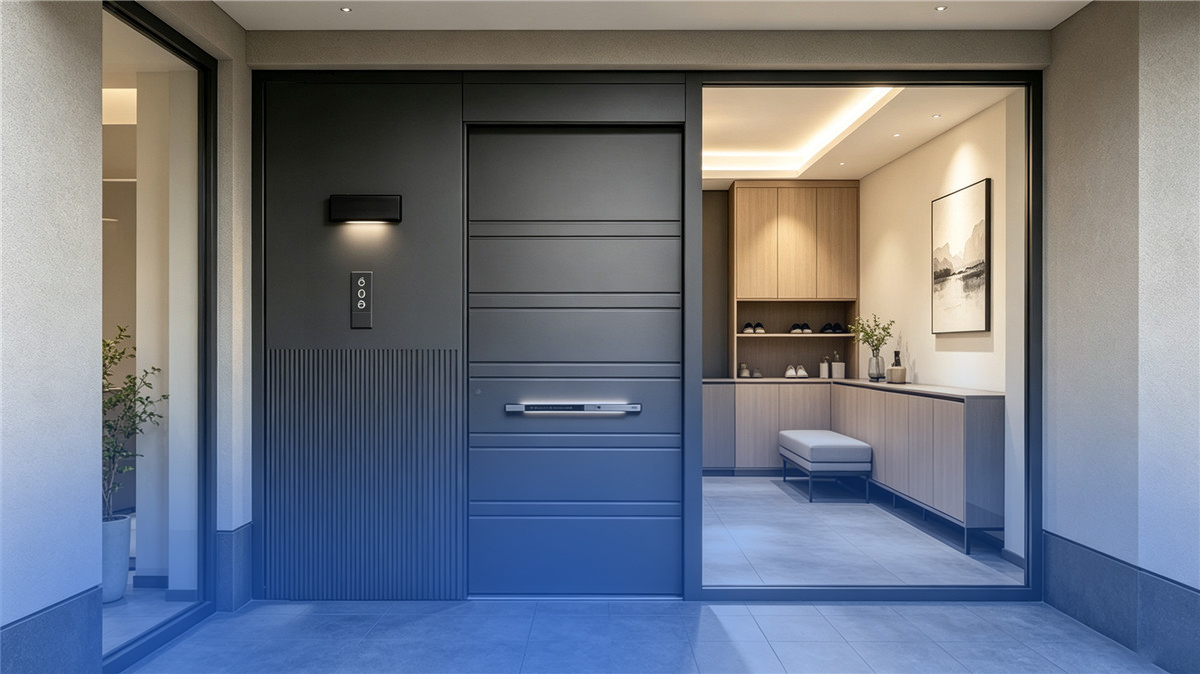
Engineered Architectural Fenestration for Mexican Infrastructure
Manufactured under stringent European Conformity (CE) and ASTM/AAMA wind-load benchmarks, our engineered fenestration collections fulfill the exacting thermal, acoustic, and structural criteria of developers across Mexico City, Guadalajara, Cancún, and Los Cabos.
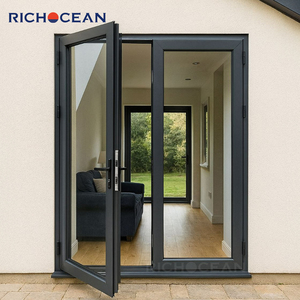 Impact Triple-Glazed
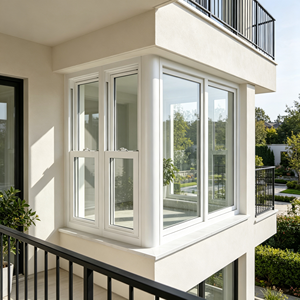 Thermal & Acoustic
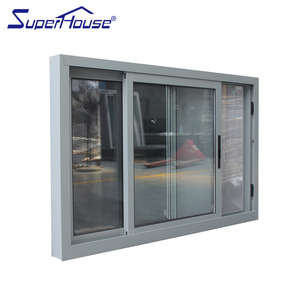 High Wind-Load
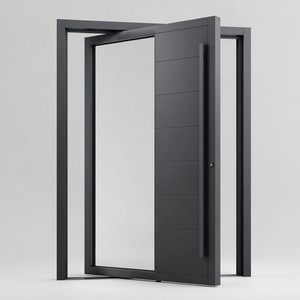 Architectural Pivot
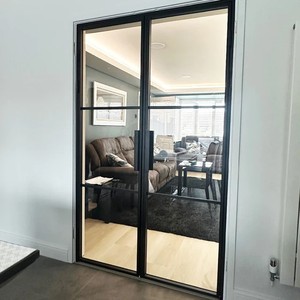 Fire Rated Class
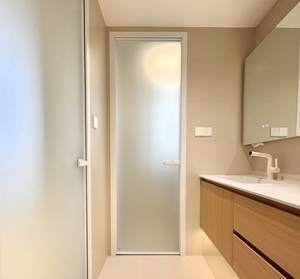 Anodized Moisture-Proof
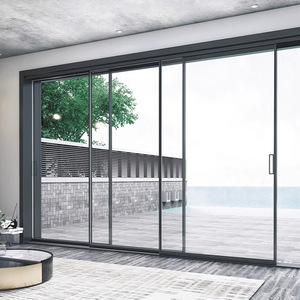 Low-E Solar Control
180,000 ㎡
Integrated Lean Manufacturing Base in Foshan
100+ Tests
CE, ISO9001, AS2047, & UL Flame-Retardant
Manzanillo & LC
Optimized Direct Maritime Container Freight
BIM / CAD Free
Engineered Shop Drawings Tailored to NOM
Localized Application Scenarios in the Mexican Market
Mexico's distinct microclimates demand differentiated structural and fenestration engineering. A glazing unit that succeeds in the dry, seismic highlands of Central Mexico will suffer structural or thermal failure in the salt-laden, hurricane-vulnerable Yucatan Peninsula.
Yucatán & Quintana Roo (Riviera Maya)
The Caribbean coastline faces extreme humidity, severe salt-spray atmospheric corrosion, and Category 4–5 Atlantic hurricanes. Building envelope elements require non-corrosive metals and shatter-proof lamination.
- Surface Finish: AkzoNobel Fluorocarbon (PVDF) 3-coat coating resisting saline erosion up to 3,000 salt-spray hours.
- Structural Glass: Heavy-gauge multi-laminated impact glass with DuPont SentryGlas (SGP) interlayers.
- Waterproofing: Triple continuous vulcanized EPDM seal lines with concealed weep-hole pressure drainage.
Baja California Sur (Los Cabos, La Paz)
Marked by severe solar UV degradation, profound thermal differentials between scorching midday desert sun and cool Pacific night breezes, accompanied by intermittent Pacific tropical storms.
- Thermal Barrier: Polyamide PA66 GF25 techno-polymer thermal breaks preventing thermal conduction.
- Solar Control Glazing: Low-E coated double insulating glass units (IGU) filled with 90%+ Argon gas.
- SHGC Control: Solar Heat Gain Coefficient calibrated below 0.25 to sharply reduce air-conditioning loads.
Central Highlands (CDMX, Guadalajara, Puebla)
High-density metropolitan centers located at altitudes above 1,500 meters, requiring strict seismic compliance, high-performance acoustic dampening, and sophisticated urban architectural aesthetics.
- Acoustic Attenuation: Asymmetric laminated glass setups achieving sound isolation ratings exceeding STC 40–44 dB.
- Seismic Resilience: Elastic corner joint fasteners with specialized expansion allowances meeting CDMX building codes.
- Minimalist Profiles: Ultra-slim sightlines maximizing internal natural illumination for luxury high-rise apartments.
Emerging Architectural Trends in the Mexican Fenestration Sector
Analysis of real estate capitalization, sustainability directives (EDGE/LEED), and the architectural evolution transforming the Mexican construction industry.
Transition from Raw Mill to Thermal-Break Systems
Historically, commercial developments across central Mexico relied on uninsulated mill aluminum (Series 2" and 3"). Escalate electricity tariffs and tighter building codes (NOM-008-ENER / NOM-020-ENER) have caused a decisive shift toward high-performance, thermally broken European profiles that eliminate internal condensation and lower energy footprints.
Expansive Panoramas & Pocket Bifold Openings
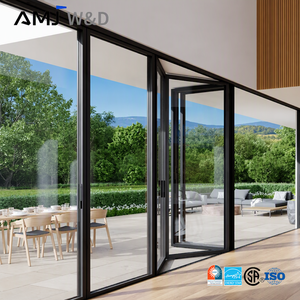
High-end residential villas and luxury hospitality projects in Tulum, Puerto Vallarta, and San Miguel de Allende increasingly demand indoor-outdoor fluidity. Concealed bottom-rail sliding systems, oversized pivot entry doors exceeding 3.5 meters in height, and zero-corner folding doors are becoming standard architectural requirements across top-tier Mexican developments.
LEED and EDGE Green Building Mandates
With international institutional capital fueling real estate development in Monterrey and Santa Fe, institutional funds demand sustainability compliance. Our CE-certified insulating systems feature verified U-values (down to 1.1 W/m²·K) and low-embodied-carbon primary aluminium, helping Mexican real estate developments secure green building certifications.

Direct-From-Factory Manufacturing Scale for Mexican Developers
Ranked among China's Top 10 fenestration enterprises, DERCHI brings over 25 years of engineering precision to our international construction clients. Spanning a 180,000 ㎡ high-tech industrial complex with 600+ skilled personnel, we eliminate intermediary costs and logistical ambiguity for Mexican general contractors, builders, and developers.
From custom luxury pivot doors for private coastal estates to high-volume multi-panel sliding systems for resort master plans, our dedicated technical team prepares complete bilingual engineering submittals, including structural calculations, shop drawings, and installation guides.
Send an InquiryFrequently Asked Questions: Sourcing Windows & Doors for Mexico
Direct technical and operational answers to help developers, architects, and purchasing directors minimize risk when importing from our Foshan production facility.
Do your aluminum windows and doors comply with Mexican NOM building regulations?
Yes. Our product lines are manufactured in compliance with international CE (EN 14351-1), ISO 9001, and ASTM/AAMA hurricane standards. In Mexico, commercial energy-efficiency compliance is governed by NOM-008-ENER and NOM-020-ENER. We supply complete photometric, solar heat gain coefficient (SHGC), and U-factor laboratory test reports so your local mechanical engineers and 'Perito de Obra' can secure municipal approvals without delay.
Which Mexican ports receive shipments, and what are typical transit times?
We regularly ship Full Container Load (20GP / 40HQ) orders directly to Mexico's primary Pacific ports—Puerto de Manzanillo (Colima) and Puerto Lázaro Cárdenas (Michoacán). Direct maritime transit from the Port of Nansha/Shenzhen typically averages 20 to 25 ocean days. For developments in the Yucatan Peninsula (Cancún, Merida), cargo can be discharged at Altamira or Veracruz via balanced intermodal connections.
How do you prevent glass breakage and frame scratching during ocean transport?
Every fenestration unit undergoes a specialized six-stage export crating protocol: protective PE film application across profile surfaces, high-density shock-absorbing corner guards, waterproof stretch-wrapping, closed-cell foam interleaving, and packaging inside fully fumigated (ISPM 15 compliant) plywood crates with integrated lifting skids. This ensures units withstand dynamic ocean transit without damage.
Can we request custom sizes and profile powder-coat colors matched to our architectural spec?
Every single unit is made-to-measure according to your architectural elevations and site conditions. We work with standard RAL powder-coating finishes, custom wood-grain sublimation transfers, high-durability anodizing, and fluorocarbon (PVDF) treatments. Our engineering office translates your architectural plans into precise shop drawings with zero initial design fees.
How do you handle technical on-site installation support in Mexico?
We provide full technical documentation for installation crews across Mexico: comprehensive exploded-assembly diagrams, bilingual step-by-step manuals, hardware tuning documentation, and video guidance. For commercial and resort projects requiring on-site supervision, our senior engineering coordinators are available for direct video teleconferencing or planned on-site technical assistance.
What documentation do you provide for Mexican customs clearance (Agente Aduanal)?
To ensure smooth clearance through Mexican customs (SAT/Aduanas), we prepare a complete export documentation suite: detailed Commercial Invoices with correct Mexican HS tariff codes (Fracciones Arancelarias), itemized Packing Lists specifying net and gross weights, Ocean Bills of Lading, Certificate of Origin, and Mill Test Certificates verifying 6063-T5 aluminum composition and glass temper integrity.
Plan Your Next Architectural Project with DERCHI
Submit your opening schedules, architectural floor plans, or fenestration specifications. Our engineering team will review wind-load requirements, provide custom CAD details, and return a comprehensive factory-direct quotation within 24 hours.