Strategic Product Procurement
Precision Engineered Aluminum Glazed Systems
Direct factory-engineered systems manufactured to stringent thermal, structural, and acoustic architectural tolerances for international contractors, developers, and commercial distributors.
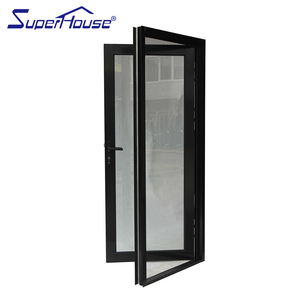
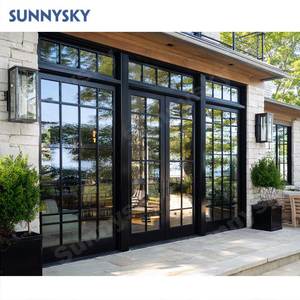
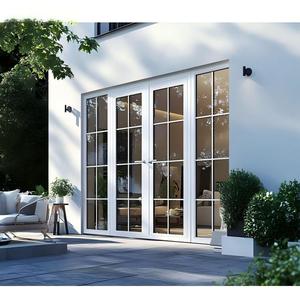
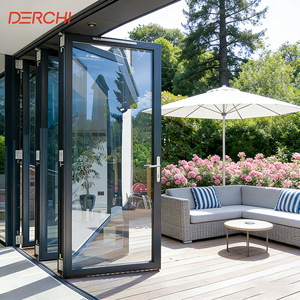
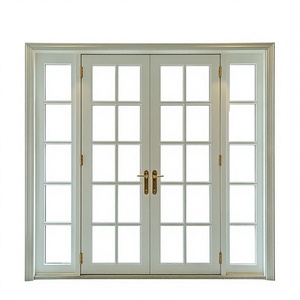
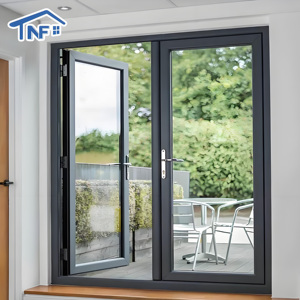
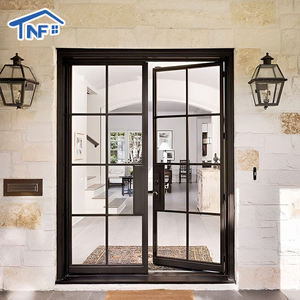
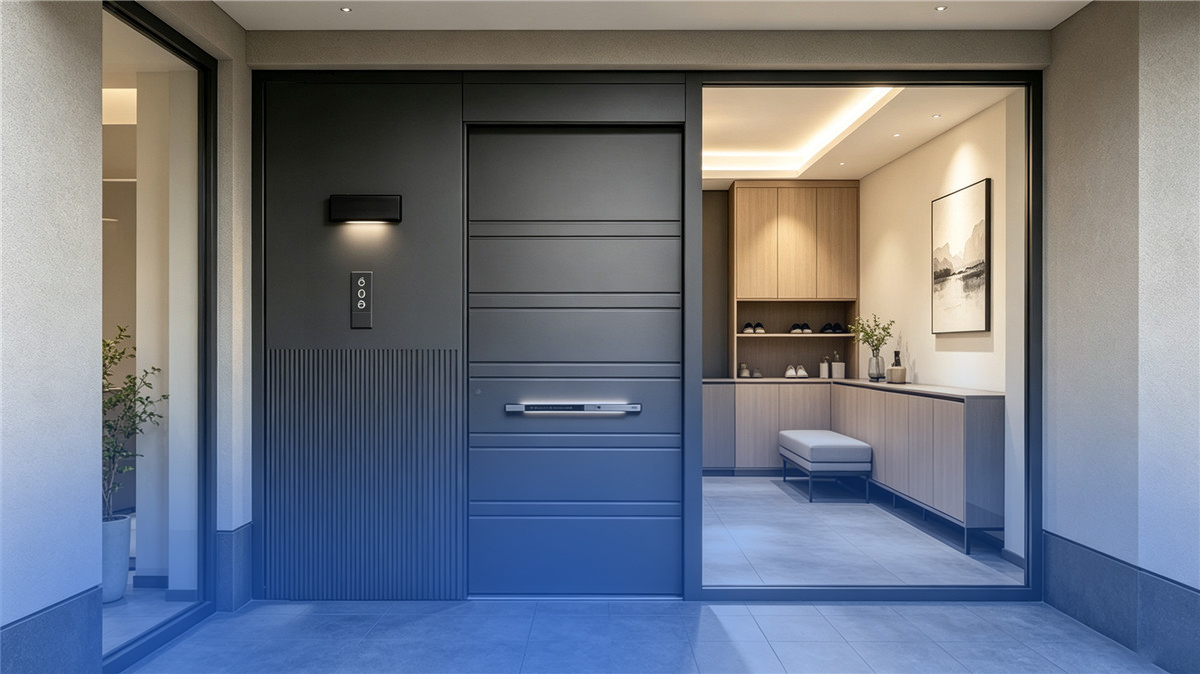
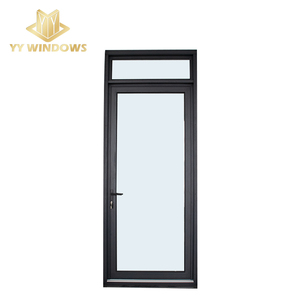
Future Procurement Trends in Architectural Aluminum Glazed Doors
The global fenestration procurement landscape is experiencing a paradigm shift driven by stringent decarbonization mandates, evolving building codes, and regional climate volatility. For real estate developers, facade engineers, and volume importers, evaluating aluminum glazed door assemblies extends beyond surface aesthetics and raw profile pricing. Modern specification workflows demand quantifiable thermal resistance (U-Factors ≤ 1.2 W/m²K), high structural performance ratings under cyclic wind pressures, and verifiable lifecycle traceability.
As cross-border construction projects navigate international decarbonization standards such as ASHRAE 90.1, Australia's NCC 2022, and European CE directives, the integration of multi-cavity thermal break extrusions, warm-edge spacers, and selective triple Low-E configurations has transformed from optional upgrades into non-negotiable procurement baseline criteria. Concurrently, hurricane-impact resilience—governed by ASTM E1886/E1996 and AS/NZS 1170.2 standards—is increasingly specified for high-wind coastal developments throughout North America, the Caribbean, Southeast Asia, and Coastal African metropolitan nodes.
Total Value Procurement
Shifting focus from landing freight cost to comprehensive thermal efficiency, airtightness ratings, and long-term operating energy reduction over a 30-year lifecycle.
Climate Adaptation Engineering
Tailoring extrusion alloys (6063-T6 virgin billet) and multi-fin EPDM gaskets to endure maritime salt spray, high UV exposure, and heavy seismic cyclic loading.
BIM & Modular Customization
End-to-end integration of parametric BIM families, customized shop drawings, and precision automated CNC manufacturing to eliminate on-site retrofitting delays.
Technological Evolutions in Aluminum Glazed Door Engineering
Historically, aluminum fenestration was constrained by high thermal conductivity, making it susceptible to condensation and structural bridging. Recent metallurgical and chemical engineering advancements have solved these constraints through continuous polyamide thermal barriers (PA66 GF25), structural silicone glazing (SSG), and multi-chambered internal profile geometries. Modern glazed doors now perform on par with solid insulated timber while providing superior structural shear strength, narrower sightlines, and unmatched dimensional stability over decades.
Beyond frame architecture, glass science has rapidly matured. Double and triple insulated glass units (IGUs) incorporating argon gas fills, soft-coat Low-E coatings, and structural interlayers (PVB and SentryGlas®) enable oversized glazing spans without compromising acoustic performance or human impact security. High-performance pivot doors and sliding multi-track configurations now support weights exceeding 450 kg per sash, powered by stainless steel bearing carriages and floor springs engineered for whisper-quiet actuation.
| Engineering Attribute | Standard Commercial Entry | DERCHI Architectural Spec | Compliance Standard |
|---|---|---|---|
| Extrusion Alloy & Wall | 1.4 mm Recycled Aluminum | 2.0 mm – 3.0 mm Primary 6063-T6 | GB/T 5237 / ASTM B221 |
| Thermal Insulation | Non-Thermal Break / PVC Bar | Polyamide PA66 GF25 Insulating Strut | EN 14024 Certified |
| Thermal Transmittance (Uw) | 3.2 – 4.5 W/m²K | 1.2 – 1.8 W/m²K (Climate Optimized) | NFRC 100/200 / ISO 10077-1 |
| Impact Resistance | Monolithic Tempered | Laminated SGP / Dual Tempered Impact | ASTM E1996 / AS2047 N6 Cyclonic |
| Acoustic Attenuation | Rw < 28 dB | Rw 38 dB – 42 dB (STC Rated) | ISO 140-3 / ASTM E90 |
Why Global Contractors & Developers Partner with DERCHI
Operating out of an ultra-modern 180,000 m² integrated production base in Foshan, Guangdong, Guangdong Dejiyoupin Doors and Windows Co., Ltd. (DERCHI) represents the pinnacle of Chinese high-end architectural fenestration manufacturing. With over 25 years of engineering innovation and a dedicated workforce of over 600 skilled technicians, DERCHI serves institutional clients, commercial developers, and luxury homebuilders across North America, Australia, Europe, the Middle East, and Africa.
By managing the entire value chain—from structural profile extrusion and precision anodizing/fluorocarbon spraying to insulated glass unit assembly and automated multi-axis CNC fabrication—we eliminate sub-tier contractor margins and ensure total quality consistency. Every export order is backed by comprehensive factory pre-assembly testing, rigorous quality verification, and fully customized export-grade wooden crating designed to withstand long ocean transits.
Accredited Certifications
Fully compliant with international testing codes: CE mark, ISO9001 quality system, AS2047 N6 structural cyclonic, and UL fire-rated credentials.
End-to-End Customization
Our dedicated engineering department provides complimentary CAD shop drawings, structural calculation reviews, and BIM modeling tailored to your schedules.
Worldwide Port Logistics
Direct ocean container staging to major global destinations including Lagos, Durban, Mombasa, Sydney, Long Beach, and Hamburg under FOB or CIF terms.
Bilingual Technical Support
English-speaking project managers available 24/7 across multiple time zones, offering continuous technical support from initial tender to on-site commissioning.
Frequently Asked Questions (Procurement & Technical FAQ)
How does DERCHI ensure structural integrity against severe hurricanes and cyclonic wind loads?
Our impact-rated assemblies utilize engineered structural aluminum alloys (6063-T6 virgin billets) with wall thicknesses up to 3.0 mm, paired with reinforced multi-chamber designs. Glazing units feature laminated architectural glass bonded with premium polyvinyl butyral (PVB) or SentryGlas® (SGP) ionoplast interlayers. These assemblies undergo cyclic wind pressure testing up to +/- 4500 Pa and large-missile impact testing in accordance with ASTM E1886/E1996 and AS2047 N6 standards, preventing frame blowouts and interior depressurization during extreme weather events.
What surface treatment technologies protect your aluminum profiles in corrosive coastal regions?
For maritime or high-salinity coastal environments (e.g., coastal Africa, Southeast Asia, Florida), we apply high-durability AkzoNobel powder coatings or architectural fluorocarbon (PVDF) 3-coat finishes compliant with AAMA 2605 specifications. These finishes provide over 4,000 hours of continuous salt-spray corrosion resistance without peeling, chalking, or blistering. Furthermore, all internal fastening hardware, locking gears, and pivot pins are machined from 304 or 316 marine-grade stainless steel.
Can DERCHI manufacture custom dimensions and match unique project specifications from drawings?
Yes. 100% of our production is made to order. Our facade engineering department reviews your architectural elevations and opening schedules to develop precision CAD shop drawings. We accommodate bespoke pivot dimensions (up to 4 meters high and 2.2 meters wide), specialized hinge placements, integrated magnetic insect screens, low-profile barrier-free thresholds, and custom RAL color-matched finishes. Mass fabrication commences only after your project team reviews and approves stamped drawings.
What documentation and quality verification do you provide for import clearance and building inspectors?
We provide comprehensive documentation packages tailored to your country's customs and municipal building requirements. This includes physical factory test reports, mill certificates for aluminum extrusions, glass safety certificates, CE Declarations of Conformity, and country-specific compliance paperwork such as SONCAP (Nigeria), KEBS PVoC (Kenya), and SASO (Saudi Arabia). Container packing lists include QR-coded bundle references for accelerated on-site inventory reconciliation.
How are oversized glazed doors protected against transit damage across long ocean routes?
Every door assembly is wrapped in non-abrasive protective film, cushioned with dense corner protectors, and sealed in water-resistant plastic sheeting. Assemblies are then secured into fumigated, export-grade solid plywood crates with internal structural timber bracing. Shock indicators and desiccant bags are standard on all full-container-load (FCL) and less-than-container-load (LCL) shipments to safeguard glass panels and hardware from impact stress and sea moisture.
Ready to Engineer Your Next Glazed Fenestration Project?
Connect directly with our senior facade engineering team for comprehensive bill of quantities (BOQ) estimation, structural design review, and official factory quotations.
Inquire Now