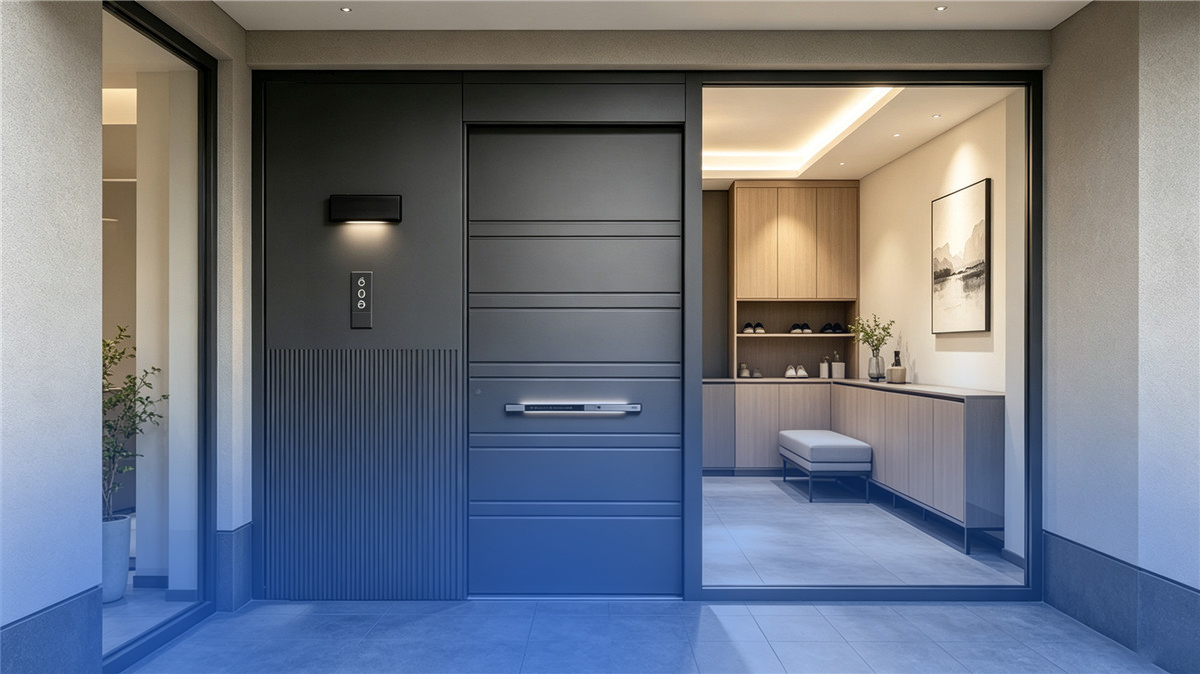
Featured Aluminum Fenestration & Cabinet-Integrated Systems
Engineered for luxury residential developments, hospitality joinery, and high-performance architectural envelopes. Every unit adheres to precise dimensional tolerances, marine-grade corrosion standards, and seamless hardware integration.
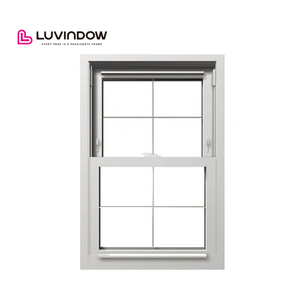 Thermal Fenestration
- Low-E Double Glazed
- Stainless Mesh Screen
- Multi-Lock System
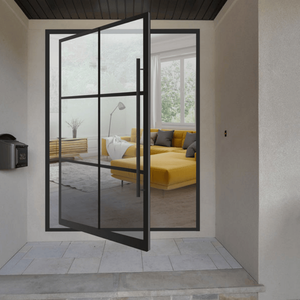 Acoustic Pivot
- Minimalist Cladding
- Heavy-Duty Pivot Spindle
- STC 42 Acoustic Core
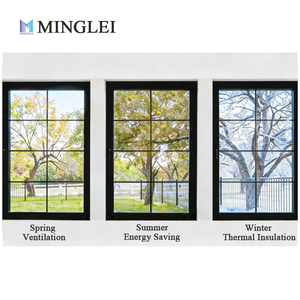 Ultra-Slimline
- Polyamide Thermal Break
- Matte Black Fluorocarbon
- NFRC Certified
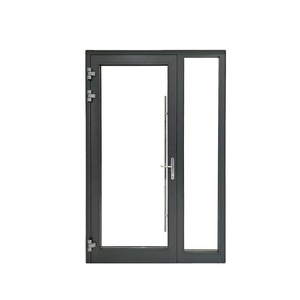 Impact Rated
- Unequal Double Sashes
- Hurricane Impact Rated
- Extruded 6063-T6
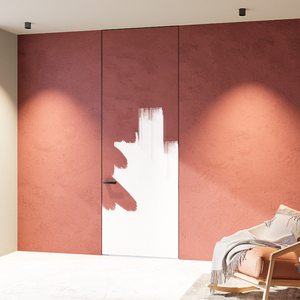 Invisible Joinery
- Concealed Jamb Track
- MGO Fire Core Slabs
- Latex Coated Surface
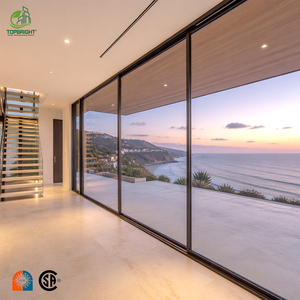 Pocket Stacking
- Hidden Stacking Cavity
- Zero-Threshold Track
- Toughened Low-E Glass
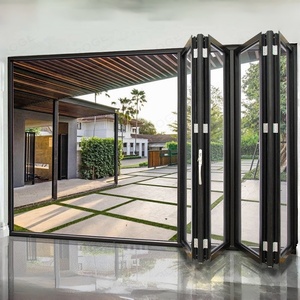 Modular Glazed
- Automatic Motorized Ready
- Narrow Stile Profiling
- Modular Wall Integration
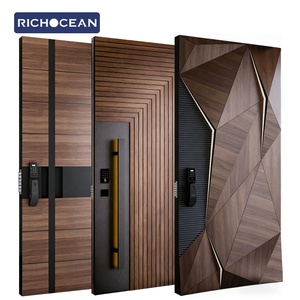 Armored Security
- Ballistic Tested Core
- Multi-Axis Deadbolts
- Anodized Armor Trim
Engineering Metallurgy & Structural Superiority of Chinese Extruded Aluminum Cupboard Profiles
Understanding why premier interior designers, joinery contractors, and commercial developers worldwide prioritize Chinese industrial clusters—specifically Foshan—for high-precision aluminum cabinet doors, wardrobe façades, and glass partition assemblies.
1. Metallurgy, Extrusion Tolerances, and Geometric Precision
The manufacturing benchmark for export-grade aluminum cupboard and closet door systems relies heavily on billet composition and heat treatment kinetics. High-purity primary aluminum billets (Al-Mg-Si series) undergo high-pressure horizontal extrusion at temperatures between 480°C and 520°C. Controlled rapid water-quenching and subsequent artificial aging to T5 or T6 temper ensure a Webster hardness rating ≥ 12 HW, establishing high structural rigidity across ultra-narrow sightlines.
In high-end architectural cabinetry, profile visual stiles have shrunk from bulky 45mm industrial borders to ultra-minimalist 18mm, 15mm, and even 9mm micro-margins. Achieving structural stability with minimal sightlines demands micro-tolerance extrusion capabilities within ±0.12mm according to GB/T 5237 and EN 12020-2 standards. Specialized internal screw-boss geometries, concealed mechanical corner-cleats, and robotic dual-component polyurethane bonding systems guarantee seamless 45-degree miter joints that resist torsion under sustained high-cycle commercial usage.
| Performance Parameter | Architectural Aluminum Profiles (DERCHI Std) | Standard Commercial MDF / Particle Board | Welded Hollow Stainless Steel Trim |
|---|---|---|---|
| Bending & Warpage (at 2800mm Height) | < 0.8mm (Equipped with internal anti-bow tensioner) | > 5.0mm (Severe hygroscopic deflections) | < 1.5mm (Thermal stresses along weld points) |
| Moisture Absorption & Swell Rate | 0.00% Impervious | 8.0% – 16.0% (Risk of delamination) | 0.00% Impervious |
| Formaldehyde & VOC Emission | Zero Emission (ENF Grade Compliant) | E1 to E0 (Varies by binder adhesive quality) | Zero Emission |
| Weight-to-Strength Efficiency | Optimized strength at 2.7 g/cm³ density | Heavy deadload (0.75 – 0.9 g/cm³) strains hinges | Substantially heavy (7.9 g/cm³), requiring heavy pivots |
| Salt Spray Corrosion Resistance | 1,000 – 3,000 hrs Neutral Salt Spray (AAMA 2604/2605) | Fails rapidly when edge-banding fails | Prone to pitting if Grade 201/304 used near sea |
2. Surface Treatment Technologies: Anodizing, Fluorocarbon & Ultra-Matte Textures
Cabinet door touchpoints require advanced surface finishing to withstand dermal acidity, abrasive kitchen cleaners, and intense interior UV exposure. China's top tier suppliers employ automated vertical anodizing lines that deposit a uniform electrolytic oxide layer between 15μm and 25μm (AA15 to AA25 grade). Advanced chemical polishing combined with sandblasting (180# to 220# ceramic beads) produces silky, glare-free, fingerprint-resistant finishes in Champagne, Titanium Grey, Brushed Bronze, and Deep Obsidian.
For modern projects specifying matte or biophilic architectural palettes, Super-Durable Qualicoat Class 2 PVDF Fluorocarbon coatings and vacuum woodgrain sublimation are applied. Fluorocarbon finishes resist chalking and fading for over 20 years, while specialized anti-static nano-ceramic coatings repel dust, cooking grease, and water marks. This makes them ideal for integrated luxury kitchens and concealed wardrobe doors spanning floor-to-ceiling millwork.
Future Procurement Trends in the Global Aluminum Cabinet Door Market
B2B purchasing patterns are shifting from transactional raw-profile shipments to integrated architectural fenestration solutions. Importers, master joiners, and real estate developers must navigate four major sourcing megatrends.
1. Rise of SKD & CKD Modular Joinery Kits
High ocean container freight rates have made shipping pre-assembled cupboard doors cost-prohibitive for large-scale housing projects. Leading buyers now demand Semi-Knocked Down (SKD) and Completely Knocked Down (CKD) modular kits. CNC-milled extrusions arrive with pre-machined concealed hinge pockets, miters, corner bracket fixings, and custom gasket slots. This allows local workshops to rapidly snap, square, and install glass panels locally—tripling container cubic volume efficiency and cutting landed tariffs.
2. Decarbonization & Low-Carbon Recycled Billets
Western development projects subject to LEED v4.1 and European CBAM (Carbon Border Adjustment Mechanism) require audited Environmental Product Declarations (EPDs). Forward-thinking Chinese extruders utilize hydro-powered primary smelting and closed-loop scrap recycling (minimum 75% recycled content). This slashes profile embodied carbon from 18 kg CO₂e/kg to under 4.2 kg CO₂e/kg without sacrificing tensile strength or metallurgical purity.
3. Single-Source Architectural Millwork Consolidation
Developers increasingly reject working with disjointed vendors for interior cabinets, glass partitions, and exterior fenestration. Sourcing all door and window schedules from a comprehensive industrial powerhouse like DERCHI allows cross-category finish matching—aligning cabinet door anodizing tones precisely with interior hidden doors, pocket sliders, and exterior pivot systems under unified quality management.
Technological Innovations Driving the Next Generation of Aluminum Cupboard Doors
Cabinetry engineering is undergoing a technological renaissance. The integration of structural optics, hidden kinetic hardware, and acoustic damping is reshaping residential interiors.
Integrated Hidden Kinetic Hardware
Bulky face-mounted cabinet hinges are becoming obsolete. Modern aluminum door stiles feature micro-machined pocket recesses specifically engineered for fully integrated top-and-bottom pivot hinges (Salice Air, Blum Cristallo, and custom Chinese-patented mechanisms). These concealed 3D-adjustable hinges support door weights up to 45 kg while enabling soft-close dampers and 180° swing clearances with zero exterior visible hardware.
Acoustic Damping & Composite Cores
Aluminum cupboard doors can resonate if improperly damped. High-end systems solve this by incorporating aluminum honeycomb lattice cores sandwiched between 4mm sintered porcelain stone, architectural leather, or MGO fire-rated slabs. Extruded perimeter cavities are lined with co-extruded Santoprene magnetic or EPDM air-cushioned seals, achieving a solid, quiet tactile latching feel comparable to luxury automotive doors.
Dynamic Optic Glazing & Smart LED Channels
Modern walk-in closets and showcase cupboards seamlessly integrate electronic and optical innovations. Profile stiles are extruded with co-axial internal cable conduits and frosted micro-diffuser slots for 24V warm-white LED strips. Infill glazing choices have expanded from classic tempered fluted glass to smart switchable PDLC privacy glass, bronze wired security glass, and double-sided micro-etched mirror panes that switch from reflective to transparent upon internal illumination.
Why Global Importers Partner with Guangdong Dejiyoupin (DERCHI)
Rooted in China's industrial manufacturing heartland—Foshan, Guangdong—Guangdong Dejiyoupin Doors and Windows Co., Ltd. (DERCHI) operates as a premier producer and exporter of architectural door, window, and cabinet assemblies.
180,000 ㎡ Mega Production Footprint
Housing 30+ precision CNC 4-axis machining centers, automatic miter-cutting stations, cleanroom glazing booths, and high-capacity assembly lines capable of delivering 45,000+ custom architectural units monthly.
Engineering & BIM CAD Design Support
Our dedicated engineering department provides complimentary shop-drawing detailing, BIM family object authoring, and structural wind/torsion load calculations to ensure smooth architect and consultant sign-offs.
Rigorous International Certifications
Certified to ISO9001, CE, Australian AS2047 (N6 Cyclonic Rating), and UL Fire-Rated standards. Every batch undergoes rigorous quality control, checking dimensional coplanarity, peel adhesion, and salt spray resistance.
Export Crate Packaging & Marine Logistics
Heavy-duty, custom fumigated plywood crates equipped with shock-absorbing honeycomb spacers, corner guards, desiccants, and vacuum shrink film provide total protection across 45-day ocean transit cycles.
Consolidated Whole-House Joinery
Eliminate supplier fragmentation. Consolidate your interior aluminum glass cupboard doors, architectural flush doors, pocket sliding partitions, and exterior security pivot doors in unified 40HQ ocean containers.
Direct Engineering Support & Field Guides
Fluent English-speaking technical sales engineers align with major global time zones, backing your site crew with comprehensive step-by-step installation manuals, exploded CAD schematics, and video walk-throughs.
B2B Buyer Technical Guide: Frequently Asked Questions
Clear, definitive answers to help procurement directors, contract glaziers, and developers evaluate and import architectural aluminum cupboard doors and fenestration profiles from China.
For our existing catalog of over 120 standard extrusion dies (including 18mm, 20mm, and 45mm glass-infill stiles), our typical MOQ is 50 square meters or 20 complete door sets. For bespoke custom architectural dies, tooling fees apply (ranging from $400 to $900 per die set) with an initial extrusion batch requirement of 500 kg per profile cross-section.
Doors exceeding 2400mm are engineered with an internal tensioning cavity housing an adjustable stainless-steel anti-bow tension rod. This counter-camber mechanism allows site technicians to apply directional counter-torque via an allen bolt at the top stile, ensuring absolute vertical coplanarity (deflection ≤ 1.0mm) throughout seasonal climate variations.
Our Qualicoat Seaside-certified powder coatings and Grade AA20 anodized finishes are tested to withstand 1,500 to 3,000 hours of Neutral Salt Spray (ASTM B117) and Copper Accelerated Acetic Acid-Salt Spray (CASS) testing without blistering or corrosion creeping. We provide written warranties ranging from 10 to 25 years based on site distance from open marine coastlines.
Yes. Using high-precision 4-axis CNC machining stations, we pre-route hinge pockets, handle recesses, and latch strikes tailored to specified European, American, or Japanese hardware systems—including Blum, Salice, Grass, Hettich, Sugatsune, or Hafele. Extrusions can also be delivered pre-tapped to match client drilling templates with sub-millimeter precision.
Every door panel receives a protective low-tack PE film on aluminum frames and glass faces. Corners are shielded with thick plastic corner protectors, wrapped in high-density EPE pearl cotton foam, and packed inside custom-built non-fumigation plywood crates with internal timber bracing. Moisture absorbers are placed in every container to mitigate oceanic moisture condensation.
Standard extrusion catalog orders run on a 20 to 25 business day manufacturing schedule following final CAD shop drawing sign-off. For orders requiring new custom extrusion dies or non-standard powder coat batch formulations, please allow an additional 7 to 10 working days for tooling proofing, pilot sampling, and lab validation.
Ready to Engineer Your Project's Cabinetry & Fenestration Schedule?
Submit your architectural drawings, elevation schedules, or tender specifications. Our technical engineering desk will review your opening sizes, recommend optimized alloy profiles, and prepare fully dimensioned CAD shop drawings with factory-direct pricing within 24 hours.