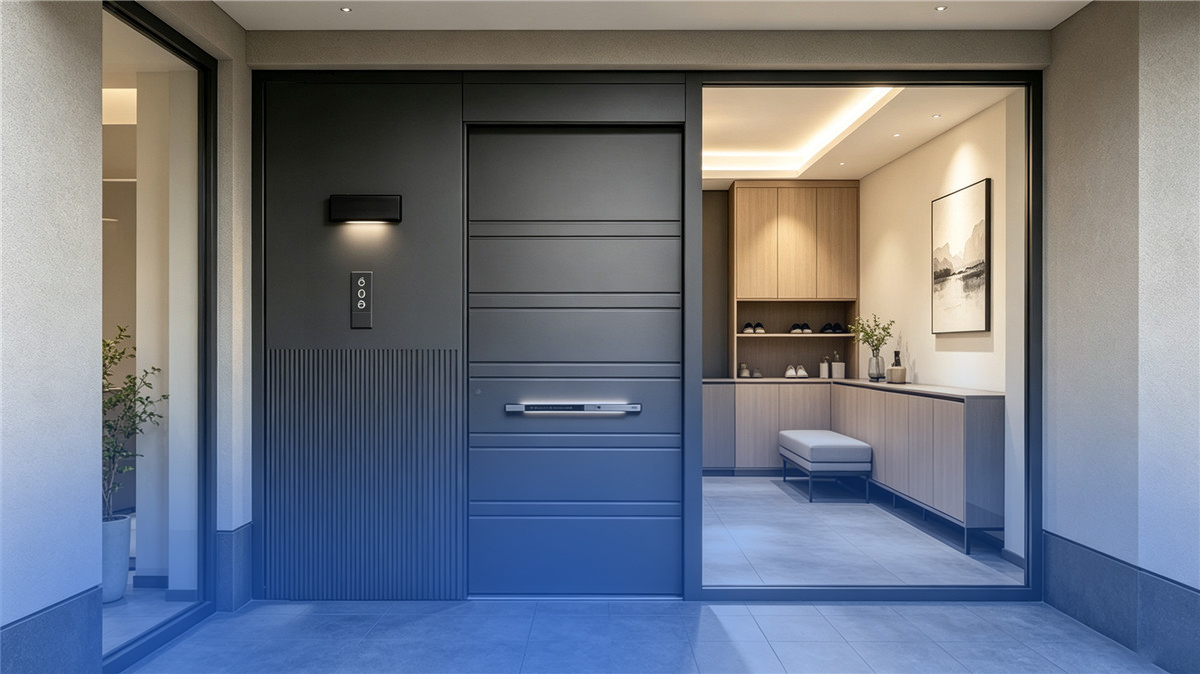
High-Performance Architectural Fenestration Systems
Precision-machined using virgin 6063-T5 and 6063-T6 aluminum alloys, PA66-GF25 structural thermal breaks, and multi-point perimeter security hardware. Explore our verified export configurations ready for commercial and luxury residential integration.
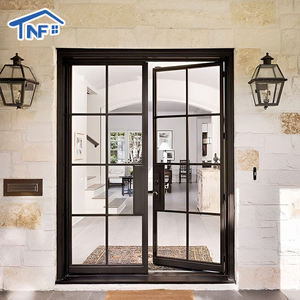
Factory Direct Sale Black Aluminum Frame Casement Entry Door Soundproof Aluminum French Patio Doors For Houses
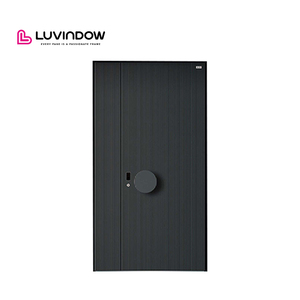
Luvindow Aluminum Doors for House Security Front Entrance Door With Smart Lock
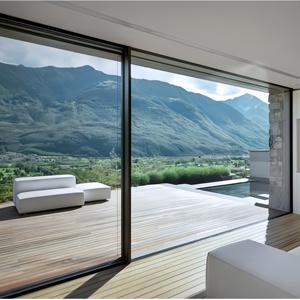
Customized Modern Style Sliding Door For Home Villa Balcony Double Glazed Energy Efficient Aluminum Glass Sliding Door For Sale
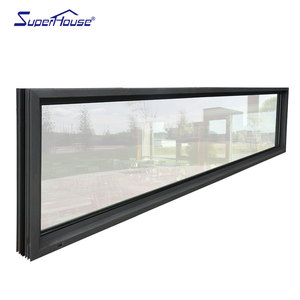
Fixed Boat Comply Superhouse Glass Window Commercial Hurricane Design Aluminum Swing Graphic Design Horizontal Modern Hanging
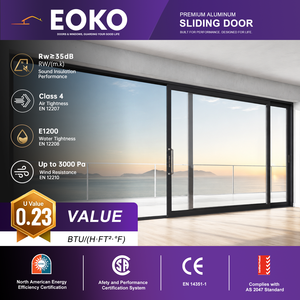
EOKO NFRC CSA Certified Aluminum Sliding Glass Door Heavy Duty Load Bearing Double Glazed Exterior Sliding Door for Villa Hotel
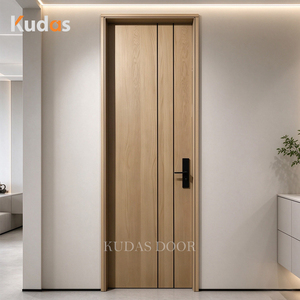
Modern Vertical Black Line Decor Wood Veneer Interior Wooden Door Minimalist Flush Wooden Indoor Room Door for Home Bedroom
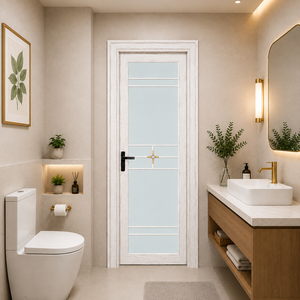
Moisture Resistant Aluminum Bathroom Door With Frosted Glass for Hospitality Construction
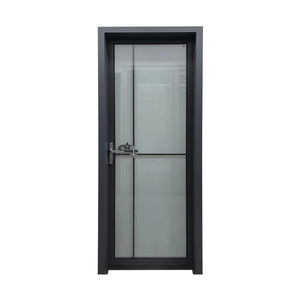
Aluminum Alloy Bathroom Glass Door Sliding Shower Room Door for Wet Room
Precision Manufacturing at Foshan's Premier Fenestration Hub
Operating under Guangdong Dejiyoupin Doors and Windows Co., Ltd. (DERCHI), our automated manufacturing base in Shishan Town, Foshan, combines 25+ years of architectural fenestration excellence with world-class CNC profile engineering.
Full-Scale Vertical Integration: From Ingot to Finished Facade
When sourcing architectural aluminum windows and doors from China, global contractors and project developers frequently encounter supply-chain fragmentation. At our Foshan industrial complex, vertical integration mitigates third-party manufacturing tolerances. From primary billet casting and automated extrusion to CNC 5-axis corner miter jointing and glass tempering, every production milestone is governed by ISO9001 quality assurance protocols.
Our facility houses advanced polyamide thermal break insertion lines capable of achieving high shear strength and precise dimensional accuracy. For exterior finishes, we deploy closed-loop, vertical Qualicoat Class 2 powder coating and fluorocarbon PVDF systems that withstand intense UV degradation, high marine saline humidity, and severe environmental pollution.
This integrated manufacturing discipline ensures our systems achieve strict air permeability (ASTM E283), watertightness under dynamic pressure (ASTM E331), and structural wind resistance up to AS2047 N6 cyclonic thresholds.

Global Sourcing Trends & Supply-Chain Dynamics (2025–2030)
As international building codes mandate stringent energy targets and reduced embodied carbon, aluminum fenestration procurement is shifting rapidly. Architectural buyers must align with these four critical industry movements.
Decarbonized & Circular Aluminum Billets
Institutional developers across North America, Europe, and Oceania now evaluate fenestration suppliers based on Environmental Product Declarations (EPDs). The utilization of hydro-powered smelted aluminum and post-consumer scrap billets significantly reduces embodied carbon without sacrificing structural tensile strength or elongation properties.
- Low-carbon primary ingots with verified carbon footprints
- Full traceability under Aluminium Stewardship Initiative (ASI)
- Closed-loop scrap reclamation in smart extrusion lines
Ultra-Low U-Value & Passive House Norms
Standard double-glazed aluminum profiles without multi-chamber thermal breaks are becoming obsolete under updated energy frameworks such as ASHRAE 90.1, Title 24, and the EU Energy Performance of Buildings Directive (EPBD). Multi-cavity PA66-GF25 polyamide isolators with aerogel infusion are now critical for low thermal conductivity.
- Whole-window U-factors below 1.2 W/m²K (0.21 BTU/h·ft²·°F)
- Warm-edge composite spacer bars reducing edge conductance
- Argon/Krypton insulated glass units with selective Low-E coatings
Modular BIM & Pre-Glazed Factory Assemblies
On-site labor inflation in target export regions is accelerating demand for fully unitized, factory-glazed window walls and sub-frame integrated systems. Sourcing pre-assembled, factory-sealed fenestration packages reduces installation timelines by up to 40% while eliminating job-site weatherproofing liabilities.
- Comprehensive Level 300+ Revit BIM architectural libraries
- Factory-cured structural silicone glazing (SSG) protocols
- Pre-punched anchor brackets and integrated flashings
The Technological Evolution of Architectural Aluminum Fabrication
Modern fenestration performance is defined by micro-alloying chemistry, structural profile geometry, advanced surface coatings, and engineered multi-layer sealing compounds.
Structural Alloy Selection: 6063-T5 vs. 6063-T6 vs. 6061-T6
A common point of failure in low-tier aluminum window fabrication is improper alloy formulation or uneven artificial aging (tempering). For architectural window frames, 6063-T5 provides superior surface smoothness and complex extrusion geometry. However, for large-span commercial curtain walls, massive sliding door stiles, and high-windload pivot systems, our engineers mandate 6063-T6 or 6061-T6.
By controlling magnesium and silicon ratios within ±0.02% and executing strict heat quenching directly at the extrusion press, DERCHI achieves a minimum ultimate tensile strength of ≥215 MPa and yield strength ≥170 MPa. This allows ultra-slim sightlines without structural deflection under peak gust loads.
Additionally, all corner joints utilize cast aluminum corner cleats with dual-component expanding polyurethane structural adhesive, ensuring joints remain airtight, waterproof, and permanently square under torsional stress.

| System Type | Structural Profile Depth | Thermal Barrier (Polyamide) | Glass Configuration (IGU) | Acoustic Attenuation | Max Design Wind Pressure |
|---|---|---|---|---|---|
| Heavy-Duty Lift & Slide | 160mm – 200mm (3-Track) | 34mm PA66-GF25 Multi-Chamber | 6mm Low-E + 16Ar + 6mm Tempered | Rw 38 – 41 dB | 4,500 Pa (Serviceability) |
| Architectural Casement | 70mm – 85mm System | 24mm – 30mm Thermal Strip | 5mm + 12Ar + 5mm + 12Ar + 5mm Triple | Rw 42 – 45 dB | 6,000 Pa (AS2047 N6 Cyclonic) |
| Commercial Glass Pivot Door | 100mm Reinforced Rail | Continuous Perimeter Break | 10mm + 1.52PVB + 10mm Laminated | Rw 36 – 39 dB | 3,800 Pa (Deflection L/250) |
| Ultra-Slim Panorama Slider | 45mm Interlock Sightline | Thermal Polyurethane Barrier | 8mm Low-E + 20Ar + 8mm Tempered | Rw 35 – 38 dB | 3,200 Pa (Structural Stile) |
| Impact-Resistant Hung / Fixed | 90mm Commercial Wall | High-Density Polyamide Matrix | 6mm Heat-Strengthened + 2.28SGP + 6mm | Rw 40 – 43 dB | 8,000 Pa (Severe Storm Testing) |
Fluorocarbon PVDF (AAMA 2605)
Formulated with 70% Kynar 500 resin, our 3-coat and 4-coat PVDF application lines deliver unsurpassed chalking and chemical resistance. Tested to survive 3,000+ hours of continuous salt spray (ASTM B117), this surface treatment is indispensable for coastal developments in West Africa, Australia, and the Arabian Gulf.
Qualicoat Class 2 Super-Durable Powder
Using solvent-free, TGIC-free polyester formulations from AkzoNobel and Tiger Drylac, our powder finishes undergo Florida 3-year outdoor exposure equivalence. They maintain high gloss retention and resist micro-fissuring under intense solar irradiance and temperature fluctuations from -30°C to +80°C.
Qualanod Architectural Anodizing
For projects demanding raw metallic brilliance, our automated anodizing baths create a hard, monolithic anodic oxide layer of 20μm – 25μm (Class 1). The porous oxide structure is electrochemically sealed with nickel acetate, completely rendering the surface immune to peeling, flaking, or cathodic corrosion.
Navigating International Fenestration Certifications
Sourcing from Chinese manufacturers requires documented verification against local statutory building codes. Our systems are certified and backed by accredited third-party test reports.
Australia & Oceania (AS2047 / AS1288)
Our products hold formal Australian test certifications covering deflection under positive and negative wind loads, air infiltration (AS4420.4), water penetration resistance (AS4420.5), and ultimate strength (AS4420.6) up to cyclonic rating N6. Glass safety aligns strictly with AS1288 glazing mandates.
North America (NFRC / AAMA / CSA)
For US and Canadian building envelopes, our systems undergo simulation and physical chamber testing for thermal transmittance (U-factor), Solar Heat Gain Coefficient (SHGC), and Visible Transmittance (VT) in full accordance with NFRC 100/200/500 and CSA A440 benchmarks.
Europe & Emerging Markets (CE / SASO / SONCAP)
We support complete Declaration of Performance (DoP) dossiers under EN 14351-1 for European CE compliance. For African and Middle Eastern markets, we facilitate pre-shipment quality verification certificates including Nigeria's SONCAP, Kenya's KEBS PVoC, and Saudi Arabia's SASO/SABER platforms.

Frequently Asked Questions for Overseas Buyers & Estimators
Comprehensive answers addressing structural profiles, minimum order thresholds, sea-freight packaging, factory audits, and thermal optimization for B2B procurement professionals.