Q1
What is a hollow metal door?
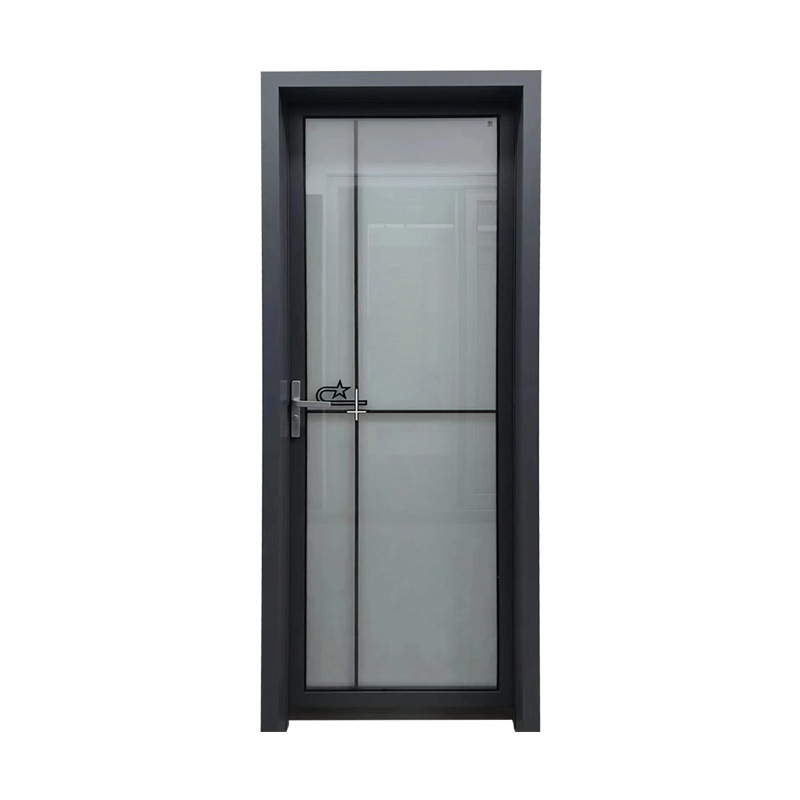
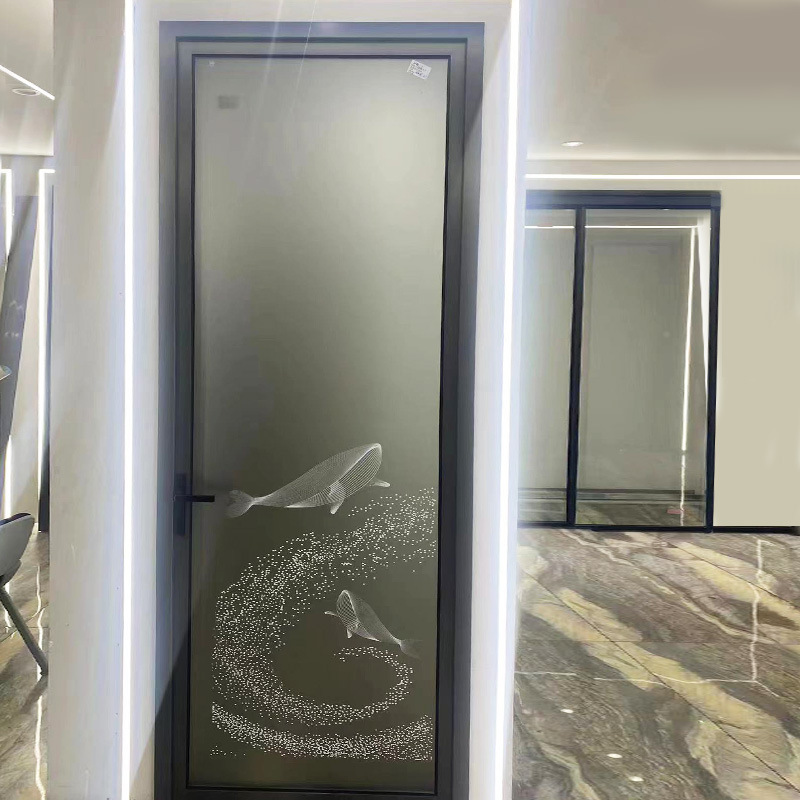
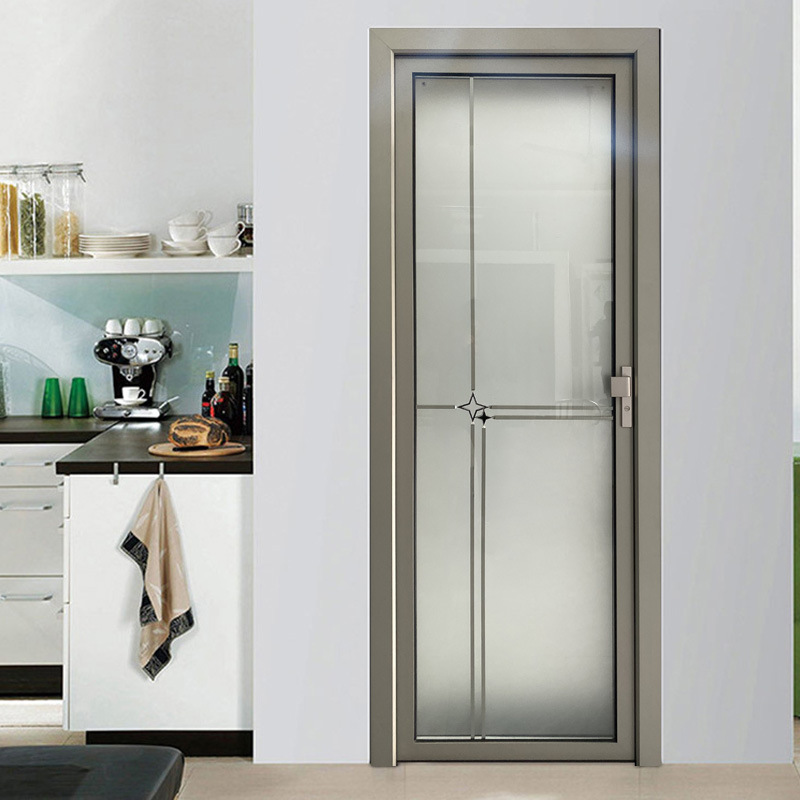
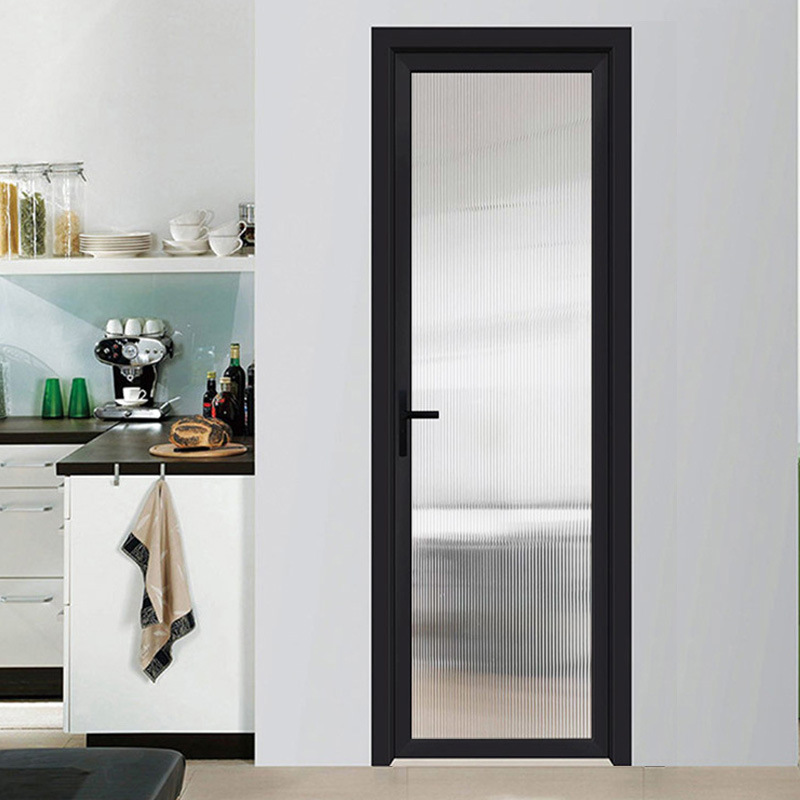
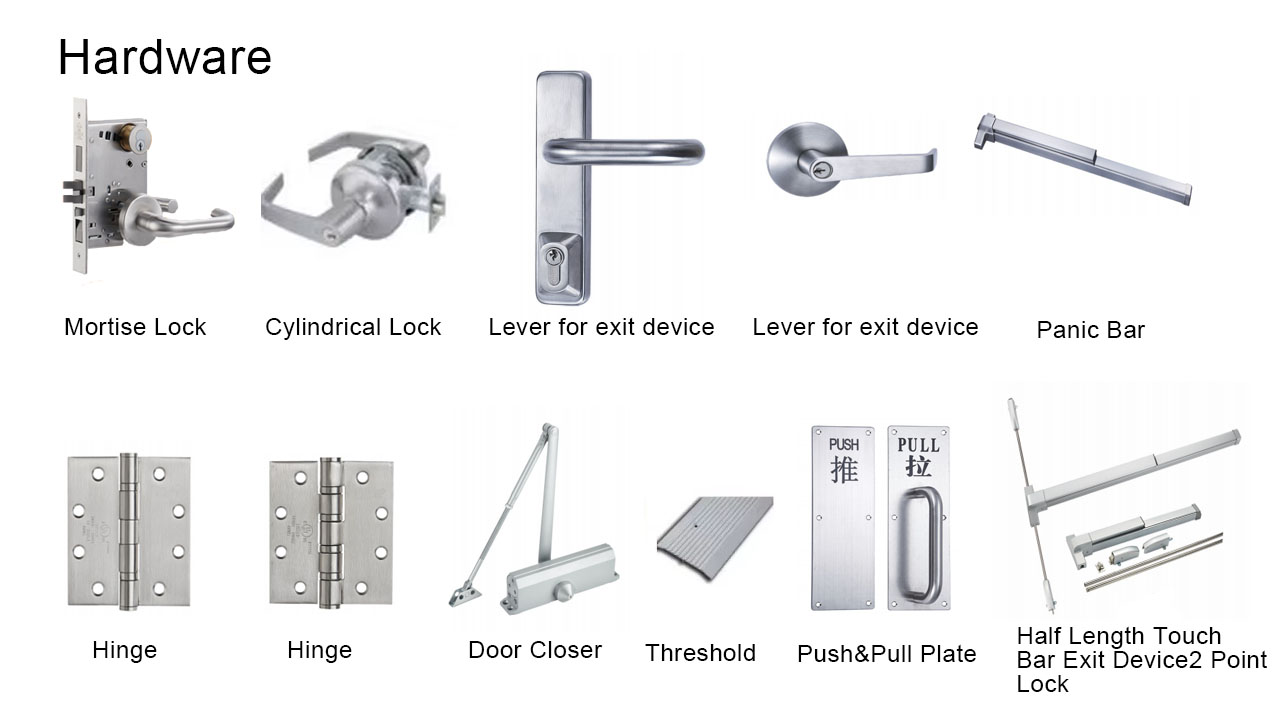
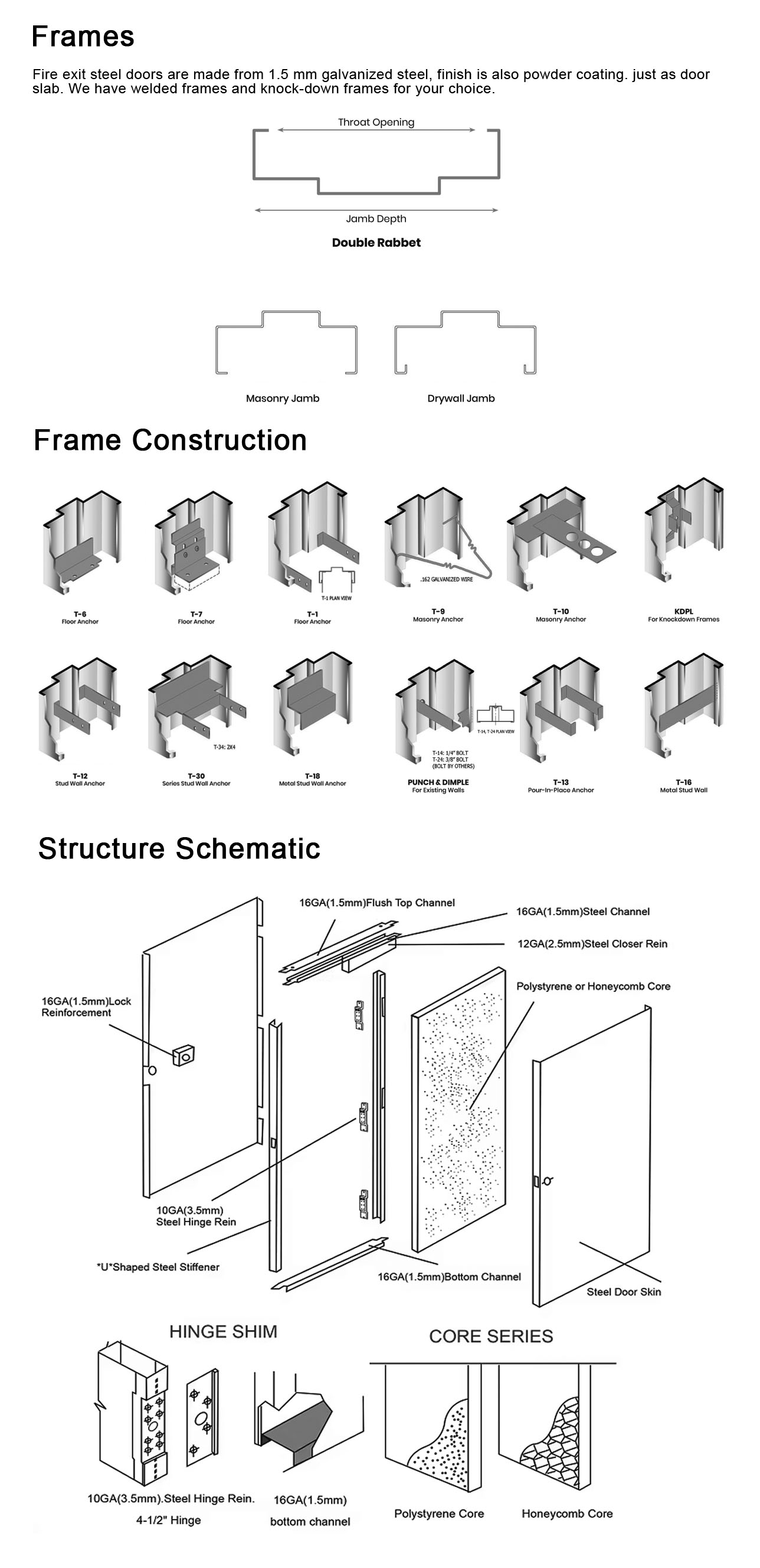
A hollow metal door (also called steel door or commercial hollow metal door) is made from cold-rolled or galvanized steel sheets formed into two face panels with a hollow core (often reinforced with honeycomb, polystyrene, polyurethane, or steel stiffeners). It is the industry standard for commercial, institutional, and industrial applications.
Q2
Are hollow metal doors fire-rated?
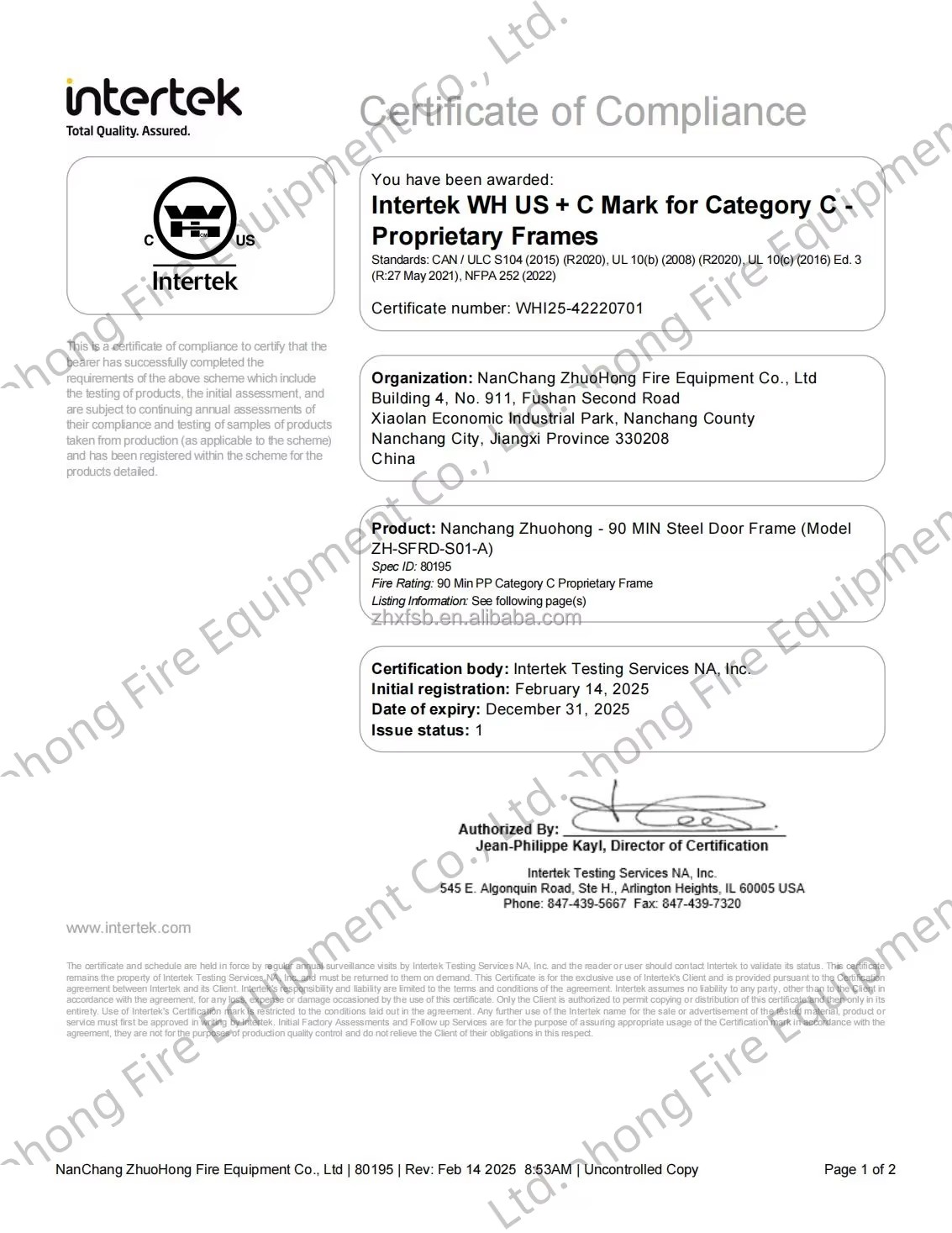
Yes, most are certified for 20 min to 3-hour ratings per UL, NFPA 80, and local codes. Fire-rated versions include intumescent seals and labeled hardware prep.
Q3
Where are hollow metal doors typically used?
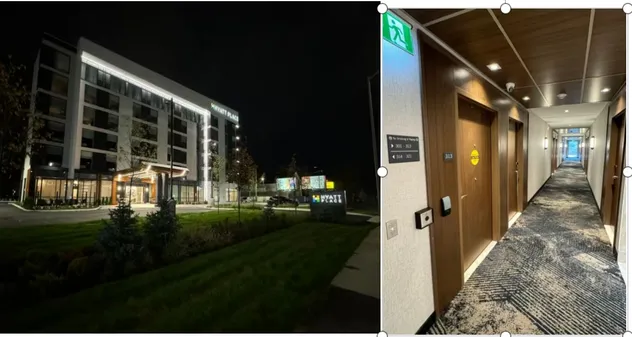
Schools, hospitals, offices, warehouses, hotels, factories, stairwells, corridors, and high-traffic/exterior openings requiring durability, security, or fire protection.
Q4
Can hollow metal doors be customized?
Yes, sizes, hardware preps, finishes (powder coat, stainless), vision lites, louvers, reversible handing, and special cores (acoustic, bullet-resistant) can all be customized.
Q5
What is a reversible hollow metal door leaf and why choose it?
It is a door leaf that can be flipped on-site to change from left-hand to right-hand swing (or vice versa), without ordering specific handing. This allows for more flexible installation, fewer ordering mistakes, less inventory needed, and easy adjustment on the job site.
Q6
What is a knock-down (KD) frame and what are its main benefits?
A frame that ships in separate pieces (head + 2 jambs) and is assembled on-site. Its benefits include cheaper and easier shipping, ability to install after walls are finished, and great suitability for retrofits and non-standard openings.