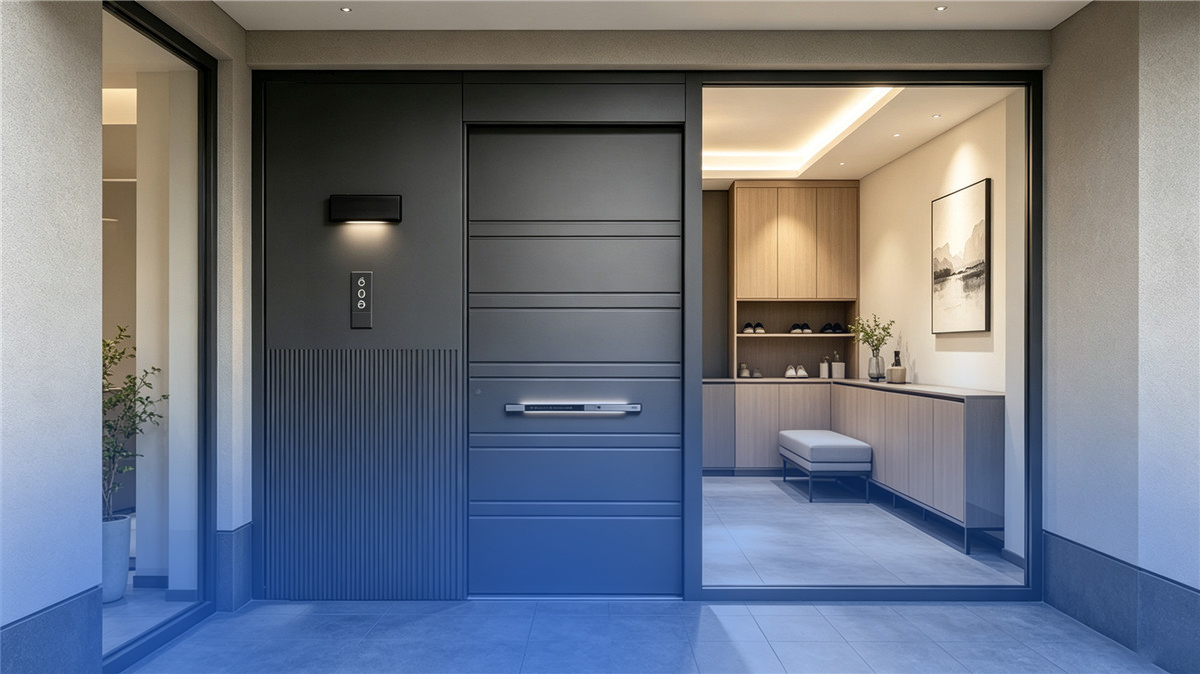
Engineered Architectural Doors & High-Security Systems
From heavy-duty high-speed barrier doors to precision architectural wire mesh hinged portals, our manufacturing facility engineers custom opening systems tested to global hurricane, forced-entry, and weather-resistance standards.
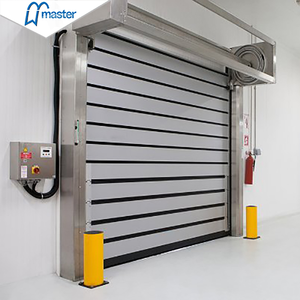
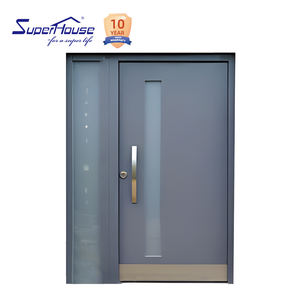
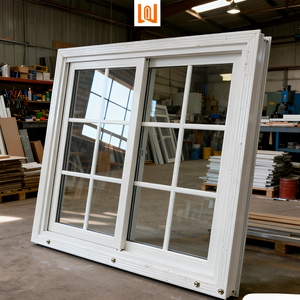
Structural Metallurgy & Security Engineering: Aluminum Mesh Main Doors
In contemporary architectural design, the main entryway acts as the core intersection of structural aesthetics, natural ambient ventilation, and high-impact forced-entry defense. An aluminium mesh door for main door applications is no longer a rudimentary insect barrier; it represents an advanced fenestration sub-assembly engineered with high-yield 6063-T6 structural extrusions, marine-grade AISI 316 woven stainless steel wire mesh, and multi-point perimeter deadbolt mortise mechanics. Sourcing these integrated assemblies requires comprehensive technical due diligence regarding profile wall thicknesses, metallurgical temper designations, mechanical screen retention clamp systems, and galvanic isolation.
Technical Specification Benchmark: Premium-tier security mesh main doors utilize 0.80mm to 1.00mm wire diameter 316 marine-grade stainless steel with a minimum tensile resistance exceeding 900 to 1150 MPa. Coupled with a patented internal mechanical wedging system (eliminating corrosion-prone pop-rivets), these systems pass the Australian Standard AS 5039/5041 dynamic impact and knife-shear thresholds with zero mechanical failure.
Metallurgical Composition and Framing Precision
The structural backbone of our main door systems relies exclusively on virgin billet 6063-T5 and 6063-T6 aluminum alloys. Through advanced multi-cavity hot-extrusion dies, profiles achieve wall thicknesses varying between 2.0mm and 3.5mm across critical structural jambs and stile perimeters. This structural density prevents torsional flex under heavy wind loads and eliminates hinge sag during decades of intensive daily operation.
Unlike standard interior partitions, exterior main doors confront drastic diurnal thermal cycles and atmospheric moisture. Thermal break polyamide strips (PA66GF25 reinforced with 25% fiberglass) are systematically incorporated into our premium insulated series, decoupling the exterior aluminum envelope from the interior living space to achieve low thermal transmittance (U-values below 1.8 W/m²·K) while completely mitigating condensation bridge risks in humid or severe coastal climates.
Corrosion Resistance and the Elimination of Galvanic Interaction
A critical engineering failure mode in low-grade aluminum security doors is galvanic corrosion. When austenitic stainless steel mesh directly contacts aluminum alloy in an electrolyte-rich atmosphere (such as saline coastal fog), an electrochemical differential generates accelerated anodic oxidation of the aluminum frame. Our engineering protocol mandates absolute mechanical decoupling through Santoprene rubber thermal gaskets or continuous virgin PVC insulation channels. Every fastener, hinge pin, and mortise plate is strictly manufactured from 304 or 316 stainless steel, chemically passivated, and isolated with nylon insulators.
For surface finishing, all profiles undergo multi-stage pre-treatment, including chemical etching, deoxidation, and zirconium-based conversion coating, followed by architectural powder coating conforming to AAMA 2604/2605 specifications. Utilizing AkzoNobel or PPG fluoropolymer (PVDF) electrostatic powders, the cured coating thickness measures between 65μm and 90μm, guaranteeing over 3,000 hours of continuous ASTM B117 neutral salt spray endurance without bubbling, peeling, or chalking.
Mechanical Screen Clamping
Our patented dual-wedge compression locking mechanism anchors the 316 mesh into the perimeter frame chamber under high-pressure mechanical tension, distributing impact kinetic energy uniformly without shearing.
Multi-Point Deadbolt Security
Multi-point lock systems drive 20mm stainless steel shoot-bolts simultaneously into top, bottom, and lateral jamb receivers, resisting dynamic pry-bar forces exceeding 4.5 kN to eliminate forced manual intrusion.
Uncompromised Airflow & Optics
High-precision 11-mesh plain weave provides 45% open free airflow area while rendering 75% solar UV shielding and total one-way daytime optical privacy without obstructing outdoor sightlines.
Comprehensive Technical Specification Comparison Matrix
To assist project architects, general contractors, and hardware procurement directors in establishing proper project specifications, the engineering matrix below outlines standard configurations across residential, heavy architectural, and extreme coastal classifications.
| Engineering Attribute | Standard Residential Grade | Architectural Security Grade | Marine & Hurricane High-Spec |
|---|---|---|---|
| Frame Alloy & Temper | 6063-T5 (1.5mm – 1.8mm wall) | 6063-T6 (2.0mm – 2.5mm wall) | 6061-T6 / 6063-T6 Reinforced (≥ 3.0mm) |
| Screen Infill Metallurgy | 304 Grade Stainless (0.7mm wire) | 316 Marine Stainless (0.8mm wire) | 316 Marine Stainless (1.0mm wire) |
| Retention Mechanics | Riveted Internal Lip Channel | Continuous Pressure Wedge Clamp | Patented Interlocking Dual Clamp System |
| AS 5041 Knife Shear Test | Passes 150N Single Pass | Passes 350N Triple Repetitive Stroke | Exceeds 450N Heavy Multi-Directional Cut |
| Dynamic Impact Resistance | 5 Dynamic Blows @ 60 Joules | 5 Dynamic Blows @ 100 Joules | 10 Dynamic Blows @ 150+ Joules (Cyclone NOA) |
| Salt Spray Rating (ASTM B117) | 1,000 Hours (C2/C3 Rating) | 2,000 Hours (C4 Rating) | 3,500+ Hours (C5-M Severe Marine Rating) |
| Locking Integration | Single Point Mortise Latch | 3-Point Shoot-Bolt System | 5-Point Motorized Smart Biometric Mortise |
Procurement & Technological Trends Shaping 2025–2030
Strategic market analysis for developers, commercial wholesalers, and building envelope engineers navigating supply chain optimization, sustainability compliance, and digital security convergence.
1. Low-Carbon Metallurgy & EPD Certification
Global architectural procurement guidelines increasingly demand verified Environmental Product Declarations (EPDs). Future sourcing directs contracts toward smelters using hydroelectric-powered low-carbon primary aluminum billets with over 40% certified post-consumer scrap content to satisfy LEED v4.1 and BREEAM green building certifications.
2. IoT & Concealed Biometric Integration
The standard mechanical lock cylinder is yielding rapidly to embedded mechatronics. Main door profiles now incorporate internal wiring raceways, magnetic reed contacts, and concealable 24V brushless electronic latch actuators compatible with facial recognition, Zigbee/Matter protocols, and decentralized biometric building management systems.
3. Modular Knock-Down (KD) Logistics Design
Soaring oceanic container freight rates require hyper-efficient cubic space utilization. Progressive manufacturers are abandoning fully assembled single-frame shipments in favor of pre-machined, corner-keyed Knock-Down (KD) systems. This proprietary packaging architecture multiplies container loading density by 2.8x without compromising field rigidity.
Why Global Importers Partner With Our Foshan Production Complex
Guangdong Dejiyoupin Doors and Windows Co., Ltd. represents one of China's Top 10 fenestration engineering groups, combining industrial-scale automation with bespoke architectural custom craftsmanship.
180,000 ㎡ Manufacturing Complex
Situated in the heart of China's aluminum industrial cluster (Nanhai District, Foshan), our unified mega-facility houses high-tonnage extrusion lines, CNC precision cutting centers, and automated German robotic coating plants under unified ISO9001 governance.
600+ Skilled Engineers & Artisans
With an engineering and structural R&D team of over 85 dedicated facade specialists, we generate bespoke CAD shop drawings, 3D structural simulations, and BIM files within 24 hours of client opening schedule submissions.
Stringent Global Certifications
Every fenestration line manufactured in our plant holds verified international compliance credentials, including European CE conformity, Australian AS2047 and AS5039 security certifications, and North American UL / AAMA wind and impact listings.
Direct Port Logistics & Protection
With direct deep-water logistics access across major container lines via Nansha, Shekou, and Yantian, each customized door is packaged in heavy export-grade timber crates, interleaved with moisture barriers and custom corner armor for secure transit.
Frequently Asked Questions: Aluminum Mesh Main Doors
Direct answers to the most critical technical, metallurgical, and commercial inquiries submitted by international developers, façade consultants, and regional distributors.
How do you resolve galvanic corrosion between the 316 stainless steel wire mesh and the 6063 aluminum frame?
What international test standards verify that an aluminum mesh door qualifies as a true "Security Door"?
Can custom entrance sizes and specific architectural hinge/pivot hardware be accommodated?
What are the lead times for custom die extrusions, prototype sign-offs, and mass container orders?
How does the screen mesh perform in terms of insect barrier efficiency, solar heat gain, and optical clarity?
What ocean freight packaging protocols are deployed to prevent surface friction and transit deformation?
Request Custom Engineered Door Specifications & Factory Pricing
Connect directly with our Foshan fenestration engineering desk. Submit your door schedules, architectural CAD plans, or tender specifications for immediate technical review, code compliance analysis, and transparent direct-from-manufacturer FOB/CIF quotations.