100%
CE & EN 14351-1 Compliance
180,000㎡
Automated Manufacturing Base
25+ Yrs
Fenestration Engineering Expertise
Rw 42dB
Acoustic Attenuation Rating
Engineered Solutions
Precision-Engineered Bedroom Fenestration Systems
Curated architectural-grade casement, sliding, and panoramic fenestration units tested against wind load, acoustic reverberation, and thermal transfer standards.
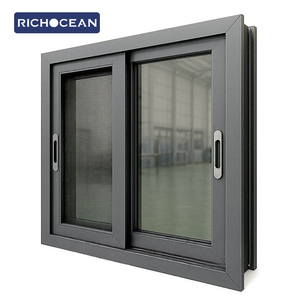
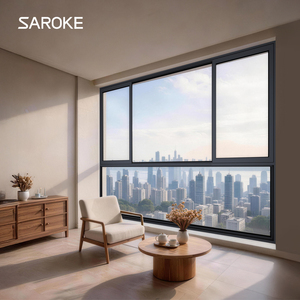
Hurricane Impact
Acoustic Rw40
Custom Windows and Doors Double Glazed Soundproof Glass Windows Hurricane Impact Resistant Aluminium Sliding Window
Get a Quote →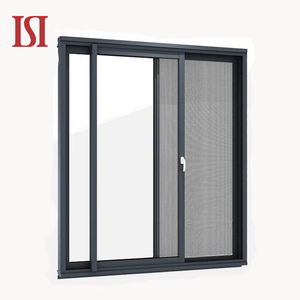
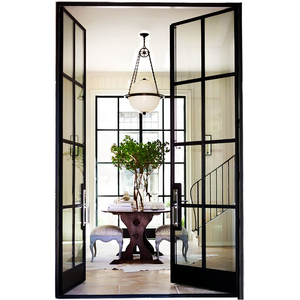
French Swing
Tempered Safety
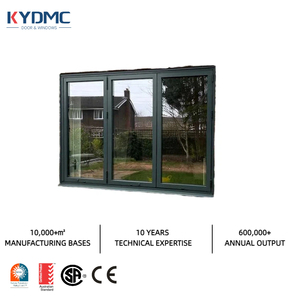
Custom Aluminum Exterior French Door with Tempered Glass Modern Balcony French Swing Door
Get a Quote →The Engineering Reality of CE Certified Bedroom Fenestration
In mid-to-high-rise residential architecture and high-end hospitality construction, specifying fenestration systems for bedrooms demands a distinctly higher threshold of engineering scrutiny than general commercial exterior glazing. Bedroom environments dictate absolute acoustic dampening, non-draft moisture impermeability, and strict cyclical thermal comfort. As seasoned CE certified aluminum bedroom windows manufacturers, our production protocol centers on EN 14351-1:2006+A2:2016, the benchmark European standard establishing performance characteristics for windows and external pedestrian doorsets.
The distinction between baseline residential fabricators and precision tier manufacturers lies within profile metallurgy and multi-chamber thermal breaks. Our fabrication line adopts primary architectural-grade 6063-T5 aluminum alloy extrusions with a nominal wall thickness varying from 1.6mm up to 2.2mm, far exceeding generic lightweight standards. To arrest structural thermal bridging, high-density polyamide isolation bars (PA66-GF25, glass-fiber reinforced at 25%) are crimped pneumatically within internal and external profile extrusions, maintaining U-values as low as 1.1 W/(m²·K) when integrated with Argon-filled insulated glazing units (IGUs).
Acoustic Attenuation (Rw/STC)
Bedrooms require indoor noise thresholds under 30 dB(A). Our asymmetric laminate and acoustic PVB glass makeups decouple vibrational frequencies, eliminating road noise and low-frequency rumble.
Condensation Resistance (CRF)
Internal bedroom moisture from occupants often leads to perimeter mold. Isobar thermal breaks paired with continuous EPDM multi-fin center gaskets keep inner surface temps above dew point.
Mechanical Intrusion Safety (RC2/RC3)
Ground-floor and balcony-adjacent master bedrooms incorporate mushroom-head multi-point perimeter locks and anti-lever hardware that comply with European Class RC2 burglary resistance standards.
Strategic Foresight
Emerging Procurement & Technological Trends (2025–2030)
How statutory green building codes, low-carbon aluminum mandates, and sensory smart-home interfaces are restructuring commercial supply lines.
Triple-Glazed Vacuum Hybrids
Upcoming EU Energy Performance of Buildings Directive (EPBD) revisions are driving the shift toward hybrid glazing. Combining warm-edge spacers with vacuum insulated glass (VIG) yields center-of-glass U-values under 0.6 W/(m²·K) within standard profile sash depths.
Low-Carbon Circular Aluminum (ASI)
Global procurement teams prioritize structural extrusions refined using hydroelectric or solar energy. Sourcing post-consumer recycled billeting limits embodied carbon to under 4.0 kg CO2e/kg Al, fulfilling stringent BREEAM and LEED v4.1 certifications.
Smart Micro-Ventilation Systems
Airtight building envelopes introduce indoor CO2 accumulation risks during sleep cycles. Advanced procurement specifications call for sash-integrated trickle vents with acoustic baffling and motorized tilt actuators linked to KNX or Zigbee building management systems.
Manufacturing Authority
Guangdong Dejiyoupin Doors & Windows Co., Ltd. (DERCHI)
Ranked among the Top 10 door and window brands in China, DERCHI brings over 25 years of specialized fenestration engineering to global development sites. Spanning our 180,000㎡ precision manufacturing hub in Foshan, our operations incorporate German profile machining centers, automated glass lines, and climate simulation laboratories.
- Over 100 patents and international system tests (CE, ISO9001, AS2047, CSA, NFRC).
- Certified compliance with highest Australian AS2047 N6 cyclonic testing requirements.
- Full-schedule fabrication: bedroom windows, impact pivot doors, exterior French entries.

Procurement Clarification
Frequently Asked Questions on Aluminum Bedroom Windows
Direct technical answers addressing structural calculation, surface durability, customs documentation, and containerized dispatch.
What specific standards must a manufacturer fulfill to label aluminum windows as CE Certified? +
Under the EU Construction Products Regulation (CPR 305/2011), the harmonized standard EN 14351-1 governs windows and external doors. A compliant manufacturer must maintain a documented Factory Production Control (FPC) system, perform Initial Type Testing (ITT) through an accredited Notified Body (covering air permeability EN 1026, watertightness EN 1027, wind load resistance EN 12211, and thermal transmittance EN ISO 10077-1), and issue an authentic Declaration of Performance (DoP) accompanied by CE markings on profile perimeters and crating.
How do you configure acoustic glazing for high-noise urban master bedrooms? +
Symmetric double-glazing (such as 6mm + 12A + 6mm) fails to isolate traffic rumble due to coincident resonance frequencies. To reach sound transmission classes above Rw 40dB - 44dB, we engineer asymmetric configurations: for example, 8.76mm acoustic laminated glass (4mm glass + 0.76mm acoustic PVB interlayer + 4mm glass) paired with a 16mm warm-edge gas-filled cavity, back-paneled with 6mm tempered glass. Combined with multi-compression EPDM vulcanized corner gaskets, sound flanking is prevented.
What surface treatment avoids peeling or chalking in coastal and high-UV projects? +
For maritime microclimates within 5 kilometers of coastlines, standard architectural powder coatings are insufficient. We apply Class 2 Qualicoat-certified superdurable polyester powders or 3-coat/2-bake Polyvinylidene Fluoride (PVDF) fluorocarbon liquid coatings exceeding AAMA 2605 requirements. This delivers resistance against saline attack and chalking, maintaining color stability and mechanical film adhesion under continuous tropical solar exposure.
Can custom bedroom fenestrations integrate built-in blinds or security insect screens? +
Yes. Our structural extrusion channels accommodate dual-action integration: high-tensile 304 marine-grade stainless steel wire diamond mesh (anti-theft and insect barrier) or internal motorized/magnetic Venetian blinds sealed hermetically inside the 27mm double-glazed IGU airspace. This eliminates cleaning requirements and fabric degradation while providing blackout capabilities for hospitality and residential applications.
What is the standard production lead time and sea freight protection protocol? +
Custom engineered architectural orders are typically completed within 25 to 35 business days following CAD shop-drawing and finish sign-off. For long-haul intermodal shipping, all units receive a peelable protective surface film, corner rubber caps, shrink-wrapped desiccant packaging, and full-enclosure fumigated plywood crates or galvanized steel stillages. This prevents transit-induced racking, glass delamination, and humidity corrosion across maritime routes.