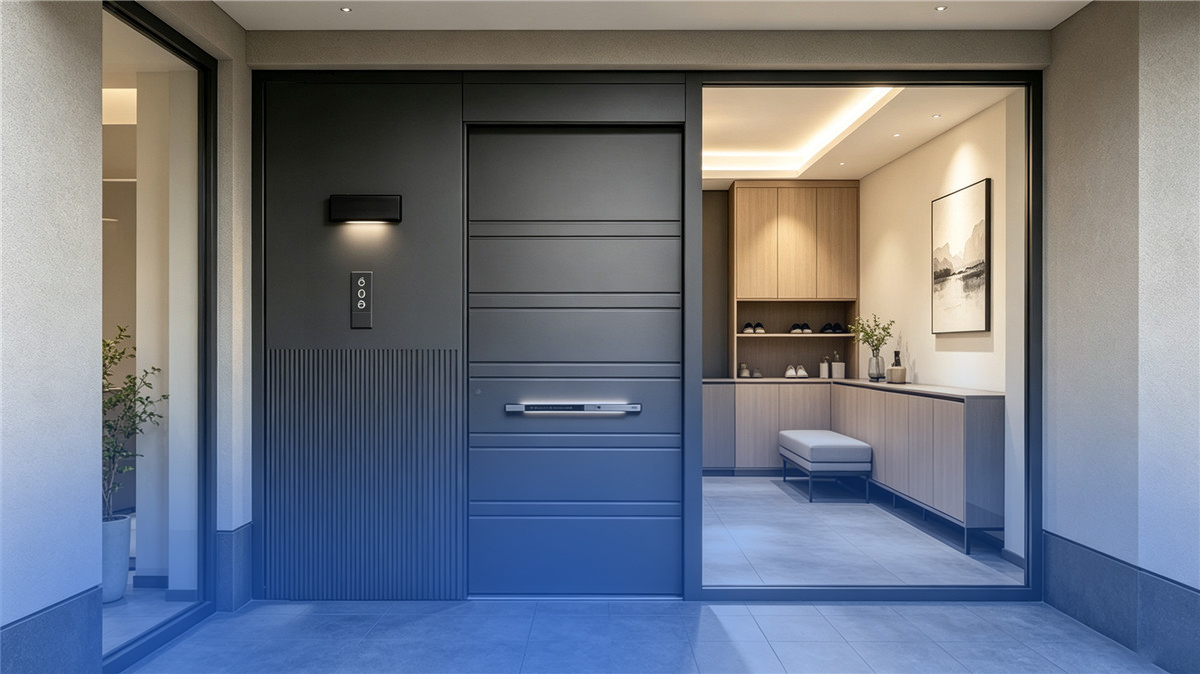
Engineered Aluminium Heavy Door & Fenestration Systems
High-inertia architectural assemblies engineered for severe wind-load resistance, acoustic isolation, and superior cyclical endurance across luxury residential and commercial structures.
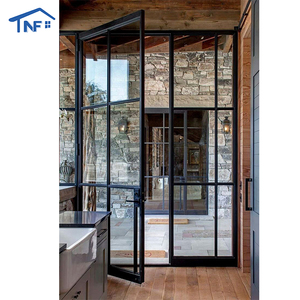
- Profile: 6063-T6 Polyamide Thermal Break
- Locking: Multi-Point Perimeter Espagnolette
- Glazing: Double Tempered Low-E Argon Fill
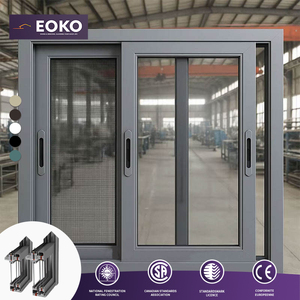
- Thermal Break: 24mm PA66 GF25 Insulation Bar
- Water Tightness: 450 Pa Static Pressure Rating
- Roller System: Stainless Steel Dual Bogie Rollers
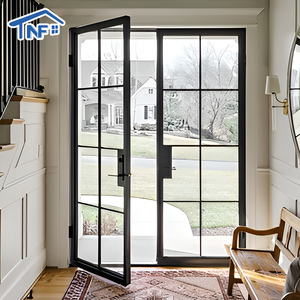
- Sightline: Ultra-Narrow 28mm Architectural Bevel
- Gaskets: Continuous Co-Extruded EPDM Seals
- Application: Villa Wine Cellar & Acoustic Partition
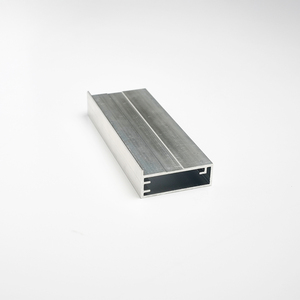
- Anodizing: 25-Micron Architectural Satin Finish
- Hinges: Integrated Concealed Hydraulic Damping
- Durability: 100,000 Verified Dynamic Cycles
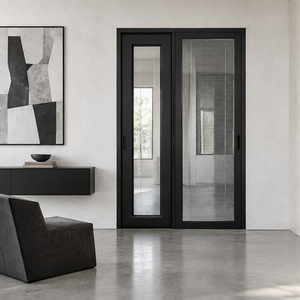
- Impact Rating: ASTM E1886 / E1996 Large Missile D
- Structural Wall: Heavy-Duty 3.0mm Primary Web
- Lamination: SentryGlas (SGP) Interlayer Structural Core
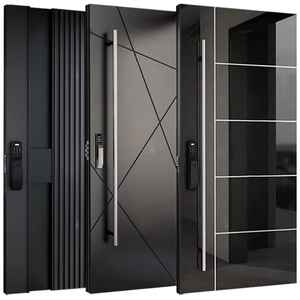
- Bearing Capacity: German Hydraulic Pivot to 800 kg
- Dimensions: Heights up to 6000 mm Engineered
- Security: Motorized Tri-Point Electromechanical Lock
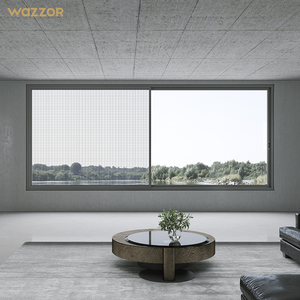
- Thermal Values: U-Factor ≤ 0.28 BTU/(hr·ft²·°F)
- Infiltration: Air Leakage ≤ 0.1 cfm/ft² (Class 4)
- Hardware: Solid Extruded Aluminum Flush Latches
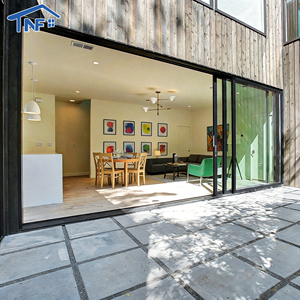
- Operating Mechanism: De-Gasketed Lift & Glide System
- Sash Weight: Up to 450 kg Smooth Manual Traverse
- Acoustics: Rw 42 dB Lab-Verified Attenuation
Engineering Authority: Metallurgical Integrity and CE Certification (EN 14351-1)
In high-specification commercial developments and expansive residential envelopes, procuring an architectural CE Certified Aluminium Heavy Door is an exacting engineering calculation rather than a purely aesthetic decision. The primary structural framing relies on primary billet 6063-T6 or 6061-T6 metallurgical extrusions, precision-alloyed with controlled magnesium and silicon ratios to guarantee tensile strengths surpassing 205 MPa and yield strengths exceeding 170 MPa. This structural rigour prevents perimeter frame flexing when sashes accommodate monolithic insulated glass units (IGUs) weighing upwards of 400 to 800 kilograms.
European Standard EN 14351-1:2006+A2:2016 establishes mandatory performance baselines for external pedestrian doorsets. Under these testing regimes, our manufactured assemblies undergo severe cyclic testing within pressurized multi-chamber test rigs:
- Resistance to Wind Load (EN 12210): Verified to Class C5/B5 parameters, sustaining positive and negative structural test pressures up to 3000 Pa (±P1, P2, P3) without permanent frame deflection exceeding L/300.
- Watertightness Under Dynamic Driving Rain (EN 12208): Achieving Class E1500 performance, maintaining seal integrity up to 1500 Pa of differential water head via dual EPDM vulcanized continuous corner weld gaskets and concealed sub-sill weep valves.
- Air Permeability (EN 12207): Classified at Class 4, restricting parasitic infiltration to less than 3 m³/(h·m²) under 600 Pa test overpressure, drastically mitigating building HVAC energy leakage.
- Thermal Transmittance (EN ISO 10077-1/2): Engineered polyamide thermal isolation zones (PA66 GF25 reinforced with 25% structural fiberglass) yielding overall system performance values of $U_d \le 1.1\text{ W}/(\text{m}^2\cdot\text{K})$.
| Performance Attribute | Standard Protocol | Conventional Commercial Door | DERCHI Engineered Heavy Door |
|---|---|---|---|
| Alloy Specification | EN 573-3 / ASTM B221 | Recycled 6063 Scrap Blends | Virgin A00 Ingot 6063-T6 / 6061-T6 High-Tensile |
| Wall Thickness (Primary Web) | EN 12020-2 | 1.4 mm – 1.6 mm | 2.2 mm – 3.5 mm Heavy Structural Wall |
| Water Tightness Rating | EN 12208 / AS 2047 | Class 4A (150 Pa) | Class E1500 (1500 Pa Exceptional Exposure) |
| Operating Dynamic Fatigue | EN 1191 / EN 12400 | 20,000 cycles | 100,000 to 200,000 Cycles Verified |
| Surface Protective Coating | Qualicoat Class 2 / AAMA 2605 | Standard Polyester (60 μm) | PVDF Fluorocarbon (3-Coat ≥40 μm) / 25 μm Anodized |
Comprehensive Factory Strength: Guangdong Dejiyoupin Doors and Windows Co., Ltd.
Originating from Foshan, Guangdong—the epicentre of advanced global aluminium engineering—Guangdong Dejiyoupin Doors and Windows Co., Ltd. (operating internationally under the prestigious DERCHI brand) commands an ultra-modern 180,000-square-meter intelligent production hub. Staffed by an elite team of over 600 structural specialists, design technicians, and master fabricators, our facility bridges heavy architectural craftsmanship with automated German CNC 5-axis profile machining centres.
Recognized as one of the Top 10 High-End Fenestration Brands in China, our enterprise possesses more than 100 invention patents, utility model patents, and international certifications—including European CE Declaration of Performance (DoP), ISO9001 Quality Management System, Australian AS2047/AS1288 certification (passing the severe cyclonic N6 wind-load regime), and North American UL Fire-Rated classifications. For engineering project specifiers, EPC contractors, and multinational developers, this extensive operational footprint guarantees factory-direct consistency, integrated logistics scheduling, and traceable raw-material certification from ingot smelting through export delivery.
Future Procurement & Technological Trends (2026–2035)
The global facade sector is navigating transformative structural evolutions. Strategic procurement teams must account for these four macroeconomic and technological shifts when specifying aluminium heavy doors.
1. Monolithic Over-Sized Pivots with Magnetic Levitation
Architectural demand is moving toward expansive spans exceeding 4000mm to 6000mm clear opening heights. Traditional bottom-roller pins are increasingly supplanted by concealed floor-embedded mechanical closers and magnetic-assisted levitation hinges that reduce frictional torque by 70%, allowing 600kg leaves to be engaged with under 15 Newtons of opening force.
2. Embedded IoT & Motorized Mechatronic Multipoint Locking
Physical cylinder keys are being phased out in institutional and luxury architectural scopes in favor of motorized multi-point perimeter deadbolts rated to European RC3 and RC4 burglar resistance. Smart systems integrate directly into BACnet, KNX, or Modbus building management networks, triggering millisecond unlatching via encrypted facial recognition or biometric scanners.
3. Decarbonized Low-Embodied-Carbon Circular Billet
Stringent ESG criteria, EU Carbon Border Adjustment Mechanisms (CBAM), and LEED v4.1/BREEAM rating systems demand verified Environmental Product Declarations (EPDs). Specifiers now actively favor door extrusions smelted using hydroelectric energy, capping embodied carbon under 4.0 kg CO2e per kg of primary aluminium, compared to global coal-smelted baselines of 16-20 kg CO2e/kg.
4. Resilient Envelope Adaptation: Cyclone & Marine Salinity
Global coastal urban development faces escalated meteorological disruptions. Heavy doors are now mandated to pass severe large-missile impact testing (ASTM E1996 / Florida Building Code TAS 201/202/203) alongside continuous 3000-hour neutral salt-spray (NSS ISO 9227) surface qualification, ensuring no electrolytic blistering occurs in aggressive saline coastal climates.
5. Standardized Pre-Engineered BIM / CAD Modularization
Procurement efficiency has migrated from manual on-site measurements to algorithmic parametric design. General contractors expect native Autodesk Revit and IFC files featuring integrated thermal boundary lines, dynamic opening geometry, and anchorage schedule parameters before releasing procurement deposits, shortening construction lead times by up to 35%.
Frequently Asked Questions: Global Industrial Sourcing
Critical engineering, logistics, and compliance inquiries answered for commercial project managers, facade engineers, and procurement directors.
What specific documentation constitutes legitimate CE certification for architectural aluminium heavy doors?
How does the factory prevent electrolytic corrosion between stainless steel hardware and aluminium frames?
What are the maximum manufactured dimensional thresholds for DERCHI heavy pivot and sliding doors?
How does the factory ensure export packaging prevents glass fracture and extrusion abrasion over long transit routes?
Can DERCHI formulate custom fluorocarbon (PVDF) architectural finishes to match specific RAL or AAMA guidelines?
What structural anchor methodologies are recommended for mounting heavy doors to steel, concrete, or light-gauge structures?
Collaborate Directly with DERCHI's Engineering Team
Whether you require CAD shop drawings for custom monumental pivot entrances, full-container load CIF quotations for multi-unit developments, or CE/AS2047 test data for project consultants—our technical engineering team provides rapid 24-hour turnaround.