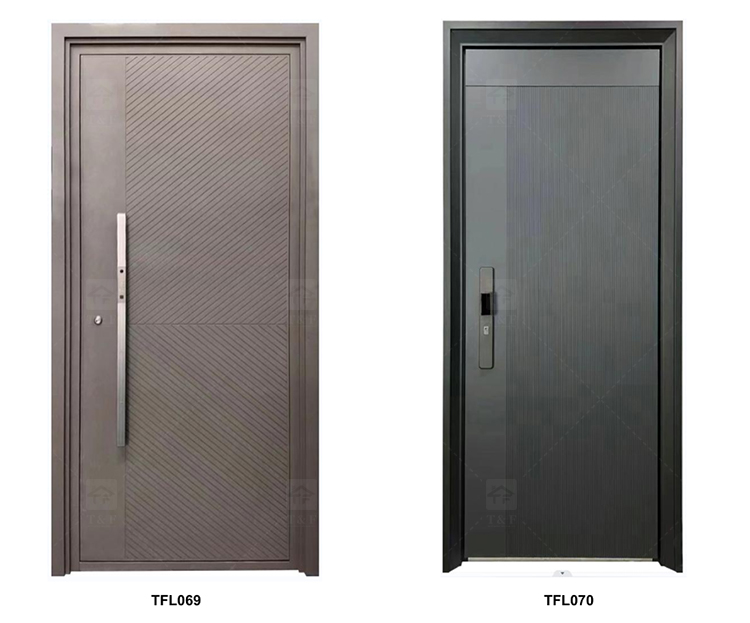
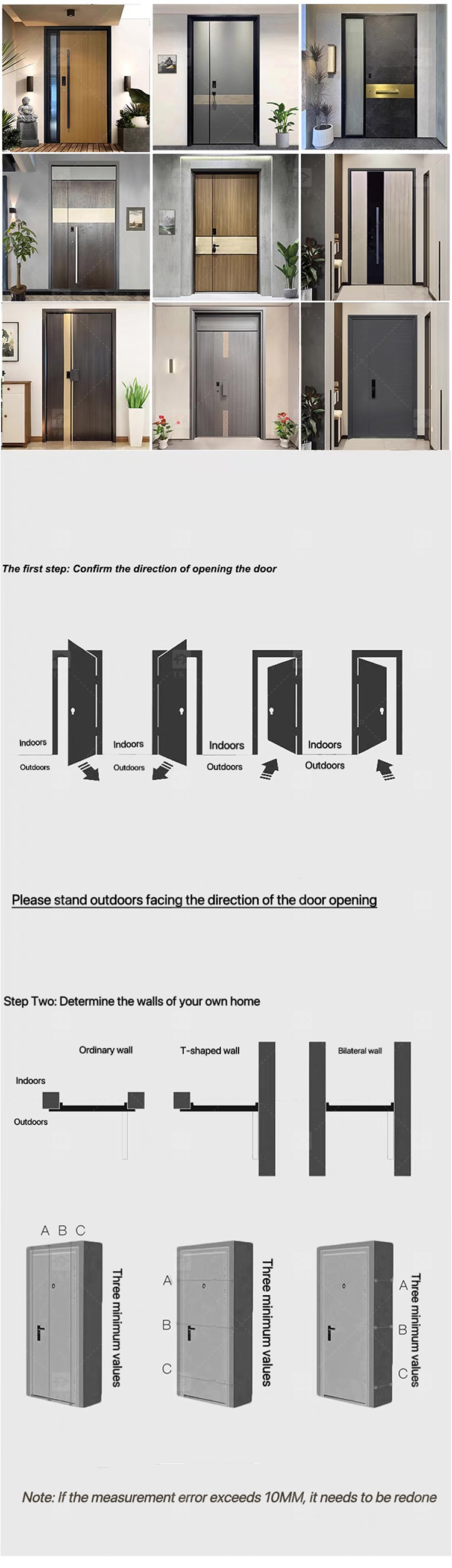
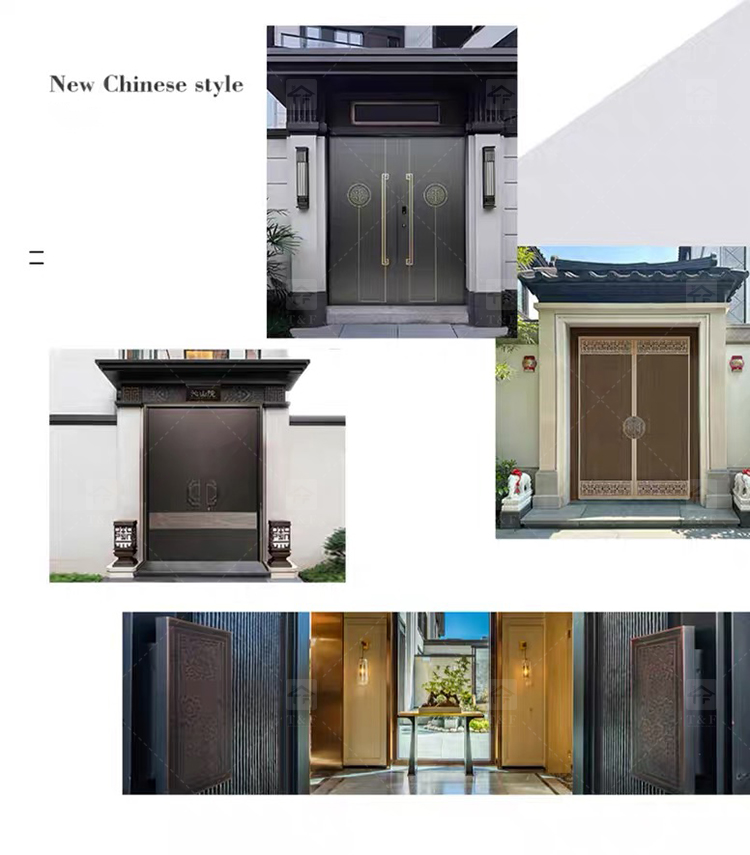
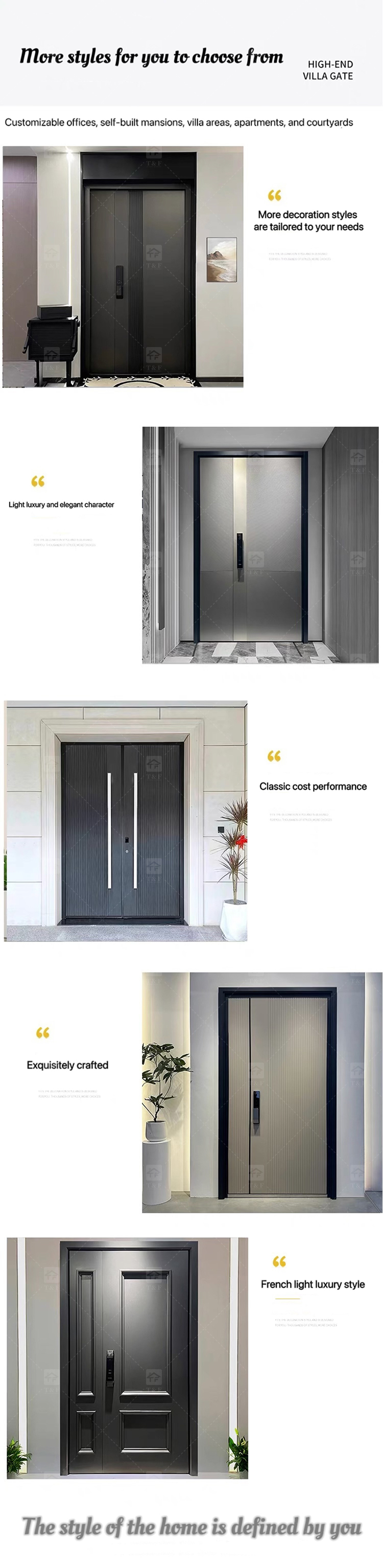
Q1 What materials are commonly used for French doors?
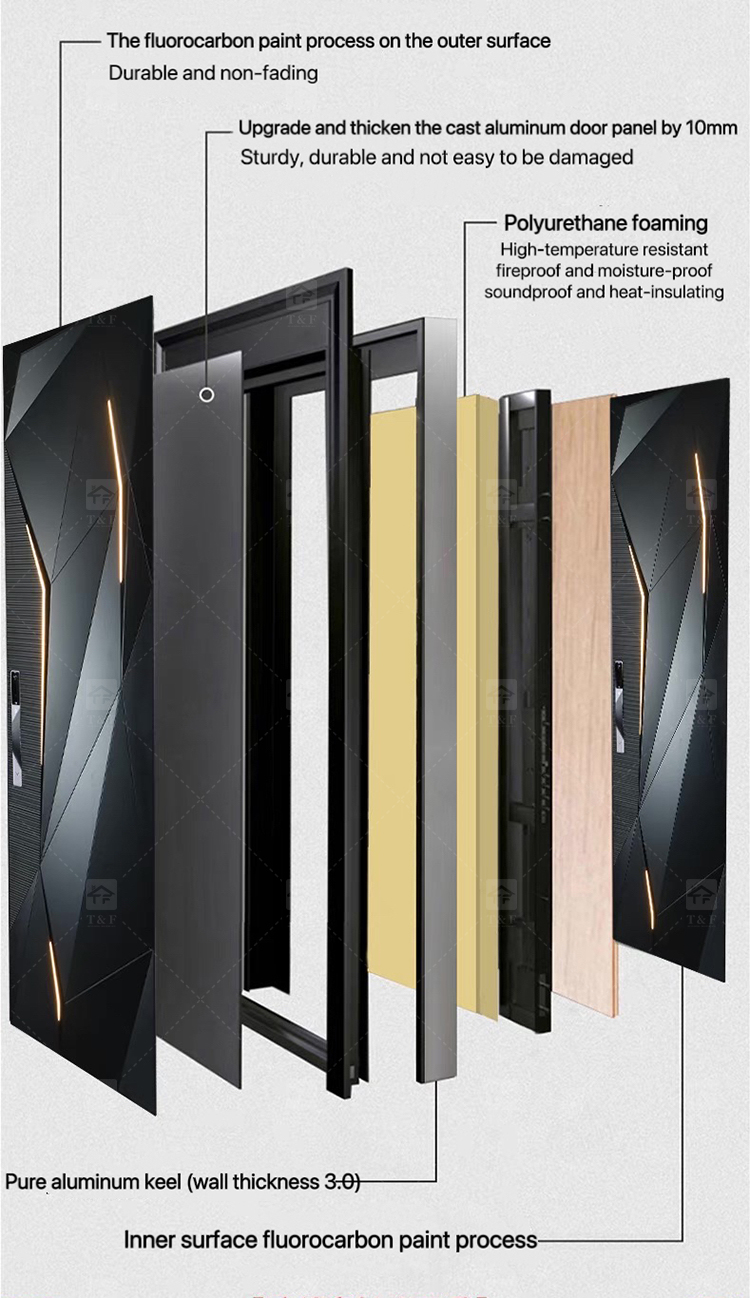
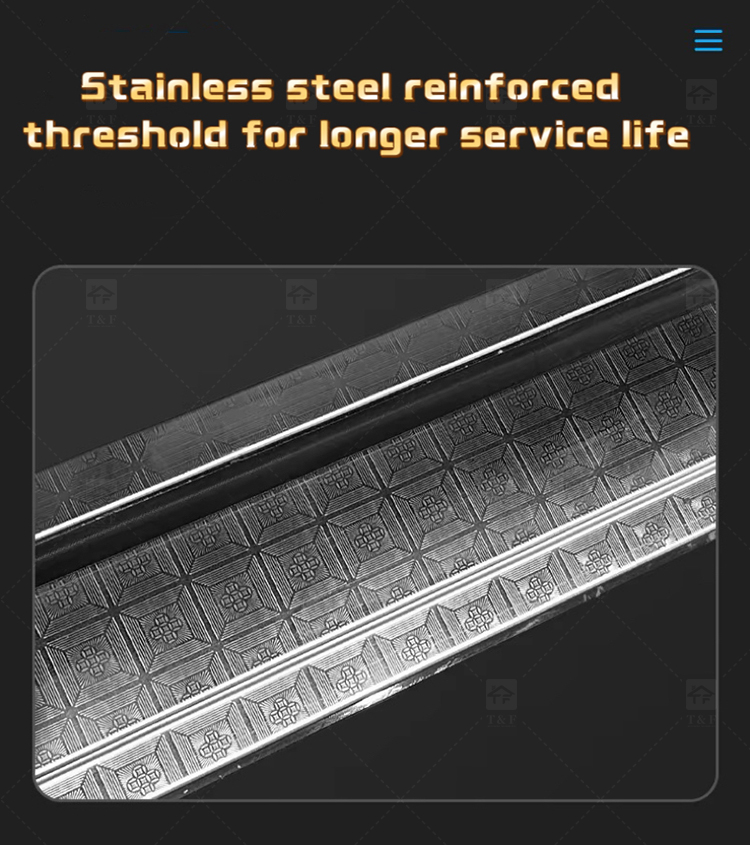
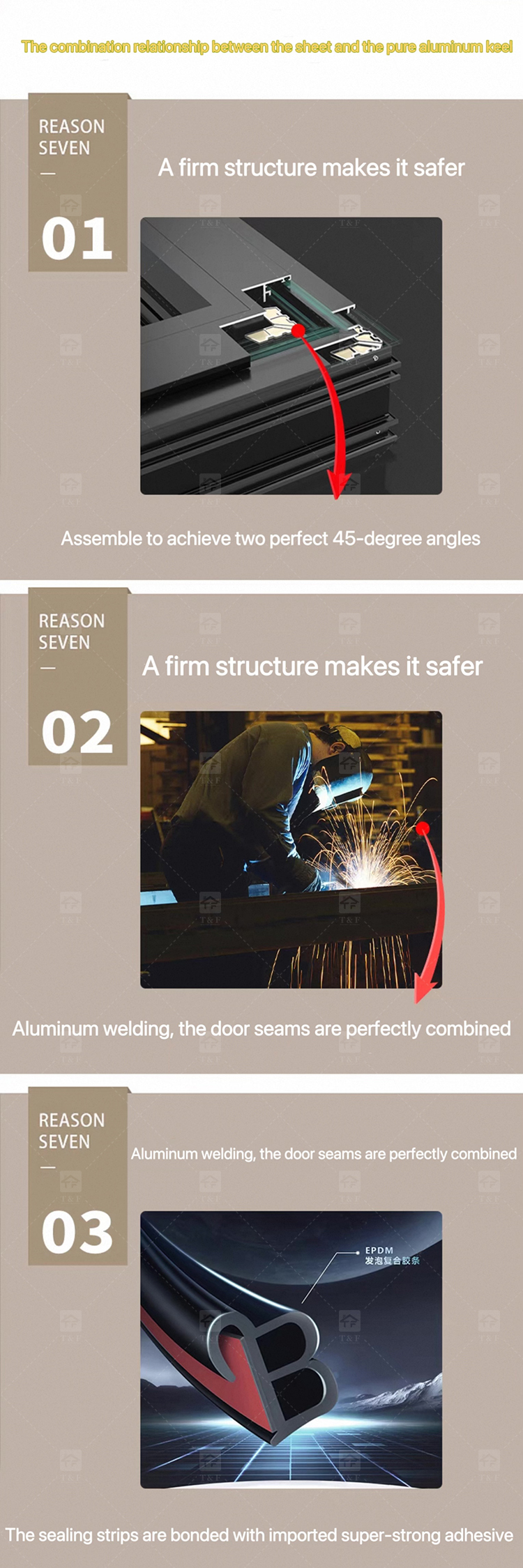
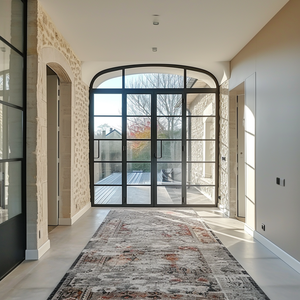
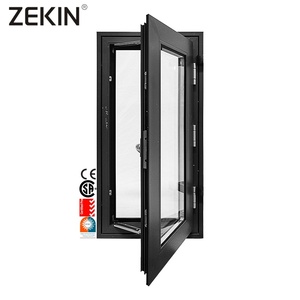
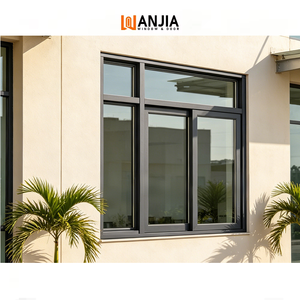
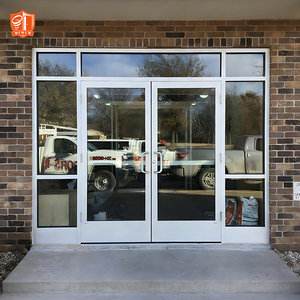
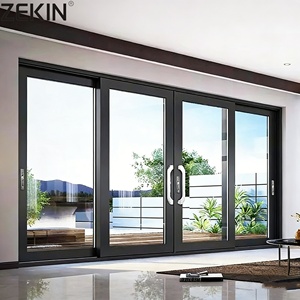
French doors are commonly made from materials like wood, aluminum, uPVC, and fiberglass. Each material offers different benefits such as durability, insulation, and aesthetic appeal. The choice of material can affect the door's price, maintenance, and suitability for different climates.
Q2 What customization options are available for French doors?
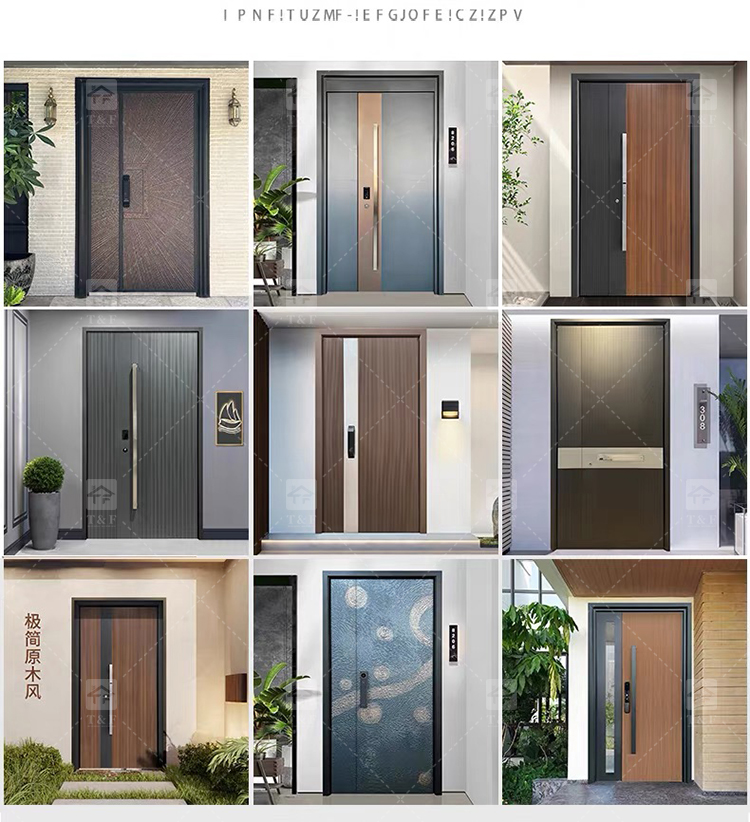
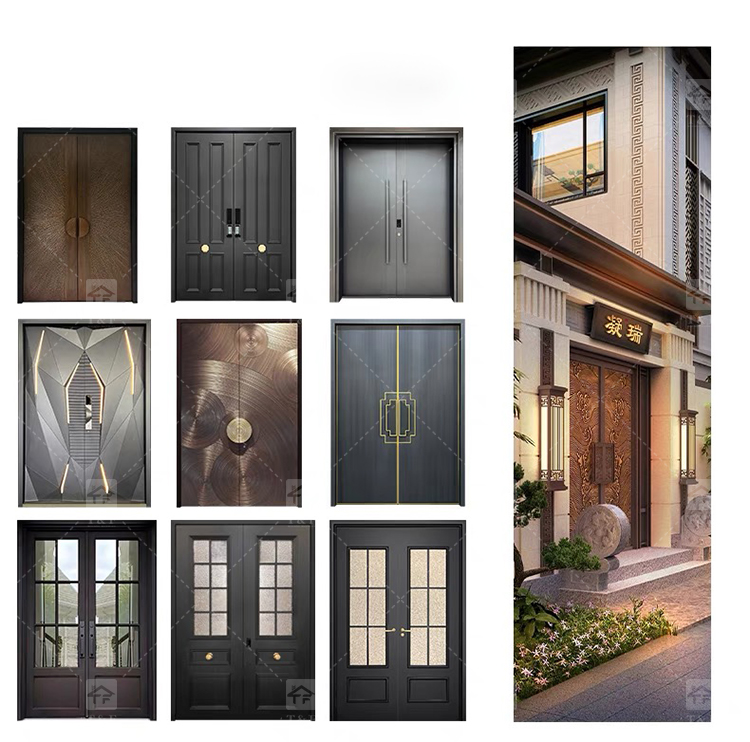
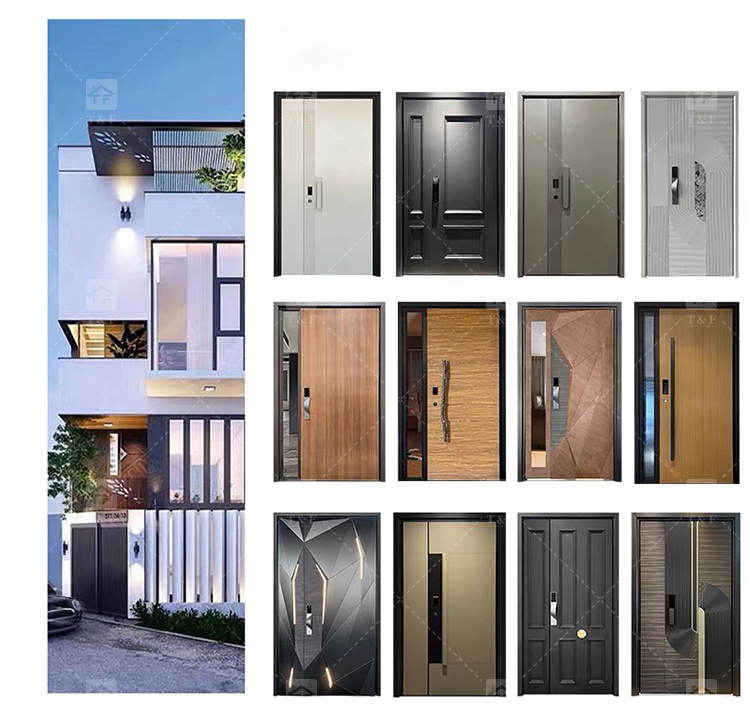
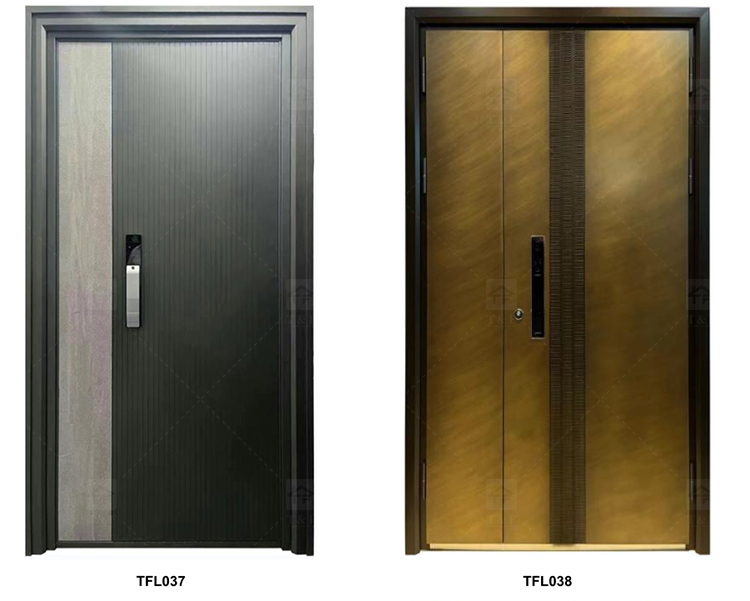
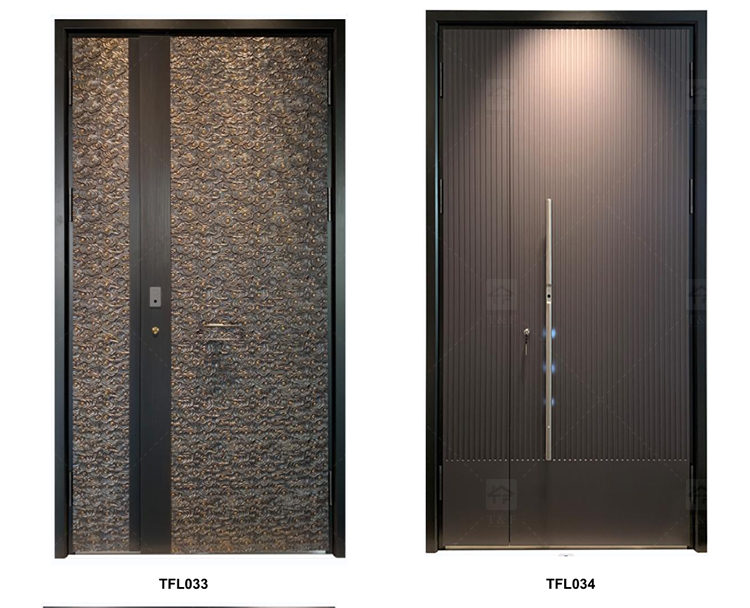
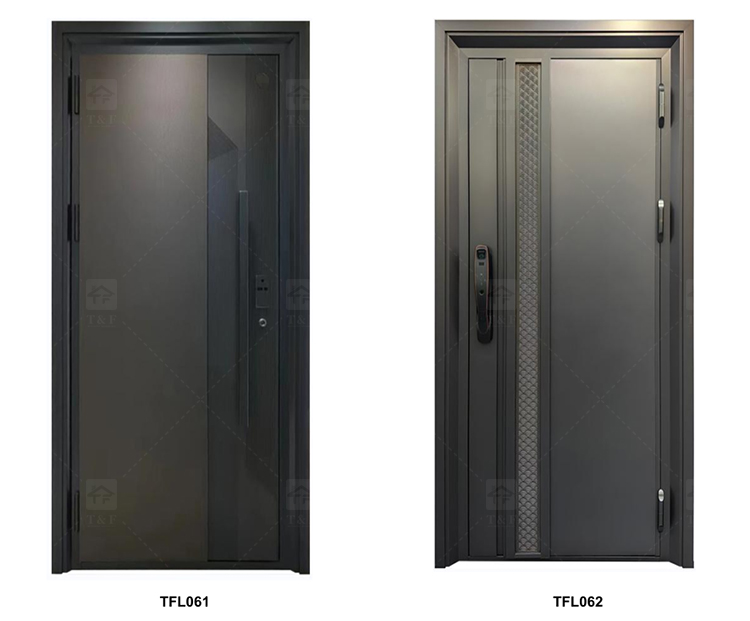
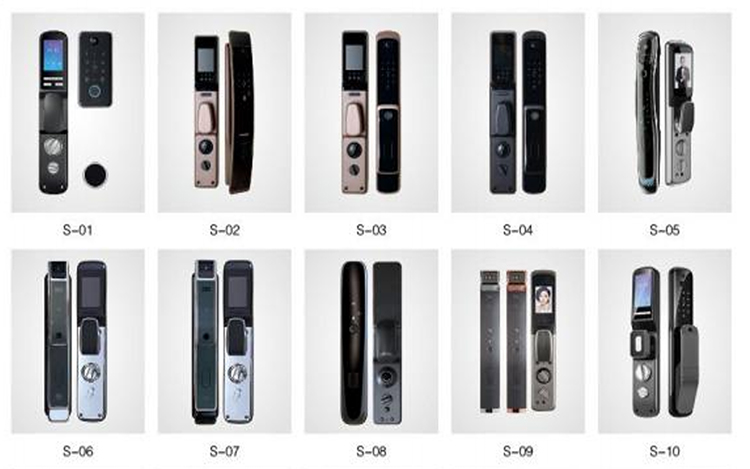
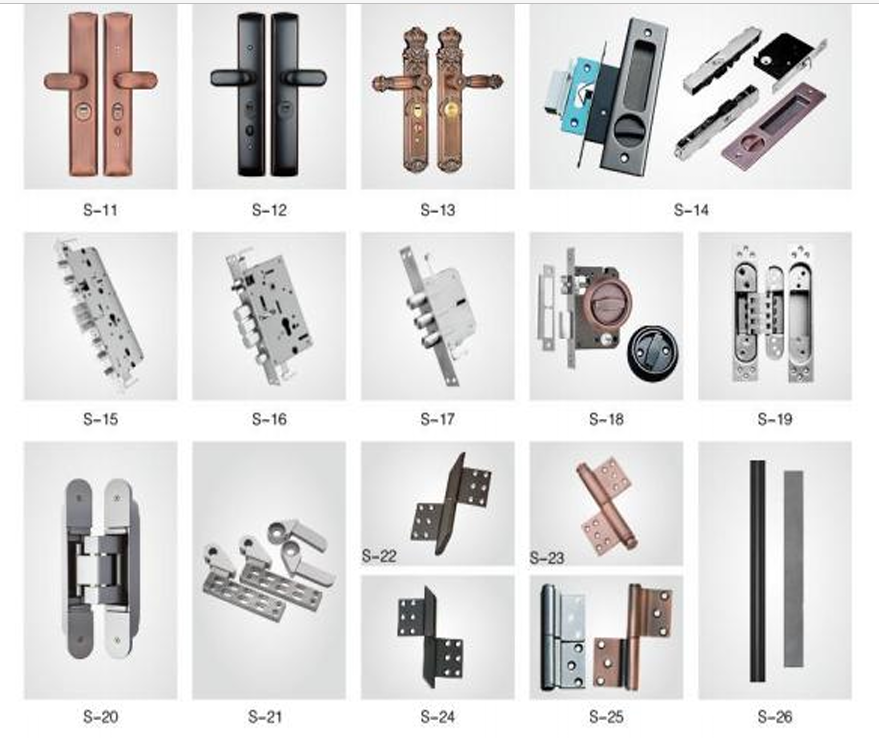
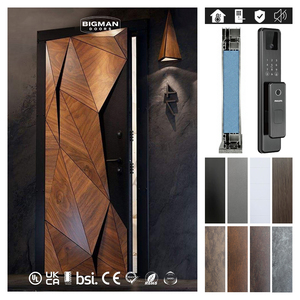
Customization options for French doors include size, color, glazing type (single, double, or triple), grille patterns, hardware (handles, locks), and finishes. Buyers can also request specific materials or designs to match their architectural style or personal preferences.
Q3 Are French doors energy-efficient?
French doors can be energy-efficient if they are made with insulated glass, weatherstripping, and thermally broken frames. It's important to choose doors with a low U-value and consider options like double or triple glazing to improve thermal performance.
Q4 How secure are French doors?
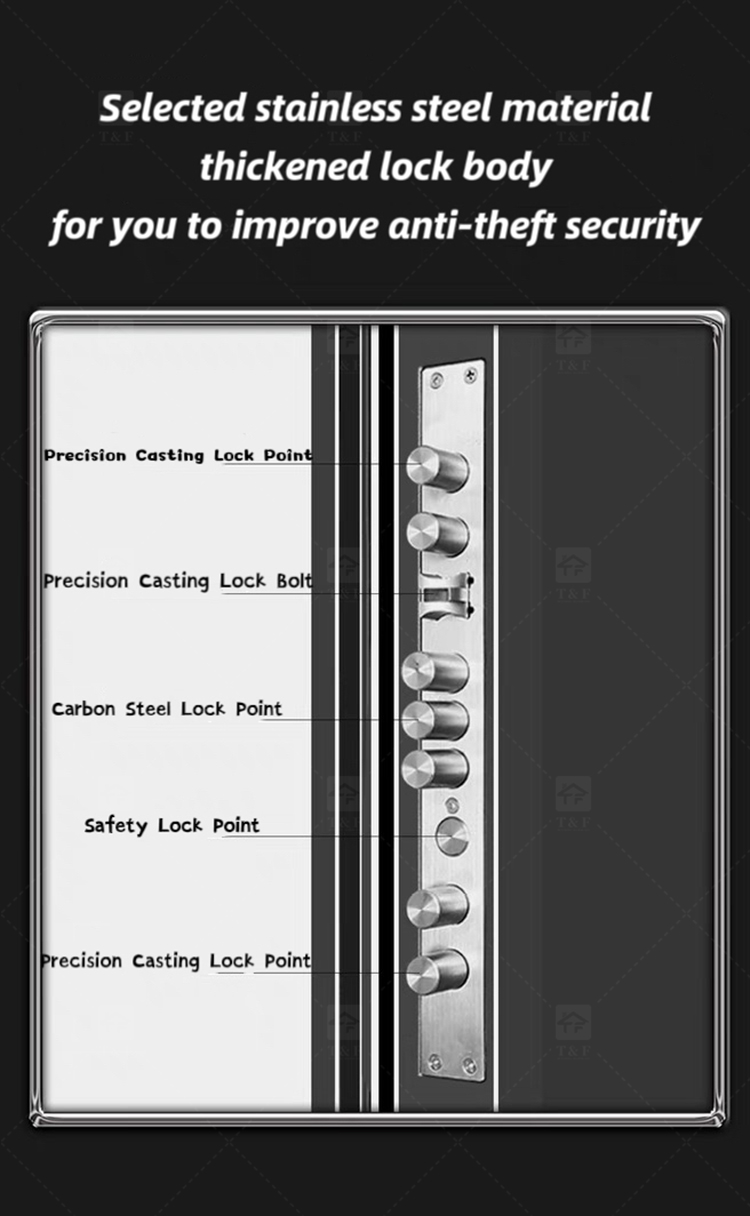
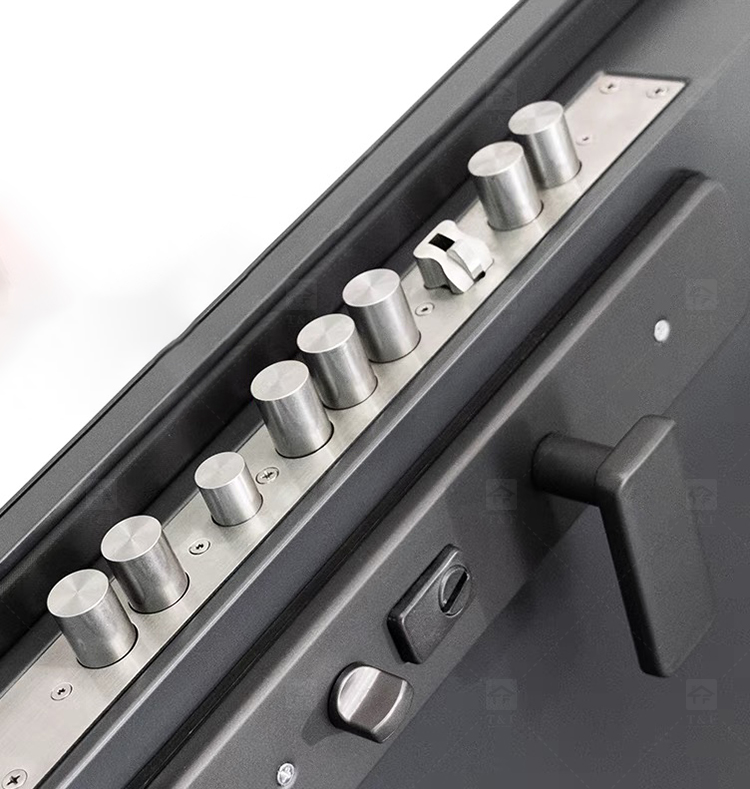
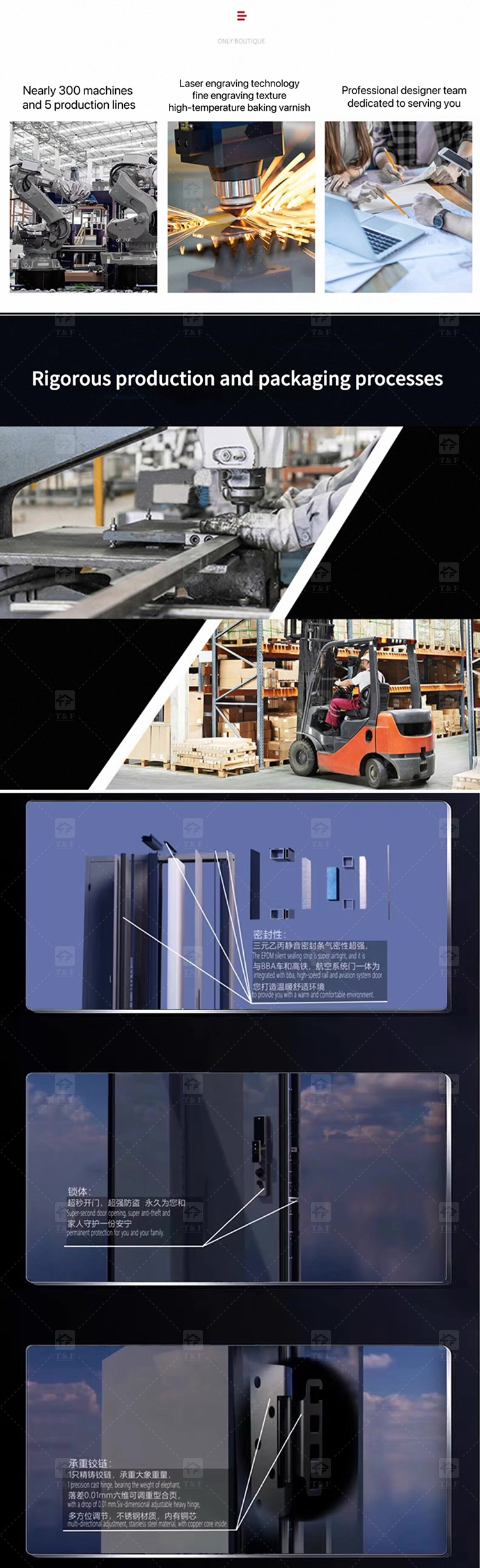
French doors can be very secure if they are equipped with multi-point locking systems, reinforced frames, and laminated or tempered glass. Security features like mushroom-head locking points and security hinges can further enhance protection against forced entry.
Q5 Can French doors be used as exterior doors?
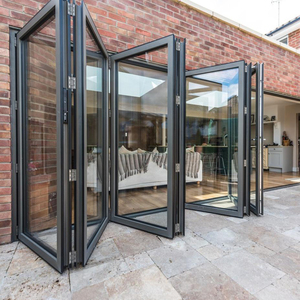
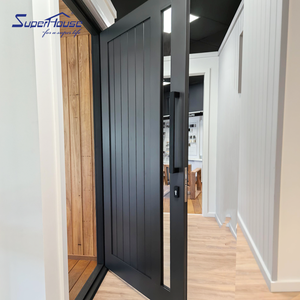
Yes, French doors can be used as exterior doors. They are often used for patios, balconies, or garden entrances. When used as exterior doors, it's important to ensure they are weather-resistant, well-insulated, and secure to withstand outdoor conditions.
Q6 What is your MOQ, delivery terms, and pre-delivery inspection policy?
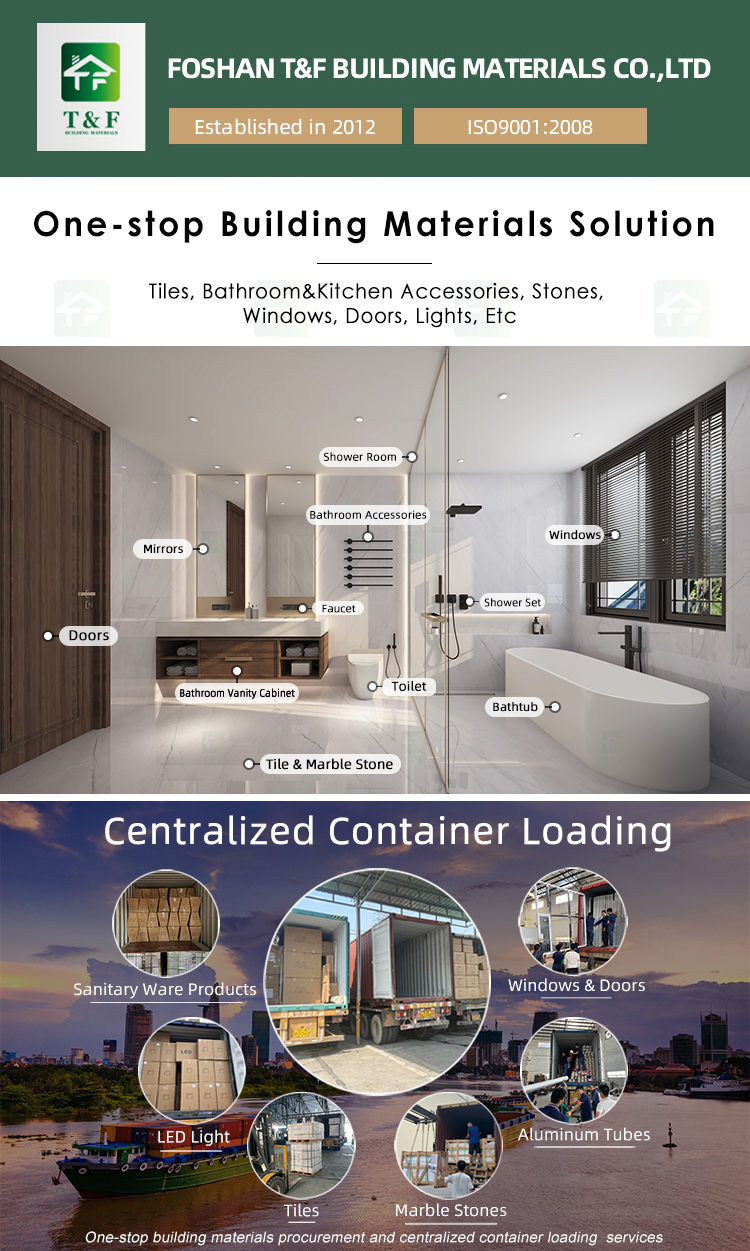
If you have an agent in China, 1 piece is acceptable; otherwise, a 20ft container is recommended. We offer Door-to-Door (DDP) service. Pre-shipment inspection is welcomed; our factory also features an internal professional quality inspection team to ensure all goods meet high quality standards before dispatch.