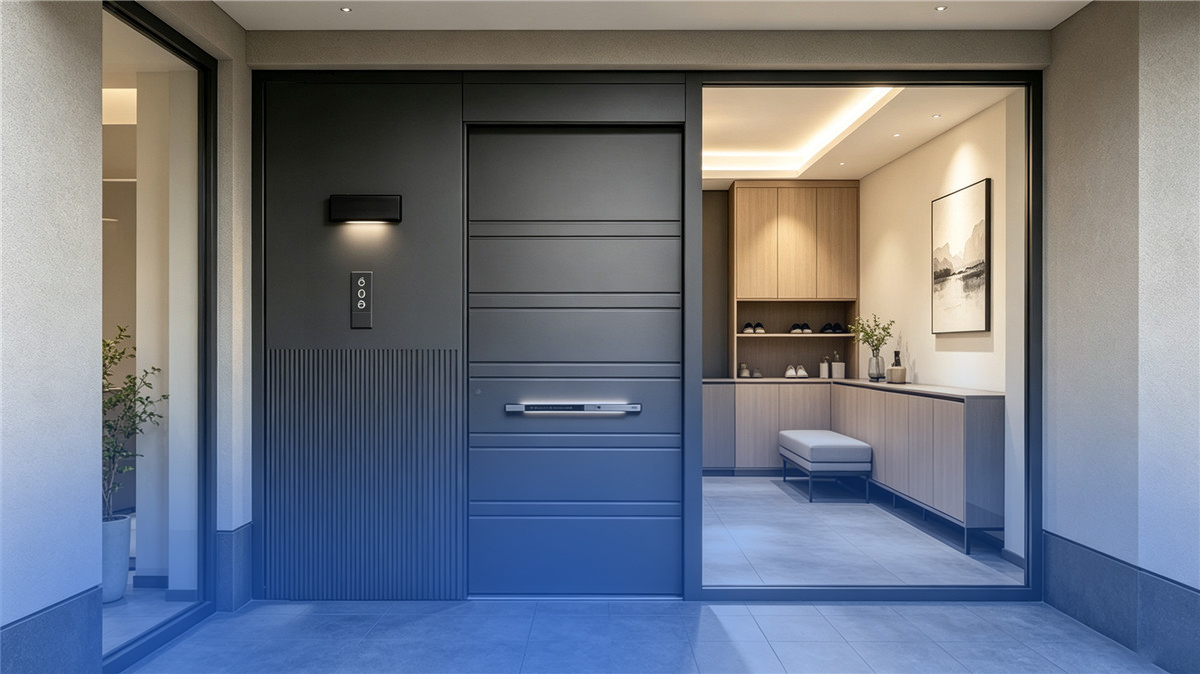
Engineered Aluminum Systems for Japanese Architectural Demands
From hurricane-rated precision sashes to heavy-duty thermal-break sliding barriers, our systems are manufactured under stringent ISO9001 and AS2047 protocols.
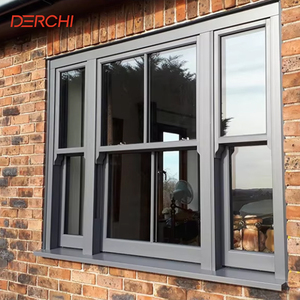
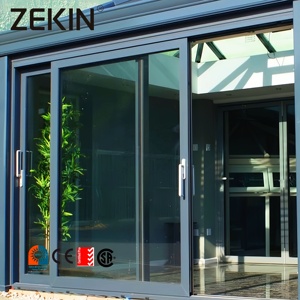
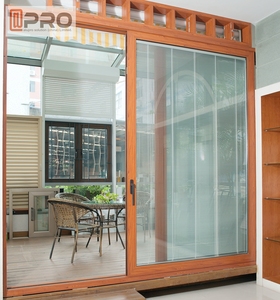
Heavy-Duty Double Glazed Lift & Sliding Thermal Door System
Technical Details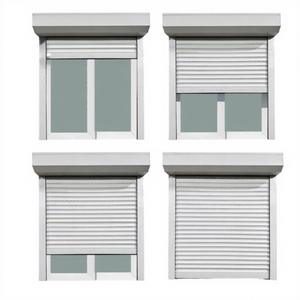
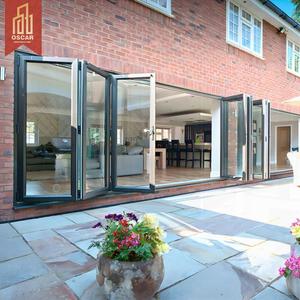
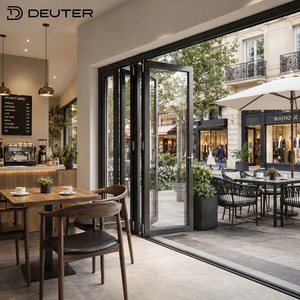
Engineering Stable Doors for Japan's Rigorous Structural Standards
The procurement of architectural aluminum stable doors (Dutch doors) within the Japanese market presents distinct structural and environmental hurdles. Unlike conventional Western markets where stable doors serve purely aesthetic or basic agricultural functions, Japanese building professionals, developers, and general contractors (Zenekon) require strict compliance with the Building Standard Law of Japan (BSL / 建築基準法).
Stable doors inherently incorporate a split upper-and-lower leaf structure. In the Japanese archipelago—exposed to seismic shear deformation, seasonal typhoons, and aggressive coastal humidity—unreinforced Dutch doors are vulnerable to horizontal misalignment, perimeter water ingress, and acoustic loss. Our factory addresses these exact performance pain points through advanced aerospace-grade 6063-T6 aluminum extrusion, reinforced central interlocking astragals, and dual-action European multi-point shootbolts.
- Seismic Drift Tolerances: Precision-milled frame clearances engineered to accommodate interlayer drift angles up to 1/150 without jamming.
- Typhoon-Grade Hermetic Sealing: Triple continuous EPDM vulcanized rubber seals delivering JIS S-4 airtightness and W-5 watertightness rating.
- Thermal Decoupling: Integrated 24mm to 34mm polyamide (PA66) thermal breaks minimizing condensation in snowy northern prefectures such as Hokkaido and Tohoku.
- Ultra-Durable Coatings: Fluorocarbon (PVDF) and architectural anodizing conforming to JIS H8602, tested against continuous CASS salt-spray cycles.

Localized Japanese Application Scenarios
Strategic deployment of aluminum split-leaf doors across regional microclimates and modern Japanese architectural layouts.
Urban Residential & Doma Spaces
In Tokyo, Kanagawa, and Osaka metropolitan villas, aluminum stable doors bridge indoor living quarters with traditional earthen floor entryways (Doma / 土間). The independently operable upper sash facilitates secure airflow and natural ventilation while keeping domestic pets and small children safely separated from service areas.
Equestrian Centers (Hokkaido & Nagano)
In major equine centers such as Hidaka, Hokkaido, horse stables face sub-zero temperatures, high ammonia vapor, and immense impact forces. Our marine-grade aluminum stable doors incorporate heavy-gauge internal reinforcement ribs, anti-chew flush aluminum panels, and thermal-break double glazed inserts.
Ryokan & Agri-Tourism Boutique Resorts
Boutique hotels, rural Japanese inns (Ryokan / 旅館), and organic farm lodges throughout Yamanashi, Nagano, and Kyoto adopt aluminum Dutch doors to merge rustic charm with modern air-tightness. Custom wood-grain fluorocarbon sublimation delivers traditional timber aesthetics without rotting or swelling.
Architectural Macro Trends in the Japanese Building Sector
Key regulatory and societal factors accelerating the adoption of imported precision aluminum door solutions.
Mandatory ZEH Energy Directives
Under Japan's revised Energy Conservation Act, all new residential constructions must achieve Zero Energy House (ZEH) standards. Aluminum stable doors must utilize thermally broken multi-cavity profiles and Argon-filled Low-E insulated glass units to meet regional U-value targets lower than 1.6 W/(m²·K).
Akiya Regeneration & Renovation Waves
With millions of vacant homes (Akiya / 空き家) across regional Japan undergoing conversion into cafes, guesthouses, and co-working retreats, contractors require custom-dimensioned, lightweight aluminum retrofitting doors that preserve rustic spatial integrity without taxing aging foundations.
Domestic Labor Shortages (2024 Problem)
Strict caps on overtime within Japan's construction sector have triggered serious delays on jobsites. Japanese builders increasingly import pre-glazed, pre-hung aluminum stable door assemblies featuring CNC factory-milled hardware cutouts to drastically eliminate manual onsite assembly time.
Evaluation Matrix: Top 10 Aluminum Door Exporters for Japan
A rigorous benchmark evaluating manufacturing scale, engineering accuracy, and export capabilities to Japanese ports.
| Rank / Manufacturer | Facility Scale | Primary Strengths | Certifications | Japan Fit Rating |
|---|---|---|---|---|
| 01. Guangdong Dejiyoupin (DERCHI) | 180,000 ㎡ | 600+ Staff | One-stop architectural custom doors, AS2047, CAD engineering shop drawings, thermal break mastery | ISO9001, CE, AS2047, UL Fire Rated | 98/100 (Tier 1 Preferred) |
| 02. LIXIL Group Corporation (Domestic/OEM) | Multi-facility (Global) | Standardized Japanese catalog offerings, native distribution networks | JIS A4702, JIS A4706 | 94/100 (High Domestic Lead Time) |
| 03. YKK AP Inc. | Multi-facility (Domestic) | Extreme precision, proprietary thermal resins, ubiquitous market presence | JIS Certified, ISO14001 | 93/100 (Premium Cost Structure) |
| 04. Sankyo Tateyama, Inc. (Sanwaco) | Extensive facilities (Toyama) | Commercial entrances, heavy structural extrusions, robust storm doors | JIS Accreditations | 90/100 (Rigid Catalog Constraints) |
| 05. Schüco International (Import Partner) | European Plants / APAC Hubs | Passive-house U-values, ultra-premium commercial architectural envelopes | DIN, EN, CE, PassiveHouse | 88/100 (Extremely High Capital Cost) |
| 06. Reynaers Aluminium | European Plants | Minimalist profiles, advanced architectural hardware integration | Qualicoat, CE, ISO9001 | 86/100 (Long Sea Freight Transit) |
| 07. Xingfa Aluminium Holdings | Major industrial bases (China) | High-volume standardized extrusions, raw profile production capacity | ISO9001, Qualicoat | 84/100 (Limited Custom Door Assemblies) |
| 08. JMA Aluminum Co., Ltd. | Industrial facilities (Guangdong) | Large extrusion output, consistent anodized finishes for export | ISO9001, CE | 82/100 (Focuses Heavily on Bulk Profiles) |
| 09. Fenglu Aluminium | Mega industrial parks | High-volume budget-conscious residential door series | ISO9001, CE | 80/100 (Less Targeted at Strict JIS Specs) |
| 10. Aluplast GmbH (System Partner) | European & Asian Converters | Composite and aluminum clad systems, thermal insulation profiles | RAL, CE Certified | 79/100 (Secondary Localization in JP) |

Why Major Importers & Japanese Developers Select DERCHI
Ranked among China’s Top 10 door and window brands, Guangdong Dejiyoupin Doors and Windows Co., Ltd. (DERCHI) provides over 25 years of specialized R&D and lean manufacturing excellence. Operating out of our expansive 180,000 ㎡ smart manufacturing base in Foshan, Guangdong, we supply tier-1 contractors, trading houses, and architects across Japan and globally.
We eliminate typical procurement friction through our comprehensive architectural capabilities:
- Integrated Multi-Product Consolidation: Consolidate aluminum stable doors, heavy-duty lift-sliding patio doors, interior glass partitions, and acoustic concertina doors into a single shipping container to cut ocean freight and port handling fees.
- Bilingual CAD & BIM Engineering Support: Our dedicated engineering staff converts structural drawings into millimeter-accurate shop drawings, confirming jamb details, flashing thresholds, and hardware layouts prior to CNC tooling.
- Severe Weather Durability: Engineered profiles successfully validated against AS2047 N6 tests, ensuring our assemblies withstand extreme cyclone pressures, torrential rains, and seismic building vibrations.
- Export-Ready Timber Crating: Individual packaging utilizing high-density protective foam, corner guards, and ISPM-15 compliant fumigated wooden crates tailored for clean delivery to Tokyo, Yokohama, Kobe, or Osaka ports.
Procurement FAQ: Importing Aluminum Stable Doors into Japan
Clear, direct answers regarding Japanese standards, logistics, import clearances, and site installation.
Q1: How do your aluminum doors comply with Japanese JIS wind and water regulations?
Our aluminum doors undergo stringent multi-chamber testing up to AS2047 N6 standards—the highest rating for structural deflection, airtightness, and water penetrability. For Japanese clients, we match structural profiles to JIS A 4702/4706 benchmarks, incorporating EPDM gasket seals and precision perimeter weep holes engineered to resist typhoon-driven rains.
Q2: Can your stable doors accommodate Japanese locksets and smart hardware?
Yes. Our German-engineered CNC machining centers pre-mill precise lock cutouts for major Japanese mortise locksets (such as MIWA, GOAL, or SHOWA) as well as global smart keyless access panels. We verify faceplate dimensions, backset measurements, and strike plates during the CAD review stage.
Q3: What are the lead times and container shipping terms for Japanese ports?
Standard custom fabrication requires 25 to 35 business days following CAD shop drawing approval. Ocean transit from Shenzhen or Nansha to Tokyo, Yokohama, Osaka, or Kobe typically takes only 4 to 7 days. We provide comprehensive export documentation under FOB, CIF, or DDP terms.
Q4: How does the factory manage thermal performance to prevent winter condensation?
Stable doors supplied to cold regions (such as Hokkaido or Nagano) are configured with thermal break extrusions using high-grade PA66 insulating strips and double- or triple-glazed Low-E insulated glass units filled with 90% Argon gas. This keeps overall door assembly U-values exceptionally low to avoid interior sweated condensation.
Q5: Are your finishes resistant to coastal salt corrosion in areas like Okinawa and Kanagawa?
We apply architectural-grade PVDF (fluorocarbon) three-coat finishes or thick electrophoretic anodized layers adhering to AAMA 2605 and JIS H8602 specs. Our coatings endure 3,000+ hours of continuous salt-spray testing without blistering, chalking, or fading.
Q6: What specific project details are required to obtain an initial quote?
Please provide structural opening dimensions (width x height x jamb depth), quantity, preferred aluminum surface finish (anodized, powder-coated, or wood-grain), glass specification, and the final destination port in Japan. Architectural elevation PDFs or rough architectural sketches are always welcome.
Collaborate with China's Premier Door Engineering Factory
Upgrade your Japanese residential, commercial, or equestrian developments with precision-manufactured, thermally decoupled aluminum stable doors direct from our 180,000 ㎡ manufacturing center.