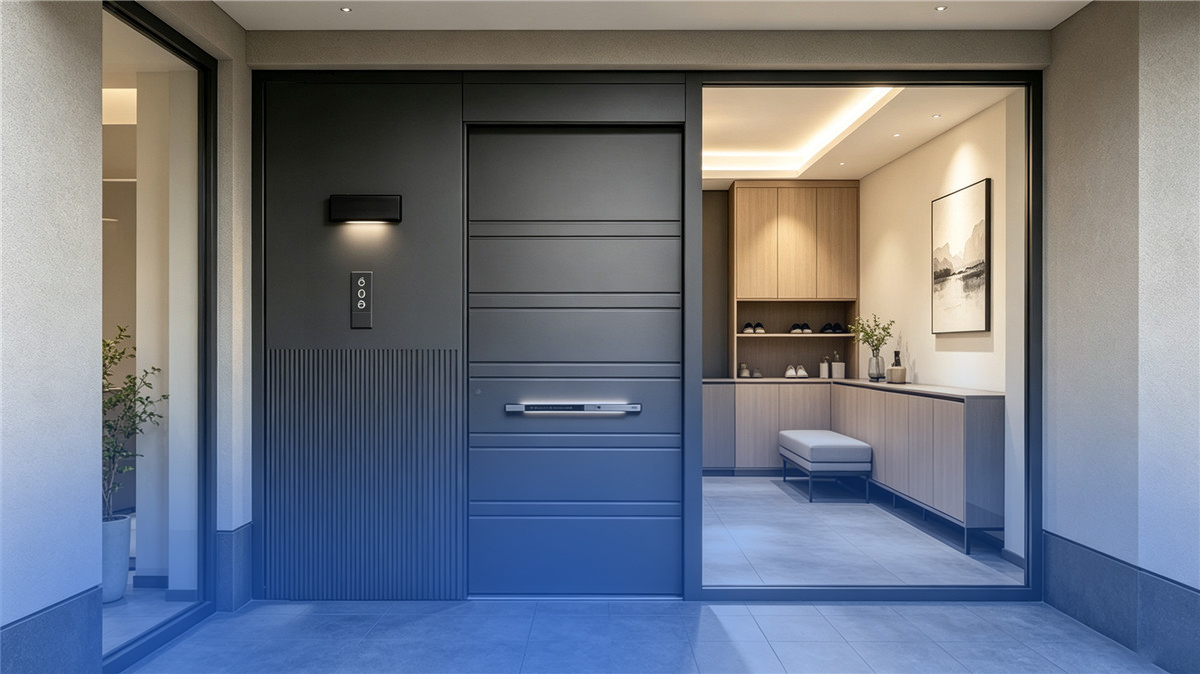
Featured Architectural Systems for Ethiopian Developments
Factory-certified fenestration assemblies, hurricane-impact profiles, pivot entry systems, and precision thermal-break units manufactured under rigorous ISO9001 and AS2047 quality management.
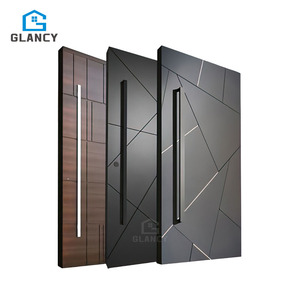
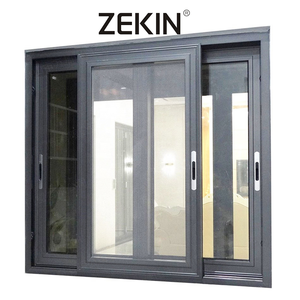
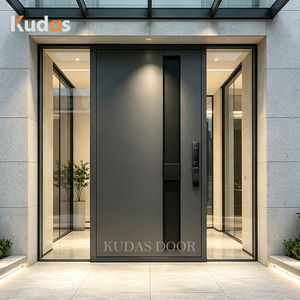
Top 10 Aluminium Pitched Roof Window Manufacturers & Factories Serving Ethiopia
An impartial engineering appraisal evaluating extrusion alloy metallurgy, thermal performance, water tightness ratings, and supply chain logistics along the Djibouti–Addis Ababa freight corridor.
Ethiopia’s high-growth construction sector is undergoing a profound structural transition. Driven by high-density mixed-use complexes in Addis Ababa, expansive real estate masterplans in Ayat and CMC, and hospitality developments along Lake Tana and Bishoftu, architects are systematically moving away from heavy cast-concrete parapets toward angled pitched roofs, mansard loft conversions, and vaulted daylighting envelopes. However, the unique microclimatic challenges of the Ethiopian plateau—combining extreme solar ultraviolet irradiance at 2,355 meters altitude with aggressive cloudburst deluges during the Kiremt rainy season—demand industrial-grade roof fenestration that generic local window fabricators cannot deliver.
Procuring pitched roof windows for large-scale Ethiopian projects requires an acute assessment of factory extrusion lines, corner vulcanization techniques, and polyamide thermal break integrity. When specifying aluminium roof windows, structural deflection under concentrated wind shear (often reaching 1.8 kPa to 2.4 kPa during highland thunderstorms) must be counterbalanced with long-term air permeability and water penetration resistance. Below is an authoritative technical benchmark of the leading global manufacturers and industrial factories capable of delivering custom-engineered aluminium pitched roof window assemblies directly to Ethiopian ports of entry.
| Manufacturer / Brand | Primary Production Base | Core Extrusion Profile | Thermal Barrier (PA66) | Water Tightness (Pa) | Ethiopian Supply Reliability |
|---|---|---|---|---|---|
| DERCHI (Guangdong Dejiyoupin) | Foshan, Guangdong, China | 6063-T6 Marine-Grade Alloy (2.0mm+) | Polyamide PA66 GF25 Dual Strip | Class 9A (≥ 1,050 Pa) | Direct CIF Djibouti / Modjo |
| Velux Group | Østbirk, Denmark / Poland | Polyurethane Core + Aluminium Capping | EPS Insulation Core | Class 9A (600 Pa) | Third-Party Trading Houses / Agent Stock |
| Fakro Group | Nowy Sącz, Poland | Multi-Chambered Aluminium Profile | Polyurethane Thermal Stop | Class E900 (900 Pa) | High European Logistics Cost / Long Lead |
| Roto Frank Dachsysteme | Bad Mergentheim, Germany | Reinforced Multi-Cavity Aluminium | Vapor-Barrier Thermo-block | Class 9A (600 Pa) | Premium Luxury Only / Strict MOQ Limits |
| Reynaers Aluminium | Duffel, Belgium | Architectural Curtain & Roof Alloy | Multi-Cavity Engineered Polyamide | 1,200 Pa Custom Facade | Raw Profile Export; Local Assembly Risk |
| Schüco International | Bielefeld, Germany | Heavy-Duty AWS System Profile | Continuous Insulation Strip | 1,050 Pa | Licensing Network / Complex Forex Needs |
| Lixil Building System | Tokyo, Japan / Southeast Asia | High-Tensile Extruded Alloy | Integrated Resin Core | 700 Pa | Commercial Skylight Focus / Rigid Sizing |
| Alumil Aluminium Industry | Kilkis, Greece | SMARTIA M6600 Roof Fenestration | 34mm Polyamide Barrier | 900 Pa | Mediterranean Supply Chain to Djibouti |
| Wintech / Turkish Extrusions | Istanbul, Turkey | Standard Architectural 6063-T5 | Standard EPDM Gaskets | 450 Pa | Frequent Regional Supply, Variable Specs |
| Ethiopian Local Assemblers | Addis Ababa / Dukem, Ethiopia | Imported Raw Non-Thermal Extrusions | Non-Thermal / Hand-Inserted PVC | 150–250 Pa | Immediate Domestic Stock, High Leak Risk |
Microclimatic and Structural Applications in Ethiopia
How architectural pitched roof windows perform across the diverse topographical zones of the Horn of Africa, from high-altitude plateaus to humid rift lowlands.
Addis Ababa Highland Plateau (2,355m)
Addis Ababa features intense solar UV exposure accompanied by dramatic night-time heat dissipation. Ordinary window gaskets crack within 24 months under this solar density.
- Thermal Bridging Defense: 24mm to 34mm PA66 GF25 thermal breaks stabilize indoor climate without active heating.
- Solar Control Double Glazing: 6mm Low-E tempered + 12Ar + 6mm clear laminate minimizes daytime solar heat gain (SHGC < 0.34).
- Vulcanized EPDM Weatherstripping: Eliminates drafts and altitude whistle under highland gusts.
Kiremt Season Cloudburst Infiltration
Between June and September, torrential rain falls on steeply pitched roof planes (15° to 65°), overwhelming conventional surface drainage and caulked joints.
- Seamless Aluminum Apron Flashing: Custom profiled flashings integrate directly into standing-seam sheet or ceramic clay tile.
- Hydrostatic Gutter Channels: Multi-tiered drainage paths vent rainwater away from structural glazing pockets.
- 1,050 Pa Water Resistance: Guarantees zero internal moisture weeping even during hurricane-velocity squalls.
Commercial Skylights & Industrial Parks
Expansive manufacturing campuses in Hawassa, Bole Lemi, and Kilinto require energy-free daytime luminescence coupled with thermal exhaust capability.
- Motorized Top-Hung Actuators: Integrated 24V DC chain operators driven by central Building Management Systems (BMS).
- Acoustic Decoupling: High Rw index (38dB–42dB) shields sensitive commercial interiors from torrential roof noise.
- Structural 6063-T6 Extrusions: Spans large architectural skylight apertures without requiring unsightly mid-rafter tie bars.
Key Industry Trends Transforming the Ethiopian Market
Policy changes, foreign exchange dynamics, and building codes that forward-thinking Ethiopian developers and contractors must factor into fenestration specs.
The macroeconomic backdrop of Ethiopia's construction ecosystem is defined by three interconnected catalysts: rapid urban consolidation, regulatory modernization under the Ethiopian Building Code Standards (EBCS), and the ongoing reform of foreign currency allocation frameworks by the National Bank of Ethiopia (NBE). Real estate developers in Addis Ababa are aggressively shifting toward luxury high-yield multi-family apartments and prestigious standalone villas in areas like Old Airport, Bole Rwanda, and Summit. In these high-value properties, pitched roof loft spaces—traditionally treated as unconditioned storage attics—are being re-imagined as prime penthouse suites, private home offices, and skylit master retreats.
This architectural shift is driving immense market demand for factory-assembled, ready-to-mount aluminium pitched roof windows. Previously, project sites relied heavily on field-welded hollow steel sections or low-grade non-thermal aluminium extrusions assembled manually on-site. These rudimentary solutions consistently suffered from joint oxidation, sealant failure under harsh UV rays, and severe water leaking during the heavy summer rains. The contemporary Ethiopian building sector now explicitly seeks engineered, pre-flashed, thermally broken fenestration systems backed by international laboratory performance certifications.
DERCHI (Guangdong Dejiyoupin): Engineered for Global Demands
Operating from Foshan, China's premier fenestration capital, DERCHI delivers precision architectural door and window systems tailored to the climatic and commercial requirements of African importers.
Rigorous International Testing
Every profile design is subjected to extreme structural chamber testing, maintaining full compliance with CE, ISO9001, AS2047, and UL fire-rated standards. Ethiopian project managers can directly submit our comprehensive test reports to municipal planning bureaus and independent consultant teams for seamless technical approvals.
Free CAD Shop Drawings & BIM Models
Our in-house technical design team collaborates with your architects to eliminate measurement ambiguities. We supply precise CAD shop drawings detailing perimeter flashing profiles, structural frame anchors, and roof opening margins before a single profile is extruded or cut on our automated CNC machines.
Seaworthy Multilayer Export Packaging
Shipments bound for East Africa travel across rugged sea routes and overland rail links from Djibouti to the Modjo Dry Port. DERCHI utilizes moisture-sealed thermo-shrink film, heavy-density protective foam corner blocks, and non-fumigation reinforced solid plywood crates to guarantee damage-free arrival.
Frequently Asked Questions: Ethiopian B2B Fenestration Procurement
Detailed answers addressing banking documentation, customs clearing via Djibouti, roof installation kinematics, and local climate engineering.
How are commercial transactions handled under Ethiopian foreign exchange regulations (LC vs CAD)?
What is the realistic transit timeline from Foshan, China to Addis Ababa or Modjo Dry Port?
Can DERCHI pitched roof windows be installed on existing Ethiopian corrugated tin roofs (Korkoro)?
What specific roof pitch angles are supported by your aluminium roof window series?
How do you guarantee that hardware, gas-struts, and motors resist altitude pressure drops in Addis Ababa?
What documentation is provided to satisfy Ethiopian Customs Commission requirements?
Plan Your Architectural Schedule with DERCHI Engineers
Whether you are developing luxury residences in Addis Ababa, commercial complexes in Hawassa, or specialized industrial infrastructure, our English-speaking engineering team is ready to prepare free CAD shop drawings, glass thermal calculations, and direct CIF export pricing.