High-Performance Window & Door Engineering
Explore commercial and high-end residential fenestration systems manufactured to international envelope and structural standards.
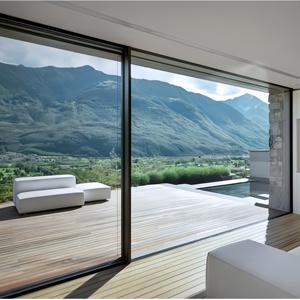
Modern Style Balcony Double Glazed Sliding Door
Engineered thermal break sliding doors offering panoramic sightlines for indoor-outdoor California living.
Inquire Now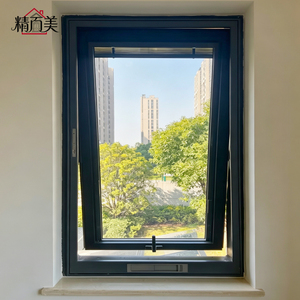
Soundproof Aluminum Upper Hung Glazed Window
High-grade weatherstripping and acoustic insulation for premium commercial showrooms and retail boutiques.
Inquire Now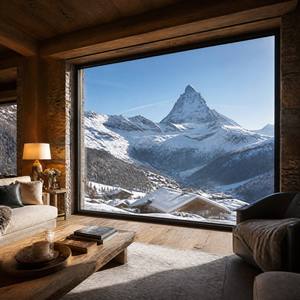
Floor-to-Ceiling Picture Frameless Low-E Window
Minimalist expansive glazing designed to maximize natural daylighting while mitigating intense solar heat gain.
Inquire Now
Minimalist Aluminum Glass Security Entrance Door
Seamless sightlines coupled with heavy-duty structural frames and multi-point perimeter defense mechanisms.
Inquire Now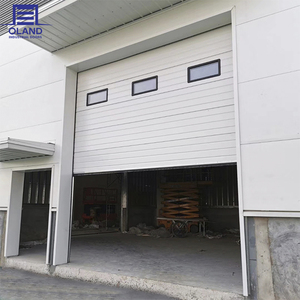
Industrial Insulated Overhead Sectional Door
Engineered thermal insulation with reinforced panels built to endure severe structural wind pressure loads.
Inquire Now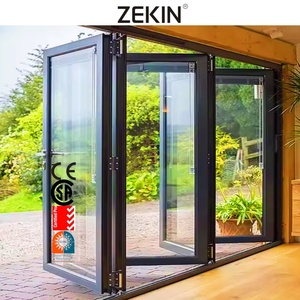
Double Glass Outswing Bifold Patio Doors
High-performance folding panels compliant with international thermal, air infiltration, and acoustic ratings.
Inquire Now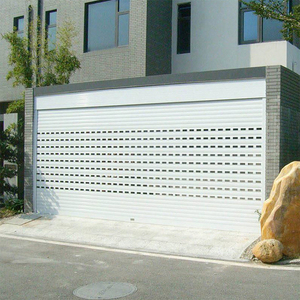
High Security Perforated Aluminium Roller Shutters
Integrated micro-perforation allowing continuous passive ventilation while establishing an impenetrable barrier.
Inquire Now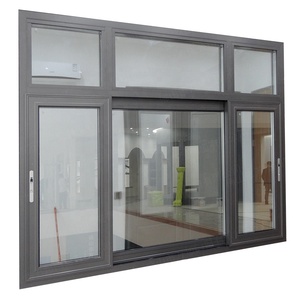
Hurricane Impact Double Glazed Sliding Windows
Laminated structural glass engineered to withstand high wind pressure and severe ambient exterior noise.
Inquire NowArchitectural Fenestration in Greater Los Angeles
A technical guide for architects, general contractors, and structural engineers balancing passive ventilation, energy codes, and environmental exposures.
Structural Dynamics, Natural Ventilation, and Thermal Boundaries
The Los Angeles basin presents a unique intersection of building microclimates: saline marine fog along the coastal strip (Santa Monica, Malibu, Venice), extreme high-heat environments across the San Fernando and San Gabriel Valleys, and high-velocity wind conditions during Santa Ana weather events. Louver and jalousie fenestration systems have historically faced thermal compliance hurdles under the California Energy Commission’s Title 24, Part 6 requirements. Modern architectural engineering solves this dichotomy through thermal break extrusions, polyamide insulation bars (PA66 GF25), and dual-gasket compression seals.
As a dedicated manufacturer and global exporter, we supply extruded 6063-T6 and 6061-T6 structural aluminum louver systems. These systems deliver an aerodynamic discharge coefficient (Cd) that optimizes natural draft airflow while achieving stringent air permeability standards under ASTM E283, water penetration resistance under ASTM E331, and structural load compliance under ASTM E330. When paired with high-performance Low-E coatings or engineered insulated glass blades, our louver windows satisfy California Building Code (CBC) mandates without compromising the aesthetic vernacular of Mid-Century Modern or Contemporary architecture.
Los Angeles Project Application Scenarios
Coastal Luxury Villas: Malibu & Venice
Marine environments require rigorous anodizing and fluorocarbon (PVDF) surface treatments exceeding AAMA 2605 specifications. In Malibu and Venice, our glass and aluminum louver systems provide 100% free-ventilation potential, circulating sea breezes while resisting pitting corrosion from airborne ocean salts. Concealed mechanical actuators allow seamless smart-home automated integration.
High-Density Mid-Rises: DTLA & Koreatown
Urban multi-family and mixed-use developments demand dual performance: acoustic decoupling from metropolitan noise and continuous natural ventilation without compromising building envelope integrity. Our acoustic louver profiles and laminated blade configurations attenuate low-frequency traffic rumble while serving as energy-efficient passive cooling conduits for mechanical rooms and residential corridors.
Hillside & WUI Enclaves: Hollywood Hills & Pasadena
Properties in Wildland-Urban Interface (WUI) zones face strict wildfire vulnerability guidelines. Our non-combustible aluminum louver profiles integrate fine stainless steel (Grade 316) ember screens that satisfy California State Fire Marshal Chapter 7A requirements. They block burning embers from infiltrating attic spaces, basements, and subfloor mechanical chambers during wildfire conditions.
Emerging Architectural Drivers in Southern California
Decarbonization & Title 24 Tightening
As Los Angeles continues its aggressive push toward zero-net-energy (ZNE) buildings, mechanical cooling demands must be offset by passive architectural design. Thermal-break aluminum louver windows provide night-flush ventilation capabilities, dropping indoor temperatures during cool California nights and eliminating early-morning air conditioning loads.
Biophilic & Modernist Revivalism
From Richard Neutra to John Lautner, modern architecture in Southern California relies on continuous connection to the outdoor horizon. Modern specifiers use motorized glass louver windows to evoke mid-century modern aesthetic geometry while achieving thermal values and operating convenience expected in seven-figure residential builds.
Prefabrication & ADU Explosion
California’s progressive accessory dwelling unit (ADU) mandates have accelerated demand for prefabricated, high-performance fenestration components. Factory-glazed, unitized louver configurations allow rapid job-site installation, zero on-site framing adjustments, and predictable QA/QC validation across municipal inspections.
Guangdong Dejiyoupin Doors and Windows Co., Ltd. (DERCHI)
A global Tier-1 architectural envelope manufacturing enterprise supporting custom commercial developments and export projects worldwide.
Rigorous International Testing
Our products undergo standardized verification and hold CE, ISO9001, AS2047, and UL fire-rated certifications, ensuring smooth submission approvals by LA Department of Building and Safety (LADBS) structural plan-checkers.
Full Architectural Customization
Every profile is produced strictly to project parameters. Our dedicated engineering division provides detailed CAD shop drawings, custom extrusion profiles, structural calculations, and finish swatches prior to mass manufacturing.
Consolidated Fenestration Supply
Direct supply of entry doors, pivot systems, folding doors, and louver solutions in unified sea-freight containers, slashing logistics overhead, handling risks, and project coordination timelines for California developers.
Dedicated Export Engineering
Export crating engineered for Pacific transit. Our technical support engineers provide detailed BIM models, installation shop manuals, and remote video consultation directly aligned with Los Angeles Pacific Standard Time (PST).
Frequently Asked Questions by California Buyers
Direct insights covering import compliance, engineering verifications, and logistics to Greater Los Angeles.
Can your aluminum louver windows comply with California Title 24 energy standards? +
Yes. Title 24, Part 6 fenestration compliance requires specific U-factors and Solar Heat Gain Coefficients (SHGC). When louver systems are specified for conditioned spaces, we manufacture them utilizing high-spec thermal break extrusions, Santoprene compression weatherseals, and insulated glass blades incorporating Low-E coatings (e.g., Solarban 60 or 70 equivalents). For unconditioned areas, mechanical penthouses, or decorative building envelopes, standard thermal configurations satisfy natural ventilation quotas without energy penalties.
How do these systems withstand coastal salt spray in Malibu and Santa Monica? +
For installations within 3 miles of the Pacific coastline, we specify marine-grade 6063-T6 architectural alloy finished with PVDF fluorocarbon coatings conforming to AAMA 2605 or heavy anodized finishes exceeding 25 microns (Class I). Furthermore, all internal linkages, operator components, and fasteners are strictly manufactured from Grade 304 or 316 stainless steel to eliminate galvanic corrosion.
What is the standard logistics procedure for shipping directly to the Port of Los Angeles / Long Beach? +
We routinely manage ocean freight logistics shipping CIF or DDP to the Port of Los Angeles (POLA) and the Port of Long Beach (POLB). Every unit is protected with protective films, edge guards, and crated inside fumigated, moisture-sealed export timber cases. We supply comprehensive packing lists, commercial invoices, certificates of origin, and bill of lading documents needed by your California customs broker for rapid clearance.
Are these aluminum louver assemblies suitable for Fire-Zone Chapter 7A requirements? +
Yes. For hillside developments throughout Beverly Hills, Bel Air, Topanga, and Calabasas, building codes mandate non-combustible exterior envelopes. Aluminum profiles are completely non-combustible. For ventilation openings, we can factory-integrate interior-facing stainless steel mesh screens with apertures no larger than 1/8 inch (3.2 mm), satisfying California State Fire Marshal Chapter 7A ember intrusion standards.
Can we integrate electric motorized actuators with California smart-home systems? +
Absolutely. We provide both manual dual-action hand operators and integrated low-voltage (24V DC) linear mechanical actuators. Our motorized systems can be seamlessly coupled with modern automation networks such as Lutron, Control4, Crestron, or dedicated HVAC economizers, enabling scheduled night-flush cycles or automated closing during rain or high-wind episodes.
