Engineered Aluminum Sash Windows & Coordinated Glazing Systems
Tested rigorously under international and North American standards. Precision-extruded 6063-T6 aluminum alloys combined with polyamide thermal breaks and impact laminated glass configurations engineered specifically for the coastal Texan corridor.
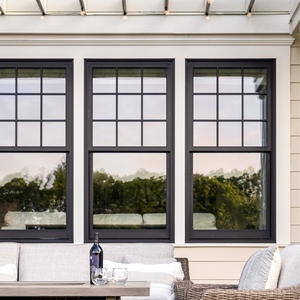
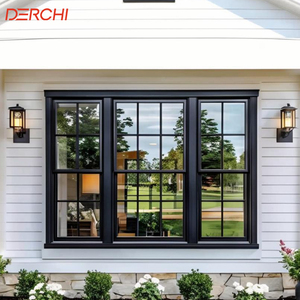
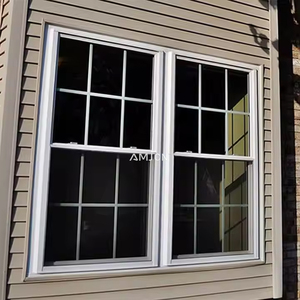
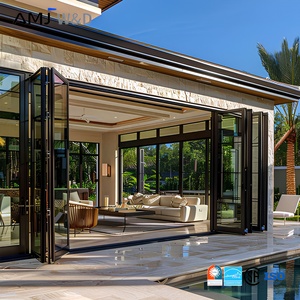
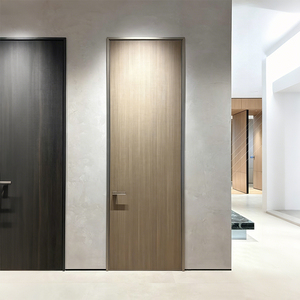
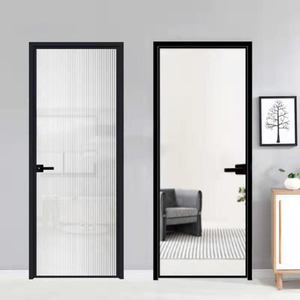
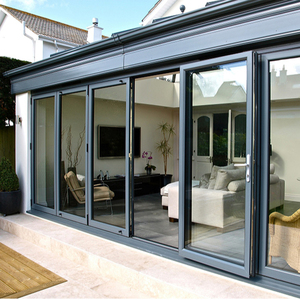
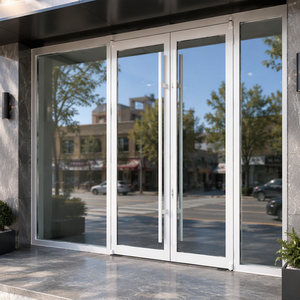
Engineering Aluminum Sash Windows for the Greater Houston Microclimate
Specifying aluminum sash windows for residential and commercial architecture across the Greater Houston metropolitan area—from Galveston Bay to The Woodlands—demands an uncompromising technical response to one of North America's most demanding climatic zones. Classified under ASHRAE Climate Zone 2A (Hot-Humid), Houston subjects architectural fenestration to sustained high relative humidity (averaging 75% to 90%), extreme solar ultraviolet exposure, intense diurnal thermal cycling, and catastrophic tropical cyclone events originating in the Gulf of Mexico.
Historically, traditional timber sash windows in Houston suffer rapid biological decay, warping, and swelling caused by ambient hygroscopic expansion. Conversely, non-reinforced vinyl sash units frequently deform under radiant surface temperatures exceeding 165°F (74°C) during protracted Texan heatwaves, causing air seal degradation and hardware misalignment. As an advanced aluminum fenestration manufacturer, our dedicated manufacturing lines utilize high-tensile 6063-T6 architectural aluminum alloy, reinforced with multi-chambered polyamide structural thermal barriers (PA66 GF25) to deliver long-term dimensional stability, unmatched forced-entry resistance, and imperviousness to rot and insect infestation.
Windstorm & Impact Loading
Engineered to comply with the Texas Department of Insurance (TDI) windstorm guidelines and International Residential Code (IRC) criteria. Our sash assemblies satisfy ASTM E1886 and ASTM E1996 Missile Level D impact protocols, withstanding design pressures from DP50 up to DP75 for coastal Harris, Brazoria, and Galveston Counties.
Solar Heat Gain & Low-E
Meeting and surpassing the 2021/2024 International Energy Conservation Code (IECC) requirements for Climate Zone 2. Integrating double and triple silver soft-coat Low-E glass packages (e.g., Solarban equivalents) delivering Solar Heat Gain Coefficients (SHGC) ≤ 0.22 and U-Factors down to 0.28 BTU/(hr·ft²·°F).
Salt Air & Corrosion Defense
Proximity to the Gulf of Mexico and industrial emissions along the Houston Ship Channel accelerate electrolytic metal oxidation. All exterior sash profiles receive multi-stage pre-treatments and 70% fluoropolymer PVDF resin architectural coatings (AAMA 2605 compliant) or Class I anodized coatings resisting salt-spray degradation for decades.
Localized Application Scenarios Across Greater Houston
Balancing historic architectural preservation mandates with contemporary structural and environmental codes.
Houston Heights & Montrose Historic Retrofits
In historic preservation zones governed by the Houston Archaeological and Historical Commission (HAHC), retaining authentic sightlines is essential. Our custom aluminum double-hung sash profiles replicate narrow meeting rails, historical putted sash aesthetics, and custom exterior colonial casing profiles while providing 21st-century thermal break technology and insulated impact glass.
River Oaks & Memorial Luxury Estates
Modern transitional architecture demands expansive floor-to-ceiling glass proportions without sacrificing thermal comfort. Our heavy-duty architectural sash systems support jumbo sash dimensions exceeding 5 feet in width and 10 feet in height, balancing massive glass units on heavy-duty constant force or spiral balance systems for effortless manual operation.
Clear Lake & Coastal Galveston Waterfront
High-velocity hurricane wind zones require heavy-gauge structural aluminum framing capable of resisting continuous gust pressures without dynamic air or water infiltration. Featuring multi-point interlocking meeting rails and continuous dual EPDM bulb compression gaskets tested to zero water leakage at 12 psf static pressure.
Technical Performance Matrix: Aluminum Sash Windows vs. Conventional Alternatives
Architects and structural engineers in Texas routinely evaluate window systems across structural deflection, thermal resistance, and operational lifespan. The following matrix illustrates the performance advantages of our thermally broken architectural aluminum sash assemblies against traditional timber and hollow-core vinyl under Gulf Coast climatic stressors:
| Performance Criterion | DERCHI Thermally Broken Aluminum Sash | Standard Vinyl (PVC) Sash | Treated Architectural Wood Sash |
|---|---|---|---|
| Structural Design Pressure (DP) | DP50 to DP75+ (Heavy Commercial / Coastal) | DP20 to DP35 (Flexes under high gusts) | DP35 to DP50 (Dependent on grain & age) |
| Windborne Debris Impact Rating | ASTM E1886/E1996 Large Missile Level D | Non-impact or brittle sash failure | Impact glass capable; frame vulnerability |
| Solar Heat Gain Coefficient (SHGC) | 0.18 – 0.23 (Exceeds Texas IECC 2A) | 0.22 – 0.28 (Standard Low-E) | 0.24 – 0.30 (Standard Low-E) |
| Thermal Expansion Coefficient | 23 × 10⁻⁶ /K (Minimal thermal creep) | 50–70 × 10⁻⁶ /K (High risk of frame binding) | Hygroscopic expansion / swells with humidity |
| Air Infiltration Rate (ASTM E283) | < 0.10 cfm/ft² at 25 mph wind | 0.20 – 0.30 cfm/ft² | 0.15 – 0.25 cfm/ft² (Worsens over time) |
| Water Penetration Resistance (ASTM E331) | No leakage at 720 Pa (15.0 psf) | Leakage observed at 260–360 Pa | Leakage observed at 300–450 Pa |
| Termite & Rot Resistance | 100% Inorganic & Immune | Immune (Prone to UV embrittlement) | High vulnerability to Formosan termites |
Houston Fenestration Market Trends: Building Codes, Insurance & Architecture
The construction sector across Houston and Harris County is experiencing significant regulatory and stylistic transformations that directly influence architectural fenestration procurement:
1. Stricter TDI Windstorm Certification Oversight
Following recent supercharged weather patterns and hurricane seasons, insurance providers writing wind and hail coverage through the Texas Windstorm Insurance Association (TWIA) or private lines require documented product evaluations. Contractors can no longer risk non-certified building envelopes. Sourcing factory-direct aluminum sash windows engineered to pass TDI certified structural pressure testing drastically simplifies the municipal inspection sign-off process.
2. The Shift Toward Industrial & Modern Farmhouse Sightlines
Contemporary residential developments in the Heights, Spring Branch, and Oak Forest show massive consumer preference for dark architectural finishes—specifically architectural matte black, dark bronze, and charcoal grays. Unlike vinyl, which absorbs excess heat and warps when coated in dark pigments, factory-extruded aluminum with AAMA 2605 Kynar finishes guarantees absolute thermal and dimensional integrity under unrelenting Texas solar exposure.
3. Whole-Envelope Acoustic Isolation
Urban density along inner-loop Houston highways has propelled demand for Sound Transmission Class (STC) rated window envelopes. By integrating dissimilar glass thickness (e.g., 6mm exterior tempered + 0.090" acoustic PVB interlayer + 6mm interior tempered glass) within our aluminum sash profiles, sound decibel penetration is mitigated by up to 38 STC, delivering whisper-quiet indoor environments.
4. Supply Chain De-risking via Factory-Direct Sourcing
Commercial contractors and custom home builders are increasingly bypassing fragmented distribution tiers that inflate markups by 40% to 60%. By procuring container-load quantities directly through the Port of Houston (Barbours Cut and Bayport terminals), developers achieve verifiable product consistency, bespoke CAD engineering shop drawings, and significant cost advantages.
Direct Manufacturer Authority: Engineering Precision at Scale
Backed by over 25 years of specialized fenestration R&D, Guangdong Dejiyoupin Doors and Windows Co., Ltd. (DERCHI) operates one of China's most technologically advanced manufacturing plants.

180,000 ㎡ Intelligent Manufacturing Base
Ranked among the Top 10 fenestration and door manufacturing enterprises in China, our facility houses high-precision CNC 4-axis profile processing centers, automated corner-crimping machinery, and computerized dual-component silicone sealing robotics. With over 600 skilled technicians and engineers, we maintain complete control over raw material casting, thermal barrier integration, hardware assembly, and rigorous pre-shipment quality inspection.
Our dedicated North American export division specializes in custom CAD shop drawings, structural wind load analysis, and containerized wooden crate export packaging designed to eliminate maritime transit damage during transpacific sea freight to the Port of Houston.
Frequently Asked Questions for Houston Window Buyers
Clear, direct answers regarding engineering standards, Texas building codes, shipping logistics, and custom manufacturing.
Yes. We engineer our sash profiles specifically to comply with the 2018/2021 International Residential Code (IRC) and Texas Department of Insurance (TDI) windstorm standards. Depending on the project proximity to Galveston Bay or coastal flood zones, we configure impact-rated laminated glass (utilizing SentryGlas® or heavy 0.090" PVB interlayers) capable of achieving DP50 to DP75 design pressures, resisting ASTM E1886/E1996 Large Missile Level D impacts.
Interior condensation occurs when humid ambient air encounters cold glass chilled by indoor air conditioning. We combat this through high-performance techno-polymer PA66 GF25 polyamide thermal breaks that physically decouple interior and exterior aluminum extrusions, combined with warm-edge composite glass spacers (Technoform / Swisspacer) that elevate perimeter glass temperatures, eliminating dew-point formation.
Production generally requires 25 to 35 days following customer sign-off on detailed CAD shop drawings. Ocean transit to the Port of Houston (Barbours Cut or Bayport Container Terminals) typically spans 24 to 30 days via direct transpacific container lines. All windows are individually wrapped in protective PE film, corner-guarded, and secured in fully fumigated, heavy-duty export plywood crates to guarantee damage-free arrival.
Absolutely. We supply Simulated Divided Lites (SDL) featuring internal aluminum spacer bars sandwiched between double panes, complemented by precision-milled exterior and interior aluminum muntin profiles. We can faithfully reproduce 6-over-6, 4-over-4, prairie, or custom architectural grid patterns specified by local historic preservation commissions.
Depending on sash dimensions and overall glass weight, our factory utilizes heavy-duty Caldwell constant force balances, ultra-smooth spiral balances, or Class 5 heavy-duty mechanical spring balances. Every system is engineered to provide effortless finger-touch lifting operation, tilt-in sash release for exterior glass cleaning, and decades of maintenance-free duty cycles.
Prior to manufacturing, our bilingual engineering department provides comprehensive 2D/3D CAD shop drawings detailing rough opening dimensions, nail fin placements, perimeter sealant channels, and sub-sill flashing interfaces. Each order is accompanied by detailed installation guides, anchor fastening schedules, and remote video conference technical support for site crews.
Plan Your Houston Architectural Project with Factory Direct Precision
Submit your window schedules, architectural elevations, or rough opening dimensions. Our structural engineers will prepare complete CAD shop drawings, thermal compliance reports, and competitive FOB or CIF Port of Houston container pricing within 24 hours.
Inquire Now