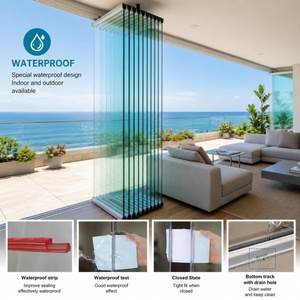
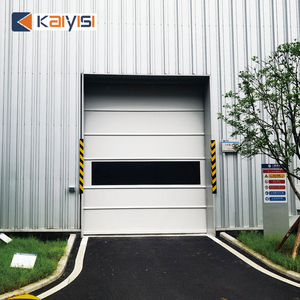
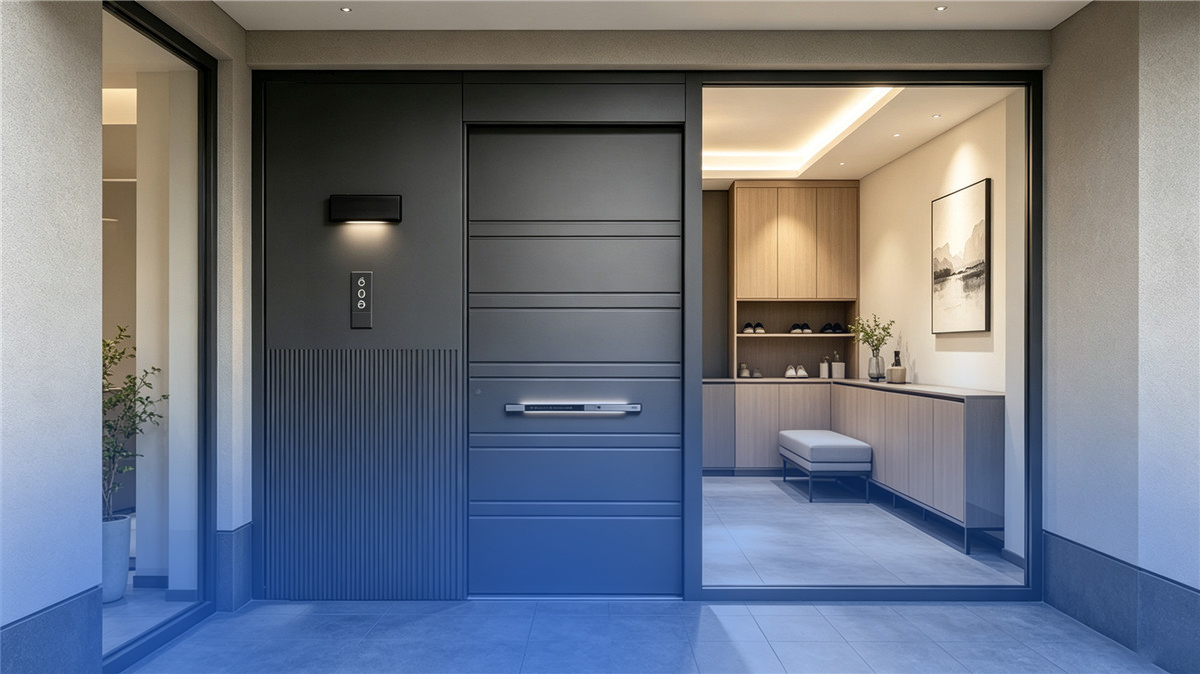
Precision Fenestration Systems

Engineered Architectural Window & Door Solutions

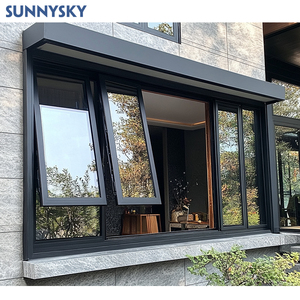
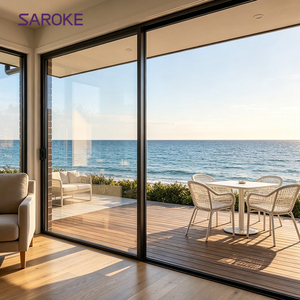
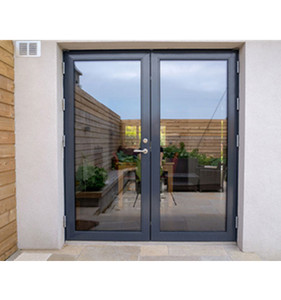
Explore our certified export-grade window, awning, and sliding configurations. Designed to seamlessly integrate with decorative aluminum jali panels, coastal corrosion barriers, and heavy-duty seismic sub-frames across Chilean residential and commercial developments.

Whitepaper Insight

Engineering Aluminium Jali Systems for Chile’s Microclimates & Seismic Codes

An in-depth metallurgical and architectural evaluation of perforated, woven, and cast aluminium jali (decorative and security lattice) systems in modern Chilean fenestration.

1. The Evolution of Architectural Jali in Chilean Fenestration

In modern Latin American architecture, the traditional concept of the jali—an intricate perforated lattice screen originally developed for passive ventilation, solar diffuse shading, and visual privacy—has transformed into a high-performance engineering element. Across Chile, from the arid radiation zones of the Atacama Desert down to the wind-scoured maritime environments of Los Lagos and Magallanes, specifying Aluminium Jali for Window assemblies demands an intersection of structural metallurgy, passive climatization, and seismic survivability.

Unlike standard wrought iron grilles (rejas de seguridad) that are susceptible to rapid oxidation from marine salt fogs (camanchaca) and atmospheric moisture, engineered architectural aluminum jali systems utilize marine-grade 6063-T6 and 5052-H32 aluminum alloys. These panels provide an optimal strength-to-weight ratio, allowing building facades to incorporate robust anti-burglary protection, high solar shading coefficients, and natural airflow without exceeding the structural dead-load limitations mandated by Chile's strict seismic design standard, NCh433 (Diseño Sísmico de Edificios).

2. Seismic Resistance & Deflection Compliance (NCh433 & NCh431)

Chile is one of the most seismically active regions on Earth. Subduction of the Nazca Plate under the South American Plate generates seismic ground accelerations requiring window assemblies, curtain walls, and external screen lattices to tolerate severe lateral inter-story drift without mechanical failure, glass shattered discharge, or anchoring failure. When specifying external aluminium jali screens over glazing systems, engineering teams must account for the following critical criteria:

Our aluminum jali frameworks are engineered with slotted seismic bracket anchors and EPDM vibration-isolation dampeners. This structural flexibility allows the window perimeter subframe to shift during seismic displacement cycles while isolating the decorative screen panel from torsion stresses. Combined with impact-resistant laminated glazing that conforms to NCh135-2 safety glass specifications, our fenestration envelopes prevent glass fallout while preserving perimeter building envelope security.
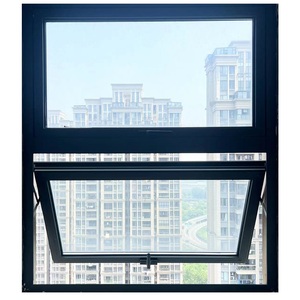
180k㎡
Industrial Footprint
Precision CNC Extrusion & Assembly
AS2047
N6 Ultimate Load
Highest Wind & Water Pressure Tier
0.24
Solar Heat Gain (SHGC)
Achieved with Dynamic Jali Density
25+
Years Engineering
Direct Export to Global Markets
Performance Parameter Standard Steel Rejas (Chilean Local) Anodized/PVDF Aluminium Jali (DERCHI) Engineering Compliance Standards
Corrosion Resistance (Salt Spray) Fails within 400 hrs (Rust / Pitting) Exceeds 3,500 hrs ASTM B117 (No Pitting) ASTM B117 / AAMA 2605 Marine Spec
Seismic Dead Load Impact Heavy (~28–35 kg/m²), imposes structural load Lightweight (~7.5–12 kg/m²), low inertia Chilean NCh433 Seismic Drift Standards
Thermal Comfort (U-Value Contribution) Zero thermal insulation, high conductivity Acts as brise-soleil, cuts thermal envelope load by up to 42% NCh853 Thermal Transmittance Compliance
Security & Intrusion Resistance Rigid, but prone to weld fracture under strain Interlocking extruded channel, anti-crowbar tamper design EN 1627 RC3 / AS5039 Security Standards
Aesthetic Customization Basic linear/scroll ironwork Bespoke CNC laser cuts, 3D cast reliefs, parametric textures Architectural Shop Drawing & BIM Integration
Regional Climate Solutions

Chilean Regional Applications: From the Atacama to Patagonia

Chile’s 4,300 km coastline features diverse microclimates. Our aluminum jali screens and window envelopes are custom-engineered for specific geographic challenges.

☀

Zona Norte (Antofagasta, Calama, Iquique)

Solar Radiation & Thermal Control: With UV index ratings frequently exceeding 11+ and extreme day-to-night temperature fluctuations, our high-density parametric jali screens act as an external thermal buffer. They reduce direct solar radiation on the glass surface, lowering indoor cooling demands in accordance with sustainability guidelines while withstanding blowing silica sands.

🏙

Zona Central (Santiago, Valparaíso, Viña del Mar)

Urban Security & Coastal Marine Salinity: Combining urban residential security against forced intrusion with the aesthetic demands of high-end condominiums in Las Condes, Vitacura, and coastal estates in Viña del Mar. PVDF fluorocarbon coatings prevent oxidation from coastal humidity, while multi-point locking prevents unauthorized entry.

❄

Zona Sur & Austral (Concepción, Puerto Montt, Punta Arenas)

Hydrostatic Pressure & Thermal Envelopes: High-precipitation regions face relentless frontal storms. Our awning windows paired with aerodynamic jali rain-deflection baffles divert driving rain from window gaskets while providing essential passive ventilation during cold, damp seasons without inducing interior condensation.

Emerging Architectural Trends

Trends Shaping the Fenestration Sector in Chile

Architects and builders across Chile are modernizing building envelopes to balance thermal performance with contemporary visual design.

⚡

Stricter Thermal Standards (NCh853 Update)

The Ministry of Housing and Urbanism (MINVU) continues to raise thermal efficiency targets across residential construction. Standard single-pane assemblies and uninsulated metal frames are being replaced with Thermal Break (RPT) profiles paired with decorative shading screens that cut solar load before it reaches the building interior.

📐

Integrated Biophilic & Parametric Facades

Chilean luxury developments increasingly specify continuous facade treatments where window jali panels flow into rainscreen cladding. Precision CNC laser-cutting enables architects to incorporate organic and indigenous geometric patterns that create dynamic light and shadow effects throughout the day.

🛡

Shift from Iron Bars to Engineered Security Lattices

Property owners are moving away from traditional, bulky wrought iron bars (rejas) that look institutional and require regular repainting. Structural aluminium jali panels offer equal or superior break-in resistance while providing a modern architectural appearance that adds value to the property.

Guangdong Dejiyoupin Doors & Windows

Direct-from-Source Industrial Capacity & Engineering Rigor

Operating under our primary global brand DERCHI, Guangdong Dejiyoupin Doors and Windows Co., Ltd. is ranked among the Top 10 premium door and window manufacturers in China. For over 25 years, our engineering teams have supplied developers, architects, and trade contractors across the Americas, Oceania, and Africa.

  • 180,000 ㎡ Intelligent Manufacturing Base: Fully integrated profile extrusion, precision CNC machining, automated glass assembly, and certified powder-coating lines in Foshan, Guangdong.
  • Seismic & Wind Pressure Approvals: Systems tested to AS2047 (N6 Cyclone Rating), CE, ISO9001, and UL fire-rated certifications for seamless compliance with Chilean municipal building inspections.
  • Dedicated CAD/BIM Project Engineering: We develop full shop drawings, structural anchorage models, and glass deflection analyses matching your architectural drawings before production begins.
  • Specialized South American Logistics: Export-grade solid wood crating and container optimization for shipping to major Chilean ports including San Antonio, Valparaíso, and Iquique, with complete customs documentation.
Aerial view of the 180,000 sqm DERCHI manufacturing facility
Procurement Intelligence

Frequently Asked Questions for Chilean Importers & Contractors

Clear, technical answers addressing customs regulations, seismic testing, material durability, and logistics for shipments to Chile.

Do your aluminium jali and window assemblies comply with Chilean Seismic Code NCh433?
Yes. Chilean seismic regulations require building components to accommodate lateral inter-story drift without perimeter failure. Our window frames and aluminium jali screen assemblies are engineered with floating sub-frame anchors, slotted connection brackets, and flexible EPDM gaskets. This decoupling prevents seismic shear forces from shattering glass or warping the decorative lattice during seismic events.
What surface treatment is recommended for coastal Chilean cities like Viña del Mar or Antofagasta?
For coastal installations within 5 kilometers of the Pacific Ocean, we recommend a 25-micron Qualicoat Class 2 architectural powder coating or a 70% Kynar 500 PVDF (fluorocarbon) finish. These treatments withstand coastal salt spray (ASTM B117 tested past 3,500 hours) and prevent oxidation from persistent marine fogs (camanchaca).
Can you manufacture custom CNC laser-cut jali designs based on architectural shop drawings?
Yes, our engineering team regularly produces custom designs. We work directly from your CAD (.DWG, .DXF) or Revit BIM files to manufacture perforated, parametric, or cast aluminum screens. Before production begins, our engineers provide complete structural shop drawings—including wind-load deflection calculations and anchor layout details—for your project team's sign-off.
What are the typical shipping arrangements and transit times to Puerto San Antonio or Valparaíso?
We regularly ship full container loads (20GP, 40HQ) directly from Shenzhen, Guangzhou, or Foshan ports to Puerto San Antonio or Valparaíso, with transit times typically ranging from 28 to 35 days. Every window and jali panel is protected with peelable protective film, reinforced edge guards, and packed into ISPM-15 compliant, export-grade plywood crates to prevent shifting during ocean transport.
How do aluminium jali screens improve thermal performance under MINVU housing standards?
By positioning an aluminium jali screen on the exterior of the window glazing, solar radiation is intercepted before striking the glass. This reduces the Solar Heat Gain Coefficient (SHGC) from typical values of 0.65+ down to 0.24–0.32, significantly lowering cooling loads in hot regions while helping projects meet the thermal transmittance requirements of NCh853.
What documentation is provided to support Chilean customs clearance (Servicio Nacional de Aduanas)?
We supply all required international import documentation, including the Commercial Invoice, Packing List, Bill of Lading (B/L), Certificate of Origin (Form F for China-Chile FTA preferential tariffs, reducing import duty to 0%), mill test certificates, and international test reports (AS2047, CE, ISO9001) for local building inspection submissions.

Start Your Fenestration Project for Chile

Whether you require decorative perforated screens for a boutique hotel in Santiago, weather-tight thermal break windows for the southern lakes, or high-security commercial entries, our engineering team is ready to assist with CAD drawings and direct-from-factory quotes.

Get a Quote