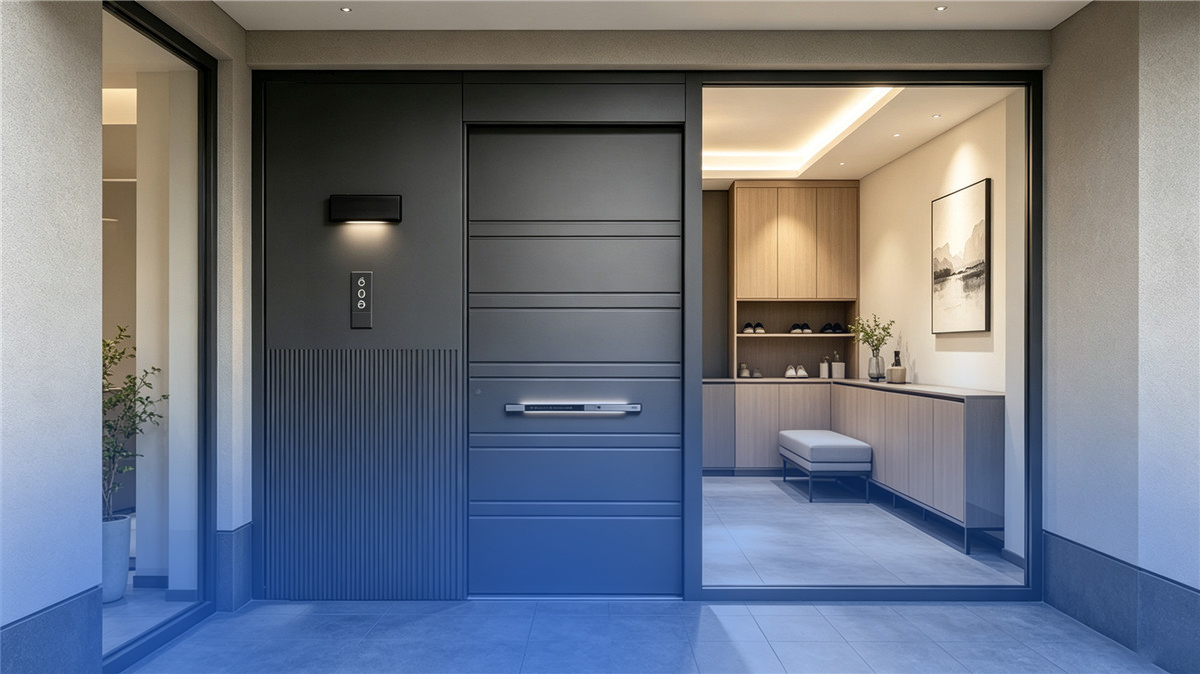
Hospitality
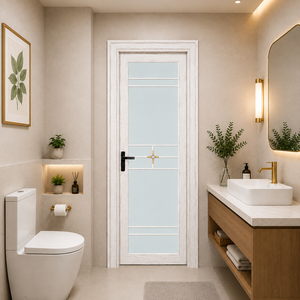
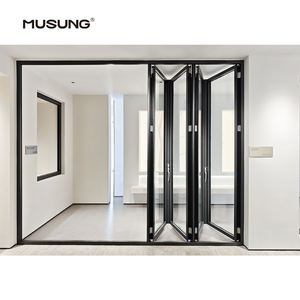
Moisture Resistant Aluminum Bathroom Door With Frosted Glass for Hospitality Construction
Anti-Corrosion
Tempered Frosted
Flush Jamb
Factory-direct precision engineering from Guangdong Dejiyoupin Doors and Windows Co., Ltd. (DERCHI). Manufactured with virgin 6063-T6 aluminum alloys, structural thermal barriers, and rigorous export QA testing.
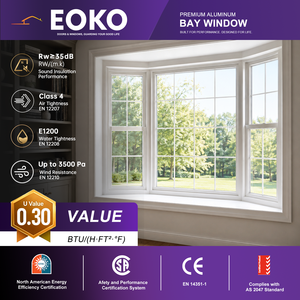
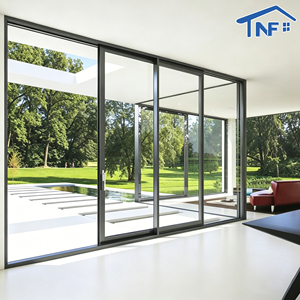
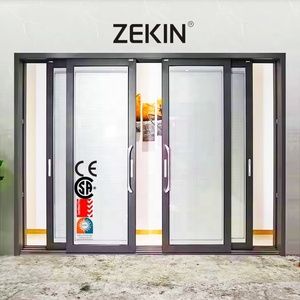
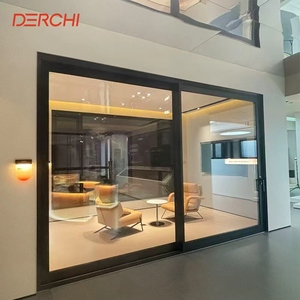
Recognized among the Top 10 architectural door and window manufacturers in China, Guangdong Dejiyoupin Doors and Windows Co., Ltd. (DERCHI) operates from an expansive industrial manufacturing complex in Foshan, Guangdong.
For more than a quarter-century, our facility has spearheaded the evolution of architectural fenestration, moving beyond rudimentary opening mechanisms into highly integrated concealed pocket systems, monumental pivot installations, and energy-compliant thermal-barrier fenestration. By combining Italian CNC 5-axis profile machining centers, automated German extrusion-joining hardware, and robotic electrostatic powder coating bays, we deliver flawless structural tolerances within ±0.2mm across mass commercial production runs.
For international general contractors, facade engineers, and volume importers across North America, Europe, Australia, and Africa, partnering with DERCHI eliminates intermediate supply-chain vulnerability. We unify technical profile design, glass tempering and lamination, precision track anodization, and export crating under one accountable roof.
DERCHI export assemblies are pre-vetted against stringent national safety and building performance standards, streamlining municipal permit sign-offs and structural engineering audits:
Pocket doors in commercial and high-end residential builds require radically superior mechanical tolerances compared to conventional hinged doors. Failure in track alignment, structural sag, or cavity binding leads to catastrophic post-installation rectification costs.
Conventional timber-stud pocket cavities warp under fluctuating ambient relative humidity, pinching the door panel inside the concealed sleeve. DERCHI specifies engineered extruded aluminum split-stud uprights with integrated horizontal bracing ribs. These profiles deliver up to 3.5× higher lateral torsional stiffness (deflection rating > L/360 under 0.5 kN/m² horizontal load), preventing drywall flex when heavy tile, marble slabs, or cabinetry are mounted directly to the pocket wall.
The smooth operational tactile feel of an aluminum pocket door relies on high-lubricity roller carriage engineering. We deploy aerospace-grade POM (polyoxymethylene) enclosed bearings encapsulated in an 8-wheel or 4-wheel solid cast stainless body. Paired with twin hydraulic soft-close cylinders operating at both stroke limits, panels up to 350 kg glide silently (<32 dB acoustic signature) and dock securely without bounce-back or frame collision over 120,000 continuous test cycles.
The historical deterrent for architects specifying pocket doors was maintenance accessibility. DERCHI solves this vulnerability by engineering a patented clip-release bottom guide and a two-piece extruded aluminum structural top-rail header. Installers can extract the entire trolley carriage, adjust height calibration bolts, and service soft-close hydraulic dampers through the finished opening without breaking drywalls or removing trim profiles.
| Performance Category | DERCHI 6063-T6 Aluminum Pocket System | Traditional Timber Pocket Door | Standard Surface Barn Slider |
|---|---|---|---|
| Space Efficiency Yield | 100% Usable Clear Floor (Full in-wall recess) | 100% In-wall, high frame thickness | Loss of wall hanging art/switch clearance (40%) |
| Hygroscopic Stability | Zero swelling; impervious to 100% RH humidity | Susceptible to warping, binding, and fungal decay | Varies by panel material |
| Acoustic Isolation (STC Rating) | STC 34 – 42 dB (with acoustic drop seals & seals) | STC 20 – 26 dB (severe gap leakage) | STC 18 – 22 dB (open perimeter perimeter air gap) |
| Max Panel Dimensions (H × W) | Up to 3,600 mm × 2,200 mm per single leaf | Limited to 2,400 mm × 1,000 mm before deflection | Large, but causes draft & light infiltration |
| Fire Resistance Potential | UL 10C / BS 476 rated core configurations available | Difficult to achieve certified concealed pocket rating | Rarely fire-rated due to gap perimeter |
| Lifecycle Durability (Cycles) | 150,000+ Verified opening/closing cycles | ~30,000 cycles before track track derailment | ~50,000 cycles (roller exposed to dust build-up) |
Driven by urban densification, strict energy codes, and wellness-centric interior zoning, commercial door procurement is experiencing a profound paradigm shift. Here is how international specifiers are positioning orders for the upcoming business cycle.
Specifiers are abandoning bulky 80mm aluminum face stiles in favor of ultra-minimalist 16mm to 22mm visible sightlines. With modern tempered structural glazing acting as an active shear diaphragm, these narrow frames support architectural transparency while disappearing entirely inside hidden pocket cassettes upon opening.
Mechanical belt-drive operators are being rapidly phased out by frictionless Linear Magnetic Levitating (Maglev) drive motors integrated inside the pocket header. These silent automated drive mechanisms provide touchless sensor actuation, ADA barrier-free access compliance, and smart building management system (BMS) integration.
Corporate ESG mandates and LEED v4.1 certification are altering procurement criteria. Importers increasingly demand Environmental Product Declarations (EPD) verifying the utilization of recycled post-industrial aluminum billet extrusions smelted using renewable hydroelectric energy, drastically reducing embedded lifecycle carbon.
When procuring aluminum pocket doors for export across maritime freight lanes, always stipulate continuous anodized coatings (≥15 microns) or AAMA 2604/2605 compliant fluoropolymer PVDF coatings. Exposure to chloride-rich condensation inside shipping containers during 45-day sea voyages can cause micro-pitting corrosion on inferior powder finishes lacking rigorous pretreatment passivations.
From metallurgical formula advancements to automated multi-plane acoustic sealing, pocket fenestration technology has bridged the gap between space efficiency and high-barrier physical protection.
The primary performance flaw of older pocket sliders was thermal and acoustic leakage at perimeter gaps. Next-generation systems feature mechanical drop seals activated via concealed plungers that press silicone gasket lips against the finished threshold upon full travel closure. Coordinated lateral brush seals deploy from the jamb recess, effectively sealing air infiltration to less than 0.15 m³/(h·m) under ASTM E283 air barrier protocols.
Historically limited to interior separation, aluminum pocket doors are now crossing into external building envelope applications. By inserting multi-cavity 24mm to 34mm polyamide (PA66 GF25) thermal insulation struts into both the door stile and the perimeter pocket frame, DERCHI systems achieve U-values as low as 1.4 W/(m²·K), enabling pocket patio doors to meet modern energy ratings in severe climatic zones.
Modern corporate conference suites and VIP hospital suites require instant transitions between daylight transparency and private enclosure. Modern aluminum pocket doors feature low-voltage conductive sliding contact pin-tracks or flexible silicone ribbon cables tucked into the top hanger rail. This supplies power to Polymer Dispersed Liquid Crystal (PDLC) switchable smart glass without visible exterior wiring.
DERCHI bridges engineering between our Foshan production facility and global job sites via comprehensive Revit / IFC parametric model repositories. Structural engineers input rough opening metrics, wind load pressures, and glass thickness, automatically generating shop drawings, CAM machining toolpaths, and verified Bill of Materials (BOM) within hours.
Direct, authoritative technical answers addressing customs clearances, dimensional tolerances, material selection, and site installation practices.
Contractors and project developers frequently suffer costly delays when coordinating separate vendors for aluminum extrusion, glass lamination, pocket cassettes, and architectural hardware. DERCHI unifies these disparate disciplines under one vertically integrated 180,000㎡ industrial footprint.
Mix and ship interior pocket doors, exterior hurricane patio sliders, residential pivot entrance doors, and thermal-break bay windows inside single sea containers to minimize freight costs and duty processing.
Direct access to fluent English-speaking senior fenestration engineers aligned across international time zones (GMT to GMT+8), offering real-time shop drawing coordination, video site guidance, and installation training.
Comprehensive 10-year warranty coverage on aluminum profiles with lifetime availability on roller carriages, track extrusions, and sealing gaskets backed by serial-numbered production tracking.
Connect directly with DERCHI's architectural consulting engineers. Send your CAD floorplans, door schedule opening schedules, or tender specifications for a complete technical compliance audit, shop drawings, and competitive direct-factory FOB/CIF quotation.