180,000㎡
Production Ecosystem
600+
Skilled Technicians
100+
Global Patents & Testing
AS2047
Cyclonic N6 Structural Rating
Engineered Fenestration Portfolio
Precision-Engineered Aluminum Door & Window Solutions
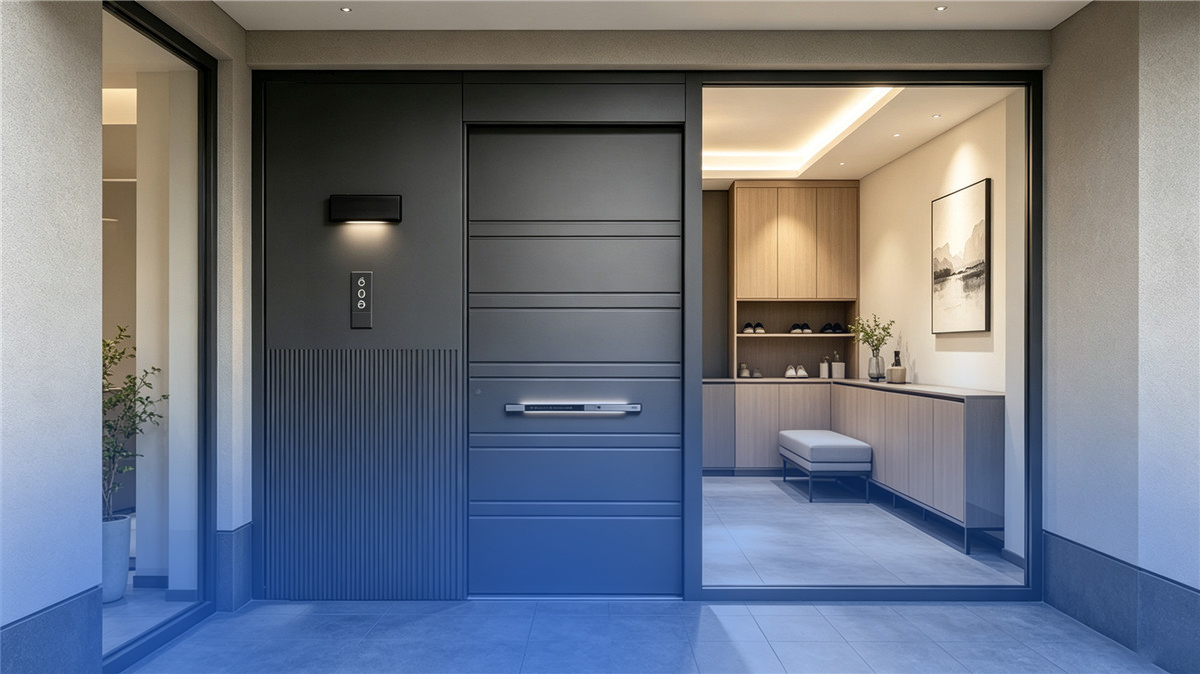
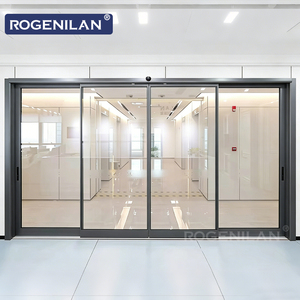
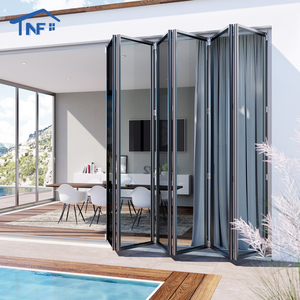
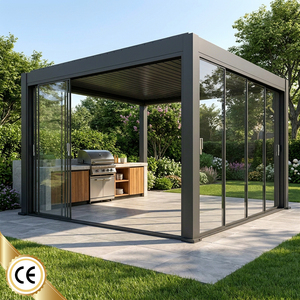
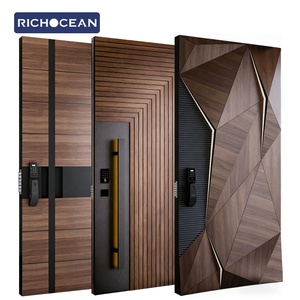
Derived from high-purity primary T6063-T6 aluminum alloys and precision thermal barrier polymers, our industrial door systems deliver uncompromising structural rigidity, acoustic insulation, and thermal envelope integrity for luxury residential and commercial architecture.
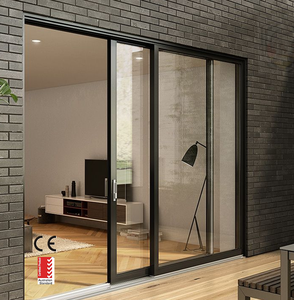
Technical Whitepaper
The Engineering Evolution of Architectural Aluminum Door Systems
In modern structural fenestration, the specification of exterior and interior door systems has transitioned from simple perimeter enclosures into sophisticated building-envelope engineering. Primary aluminum extrusions (specifically alloy 6063-T5/T6 with tensile strengths exceeding 205 MPa) serve as the skeleton of high-performance architectural systems. When paired with multi-cavity polyamide (PA66 GF25) thermal breaks, contemporary aluminum doors actively decouple the indoor and outdoor thermal environments, driving global heat transfer coefficients (U-values) down to below 1.4 W/m²·K.
The manufacturing discipline cultivated at Guangdong Dejiyoupin Doors and Windows Co., Ltd. (DERCHI) addresses severe architectural stressors: wind-load deflection across coastal regions, cyclic thermal shock in desert climates, and dynamic atmospheric corrosion. By combining finite element structural analysis (FEA) with automated CNC 4-axis profile milling centers, every frame corner is secured through multi-pin pneumatic crimping, internal heavy-duty aluminum corner cleats, and structural two-component polyurethane injected sealant. The outcome is absolute geometric squaring that eliminates operational sagging and air-gap degradation over decades of intensive usage.
Polyamide Thermal Barriers
Integration of 24mm to 34mm fiberglass-reinforced PA66 isolators prevents continuous thermal bridging, ensuring strict compliance with European EnEV and international energy efficiency mandates.
Multi-Point Armored Security
European-standard perimeter gearboxes operating mushroom-headed cam locking pins, hardened steel anti-lift brackets, and biometric smart lock integration to neutralize forced-entry risks.
PVDF & Fluorocarbon Coatings
Multi-layer electrostatic fluorocarbon and AkzoNobel powder coatings providing ultra-durable AAMA 2605 compliance, guaranteed to withstand salt-spray exposure and intense UV irradiation.
Global Market Intelligence
Future Sourcing Trends for Aluminum Door Importers & Contractors
Global construction supply chains demand greater traceability, pre-engineered precision, and container optimization. Below is an engineering evaluation matrix comparing traditional localized fabrication against DERCHI's industrial factory-direct model.
| Evaluation Parameter | Local Job-Site Assembly | Generic Trading Agents | DERCHI Factory-Direct Model |
|---|---|---|---|
| Raw Material Origin | Secondary scrap or mixed billeted alloy | Variable, unverified third-party suppliers | Certified primary 6063-T6 aluminum ingots |
| Thermal Transmittance (U-Value) | > 3.8 W/m²·K (Non-thermal break) | 2.8 – 3.2 W/m²·K (Basic rubber strips) | 1.2 – 1.8 W/m²·K (PA66 GF25 Isobaric systems) |
| Structural Wind Load Testing | Untested; high deflection failure rate | Basic domestic lab mockups | AS2047 cyclonic N6 certified / CE test reports |
| Hardware & Seal Reliability | Generic domestic zinc-alloy handles | Mixed unbranded friction hinges | German Siegenia, Hoppe, or DERCHI stainless hardware |
| Export Packaging & Freight Integrity | Corrugated wrap; high transit glass breakage | Standard palletized stacks | Solid multi-layer export crates with desiccant protection |
Manufacturer Authority
Why Tier-1 Developers & Wholesalers Partner with DERCHI
Headquartered in the global aluminum capital of Foshan, Guangdong Dejiyoupin Doors and Windows Co., Ltd. bridges architectural vision with advanced industrial manufacturing capacity.
180,000 ㎡ Mega-Facility
Centralized extrusion handling, robotic glass sealing lines, and multi-bay assembly floors delivering high output capacity for rapid project turnarounds.
Multi-National Approvals
Complete compliance dossiers for building codes including CE (Europe), AS2047 (Australia/NZ), ISO9001 quality management, and UL fire-rated certifications.
Comprehensive Shop Drawings
Our in-house technical department produces detailed structural CAD shop drawings, structural wind load calculations, and BIM assets before production commences.
Global Ocean Container Logistics
Engineered steel-reinforced wooden crating systems ensure sea freight protection to primary seaports worldwide (FOB, CIF, or DDP turnkey door schedules).
Procurement Guidance
Frequently Asked Questions on Commercial Aluminum Door Sourcing
Expert answers addressing structural performance, thermal criteria, surface longevity, and international delivery.
What aluminum alloy specifications and extrusion wall thicknesses are standard for DERCHI exterior door systems?
We exclusively use primary, non-recycled 6063-T5 and 6063-T6 architectural aluminum alloy profiles. For standard exterior sliding and swing door frames, structural profile wall thicknesses range from 2.0mm to 3.0mm, depending on panel elevation and wind pressure specifications. For heavy-duty oversized pivot doors and high-traffic commercial storefront doors, structural mullions are reinforced up to 3.5mm – 4.0mm, guaranteeing strict deflection resistance (complying with L/175 and L/250 criteria under peak wind load tests).
How does the polyamide thermal break prevent internal condensation and heat transfer?
Aluminum is inherently conductive with high thermal conductivity (~160 to 200 W/m·K). An uninsulated profile facilitates continuous thermal bridging, causing condensation and energy loss. DERCHI integrates precision-knurled PA66 GF25 (polyamide reinforced with 25% glass fiber) isolators between the interior and exterior extrusions. Polyamide has a thermal expansion coefficient virtually identical to aluminum, which prevents de-crimping during extreme temperature deltas while isolating indoor ambient surface temperatures to eliminate condensation.
What surface treatments are recommended for salt-heavy coastal environments or high-UV regions?
For coastal deployments (within 5 km of the sea), we mandate Fluorocarbon (PVDF) three-coat finishes or AkzoNobel Interpon marine-grade powder coatings, which meet or exceed AAMA 2605 specifications. These coatings withstand 3,000+ hours of continuous neutral salt spray testing without film delamination, blistering, or gloss degradation. In addition, all assembly hardware, screws, pivot pins, and rollers are upgraded to marine-grade AISI 304 or 316 stainless steel to eliminate galvanic corrosion.
Can DERCHI supply complete architectural shop drawings and static calculation reports for commercial approvals?
Yes. Our structural engineering department provides comprehensive project onboarding for architects, general contractors, and developers. Upon receipt of your architectural window/door schedules or floor plans, we draft complete CAD shop drawings detailing section cuts, rough opening clearances, anchoring methods, drainage weeps, structural mullion calculations, and glass wind-load deflections. Manufacturing only begins following the formal sign-off of these technical approval packages.
What is the standard production lead time and sea freight protection protocol for international container shipments?
Standard production turnaround for bespoke architectural orders is typically 25 to 35 business days from approved shop drawings and color sample confirmation. For international maritime transit, products undergo a five-layer packaging protocol: protective peelable film on extrusions, foam corner armor, bubble-wrap dampening, moisture-absorbing desiccant packs, and placement into fumigated, fully enclosed plywood crates. Glass panels are cushioned with anti-vibration rubber shims to eliminate breakages during transoceanic shipping.
Ready to Engineer Your Architectural Door Schedule?
Connect directly with our senior fenestration engineers to receive custom CAD details, structural wind load analysis, and factory-direct pricing for your project.
Send an Inquiry