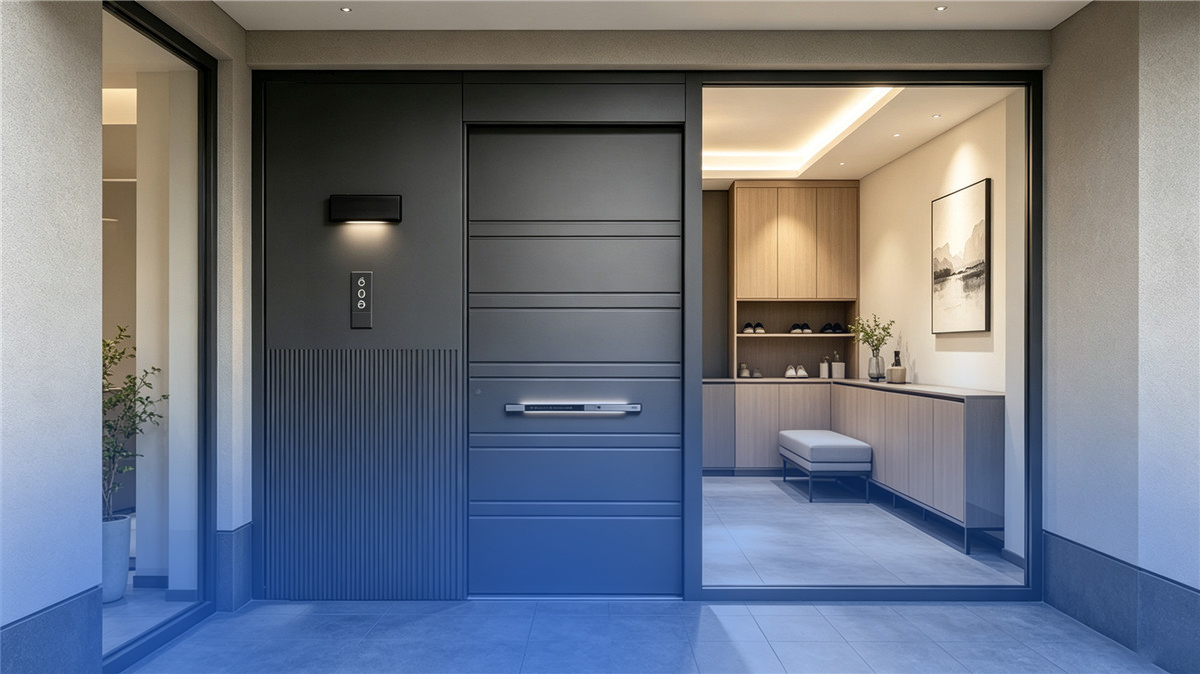
Featured Architectural Aluminum Door & Window Systems
Engineered in our 180,000 m² state-of-the-art Foshan production hub. Each structural profile utilizes high-grade 6063-T5/T6 aviation alloys, German-engineered multi-point security hardware, and precision thermal barriers designed to meet international building regulations (CE, ISO9001, AS2047, UL).
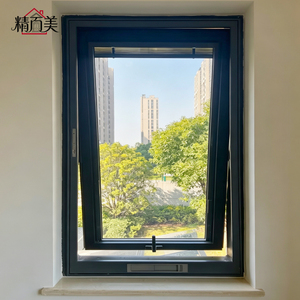
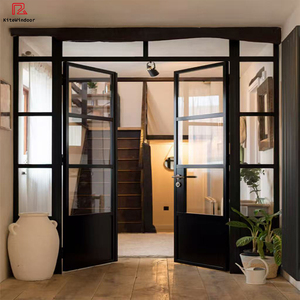
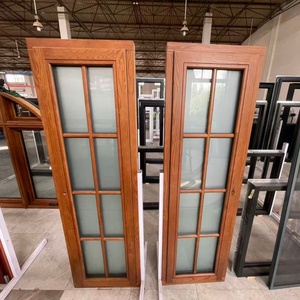
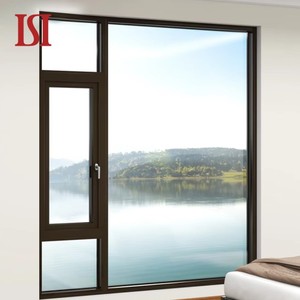
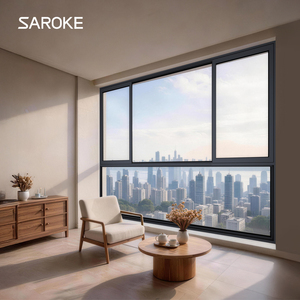

Guangdong Dejiyoupin Doors and Windows Co., Ltd. (DERCHI)
Recognized across global trade networks as a pioneer among the Top 10 premium door and window manufacturers in China. With more than 25 years of engineering mastery, our manufacturing infrastructure bridges European architectural standards with advanced robotic aluminum fabrication.
We operate integrated CNC cutting lines, automated robotic sealing stations, and certified acoustic/structural testing laboratories. Serving commercial developers, distributors, and general contractors throughout North America, Europe, the Middle East, Southeast Asia, and major African port terminals (Lagos, Tema, Mombasa, Durban).
Inquire NowFuture Procurement Trends in Aluminium Fancy Entrance Systems
The global commercial and residential architectural fenestration market is undergoing a seismic shift driven by strict building envelope codes, decarbonization mandates, and the rising demand for monumental bespoke entry portals. B2B procurement heads and architectural specifiers must navigate five critical procurement paradigms.
Total Life-Cycle Costing Over Upfront Purchase Price
Specifiers are turning away from low-gauge hollow profiles prone to warping, anodization fading, and hardware failure. Modern procurement balances initial capital expenditure against long-term thermal energy conservation, airtight envelope durability, and salt-mist corrosion resistance in demanding maritime and equatorial climates.
Single-Source Project Consolidation & Prefabrication
Developers increasingly require complete fenestration packages from a single accountable entity: high-security cast aluminum front gates, motorized pivot portals, soundproof interior office partitions, and thermal patio sliding systems bundled in single container shipments to minimize logistics costs and job-site installation friction.
Rigorous Certification & Compliance Pre-Audits
Customs clearings and national standards regimes (SONCAP in Nigeria, KEBS PVoC in Kenya, SASO in Saudi Arabia, AS2047 in Australia) no longer permit self-declared parameters. Importers mandate traceable raw-material mill certificates, third-party air/water/wind pressure logs, and accredited factory VR audits prior to wire transfers.
Frontier Design & Technology Trends in Aluminium Fancy Doors
Architectural entrances are no longer passive barriers; they are dynamic, high-security structural systems that bridge smart home connectivity with monumental aesthetics. Here are the core technical advances shaping current high-end specifications.
Cast Aluminium Monolithic Reliefs & 3D Carvings
Moving beyond flat sheet claddings, vacuum-die-cast and CNC-sculpted monolithic aluminum slabs (8mm to 12mm thickness) provide unmatched tactile depth, structural anti-ballistic resistance, and imperviousness to torrential UV degradation. Ideal for bespoke presidential estates and grand palace main portals.
Oversized Monumental Pivot Hardware with Hydraulic Control
Modern entrance architecture champions towering pivot leaves up to 6 meters in height and 800 kilograms in mass. Advanced German and Italian floor-concealed hydraulic dampers enable smooth, finger-touch operation, customizable opening speeds, 90-degree hold-open systems, and automatic perimeter drop-seals.
Smart Biometrics & Integrated Invisible Access Control
Fancy entrance doors now house integrated 3D facial recognition scanners, fingerprint sensors embedded flush within vertical architectural pull handles, motorized motorized multipoint latches, and wireless protocols (Zigbee, Matter, KNX) linking entrance security directly to central building automation.
Comparative Matrix: Aluminium Fancy Doors vs. Traditional Entrance Materials
A clear technical assessment based on mechanical strength, environmental weathering, life expectancy, maintenance overhead, and thermal conductivity.
| Performance Vector | DERCHI Engineered Aluminium Fancy Door | Traditional Mild / Carbon Steel Door | Solid Timber / Hardwood Door | Standard Hollow Core Aluminum Door |
|---|---|---|---|---|
| Alloy / Core Metallurgy | Aviation 6063-T5/T6 Aluminum + Polyurethane / Mineral Foam Core | Q235 Carbon Steel Sheet with Honeycomb Paper core | Teak / Mahogany / Engineered Solid Oak | Recycled 6061-T4 Thin Wall (1.0mm - 1.2mm) |
| Corrosion & Coastal Salt Resistance | Superior (Grade 5): PVDF Fluorocarbon or 25μm Anodized surface; 3000hr neutral salt-spray passed | Poor: Susceptible to red rust, bubbling paint, and coastal galvanic corrosion at hinges | Moderate: Subject to fungal decay, termite intrusion, and moisture absorption | Low: Fast surface pitting, chalking, and oxidation in humid maritime climates |
| Thermal Insulation (U-Value) | 1.1 – 1.8 W/(m²·K): Multi-chambered with polyamide PA66GF25 thermal barrier break | 3.5 – 5.2 W/(m²·K): High thermal bridging; condenses moisture indoors | 1.6 – 2.4 W/(m²·K): Natural insulation but vulnerable to warping over temperature swings | 4.8 – 6.0 W/(m²·K): Extreme thermal conduction without thermal breaks |
| Dimensional Stability | Zero Thermal Warping: Laser-cut multi-point reinforcement stays true in -30°C to +80°C | Thermal expansion causes binding, hinge sagging, and misaligned lock keeps | Expands/shrinks up to 8% across wet/dry seasons; sticking and perimeter draft leaks | Prone to torsion distortion and leaf sag under heavy glass units |
| Forced Entry Security Level | RC3 / PAS 24 / Multi-Point Shoot-Bolts: Hardened anti-drill cylinder and interlocking hooks | High structural steel strength, but locks often basic single-deadbolt mechanisms | Vulnerable to kick-in split at strike plate and wood-grain shear fracturing | Easily pried open with standard crowbars at profile seam points |
| Service Life Expectancy | 40+ Years with Zero Structural Degradation | 10–15 Years before structural rust compromises hinges and frames | 15–20 Years with recurring annual sanding, staining, and chemical sealing | 8–12 Years before roller and track wear causes mechanical failure |
Frequently Asked Questions for Global Door Importers & Contractors
Detailed technical answers to address cross-border logistics, architectural specifications, tropical climate resilience, custom shop drawings, and clearance documentation.
1. How does DERCHI ensure thermal break stability in tropical and desert environments? +
2. What surface coatings are recommended for harsh coastal ports like Lagos, Durban, Miami, or Dubai? +
3. What is the standard export workflow, engineering lead time, and CAD sign-off protocol? +
- Requirement & Schedule Review: Architectural elevations and rough opening dimensions are submitted. Our sales engineers return an itemized commercial proposal within 24 hours.
- Bespoke CAD Shop Drawings: Our facade engineering team generates 1:1 scale structural CAD drawings displaying profile cross-sections, structural anchors, threshold drainage, glass buildup, and electrical pathways for smart locks. No fabrication commences without the client's signed approval.
- Lean CNC Manufacturing: Precision profile extrusion, thermal break insertion, CNC mortising, automated multi-angle corner crimping, and manual artisanal assembly (15–25 working days depending on quantity).
- Pre-Shipment Factory Assembly & Quality Audit: 100% dry assembly test in our Foshan facility. Video/photographic inspection logs or live video calls are provided to the overseas client.
- Heavy-Duty Export Packaging: Profiles are wrapped in protective polyethylene film, cushioned in high-density EPE foam, and encased in completely enclosed, fumigation-free solid plywood crates with desiccant packs to prevent sea transit moisture damage.
4. Can DERCHI supply certified documentation for African & international customs programs? +
5. What acoustic STC ratings can be achieved for luxury residential and commercial boutique doors? +
- Asymmetric acoustic laminated glass units (e.g., 6mm tempered + 0.76mm acoustic PVB/SGP + 8mm tempered) that break sound wave harmonics.
- Continuous dual or triple EPDM sponge rubber compression gaskets around the full frame perimeter.
- Automatic concealed mechanical drop-down bottom door seals that close the floor clearance gap upon sash engagement.