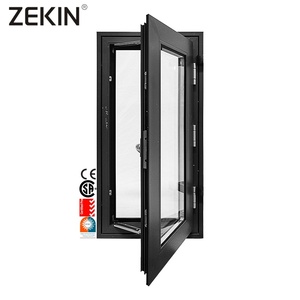
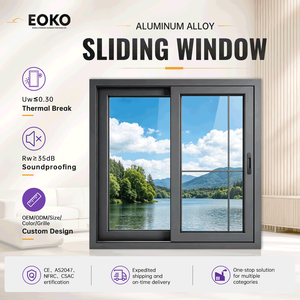
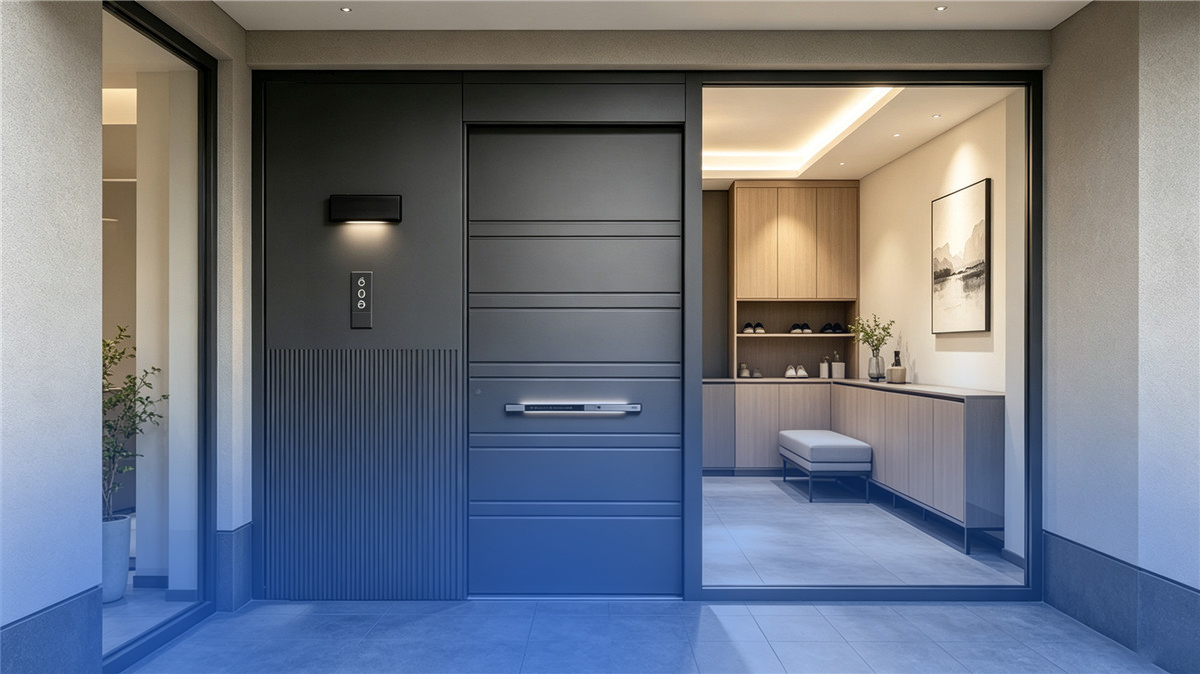
Top Trusted Aluminium Fabrication Sliding Door Factory & Exporter

Architectural Engineering Report & Global Procurement Guide: Precision Thermal Break Sliding Profiles, High Wind-Load Performance, and Direct Industrial Fabrication Standards.

180,000㎡
Smart Manufacturing Base
AS2047 N6
Maximum Wind Load Tested
100+
Patents & Global Standards
600+
Specialist Workforce
Export-Grade Portfolio

Engineered Aluminium Sliding Doors & Fenestration Series

Precision-extruded using primary 6063-T5 and 6063-T6 virgin aluminium alloys. Our high-cycle roller systems, polyamide thermal barriers, and architectural glazing configurations are certified to withstand structural deflections across high-traffic hospitality, commercial, and residential developments worldwide.

Strategic Sourcing Intelligence

Next-Gen Procurement Trends in Aluminium Door Fabrication

Procurement teams and general contractors are shifting away from fragmented trading agents toward direct structural-tier manufacturing plants. Understanding technical standards, thermal envelope compliance, and lifecycle metrics is imperative to safeguarding project ROIs.

Whole-Envelope U-Value Optimization

Strict green building codes (LEED v4.1, Title 24, and Eurocode EN 10077) necessitate composite profile thermal simulations. Sourcing mandates now define maximum whole-assembly thermal transmittance (U-factor ≤ 1.6 W/m²·K).

  • Multi-cavity PA66-GF25 reinforced polyamide strips
  • Low-emissivity warm-edge spacer glass warm edges
  • Thermal break barriers engineered against extreme cold/heat bridging

Consolidated BIM & Direct Factory Integration

Traditional RFQ iterations create costly delays. Engineering-first procurement models leverage parametric BIM libraries and direct CAD shop floor scheduling to eliminate fabrication misalignments before profile extrusion begins.

  • Direct Revit and IFC architectural file syncing
  • Zero-tolerance CNC corner crimping and profile milling
  • Consolidated mixed container packing schemes decreasing ocean freight

Corrosion Classification & Micro-Climate Matching

Global exporters must engineer surface integrity against harsh ISO 12944 corrosive atmospheres—from C3 inland developments to ultra-aggressive C5-M marine coastlines across Africa, the Middle East, and Oceania.

  • Qualicoat Seaside-grade fluorocarbon PVDF coatings (3-coat system)
  • Grade 316 marine stainless steel guide tracks and rollers
  • Sealed vulcanized EPDM continuous co-extruded perimeter gaskets
Information Gain Insight: Sourcing high-performance sliding doors requires evaluating profile structural moment of inertia (Ix, Iy) to combat deflection under wind shear. For expansive architectural openings exceeding 3.5 meters in height, specifiers should mandate reinforced interlockers capable of resisting design pressures exceeding 3000 Pa, rather than relying solely on nominal profile gauge thickness.
Industry Horizon

Technological Evolution: The Future of Aluminium Sliding Systems

Aluminium sliding door systems are advancing beyond static physical barriers into high-performance kinetic building envelopes. The convergence of motorized automation, structural glass integration, and seamless threshold engineering is redefining contemporary architectural envelopes.

Zero-Sightline Minimalist Geometries

Structural silicone glazed panels transfer dynamic wind loads directly into top and bottom concealed structural tracks, reducing vertical interlocker sightlines down to 15mm while supporting panel weights up to 800kg.

  • Concealed jambs, heads, and flush sub-floor sills
  • 98% visible light transmittance and glass surface ratio
  • High-load quad roller carriages on hardened carbon tracks

Smart Automation & In-Wall Concealed Motors

Integration with advanced Building Management Systems (BMS). Modern fabrication embeds silent linear electromagnetic motors directly into top headers for whisper-quiet movement, collision sensing, and remote access.

  • Magnetic levitation motion controls (<25dB operational noise)
  • Obstacle anti-pinch safety sensors complying with EN 16005
  • Seamless integration with smart home automation and access systems

Hydrostatic Pressure Drainage & Anti-Air Infiltration

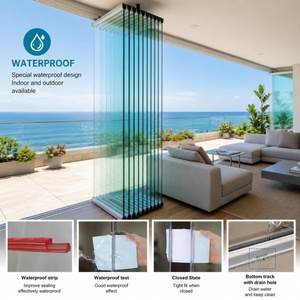
Next-generation concealed siphon drainage systems actively neutralize exterior dynamic wind pressure. Step-level sill layouts evacuate torrential downpours rapidly, preventing water backflow even during Category 5 typhoons.

  • Water tightness performance rated up to 1050 Pa
  • Multi-barrier dual durometer continuous vulcanized seals
  • Aerodynamic baffle check valves preventing reverse air pressure
Enterprise Strength

Why Global Importers & Developers Partner With Us

Guangdong Dejiyoupin Doors and Windows Co., Ltd. (DERCHI) represents China's premier fabrication echelon. With over 25 years of specialized fenestration manufacturing, we offer direct accountability, robust global certifications, and comprehensive turnkey export engineering.

DERCHI Manufacturing Base in Foshan, Guangdong

Full-Chain Precision Fabrication: From Billet to Seaport

Operating across an advanced 180,000 ㎡ production ecosystem in Foshan, Guangdong, our factory utilizes automated German cutting centers, digital five-axis CNC processing, and automated glass lamination lines. We eliminate intermediary markups, providing direct factory supply to developers in North America, Australia, the Middle East, and over 18 African nations.

With comprehensive international certifications including CE, ISO9001, Australian AS2047 (N6 Cyclic Rating), and UL Fire Listings, our doors and windows comply with rigorous local building regulations, ensuring smooth municipal sign-offs and zero operational bottlenecks on your job site.
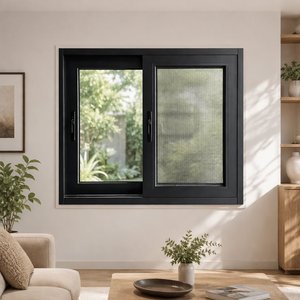
One-Stop Architectural Supply

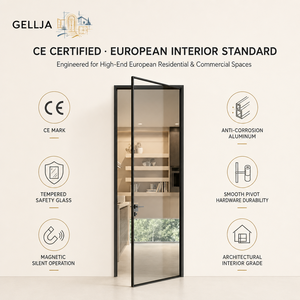
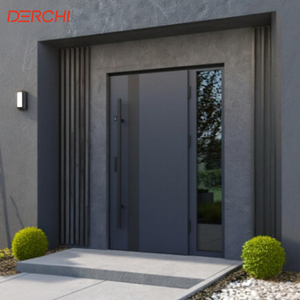
Consolidate your door schedule into single shipments: sliding systems, pivot doors, cast entrance doors, and curtain walls.

Certified AS2047 N6 & CE Quality

Our fenestration assemblies endure rigorous cyclic wind testing, air infiltration, and acoustic laboratory verifications.

Full CAD & Shop Drawing Support

Our dedicated engineering department converts complex project schedules into detailed, approved structural CAD drawings prior to fabrication.

Export-Reinforced Packaging

Every sash is isolated in protective foam, moisture-barrier wrapping, and crated in fully enclosed, IPPC-certified fumigated timber boxes.

Clear Technical Answers

Frequently Asked Questions by Industrial Sourcing Directors

Critical technical, logistical, and compliance considerations when importing custom aluminium sliding doors and architectural fenestration directly from our Chinese fabrication facility.

What are the key technical parameters required to generate an accurate factory quotation?
To generate a preliminary engineering quotation, our sales engineers require: (1) Rough opening dimensions (Width × Height) or your comprehensive architectural fenestration schedule; (2) Profile specification (thermal break vs. non-thermal break, wall thickness from 1.4mm to 3.0mm); (3) Glass configuration (e.g., 6mm+12A+6mm double tempered, laminated safety, Low-E solar reflective coating); (4) Desired surface finish (Qualicoat powder coating, fluorocarbon PVDF, or architectural anodizing); and (5) Regional site factors, such as wind-load requirements or proximity to marine coastlines.
How does your factory handle quality control across massive production schedules?
Quality control is integrated across three discrete phases: First, incoming raw aluminium extrusions undergo spectrometer alloy testing to guarantee 6063-T5 structural composition and tensile strength. Second, in-process dimensional tolerance audits are enforced at CNC precision miter cutting and corner hydraulic crimping (±0.5mm accuracy). Third, every sliding door frame undergoes full test-assembly on our inspection rigs to test roller glide force, locking engagement, and sash alignment before crating. Third-party testing (SGS, TUV) or live video audits can be conducted before packing.
What certifications accompany your aluminium sliding systems for municipal building approvals?
Our products carry international building accreditation reports, including European CE (EN 14351-1), ISO 9001:2015 quality manufacturing certifications, and Australian AS2047 accreditation with cyclic wind loading tested up to the ultimate N6 classification. For clients importing into African jurisdictions, we provide full regulatory support, delivering test reports, packing lists, and laboratory data needed for fast SONCAP (Nigeria), KEBS PVoC (Kenya), and NRCS (South Africa) customs clearance.
How do you protect oversized sliding glass units against damage during international maritime transit?
All export shipments utilize heavy-duty protective standards designed for long-distance sea freight. Profiles and sashes are encased in protective polyethylene surface film and shock-absorbent corner protectors, followed by high-density bubble wrap. The entire assembly is then secured inside custom, fully enclosed, forklift-accessible, ISPM 15-compliant fumigated plywood crates. Desiccant packs are inserted to prevent condensation during tropical ocean transits.
What hardware brands and track systems are deployed in your sliding systems?
We partner with world-renowned hardware manufacturers—including German Roto, Siegenia, GU, and premier Chinese brand Kinlong—along with custom-engineered proprietary roller assemblies. Tracks utilize solid SUS316 or SUS304 cold-drawn stainless steel inserts set in structural extruded profiles, ensuring effortless, long-term operation, corrosion immunity in salty maritime environments, and silent gliding over 100,000+ opening cycles.

Begin Your Architectural Sourcing Consultation

Send your door schedules or project drawings. Our engineering team returns fully detailed CAD shop drawings within 24 hours.

Inquire Now