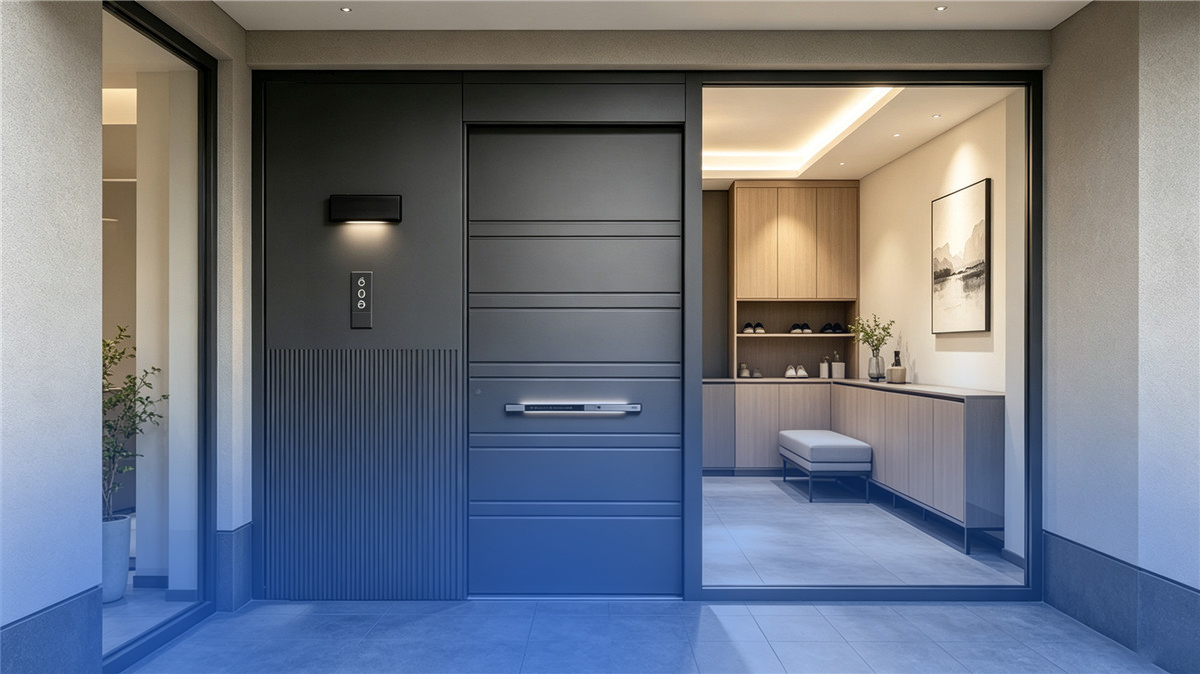
Featured Aluminium Designer Doors & Architectural Enclosures
Examine our engineered production series engineered for luxury estates, hurricane zones, commercial complexes, and modern high-end facades. Each unit undergoes strict multi-stage quality control before global container dispatch.
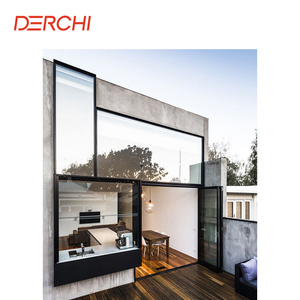 NFRC Certified
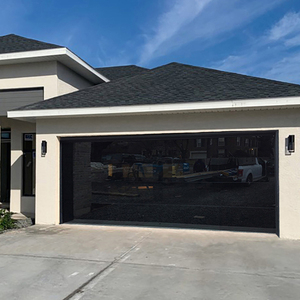 Automated System
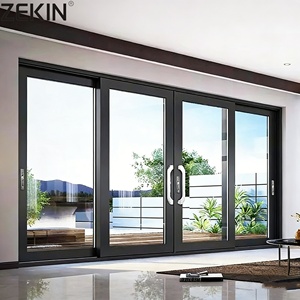 AS2047 Cyclone N6
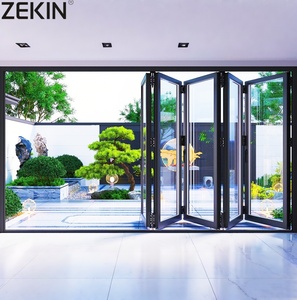
ZEKIN Aluminum Casement Door Double AS2047 Certified Glazed Glass with Low-e Casement Door Hurricane Impact Proof Other Doors
 Integrated Blinds
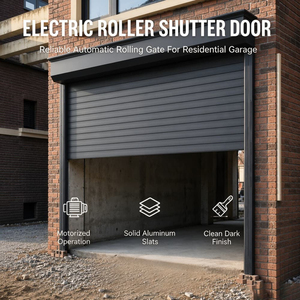 Smart Remote
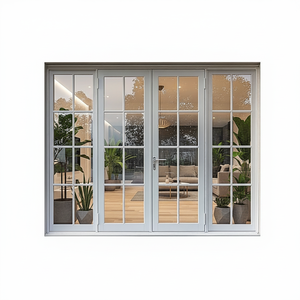 Architectural French
Sunnysky White Color Design Aluminum Kitchen Modern Front Doors for Houses Aluminum Frame Glass French Doors
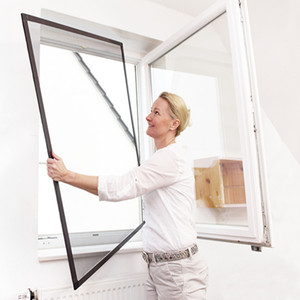 Precision Extrusion
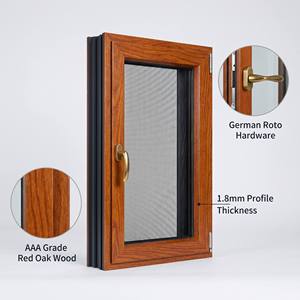 Alu-Clad Composite
HUACAI Russian Larch Grade Aluminum Wood Composite Window Sound Insulation Glazed System Window
Engineering Principles of Modern Aluminium Designer Door Systems
Navigating structural deflection, thermal separation, air-water impermeability, and dynamic cycle testing for commercial and luxury residential envelopes.
Structural Alloy Selection & Profile Wall Thickness
Aluminium designer doors are the first point of touch and the vital security perimeter of high-specification architectural works. In premium structural engineering, the distinction between standard residential framing and true commercial-grade designer doors lies within the chemical composition of the extrusion billet and the temper process. Reputable manufacturing facilities utilize primary 6063-T6 or 6060-T66 structural-grade architectural aluminium billets, strictly avoiding post-consumer scrap remelts that create micro-porosity, embrittlement, and inconsistent powder adhesion.
For oversized pivot entry doors measuring over 3,000 mm in height, wall thickness tolerances must meet or exceed 2.0 mm to 3.5 mm structural cross-sections (compliant with EN 12020-2 and GB/T 5237 standards). This elevated cross-section prevents the "bimetallic bowing effect" (differential thermal expansion when external face temperatures reach 75°C under tropical solar irradiance while interior spaces are conditioned to 21°C).
-
Polyamide PA66 GF25 Thermal Decoupling Continuous thermal breaks reinforced with 25% glass fiber ensure dimensional stability, reducing profile thermal transmittance ($U_f$) down to 1.3 W/(m²·K) to prevent condensation.
-
Automated Robotic Corner-Crimping & Epoxy Infiltration Extruded cast aluminium corner cleats are pressurized with German-formulated two-component polyurethanes, achieving permanent air tightness, water tightness, and flexural resistance.
-
AAMA 2605 / Qualicoat Class 2 Fluorocarbon (PVDF) Coatings 70% Kynar 500 fluoropolymer applications resist chalking, coastal saline salt-spray corrosion (tested to 3,000+ hours ASTM B117), and severe high-altitude ultraviolet photodegradation.

Foshan automated machining centers, smart CNC profile machining, robotic vertical powder coating booths, and testing laboratories complying with CE, ISO9001, AS2047, and UL fire standards.
| Door Category / System | Structural Profile Thickness | Thermal / Acoustic Insulation | Hardware & Security Level | Applicable Codes & Testing |
|---|---|---|---|---|
| Architectural Pivot Entry Doors | 2.5 mm – 3.5 mm T6 Alloy | U-value: 1.4 – 1.8 W/m²K | STC 38 dB | Heavy-Duty Floor Spring (500 kg), Multi-Point Automated Locking | CE / AS2047 / PAS 24 |
| Hurricane Impact Casement Doors | 2.0 mm – 2.5 mm Reinforced Billet | Low-E SGP Impact Glazed | STC 42 dB | 316 Stainless Steel Multi-Tongue Anti-Jemmy System | Florida DBPR / ASTM E1886 / AS2047 N6 |
| Heavy-Duty Thermal Bi-Fold Enclosures | 2.0 mm Profile with PA66 Break | Double/Triple Argon Glazed | U: 1.3 W/m²K | Top-Hung Stainless Steel Needle Bearing Rollers (250 kg/panel) | AAMA/WDMA/CSA 101 / ISO9001 |
| Cast Aluminium Security Villa Gates | 8.0 mm – 20 mm Solid Cast Ingot | Solid Core Acoustic Absorption Layer | Smart Biometric Fingerprint + 3D Facial Recognition Lock | GB/T 17565 Grade A Security |
| Minimalist Narrow-Stile French Systems | 1.8 mm – 2.0 mm Ultra-Slim Profile | Low-E Tempered Safety Glazing | Concealed Hydraulic Hinges & Magnetic Mortise Latches | EN 14351-1 / CE Marked |
Procurement Forecasts & Emerging Architecture Trends
How international developers, architects, and direct sourcing directors are revolutionizing entrance openings with smart building integration, ultra-narrow sightlines, and decarbonized metals.
1. Monolithic Pivot Scaling & Hidden Hardware
Standard 2.1-meter leaf heights are increasingly replaced by floor-to-ceiling 3.5m to 4.5m oversized panels. Leading factories now integrate self-closing hydraulic pivots concealed completely within the top transom and bottom threshold, eliminating bulky visible frame members and creating seamless flush transitions between indoor and outdoor living areas.
2. Low-Carbon Recycled Billets & EPD Verification
Corporate ESG mandates and European CBAM (Carbon Border Adjustment Mechanism) require verifiable Environmental Product Declarations (EPD). Global suppliers are rapidly transitioning to hydroelectric-smelted low-carbon aluminium (<4.0 kg CO²/kg Al), drastically curbing embodied carbon across high-rise residential and green building certifications.
3. IoT Integration & Active Electronic Multi-Points
Mechanical keys are giving way to integrated smart lock mortises wired directly through concealed cable transfers. These feature redundant backup systems, 3D biometric recognition, smart home home-automation integration (KNX, Zigbee, Matter), and immediate anti-tamper telemetry linked to facility control centers.
4. Multi-Material Hybrid Cladding (Alu-Wood/Stone)
Architects demand exterior weathering durability with internal natural tactility. The market is witnessing exponential demand for aluminium-clad Russian Larch or European White Oak composite assemblies, as well as exterior sintering porcelain ceramic facings bonded onto honeycomb aluminium backplates for maintenance-free lifetimes.
5. Direct Factory Sourcing & Parametric CAD/BIM
Specifiers bypass domestic distributors to reduce markups by 35% to 50%. The key enabler is tier-1 factory technical engineering departments providing millimetre-accurate BIM objects and custom CAD shop drawings, mitigating on-site measurement errors before container consolidation.
6. Extreme Coastal Saline & Cyclone Fortification
With rapid coastal development throughout the Caribbean, Gulf Coast, West Africa, and Australia, demand has centered on AS2047 N6 cyclone impact certification, cyclic fatigue resistance, and fluorocarbon anti-corrosion barriers designed to survive hostile oceanic microclimates without pitting.
Why Global Contractors Partner with Guangdong Dejiyoupin (DERCHI)
Guangdong Dejiyoupin Doors and Windows Co., Ltd. stands among China's Top 10 luxury fenestration brands, bringing 25+ years of specialized door engineering directly to international real estate developers, contractors, and discerning homeowners.
Turnkey Bespoke CAD/BIM Shop Drawings
Our dedicated structural engineering team develops full scale 1:1 CAD shop drawings, threshold water-drainage details, and anchorage structural calculations matching your exact door schedules prior to manufacturing.
Stringent International Testing Certifications
Every fenestration line is rigorously validated. We hold accredited CE certifications, ISO9001 quality management, Australian AS2047 N6 cyclone testing, and UL fire ratings to guarantee approval from project structural consultants.
Global Export Packaging & Ocean Logistics
Orders ship in reinforced export-grade plywood crates with moisture barrier wrapping and edge guards. We serve key oceanic ports including Lagos, Mombasa, Durban, Long Beach, Sydney, and Jebel Ali with complete container load planning.
Dedicated Project Engineering Support
Our sales engineering team provides 24-hour technical turnaround, direct video installation guidance, comprehensive on-site mounting manuals, and long-term hardware replacement warranties.
How to Vet Aluminium Designer Door Suppliers: The B2B Checklist
Protect your architectural investments by following our rigorous 5-point quality verification process before issuing letters of credit or container release.
Demand spectral alloy analysis reports verifying genuine 6063-T5 or 6063-T6 composition. Ensure trace iron (Fe) levels stay under 0.35% to prevent surface micro-corrosion and structural embrittlement under flexural strain.
Inquire whether corners utilize mechanical friction screws or hydraulic press crimping with structural glue injection. Screwed joints loosen over time, leading to panel sag and water infiltration under driving storms.
Insist on continuous cellular EPDM (Ethylene Propylene Diene Monomer) or vulcanized silicone weatherstripping. Inferior PVC gaskets crack, shrink, and harden within 24 months under high UV sun exposure.
Verify dual-sealed insulated glass units (IGU) featuring polyisobutylene primary seals and structural silicone secondary seals with molecular sieve desiccant warm-edge spacers to eliminate internal fogging.
Confirm hardware endurance testing reaching 100,000 to 200,000 continuous opening cycles under maximum glass weight load without hinge deflection exceeding 1.0 mm from frame datum line.
Frequently Asked Questions by Commercial Buyers & Importers
Actionable answers covering technical customisation, container logistics, compliance certifications, and maintenance across demanding environments.