Top Trusted Aluminium Composite Doors Factories & Suppliers
The Comprehensive Engineering & Strategic Procurement Whitepaper for Modern Facades, High-Security Residential Estates, and Global Commercial Infrastructure
Precision Factory Engineering
Featured Industrial & Architectural Door Portfolios
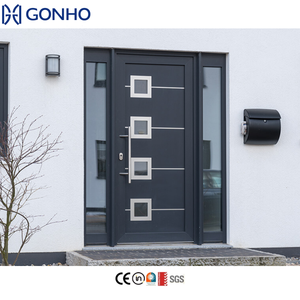
Source factory-direct performance doors manufactured to international structural integrity codes, cyclone standards, and architectural design tolerances. Each configuration is backed by full shop drawings and strict batch traceability.
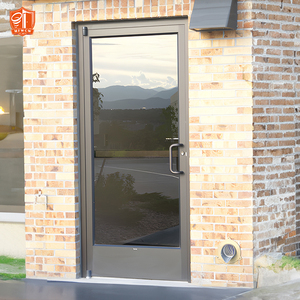
Engineered for heavy footfall in retail and commercial plazas. Fabricated from 6063-T5 high-tensile aluminium profiles with reinforced corner gussets and commercial-grade pivot closers.
Integrated polyamide thermal barrier profiles prevent energy loss between exterior and interior surfaces. Recommended for shopping complexes requiring low U-values and sound isolation.
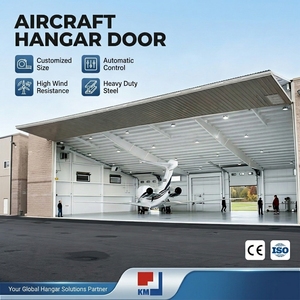
Heavy structural engineering for massive industrial spans. Fabricated using high-strength steel-aluminium composites with redundant motorization systems, fail-safe brakes, and severe wind-load resistance.
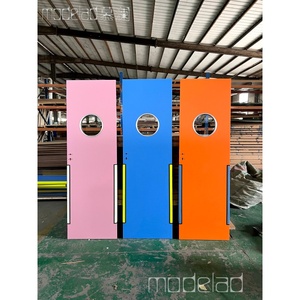
Built specifically for hospitals, schools, and high-wear environments. Features an extruded protective aluminium wrap edge around an acoustic and fire-resistant solid engineered core.
Why Tier-1 Contractors Rely On Our Manufacturing Infrastructure
Recognised among China's Top 10 premium door and window manufacturing leaders, Guangdong Dejiyoupin Doors and Windows Co., Ltd. (DERCHI) operates dedicated automated extrusion, CNC machining, surface coating, and composite lamination facilities.
180,000㎡
Foshan Mega Factory
600+
Skilled Specialists & Engineers
100+
Global Patents & Testing Accreditations
AS2047 N6
Highest Wind & Air Water Tightness
Rigorous Lean Production & Material Traceability
Unlike regional assembly workshops that purchase generic profiles on the spot market, our integrated facility controls primary billet casting, precision extrusion of 6063-T6 and 6061-T6 structural alloys, automated powder-coating lines, and robotic multi-point gluing tables for composite infill.
Every composite panel uses non-reactive polyurethane structural hot-melt adhesive, curing under a controlled uniform vacuum press to prevent surface bubbles, delamination, or panel concavity under extreme heat cycles (tested from -40°C to +85°C).
Future Procurement Trends in Aluminium Composite Doors (2025–2030)
Global supply chain shifts, tightening energy codes, and building safety regulations are altering how developers, EPC contractors, and international importers procure architectural door packages.
Direct Factory Consolidation vs. Broker Arbitrage
Large-scale residential developments in West Africa, East Africa, North America, and Australasia are moving away from local intermediary trading hubs. Developers now contract directly with primary manufacturers capable of delivering combined shipments: heavy entrance pivot doors, soundproof interior composite leaves, glass curtain façades, and automatic hangar systems in unified shipping containers.
Clearing customs in fast-growing import markets such as Nigeria (SONCAP), Kenya (KEBS PVoC), Ghana, and Australia requires certified factory compliance rather than unverified mill sheets. Importers demand accredited laboratory test certificates verifying cyclic wind pressure, air infiltration, and UL/BS fire ratings before issuing letters of credit.
BIM Integration & Parametric CAD Shop Drawings
Architectural procurement workflows no longer accept static paper sizing. Factory engineering teams must furnish parametric Revit/BIM families and millimeter-accurate shop drawings detailing threshold clearances, sub-frame anchoring, expansion allowances, and hardware milling profiles prior to production runs.
25-year non-chalking, UV stability in coastal salt climates
Hardware Compatibility
Generic Internal Locks
German Hoppe / Siegenia / Concealed Hydraulic Pivot Latches
Over 200,000 cycles without sag or latch failure
Materials Science & Innovation
Technological Breakthroughs in Aluminium Composite Door Construction
Modern composite doors have evolved from utilitarian barriers into high-performance, multi-layered architectural skins.
Graphene Nanotechnology Infill
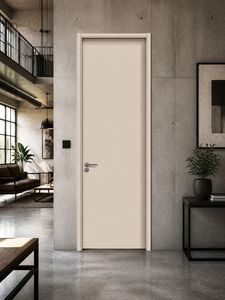
The introduction of graphene into composite matrix layers dramatically increases compressive strength without adding excessive dead weight. As seen in our TH50 Minimalist Interior Systems, graphene infill enhances acoustic wave dissipation, giving thin profiles acoustic ratings that match heavy timber doors.
Thermal Decoupling & Polyamide 66 Barriers
Thermal transmission between intense tropical exterior heat and conditioned interior spaces can cause structural bi-metal warping in monolithic doors. Our composite designs implement 34mm PA66 low-expansion thermal bridges, isolating outer and inner skins and preventing door leaf distortion.
Cast Aluminium 3D Relief Skins
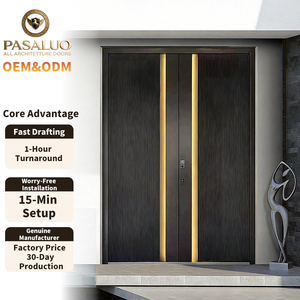
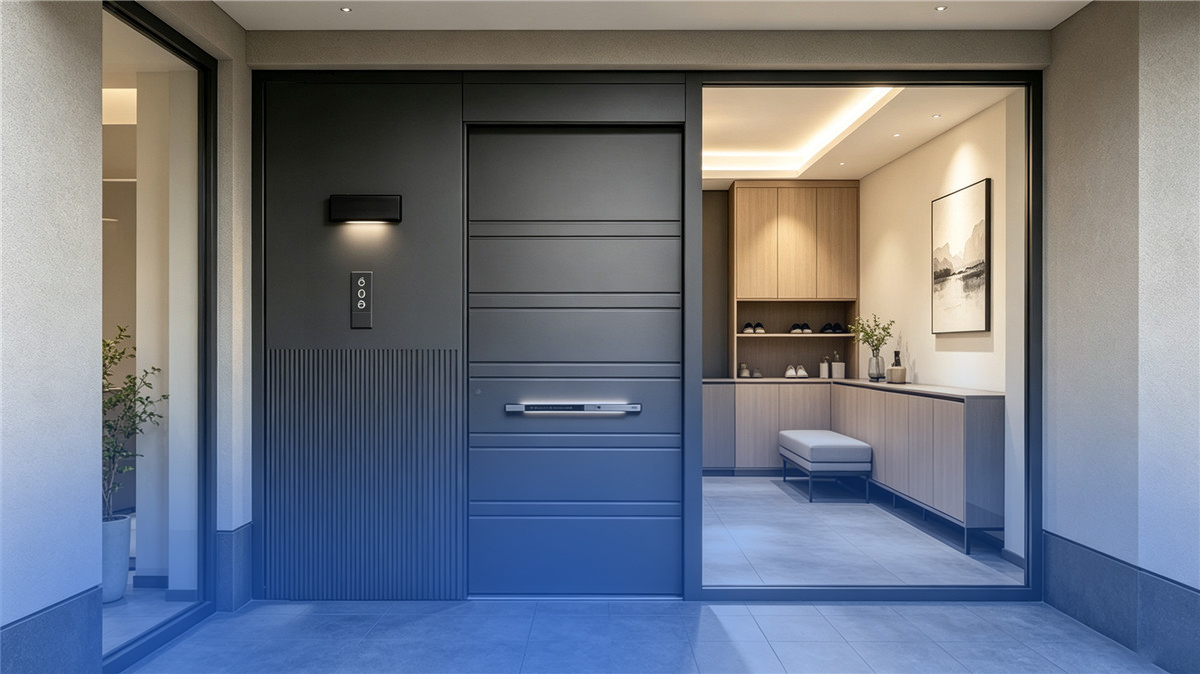
High-end estate and villa projects demand sculptured, three-dimensional designs that cannot be achieved with sheet roll-forming. By combining monolithic vacuum cast-aluminium plates with high-rigidity composite backings, our exterior villa doors provide bespoke artistry with extreme forced-entry resistance.
Precision Factory Engineering
Delivering Mission-Critical Reliability Across International Ports
Whether navigating the saline marine environment of coastal cities like Lagos, Mombasa, or Durban, or engineering impact-resistant commercial facades against typhoons in the Philippines, our doors are customized for target environmental exposures.
Every order undergoes rigorous pre-assembly in our Foshan base. We inspect hinge alignments, flush latch operation, and lock cylinder tolerances before disassembling and packing each unit into export-grade solid wooden crates with vapor-barrier protective wrapping.
Structural Engineering: Wind-load certified up to 4500 Pa (AS2047 N6).
Corrosion Protection: Marine-grade powder coat and anodized options resisting 2,000+ hours of continuous salt spray testing.
Acoustic Performance: Sound insulation index values ranging from Rw 35dB to Rw 45dB.
Frequently Asked Questions by Importers & Contractors
Real-world technical answers on sea container logistics, structural compliance, customization capabilities, and export certification.
What makes aluminium composite doors structurally superior to traditional steel or pure wooden entry doors?
Traditional steel doors can rust over time when exterior coatings fail, especially in humid or coastal areas, while solid timber doors expand, warp, and crack under cycling moisture and UV radiation. Aluminium composite doors combine high-tensile 6063-T5 aluminium profiles with a stabilized composite core. This configuration delivers the natural aesthetics or contemporary appearance of wood, the structural security of steel, and the lightweight corrosion resistance of aluminium without swelling or rotting.
How does your factory protect doors during ocean freight shipping to Africa, North America, and Australia?
All doors undergo a multi-layer protective packaging regimen: first, a removable electrostatic scratch film is applied to all finished profiles; second, corner protectors safeguard all edges; third, leaves are enclosed in high-density polyethylene air bubble wrap; and finally, units are secured inside fully enclosed, fumigated wooden crates or steel-reinforced pallets. Containers are loaded with balanced weight distribution and internal bracing to eliminate shifting during long sea transit.
Can you support regional import compliance including SONCAP, KEBS PVoC, or Australian AS2047 inspections?
Yes. We regularly coordinate factory audits, physical testing witness reports, and pre-shipment inspections (PSI) with international testing bodies such as SGS, Intertek, and CCIC. We prepare commercial invoices, packing lists, test reports, and certificates of conformity (CoC) matching your clearing agent’s requirements for hassle-free customs entry into Lagos, Mombasa, Durban, Sydney, or Los Angeles.
What level of customization is possible for oversized architectural villa pivot doors?
We provide 100% custom engineered production. We manufacture large-format pivot doors reaching heights up to 6,000mm and widths up to 3,000mm in single-leaf configurations. Engineering adjustments include heavy-duty hydraulic self-closing floor springs rated up to 1,000 kg, multi-point keyless access systems (biometric fingerprint, RFID, dry contact building automation), and bespoke cast-aluminium or composite facings.
What are the lead times from CAD approval to container loading?
Standard residential composite door schedules typically require 25 to 35 days for manufacturing following sign-off on shop drawings and color swatches. Custom cast-aluminium molds or specialized fire-rated commercial assemblies range between 35 and 45 days. Dedicated project managers provide weekly photo and video inspection updates directly from the manufacturing line.
Partner with a Verified Global Door Manufacturer
Consolidate your building door schedule, lower import risk, and secure direct factory pricing for your upcoming villa, hospitality, or commercial development project. Our sales engineers provide CAD proposals within 24 hours.
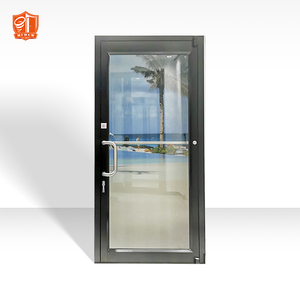 Commercial Grade