Engineered Fenestration Systems & Protective Entrances
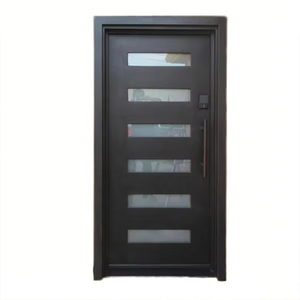
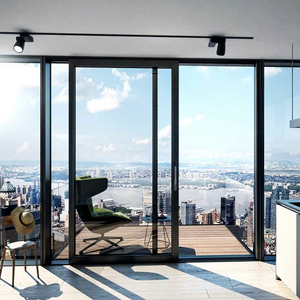
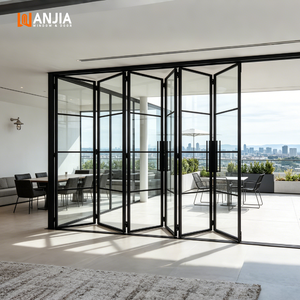
Explore our high-performance aluminum casement windows, hurricane-rated sliding systems, high-traffic commercial doors, and precision-machined pivot entryways configured to global compliance standards.
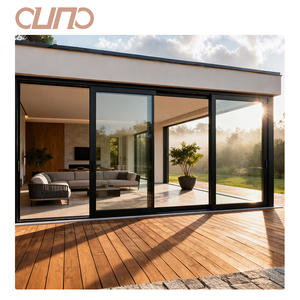
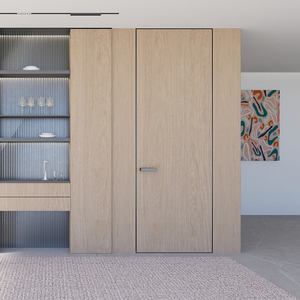
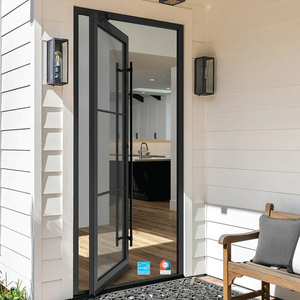
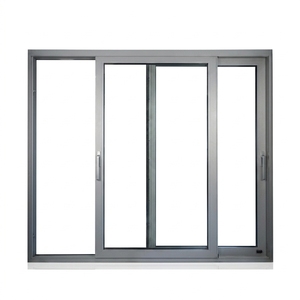
Engineering Whitepaper: The Anatomy of High-Performance Aluminium Casement Systems
In contemporary architectural engineering, specifying building envelope solutions demands uncompromising structural resilience, thermal isolation, and strict environmental compliance. Casement windows engineered with primary 6063-T5 and 6063-T6 architectural aluminum alloys represent the premier standard for modern residential envelopes, high-rise luxury developments, and demanding commercial facades. Unlike conventional sliding or awning systems, casement profiles utilize high-compression perimeter sealing systems that seat mechanically against the sash frame upon closure, achieving exceptional resistance against dynamic wind pressure, water penetration, and acoustic infiltration.
As an established top-tier manufacturer operating out of Foshan, Guangdong Dejiyoupin Doors and Windows Co., Ltd. (DERCHI) engineers fenestration systems tailored to withstand extreme environmental parameters. Whether countering high-velocity cyclones across the Pacific rim, high salinity air in coastal African metropolises such as Lagos, Mombasa, and Durban, or severe desert thermal swings across the Middle East, high-integrity casement window fabrication depends upon three vital structural pillars: multi-chambered profile extrusion, precision multi-point perimeter compression locking gear, and structurally decoupled polyamide (PA66-GF25) thermal barrier integration.
| Engineering Parameter | DERCHI Commercial Heavy-Duty Casement | Standard Market Aluminum Casement | Compliance Test Benchmark |
|---|---|---|---|
| Alloy Grade & Wall Thickness | 6063-T6 / 2.0mm to 3.0mm Structural Profile | Secondary Scrap Ingot / 1.2mm – 1.4mm | EN 12020-2 / GB 5237-2017 |
| Thermal Decoupling | 24mm–34mm Multi-Cavity PA66-GF25 Polyamide | Non-Thermal or Low-Grade PVC Inserts | ISO 10077-2 / ASTM C1363 |
| Glazing Capability | Triple Glazed Argon / Low-E / 42mm Acoustic Units | Single Plate or Basic 5+6A+5 Double Glazed | AS1288 / IGCC / CE EN 1279 |
| Air Infiltration Rate | < 0.1 m³/(h·m) at 100 Pa (Class 4 Airtightness) | 1.5 to 2.5 m³/(h·m) (Class 1–2) | ASTM E283 / EN 12207 |
| Water Penetration Resistance | Static > 900 Pa; Dynamic Rainscreen > 1200 Pa | 150 Pa – 300 Pa | ASTM E331 / AS2047 Class N6 |
| Hardware & Cycle Fatigue | German Siegenia / CMECH 100,000 Cycle Tested | Generic Zinc Alloy Hardware (10,000 Cycles) | AAMA 901 / EN 13126-8 |
Future Procurement Trends for Global B2B Importers, Façade Engineers & Developers
International supply chain procurement in the architectural fenestration sector is experiencing fundamental structural shifts. Sourcing managers and real estate developers are moving beyond simple price-per-square-meter transactions, prioritizing supply chain auditability, embodied carbon metrics, and integrated manufacturing capabilities. The following procurement dynamics define the 2025–2030 sourcing horizon:
Consolidated Multi-Category Orders
Developers are eliminating disjointed sourcing risk by procuring entire fenestration packages—including exterior casements, automatic garage shutters, hurricane-resistant sliding doors, and oversized pivot entries—from a single high-capacity manufacturing base like DERCHI. This substantially optimizes container cubic load factors and mitigates project management friction.
Mandatory National Conformity Documentation
Cross-border customs inspection regimes, such as Nigeria's SONCAP, Kenya's KEBS PVoC, South Africa's NRCS, and the GCC's SASO standards, now demand exhaustive factory-of-origin testing documentation. Factory direct suppliers must provide complete metallurgical traceability, laboratory fire resistance reports, and certified mechanical cycling tests.
BIM & Parametric CAD Pre-Engineering
Modern procurement agreements reject hand-drawn estimations. Suppliers are now contractually required to furnish detailed Building Information Modeling (BIM) files and custom shop drawings directly integrated with structural facade engineering plans before raw metal extrusion or CNC profile cutting commences.
Fenestration Technology Evolution: Next-Generation Aluminum Casement Innovations
The architectural aluminum casement window is transitioning from a passive structural element into an intelligent, high-efficiency building component. Advanced structural design breakthroughs include:
Ultra-Narrow Minimalist Sightlines
Utilizing high-tensile 6063-T6 alloys allows structural sightlines to shrink below 45mm without compromising wind load deflection ratings. Glass surface area is maximized, flooding contemporary living spaces with daylight while maintaining rigorous envelope structural integrity.
Concealed Smart Automation
Micro-actuated chain drives and multipoint locking devices are now integrated directly inside the sash frame profile. These internal units interface smoothly with commercial BACnet or residential KNX smart-home protocols, automating climate-controlled purge ventilation and emergency smoke evacuation.
Fluorocarbon & Qualicoat Marine Powder Systems
Standard architectural finishes quickly break down under aggressive marine UV and chloride salt exposure. Next-generation polyvinylidene fluoride (PVDF) coatings applied with electrostatic spray guns provide 25+ years of color stability and zero surface pitting across humid coastal regions.
Why Leading Global Contractors Partner with Guangdong Dejiyoupin (DERCHI)
Ranked consistently among the Top 10 doors and windows manufacturers in China, DERCHI delivers industrial-scale capacity, deep fabrication expertise, and dedicated global export support.
180,000 ㎡ Mega Facility
Operates automated German CNC cutting centers, hydraulic crimping machines, and precision powder coating lines located in Shishan Town, Nanhai District, Foshan.
AS2047 Class N6 Rating
Our fenestration assemblies pass the stringent Australian AS2047 standard under N6 cyclone conditions—representing superior air, water, and wind-load performance.
Global Approvals
Certified across international standards: ISO9001 quality systems, CE European safety conformity, UL commercial fire-rated certifications, and American NFRC ratings.
Custom Sea Crating
Each unit is individually shrink-wrapped with waterproof EPE foam, corner-protected, and packed inside steel-strapped solid plywood crates for safe sea container shipping.
Technical & Commercial Fenestration Procurement FAQ
Authoritative answers to the most critical technical, commercial, and operational questions asked by quantity surveyors, facade consultants, and general contractors during cross-border procurement.
How do you verify structural wind-load resistance for high-rise commercial installations? +
What surface treatment specification guarantees longevity in high-salinity coastal environments? +
What U-value thermal insulation performance can DERCHI casement systems achieve? +
Can you provide comprehensive shop drawings and structural submittals for architectural review? +
How are products crated to eliminate glass breakage and profile abrasion during sea shipping? +
What documentation and test reports are provided for regional customs clearance? +
Ready to Engineer Your Project's Fenestration Schedule?
Connect directly with our senior fenestration engineering team for comprehensive CAD shop drawings, acoustic and thermal calculations, container packing plans, and competitive factory-direct pricing for your next residential or commercial project.
Get a Quote