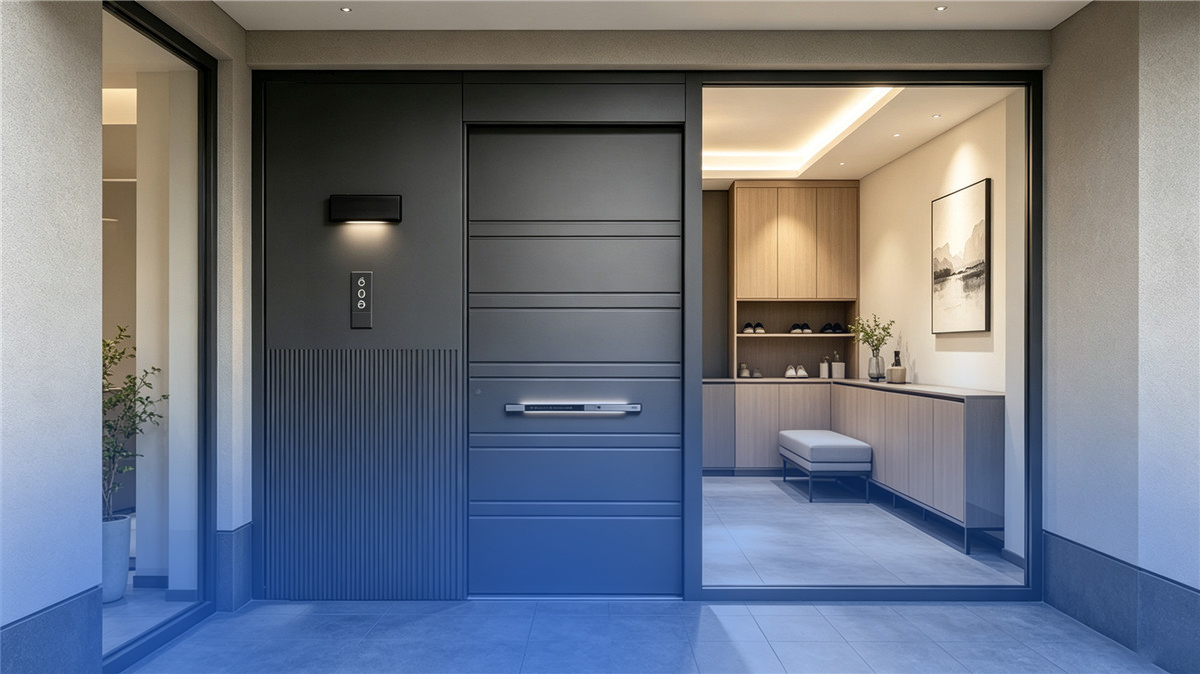
Featured High-Performance Architectural Systems
Engineered for extreme wind pressure, cyclonic wind-borne debris, strict acoustic zoning, and high thermal resistance. Factory direct production manufactured under ISO 9001:2015 and CE quality management.
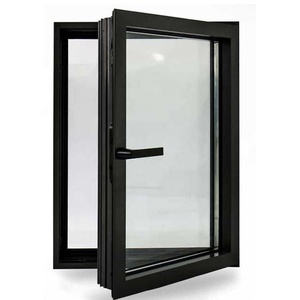
Superhouse Passive House Aluminum Crank Awning Window
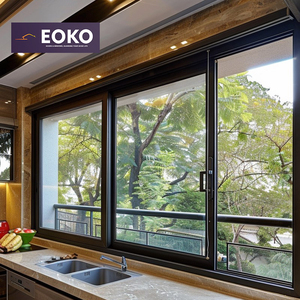
EOKO CE Certified Window Impact Resistant Double Glazed Sliding Windows
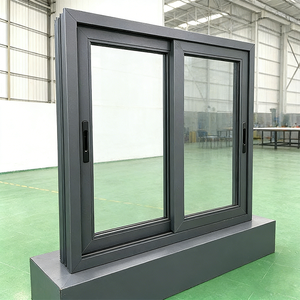
Commercial Thermal Break Aluminum Glass Sliding Windows
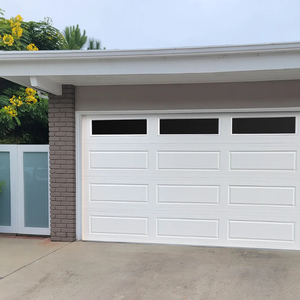
Custom Aluminum Automatic Roll Up Garage Doors For Homes
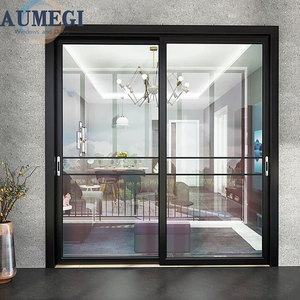
Aumegi High Performance Alu Glass Sliding Doors System
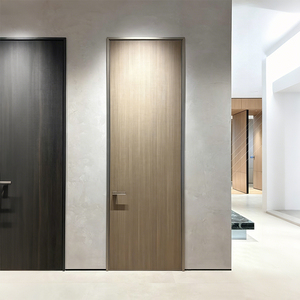
Soundproof Aluminum Honeycomb Wood Veneer Interior Door
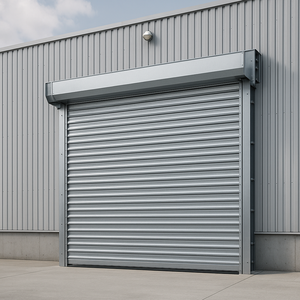
Automatic Insulated Aluminium Roller Shutter HUADUN Brand Door
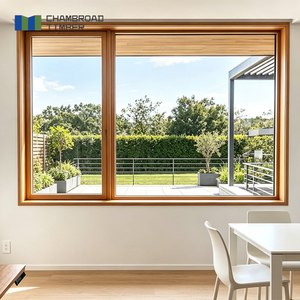
Triple Glazed Aluminum Clad Wood French Windows
Why Guangdong Dejiyoupin (DERCHI) Anchors Global Supply Chains
Selecting a Tier-1 fenestration partner in China demands scrutiny beyond unit pricing. As the architectural manufacturing capital of Southern China, Foshan hosts high-tech fabrication complexes capable of processing structural aluminum extrusions into fully validated building envelope assemblies.
Single-Source Factory Consolidation
Unlike trading intermediaries, our 180,000 m² footprint in Nanhai District, Foshan produces aluminum casement windows, ultra-slim sliding systems, fire-rated pivot doors, cast-aluminum security entry assemblies, and insulated roll-up garage systems under one roof. Overseas procurement directors consolidate disparate fenestration schedules into standardized, damage-protected 40HQ ocean containers, slashing transatlantic freight and cross-dock handling expenses.
Verified International Accreditations
Every batch is engineered to comply with regulatory building authorities worldwide. DERCHI maintains third-party certified test documentation including European CE (EN 14351-1), Australian AS2047 cyclonic pressure testing (N6 rating up to 4500 Pa), North American AAMA/WDMA/CSA standards, and UL fire-rated certifications. Comprehensive compliance packages eliminate customs impoundment risks and expedite structural engineering sign-offs.
Precision CAD & BIM Engineering Shop Drawings
Eliminate site misfits before extrusion commences. Our in-house technical bureau of 45+ structural engineers converts rough architectural elevations and structural schedules into exact 2D CAD production drawings and parametric 3D BIM models. Anchor placements, structural deflection thresholds, structural silicone bites, and perimeter sub-sill flashing interfaces are thoroughly vetted to guarantee seamless field installation.
Thermal, Acoustic, and Structural Performance Benchmark
Understanding performance metrics prevents fenestration failure under severe weather conditions. Below is our engineering comparison matrix across common aluminum fenestration configurations.
| System Configuration | Thermal U-Factor (W/m²·K) | Solar Heat Gain (SHGC) | Acoustic Attenuation (STC) | Water Tightness (Pa) | Wind Load Resistance | Optimal Project Application |
|---|---|---|---|---|---|---|
| Non-Thermal Architectural Profile | 4.5 – 5.8 | 0.58 – 0.72 | 28 – 30 dB | 300 Pa | 1600 Pa | Interior Partitions, Warehouses, Mild Climate Regions |
| Standard Thermal Break (14.8mm PA66) | 2.2 – 2.8 | 0.35 – 0.45 | 33 – 36 dB | 450 Pa | 2500 Pa | Mid-Rise Commercial & Standard Residential Villas |
| High-Performance Dual Cavity (24mm-34mm PA66) | 1.3 – 1.8 | 0.22 – 0.32 | 38 – 42 dB | 700 Pa | 3500 Pa | Luxury Coastal Residences & High-Rise Coastal Towers |
| Passive House Certified Alu-Clad System | ≤ 0.79 W/m²·K | 0.18 – 0.28 | 42 – 47 dB | 1050 Pa | 4500 Pa (N6) | Net-Zero Architecture, Extreme Climates, Acoustic Zones |
Emerging Procurement Trends Shaping Aluminum Fenestration (2025–2030)
Commercial developments and residential master plans require forward-compatible specifications that satisfy evolving carbon mandates and extreme climatic volatility.
1. Low-Embodied Carbon Extrusions & Recycled Billets
Global ESG criteria (such as EU CBAM and US LEED v4.1) require contractors to furnish verifiable Environmental Product Declarations (EPDs). Leading Foshan manufacturers are transitioning from coal-powered electrolytic primary aluminum to hydro-powered billets and post-industrial recycled scrap (exceeding 60% closed-loop circular alloy). This transition trims carbon footprints by over 70% while maintaining native structural yield strengths ≥ 160 MPa.
2. Structural Micro-Sightlines & Concealed Motorization
Architectural preference has decisively moved toward ultra-narrow sightlines (20mm interlocking stiles) with completely recessed jambs, heads, and sills. To support multi-meter monolithic panes weighing upwards of 600 kg, Tier-1 factories integrate brushless magnetic levitation drives and smart IoT actuators concealed within the top transom, interfacing directly with building automation protocols (KNX, BACnet, Zigbee).
3. High-Performance Warm Edge & Polyisobutylene Primary Seals
Premature glass seal failure in tropical or coastal climates accounts for massive post-handover warranty claims. The future of insulated glazing units (IGUs) relies on composite thermoplastic warm-edge spacers (TPS) replacing traditional hollow aluminum spacers. Combined with automated dual-barrier secondary structural silicone, argon gas retention rates exceed 95% over a 30-year operational lifecycle.
4. Specialized Surface Chemistries for Extreme Exposure
From salt-laden sea air in coastal West Africa and Australasia to high-UV, abrasive desert dust storms in the Middle East, standard polyester powder coatings deteriorate within years. Importers now mandate AAMA 2605-compliant 70% Polyvinylidene Fluoride (PVDF) fluorocarbon liquid coatings or Qualanod-certified Class 1 anodic films (25μm minimum thickness) delivering 3,000+ hours of continuous salt-spray corrosion resistance.
Quality Control Protocols on the Foshan Factory Floor
To eliminate latent structural failure before ocean dispatch, institutional clients and engineering consultants rely on this rigorous five-stage shop-floor inspection roadmap.
Alloy Integrity & Wall Calipering
Primary extrusion billets must conform precisely to 6063-T5 or 6063-T6 metallurgical temper standards. Using calibrated ultrasonic thickness gauges, QA auditors ensure main load-bearing profile walls measure no less than 1.4mm to 2.0mm for residential windows, and 2.0mm to 3.5mm for heavy commercial curtain-wall and sliding systems, adhering strictly to ASTM B221 and GB/T 5237.
Thermal Strip Shear & Crimping
Sub-standard factories cut corners by using brittle PVC strips instead of glass fiber reinforced Polyamide (PA66 GF25). We conduct transverse tensile testing and longitudinal shear tests on thermal barrier assemblies to guarantee that the knurling and mechanical crimping retain structural integrity under thermal shock cycles (-30°C to +80°C).
Corner Joint Sealing & Fluid Injection
Mitred corner joints are mechanically clamped with heavy-duty aluminum corner cleats, followed by automated pneumatic injection of two-component polyurethane corner-joint adhesive. This permanent bonding matrix prevents micro-fissuring, water intrusion, and diagonal frame sagging over decades of cycling.
Perimeter Gaskets & Hardware Fatigue
We mandate continuous vulcanized EPDM gaskets instead of cheap PVC alternatives. Hardware sets (friction stays, multi-point lock gears, and concealed hinges from Roto, Siegenia, or Hoppe) undergo cyclic endurance testing (exceeding 25,000 opening/closing operations) to verify smooth actuation under full sash gravitational loads.
Multi-Layer Export Crate Packaging
Rough ocean freight and multi-modal inland transport require industrial crating. Finished assemblies are sealed in protective PE film, edged with 10mm high-density EPE foam buffers, vacuum-sealed with silica gel desiccants, and enclosed within IPPC-certified fumigated marine plywood crates fitted with vibration-dampening pallet skids.
Pre-Shipment Trial Assemblies
Prior to container packing, complex oversized units (e.g., multi-track pocket sliding systems, 6-meter pivot doors, curtain wall modules) undergo 100% factory trial assemblies. Frame plumbness, sash alignments, glass clearances, and latching tolerances are photographically recorded for client pre-shipment sign-off.
B2B Procurement Frequently Asked Questions
Direct, technically grounded answers addressing the logistical, engineering, and commercial concerns of international developers, EPC builders, and architectural importers.
Accelerate Your Architectural Fenestration Sourcing
Connect directly with our senior fenestration engineering desk in Foshan. Submit your window schedules, architectural elevations, or structural specifications for an immediate, factory-direct technical estimate and compliance breakdown.