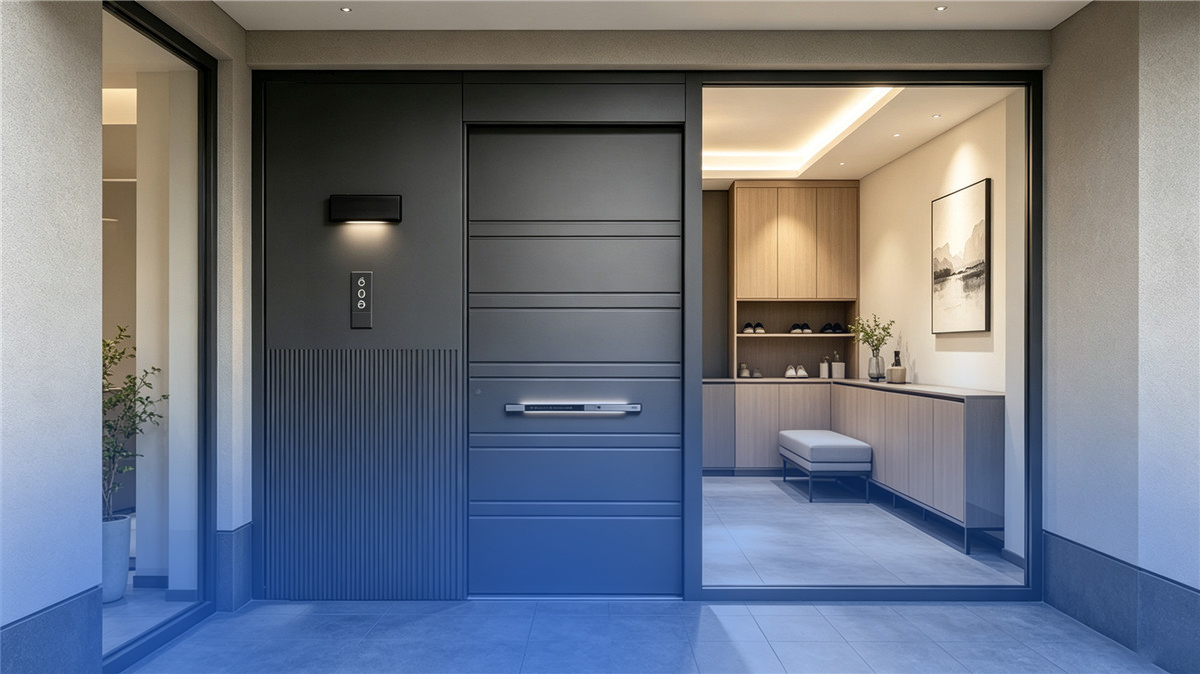
High-Performance Aluminum Louver & Architectural Door Systems
Manufactured from structural-grade 6063-T5/T6 primary billet alloys, offering tailored solutions for hurricane protection, continuous acoustic dampening, and climate-responsive natural ventilation.
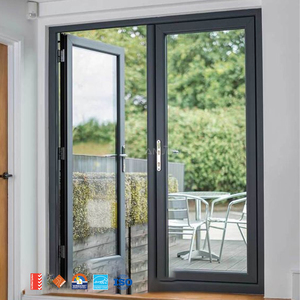
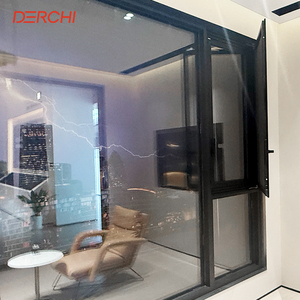

Engineering Anatomy of Architectural Aluminum Louver Systems
Decoupling air volume balance, acoustic attenuation, and tropical storm wind shear through advanced metallurgical profiling.
In commercial architecture and luxury coastal residential planning, selecting top China aluminum louvered doors manufacturers requires looking far beyond standard extrusions. A heavy-duty architectural louver system is not merely an aesthetic screen; it serves as an engineered mechanical envelope component. Operating under extreme solar exposure and volatile wind loads, modern aluminum louver systems balance three conflicting thermodynamic demands: unobstructed aerodynamic free area (FFA), certified acoustic dampening, and reliable water ingress protection under dynamic wind-driven rain pressure. Guangdong Dejiyoupin Doors and Windows Co., Ltd. (DERCHI) leads this category by applying precision metallurgy, robotic corner welding, and multi-chambered thermal break profiling that exceeds international structural standards.
Aerodynamic Free Area & Pressure Drop
DERCHI louvers are hydrodynamically engineered with aerodynamic chevron and acoustic S-curved profiles. This geometry provides up to 55% effective free-ventilation area while maintaining an optimal discharge coefficient, preventing mechanical HVAC overheating and stale air pocketing in substations and generator enclosures.
Severe Weather & Storm Defense
Equipped with internal weep-hole drain systems, marine-grade continuous EPDM Santoprene synthetic seals, and rear anti-blowback baffles. Tested under simulated cyclic wind forces and driving rain velocities up to 50 m/s (AS2047 and Florida Building Code standards), keeping utility hubs entirely dry.
Architectural Security & Structural Rigidity
Constructed with wall thicknesses up to 2.5 mm using virgin 6063-T6 aluminum alloys. The blade-to-jamb connections use internal concealed stainless steel pins (AISI 316) combined with mechanical multi-point locking pins to deliver Class RC3 anti-burglary protection for commercial applications.
Future Procurement Trends in Architectural Louvered Systems
How global decarbonization mandates, smart building integration, and supply chain consolidation are redefining the manufacturing standards for aluminum louvered doors.
1. Polyamide Thermal Separation
Energy codes like ASHRAE 90.1 and Title 24 are expanding. Specifiers increasingly reject uninsulated louvers in conditioned perimeters, moving to thermal break louver assemblies fitted with 24 mm to 34 mm PA66 GF25 polyamide insulation strips that eliminate thermal bridging.
2. BMS-Integrated Mechatronics
Procurement is shifting away from static, fixed louvers toward intelligent linear actuator-driven motorized louver profiles. Communicating through BACnet or KNX network protocols, these dynamic systems adjust blade pitch in real time based on solar angles and air-exchange demands.
3. Hyper-Durable Coastal Finishes
In high-corrosion coastal zones like Lagos, Miami, and Durban, standard powder coating often fails within 36 months. High-yield procurement now specifies Qualicoat Class 3 or AAMA 2605 70% Polyvinylidene Fluoride (PVDF) fluorocarbon coatings tested past 4,000 hours of continuous salt spray.
4. BIM & Schedule Bundling
Modern commercial general contractors cut lead times and logistics costs by working with single-source suppliers. Bundling custom architectural louvers, fire-rated pivot doors, and impact french doors into single container plans significantly reduces on-site misfits and freight expenses.
Next-Generation Technology Evolution in Louver Manufacturing
Continuous engineering breakthroughs transforming simple ventilating panels into structural envelope components.
Acoustic Resonator Infill
Next-gen aluminum louver blades integrate micro-perforated acoustic sound-baffle chambers filled with non-combustible basalt mineral wool. This design delivers transmission loss ratings exceeding Rw 32 dB, isolating noisy rooftop cooling towers and mechanical rooms adjacent to luxury penthouses.
Aerodynamic Computational Fluid Dynamics (CFD)
DERCHI's engineering design lab uses finite element fluid analysis to develop asymmetric blade geometries. These shapes maintain rain-shedding capabilities at continuous airflow rates above 4.5 m/s, preventing vacuum pull during intense coastal wind shear events.
Invisible Flush-Hinge Articulation
Eliminating visible hardware, our heavy-duty hidden pivots handle door leaves exceeding 350 kg. Integrated with magnetic interlock sensors and hidden multi-point locking pins, this delivers clean sightlines for modern villa facades and hotel resort corridors.
Frequently Asked Questions: Sourcing from China Manufacturers
Direct technical answers addressing lead times, code compliance, maritime logistics, and precision field specifications.
What are the key technical specifications required to quote custom aluminum louvered doors accurately? +
How do DERCHI aluminum louver doors prevent water ingress during severe tropical storms? +
What international testing standards and quality control certifications do your doors hold? +
How are oversized custom louver and pivot doors packaged to prevent damage across long sea transits? +
Can you support custom architectural finishes like fluorocarbon, anodized, or realistic timber sublimation? +
What is the standard production lead time for commercial container quantities? +
Request a Custom Engineering Louver Door Package
Send your project door schedules, elevation drawings, or bill of quantities. Our English-speaking fenestration engineers will provide free CAD shop drawings, structural calculations, and a factory-direct FOB/CIF quotation within 24 hours.
Contact Us