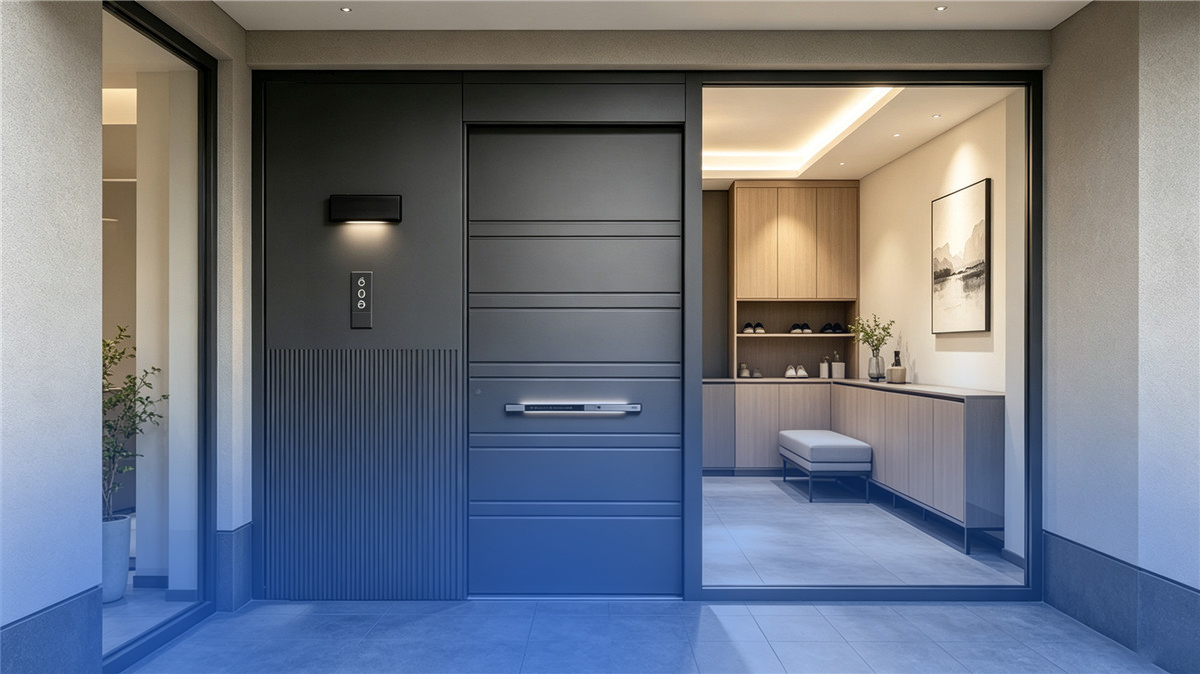
Precision-Engineered Architectural Door Systems
Engineered by Guangdong Dejiyoupin Doors and Windows Co., Ltd. (DERCHI). Rigorously tested for maximum acoustic isolation, cyclonic wind-load durability, and seamless interior-exterior flush integration.
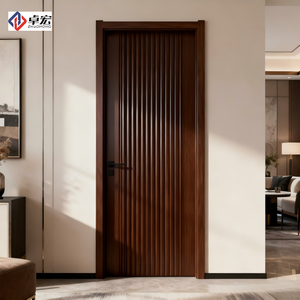
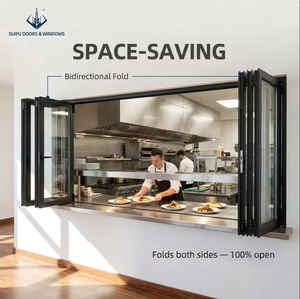
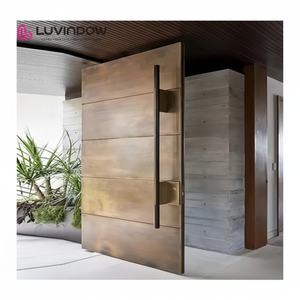
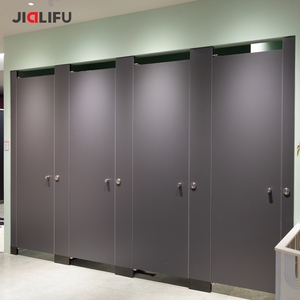
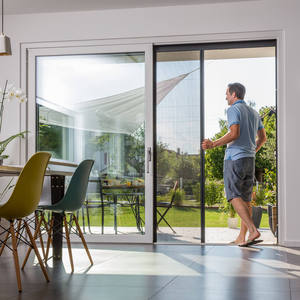
Aluminium Pocket Door Engineering: Structural Mechanics & Spatial Flow
Why modern commercial complexes, high-end residential villas, and hospitality landmarks are transitioning to concealed aluminium pocket systems.
Structural Cavity Reinforcement
Traditional architectural timber pocket frames fail over time due to structural sagging and ambient moisture absorption, resulting in mid-cavity friction and panel jamming. China's premier manufacturing lines utilize 6063-T6 aerospace-grade virgin extruded aluminium cages engineered with reinforced split-stud mullions. This delivers uncompromising deflection resistance (surpassing L/360 criteria) while accommodating wall cladding loads of up to 45kg/m² directly across the hidden pocket facade without inward warping.
Concealed Heavy-Duty Kinetics
The core vulnerability of any pocket door configuration lies in top-track roller degradation and maintenance access. Tier-1 manufacturers engineer track systems equipped with high-durability polymer carriage wheels on sealed stainless steel ball bearings. Paired with integrated dual-direction hydraulic dampening, panels weighing up to 400kg glide with operating friction below 15N. Modular maintenance portals enable technicians to adjust panel alignment (±5mm vertical and horizontal) or swap components without demolishing drywall partitions.
Multi-Chamber Weather Sealing
Exterior pocket configurations historically suffered from air leakage, dust penetration, and water infiltration. Advanced Chinese extrusion systems resolve this via multi-chamber polyamide thermal-break insulation bars coupled with vulcanized continuous EPDM compression seals. When the pocket leaf slides into fully closed position, an automated drop-seal mechanism engages with flush floor guides, creating a continuous acoustic barrier (achieving Rw 38dB - 42dB acoustic dampening) and robust air tightness against monsoon driving rains.
Future Procurement Trends in Aluminium Pocket Door Manufacturing (2025–2030)
Critical procurement intelligence for architectural specifiers, developers, and global supply chain directors.
Smart Automation & Magnetic Levitation (Maglev)
Global procurement metrics indicate a 42% year-on-year surge in specifications for brushless electromagnetic linear motor propulsion within pocket systems. Maglev drives virtually eliminate mechanical friction, reducing operating noise levels below 28dB(A). Automated synchronization with smart home and building management systems (BMS) enables touchless gesture activation, automatic closing cycles upon occupancy exit, and anti-pinch safety sensors aligned with international safety directives (such as EN 16005).
Ultra-Minimalist Sightlines & Zero-Clearance Thresholds
Architectural design language continues to prioritize monolithic spatial continuity. Procurement schedules are rapidly dropping traditional wide-architrave framing in favor of frameless plaster-in sub-jambs. Additionally, recessed flush-floor tracks equipped with hidden drainage scuppers have replaced elevated floor tracks. This ensures compliant barrier-free transitions (ADA and global universal access compliant) that withstand severe water-entry challenges without floor channel tripping hazards.
Low-Carbon Recycled Alloys & EPD Verification
Institutional property developers across North America, Europe, and Australasia now mandate Environmental Product Declarations (EPD). Leading Chinese factories have shifted upstream sourcing toward scrap-recycled, renewably powered low-carbon aluminium billets (carbon intensity < 4.0 kg CO₂e/kg Al). Selecting an audited Chinese manufacturer capable of providing full traceability and third-party ISO 14025 verification prevents cross-border carbon border adjustment tax penalties during commercial import stages.
| Evaluation Parameter | Standard Low-Tier Pocket Door | Architectural Tier-1 Standard (DERCHI Standard) | Industry Standard Testing Benchmark |
|---|---|---|---|
| Alloy Metallurgy | Secondary Scrap Ingot / Uncertified Billets | Virgin 6063-T6 / 6061-T6 Custom Structural Extrusion | GB 5237 / ASTM B221 Compliance |
| Cavity Structural Deflection | Warping occurs at >1.8m height under lateral load | Reinforced dual-truss profile rigid up to 4.2m height | L/360 under 1500Pa lateral pressure |
| Roller Mechanism Durability | Plastic wheel, non-sealed bearings (approx. 20,000 cycles) | Precision CNC-machined SUS304 rollers (150,000+ cycles) | EN 1527 Grade 6 Operational Testing |
| Surface Treatment Grade | Standard domestic powder coating (fades in 3-5 yrs) | AkzoNobel / PPG Fluorocarbon (PVDF) & 25μm Anodized | AAMA 2605 / Qualicoat Seaside Class |
| Acoustic Isolation Rating | Rw 18dB - 22dB (Significant sound leakage around pocket) | Rw 38dB - 42dB (Automated perimeter sealing mechanism) | ISO 10140-2 / ASTM E90 Verification |
Guangdong Dejiyoupin Doors and Windows Co., Ltd. (DERCHI)
Combining world-class manufacturing scale with rigorous international quality verification for global projects.
180,000㎡ Intelligent Production Facility
Situated in the industrial epicentre of Foshan, Guangdong, our advanced processing facility is outfitted with precision 5-axis CNC machining centres, automated European sawing lines, and computerized dust-free coating workshops. With an active production workforce exceeding 600 skilled fabricators, we maintain the operational capacity to manage complex multi-unit commercial developments while ensuring precise tolerances down to ±0.3mm across every batch.
Globally Validated Performance Credentials
We do not merely manufacture doors; we engineer documented compliance. Our architectural doors hold independent international certifications, including CE marking, ISO 9001 quality systems, North American NFRC thermal performance ratings, UL fire-rated certifications, and Australian AS2047 cyclonic testing at the maximum N6 rating. These certifications guarantee effortless compliance with stringent building codes across global jurisdictions.
Worldwide Project Turnkey Capability
From luxury private villas in Los Angeles and high-end residential towers in Sydney to coastal estates across Nigeria, Ghana, Kenya, and South Africa, our engineering department provides comprehensive CAD and BIM design shop drawings. Our dedicated international technical support team coordinates structural calculations, customized marine-grade export crating, container load optimization, and comprehensive remote on-site installation guidance.
Frequently Asked Questions for B2B Importers & Contractors
Direct technical guidance on specifications, structural considerations, and global freight delivery.
How do you prevent pocket cavity wall cracking and structural deflection over time?
Low-grade systems rely on thin, unreinforced galvanized studs that bend under lateral drywall loading. We engineer our pocket framework using heavy-wall 6063-T6 extruded aluminium structural jambs reinforced with horizontal cross-bracing ties. This heavy-duty cage absorbs drywall pressure, eliminates mid-cavity pinch points, and completely protects interior panel finishes from scraping against internal pocket studs.
Can high-performance aluminium pocket doors achieve true thermal-break and acoustic ratings?
Yes. By utilizing multi-chamber polyamide 66 (PA66) glass fiber-reinforced insulating strips combined with double or triple insulated glass units (featuring argon-gas fills and Low-E layers), our exterior pocket systems achieve U-values as low as 1.4 W/m²K. Dual drop-down automated threshold seals and concealed magnetic labyrinth seals eliminate sound and drafts when the door is closed.
What happens if an internal roller or dampener fails after walls are finished?
Demolishing drywall to access hardware is an engineering failure. Our systems feature an accessible, precision-machined aluminium head-track equipped with an end-extraction service portal. Any internal component—including carriage trolleys, soft-close hydraulic dampers, and stop bumpers—can be smoothly removed, inspected, or replaced through the door opening jamb without cutting into architectural finishes.
What surface treatment is recommended for coastal, high-salinity marine environments?
For installations within 5 kilometers of coastlines (such as Lagos, Durban, Miami, or Dubai), standard powder coating is vulnerable to filiform corrosion. We mandate architectural-grade PVDF (fluorocarbon) three-coat finishes with a dry film thickness exceeding 40μm, or 25μm deep-bath anodizing certified under Qualanod / Qualicoat Seaside standards, backed by a minimum 20-year anti-fading and anti-corrosion guarantee.
Can you manufacture oversized custom dimensions for monumental villa entrances?
Absolutely. Because all profiles and kinetic structural frames are engineered in-house, we routinely fabricate single pocket leaves up to 4.2 meters in height and 3.0 meters in width. For monumental spans, we implement top-hung steel-reinforced structural track channels and high-load commercial ball-bearing trolleys tested to carry leaf weights exceeding 500kg safely.
How are large glass pocket doors packaged to eliminate sea freight damage?
Transit damage during multi-week container shipping is completely eliminated through our engineered export packaging protocol. Door panels and pocket cassettes are fully enveloped in protective PE shrink wrap, edge-guarded with thick closed-cell foam, and secured inside heat-treated, fumigated solid OSB plywood crates with internal structural shock bumpers, engineered for direct forklift crane handling.
Transform Your Architectural Vision Into Engineered Reality
Connect with our technical engineering department for comprehensive project shop drawings, custom extrusion profiles, laboratory test certificates, and factory-direct project pricing.
Send an Inquiry