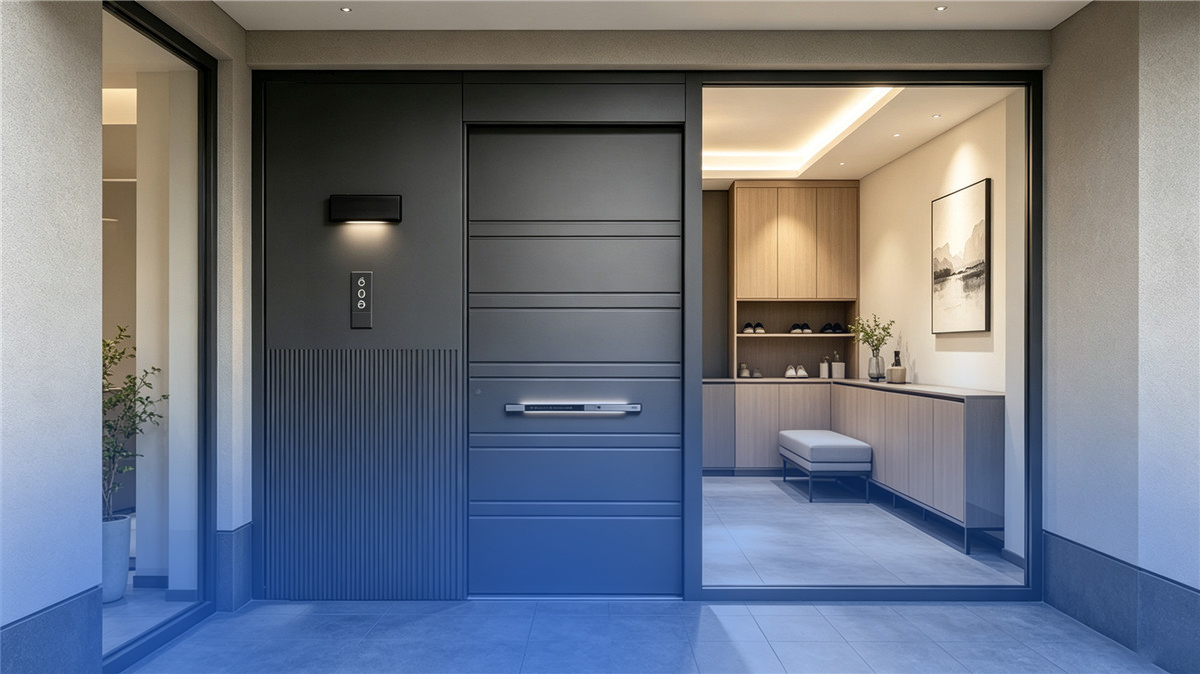
Specified Commercial Storefront Doors & Architectural Systems
Tested rigorously against forced entry, coastal salt spray, cycling stress, and dynamic wind loading. Explore our high-traffic commercial fenestration systems manufactured for immediate global containerized export.
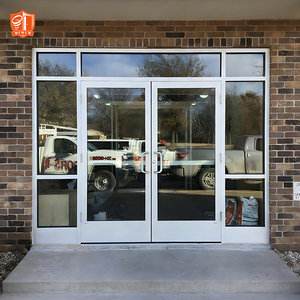
Customized Office Entrance Doors Windproof Aluminum Frame Store Front Doors Glass Doors For Business
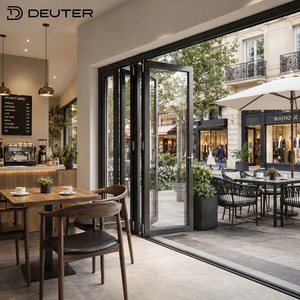
Waterproof Aluminum Accordion Folding Door Thermal Break Storefront Bifold Glass Doors Double Glazed
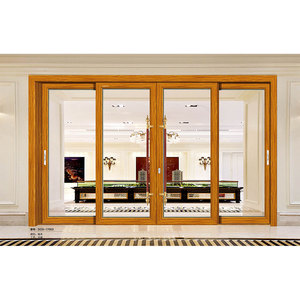
Exterior Modern Aluminum Clad Wood Composited Sliding Door
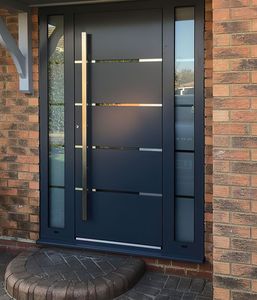
Security Main Pivot Front Doors For Aluminum Alloy Villa Modern Glass Windproof Customized Stainless Steel
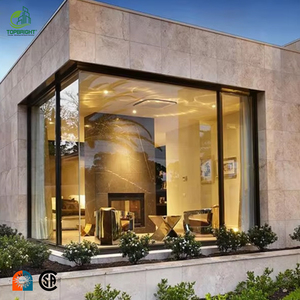
American Style Large Window Double Glazed Glass Big Aluminum Picture windows System
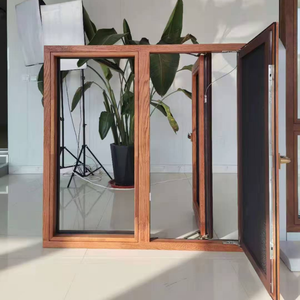
Customized Aluminum windows Double Glaze Glass windows Aluminum Clad Wood Window
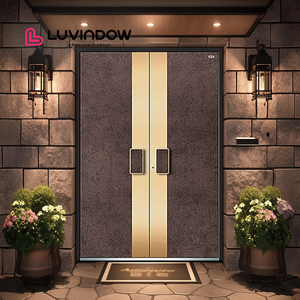
AS2047 Luxury Aluminum Single Entrance Doors External Fire Proof Exterior Hurricane Doors
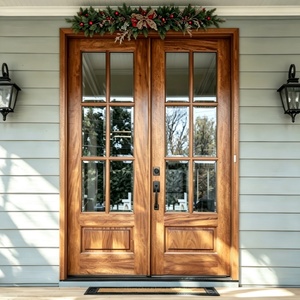
Direct Factory Modern Hinged Aluminum Solid Wood Doors Soundproof Triple Tempered Glass Front Casement Door
Evaluation Matrix: How Top 10 Aluminum Storefront Door Exporters Are Assessed
In global structural contracting, qualifying an aluminum storefront door factory goes beyond aesthetic profiles. Architectural specifiers and procurement boards demand verified manufacturing capability, thermal isolation accuracy, structural deflection resistance, and traceable hardware lifecycles. Based on internationally accepted testing frameworks (including ASTM E283, E330, E331, and AAMA 501), leading tier-1 manufacturers are categorized by strict criteria:
When sourcing for demanding geographical zones—such as high-salinity ports (Lagos, Mombasa, Durban), seismic zones, or hurricane-prone coastal regions—procurement directors should enforce factory-level mill certificates verifying tensile yield and metallurgical purity before container stuffing.
Future Procurement & Engineering Trends in Storefront Systems
The global commercial fenestration industry is undergoing rapid engineering transitions driven by international decarbonization codes, access automation, and extreme weather resilience.
Ultra-Low U-Value Thermal Decoupling
Commercial building envelopes now enforce strict U-factor performance. Procurement is shifting rapidly away from non-thermal profiles toward multi-chambered, glass-fiber reinforced polyamide assemblies.
- Target frame performance: Uf ≤ 1.6 W/(m²·K)
- Warm-edge silicone foam glass spacers
- Argon-infilled low-emissivity double/triple IGU
Mechatronic Access Control Integration
Modern commercial storefronts increasingly require concealed motorized automation compatible with enterprise Building Management Systems (BMS), biometrics, and fire-life-safety trip relays.
- Concealed magnetic continuous drop hinges
- Fail-secure electric strikes & panic exit devices
- Low-energy automatic swing operators with battery backup
Hyper-Resilient Coastal & Cyclone Coatings
Procurement teams in coastal Africa, North America, and Australia now demand coatings capable of surviving 3,000+ hours in cyclic salt fog tests without micro-blistering or delamination.
- AAMA 2605 certified Fluorocarbon (PVDF) 3-coat
- Qualicoat Seaside powder coating specifications
- Passivated 316-grade stainless steel internal fasteners
Guangdong Dejiyoupin (DERCHI) Manufacturing Advantages
Ranked among the top premium architectural door and window enterprises in China, DERCHI delivers direct engineering accountability from our Foshan production hub to complex global project sites.
180,000 ㎡ Lean Manufacturing Base
Operating a modernized, digitized manufacturing campus in Nanhai District, Foshan, DERCHI utilizes automated CNC cutting centers, hydraulic double-head corner crimpers, and clean-room insulated glass assembly lines.
- Over 600 full-time specialized technicians
- Massive container volume staging zones
- End-to-end quality tracking from billet to crate
Global Certifications: CE, ISO, AS2047, UL
DERCHI systems are verified under international building codes. Our facade doors have attained AS2047 N6 cyclonic testing approvals, UL fire door compliance, and full European CE conformity certifications.
- Custom documentation for SONCAP, KEBS, and NRCS
- Accredited 3rd-party laboratory physical test reports
- Structural shop calculation engineering sign-offs
End-to-End Export Logistics & Craters
Long-distance maritime shipping introduces mechanical vibration and humidity risks. DERCHI utilizes independent timber fumigation crating, moisture-desiccant packaging, and anti-abrasion edge wrapping.
- FOB, CIF, and DDU to Lagos, Durban, Tema, Mombasa, and US ports
- Free CAD shop drawings based on architectural openings
- Video-assisted installation guidance with project engineers
Frequently Asked Questions: Sourcing Aluminum Storefront Systems
Direct answers addressing structural integrity, customs verification, thermal performance, and global logistics for developers and contractors.