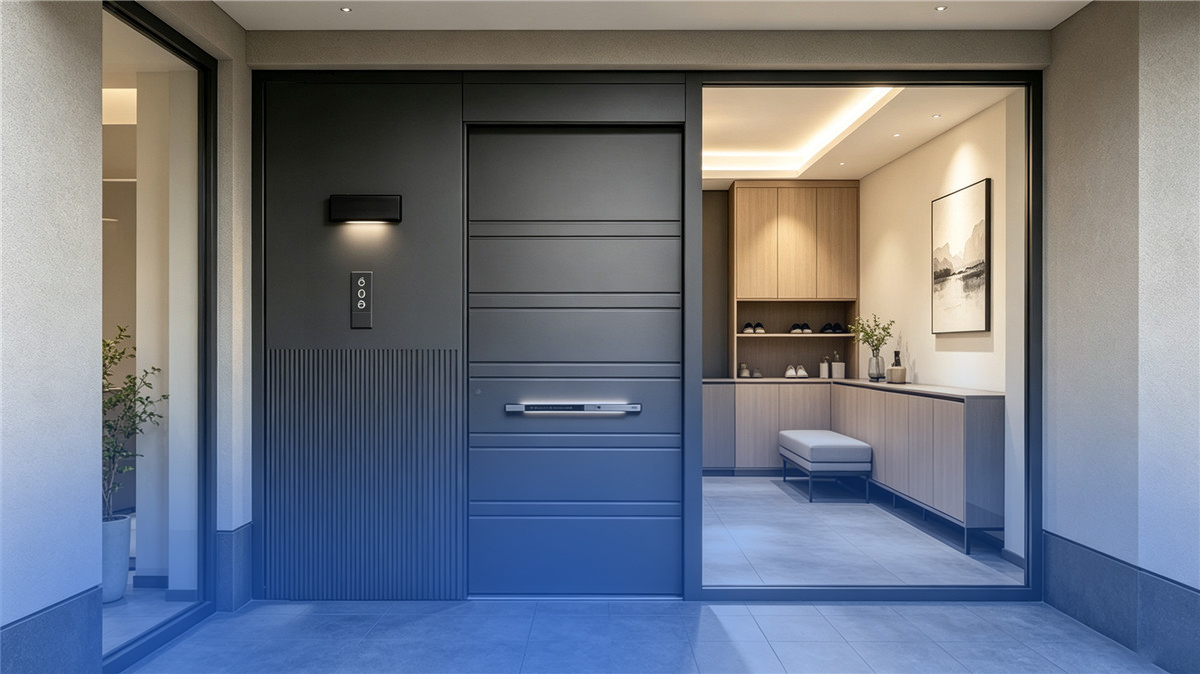
The Evolution of Aluminium-Acrylic Architectural Openings
The international specification of aluminium acrylic door systems has evolved from localized light-transmitting partitions to mission-critical exterior and interior architectural envelopes. Modern building standards demand ultra-rigid, marine-grade aluminum alloy framing paired with impact-modified, UV-stabilized polymethyl methacrylate (PMMA) cast sheets. This technical guide synthesizes engineering criteria, life-cycle material analysis, and procurement intelligence across the world’s leading fabrication facilities.
Certified Aluminium & High-Impact Door Collections
Explore our engineered structural entrances, sliding exterior barriers, and minimalist configurations manufactured under ISO9001 and AS2047 protocols.
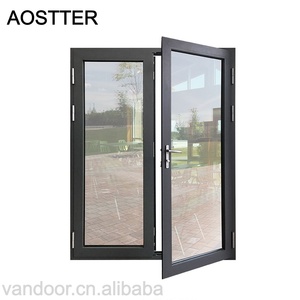
Casement Door Aluminium Double Glazing Storm Entry Door, Hurricane Impact Resistant
- Alloy Grade: 6063-T6 Structural
- Impact Std: ASTM E1886 / E1996
- Acoustics: Rw 40 dB
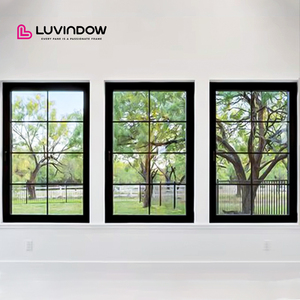
Hurricane Proof High Impact Black Aluminum Alloy Thin Profile Casement Doors For USA
- Sightline: Minimalist 45mm
- Corrosion: AAMA 2605 PVDF
- Locking: Multi-Point Perimeter
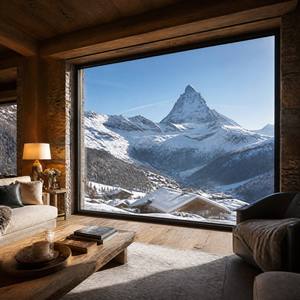
Custom Floor Ceiling Picture/Fixed Window Thermal Break Aluminum Tinted Low-E Frameless
- Insulation: Polyamide PA66-GF25
- U-Factor: 1.4 W/m²·K
- Glazing: Opti-Clear Low-E
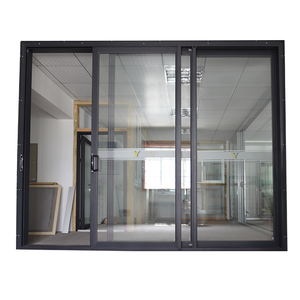
NFRC Certified Modern Big Entrance Aluminium Low-E Sliding Rail Glass Patio Doors
- Panel Weight: Up to 450 kg
- Roller System: Quad-Wheel SS316
- Water Air: Class 4A Tightness
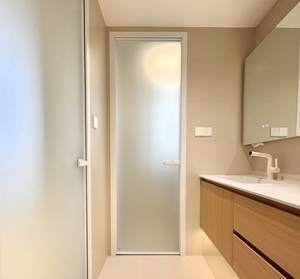
Waterproof Aluminum Bathroom Casement Doors With Privacy Acrylic/Frosted Insert
- Waterproofing: Sub-sill Drain Core
- Sealant: Co-Extruded EPDM
- Infill: Frosted PMMA / Float
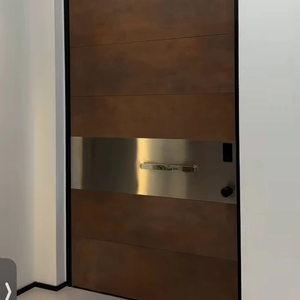
Minimalist Aluminum Pivot Door System Custom Engineered Monumental Entrance
- Bearing: German Hydraulic In-Floor
- Max Width: 2400 mm Single Leaf
- Wind Res.: AS2047 N6 Compliant
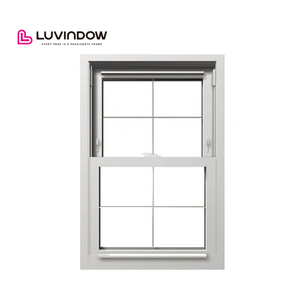
Modern Design Top Hung Aluminium Awning/Door Unit With Security Latch & Screen
- Friction Stay: Heavy Duty 304 SS
- Insect Guard: High-Tensile Mesh
- Finish: Electrophoresis Matte

Custom Aluminum Alloy Clad Wood Casement Door Double Glazed Energy Star Certified
- Exterior: Seamless Welded Alu
- Interior: Solid White Oak / Teak
- Energy: Energy Star Tier-1
Comparative Science: Cast PMMA Acrylic vs. Toughened Float Glass
Selecting infill polymers over mineral glass in architectural aluminum frames requires rigorous mechanical vetting. Cast acrylic provides superior weight optimization, impact deflection, and thermal resistance in large-span openings, high-vibration commercial complexes, and coastal typhoon sectors.
| Performance Parameter | Cast Optical PMMA Acrylic Sheet | Tempered Float Safety Glass | Architectural Engineering Implication |
|---|---|---|---|
| Specific Density / Weight | 1.19 g/cm³ Ultra Lightweight | 2.53 g/cm³ Heavy Load | PMMA reduces hardware hinge fatigue by 53%, enabling monumental 6-meter pivot installations without structural sag. |
| Impact Resistance (Charpy Unnotched) | 16 to 20 kJ/m² (17× Float Glass) | 1.2 to 2.0 kJ/m² (Shatters on failure) | Eliminates spontaneous shattering from nickel sulfide inclusions; prevents projectile penetration in severe storm corridors. |
| Total Luminous Transmittance | 92% to 93% (Parallels pure quartz) | 86% to 89% (Standard greenish hue) | Zero visual chromatic aberration; maximum daylight harvesting across museum galleries, luxury retail, and high-end villas. |
| Thermal Conductivity (k-value) | 0.19 W/(m·K) Insulative | 0.96 to 1.05 W/(m·K) High Heat Bridge | Significantly limits condensation and perimeter thermal bridging when coupled with Polyamide PA66 thermal breaks. |
| Coefficient of Thermal Expansion (CTE) | 70 × 10⁻⁶ / K (Requires expansion gap) | 8.5 × 10⁻⁶ / K (Low expansion) | Demands factory-engineered EPDM slip gaskets and deep glazing channels with micro-expansion clearances. |
| Surface Hardness & Coating | 4H to 6H with Polysiloxane Hard-Coat | 6H to 7H Mohs Mineral Scale | Cured nano-silica protective layer repels environmental abrasion, sandstorms, and industrial cleaning solvents. |
Top 10 Global Aluminium Acrylic Door Manufacturer Vetting Matrix
Professional commercial developers and general contractors evaluate tier-1 fenestration suppliers across four core operational pillars: precision metallurgical extrusion, optical sheet curing, dynamic weather sealing, and project-specific shop drawings.
1. Billet Purity & Extrusion
Top-tier suppliers utilize 100% primary A00 aluminum ingots (Al-Mg-Si balance), extruded with multi-die direct chill presses to reach EN 755-9 tight dimensional tolerances without micro-porosity.
2. Optical Polymer Lamination
Cleanroom Class 10,000 lamination of cell-cast acrylic panels eliminates dust inclusion, haze, and internal refractive stress, maintaining 10-year non-yellowing warranties under direct equatorial UV exposure.
3. Co-Extruded Multi-Chamber Seals
To balance the differential thermal expansion between aluminum and PMMA, elite factories specify co-extruded EPDM/Santoprene sponge profiles that absorb up to 4.5mm of linear expansion per meter.
4. Verified Test Compliance
Qualified factories maintain verifiable test reports: AS2047 cyclic wind pressure (N6 ratings up to 4500Pa), CE EN14351-1 safety compliance, and AAMA/WDMA water penetration certifications.
Emerging Procurement Vectors in Aluminium Fenestration
Architectural fenestration is experiencing rapid technological disruption. Sourcing directors are prioritizing carbon-neutral alloys, intelligent access controls, and composite acrylic treatments.
Monolithic Oversized Pivots
Commercial luxury estates are moving away from traditional hinges. 3-meter to 5-meter tall single-panel doors utilize custom cast PMMA infills to stay under 250kg while maintaining extreme rigidity.
Embedded Smart Mechatronics
Concealed motorized locking systems with biometric readers and motorized pivot brakes are being directly integrated into the aluminum thermal cavity, supporting building management automation.
Circular Low-Carbon Billets
Corporate ESG procurement mandates are driving adoption of secondary certified green aluminum (e.g., using renewable hydropower smelting) yielding less than 4.0 kg CO₂e per kg of finished extrusion.
Direct-from-Factory Containerization
Importers are eliminating intermediary trading markups by contracting full 40HQ container loads with customized wooden A-frames, barcoded installation manuals, and pre-adjusted European hardware.
Guangdong Dejiyoupin Doors and Windows Co., Ltd.
As an industry benchmark recognized among the Top 10 door and window brands in China, Guangdong Dejiyoupin (DERCHI) operates over 180,000 square meters of intelligent fabrication infrastructure in Foshan, Guangdong. Backed by 25+ years of fenestration engineering, we supply custom-engineered aluminum entry doors, hurricane impact casements, cast aluminum gates, and architectural acrylic opening systems directly to global commercial developers, government facilities, and luxury villa contractors.
- Full-Lifecycle Engineering: Complimentary CAD shop drawing drafting, wind load deflection calculations, and custom extrusion tooling in-house.
- Climate-Tuned Configurations: Formulated finishes including Qualicoat Class 3 fluorocarbon coatings resistant to marine salt spray, desert UV, and tropical humidity.
- Rigorous Logistics Crating: Individual export-grade fumigated solid wooden crates lined with moisture desiccant and high-density EPE foam buffering.
Certified Quality Benchmarks
Technical Specifications & Procurement FAQ
Critical engineering answers regarding thermal expansion tolerances, hurricane certification, scratch resistance coatings, and minimum order parameters.
How does an aluminum-acrylic door handle the differential thermal expansion between aluminum and PMMA?
Can cast acrylic infills achieve authentic hurricane and impact certifications?
How do you protect acrylic surfaces against scratching and UV yellowing over time?
What is the standard production lead time, and what is your factory Minimum Order Quantity (MOQ)?
What international trade and customs documentation do you supply for import clearance?
Initiate Your Commercial or Villa Door Schedule
Send us your project architectural elevations, opening schedules, or CAD drawings. Our engineering division will supply complimentary structural feasibility reviews, wind load deflection calculations, and factory-direct pricing within 24 hours.