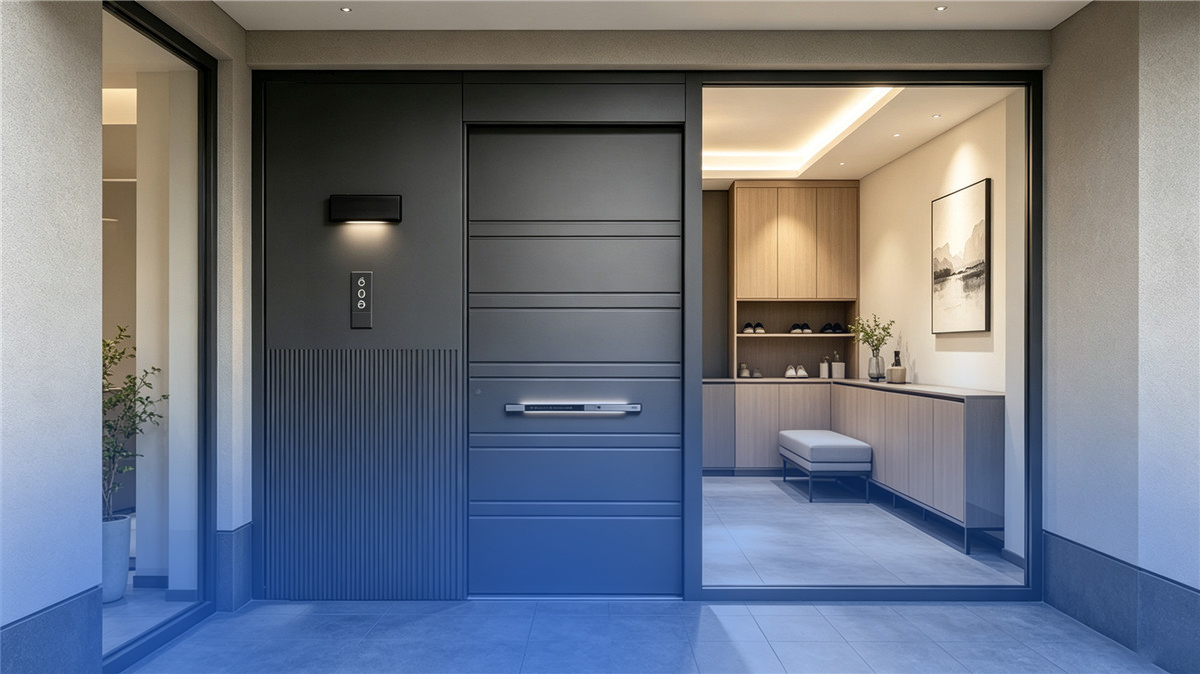
Engineered OEM/ODM Windows & Architectural Systems
Custom-fabricated in our 180,000 ㎡ smart manufacturing base. Designed to resist subterranean hydrostatic infiltration, coastal salt spray, and extreme thermal differentials with global certification compliance.
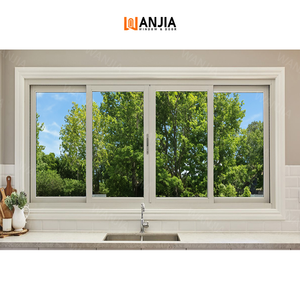 Series AF-65
Certified Aluminum French Sliding Glass Windows
- 6063-T6 Extruded Structural Frame
- Anti-Lift Concealed Roller Design
- Dual EPDM Hydrostatic Seals
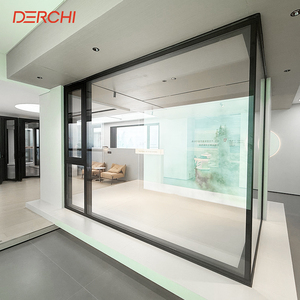 NFRC Certified
High Security Double Glazed Aluminum Casement Window
- Multi-Point Compression Cam Locks
- PA66GF25 Thermal Barrier Core
- Argon-Filled Tinted Tempered IGU
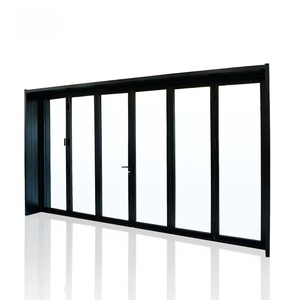 Heavy-Duty
Waterproof Soundproof Aluminum Folding Door
- Bottom-Drained Cascade Track
- Multi-Chamber Acoustic Insulation
- 350kg Load Stainless Hinges
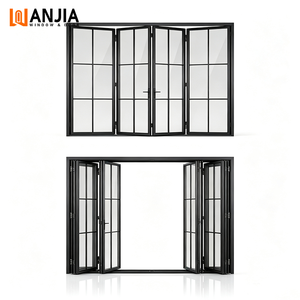 AS2047 Tested
American Standard Accordion Patio Door with Grill
- Architectural Security Grill Inserts
- Flush Threshold Water Barrier
- Qualicoat Surface Treatment
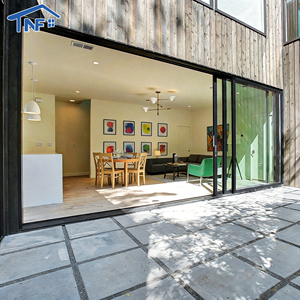 Thermal Shield
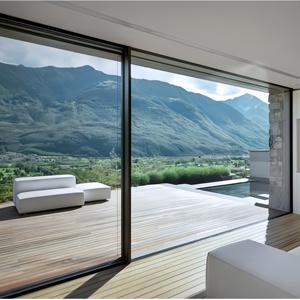
Thermal Break Lift and Sliding Patio Door
- German Hardware Drive Gear
- Structural U-Value Down to 1.3
- High Wind-Load Resistance
 Monolithic Cast
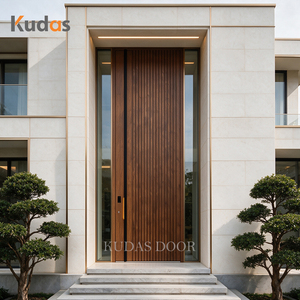
Luxury Cast Aluminum Pivot Entrance Door
- Solid 12mm Cast Alloy Faceplate
- Heavy-Duty Floor Pivot Hinge
- Biometric Keyless Locking Options
 Energy Guard
Modern Double Glazed Aluminum Sliding Door
- Low-E Solar Reflective Coating
- Precision Silent Roller Tracks
- Reinforced Anti-Jemmy Interlock
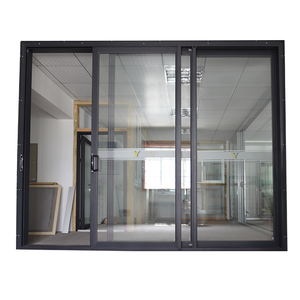 High Performance
Low-E Sliding Rail Glass Storm & Patio Doors
- NFRC Thermal Verification
- Stainless Heavy Impact Railing
- Cyclone-Rated Air-Tight Design
Structural Metallurgy & Below-Grade Storm Window Physics
Sub-grade fenestration represents one of the most critical structural liabilities in residential and commercial building envelopes. Below-grade storm windows are continuously subjected to hydrostatic groundwater pressure, soil gas egress, severe cyclical humidity, and thermal bridging against poured concrete foundations.
Architectural Grade 6063-T6 Extrusions
Unlike conventional recycled aluminum window frames prone to intergranular corrosion when in contact with foundation moisture, our storm assemblies utilize primary architectural 6063-T6 billet alloys. Profile walls are extruded to a minimum structural thickness of 1.6mm to 2.2mm, delivering exceptional deflection resistance against cyclic wind loads up to 4500 Pa (Design Pressure DP60+ compliant).
PA66GF25 Polyamide Thermal Break
Basement foundations act as monumental heat sinks. Our thermal barrier designs incorporate fiberglass-reinforced PA66GF25 structural polyamide struts mechanically crimped between the exterior and interior aluminum profiles. This completely arrests condensation formation, prevents mould-inducing sweating, and raises Condensation Resistance Factors (CRF) well above 65.
Hydrostatic Dual Chamber Weep Systems
In storm and deluge conditions, below-grade window wells frequently collect standing water. Our OEM/ODM profile designs feature engineered step-down drainage troughs with baffled, gravity-assisted flapper valves. This prevents driving wind and backflow water from penetrating the interior perimeter while evacuating accumulated sill condensation at 150 mm/hr test thresholds.
Future Sourcing Trends for Commercial Storm Glazing
B2B fenestration supply chains are experiencing structural transformations driven by strict green building mandates, supply chain resilience protocols, and evolving life-safety building codes.
Low-Embodied Carbon Aluminum Sourcing
Corporate developers and international contractors now mandate Environmental Product Declarations (EPD). Modern OEM sourcing favors manufacturers utilizing hydropower-smelted primary ingots with documented carbon footprints below 4.0 kg CO2e per kg of aluminum, aligning with LEED v4.1 and BREEAM decarbonization mandates across high-tier developments.
Integrated IoT Ventilation & Sensor Ports
Next-generation basement storm windows are evolving from passive thermal barriers into active building automation nodes. Procurement schedules increasingly require pre-routed raceways for magnetic reed intrusion sensors, automated DC-motor chain actuators, and motorized trickle vents tied to sub-grade volatile organic compound (VOC) and radon detection monitors.
Consolidated Fenestration Charters
General contractors are abandoning fragmented vendor models. Procuring basement storm windows, high-security villa pivot gates, lift-sliding patio doors, and curtain walls from a singular audited Tier-1 manufacturer eliminates dimensional discrepancy risks, unifies anodized color tolerances, and drastically lowers ocean freight logistics overhead via consolidated 40HQ containerization.
Structural Compliance & Engineering Matrix
Our OEM/ODM manufacturing protocols conform to the world's most demanding window performance testing regimens, including North American NFRC/AAMA, European CE EN 14351, and Australian AS2047 standards.
| Performance Vector | Test Methodology / Standard | DERCHI OEM/ODM Specification | Engineering Benefit |
|---|---|---|---|
| Structural Wind Load Resistance | ASTM E330 / AS2047 N6 | Design Pressure: DP60 to DP100 (3000 Pa - 5000 Pa) | Prevents frame deflection and seal rupture under cyclonic pressure |
| Water Penetration Resistance | ASTM E547 / ASTM E331 | 700 Pa - 900 Pa (No Leakage Under Dynamic Pressure) | Guarantees subterranean watertightness against window well flooding |
| Air Infiltration Rating | ASTM E283 / EN 12207 Class 4 | < 0.05 cfm/ft² at 75 Pa static air pressure | Arrests sub-slab drafts, humidity transmission, and radon gas diffusion |
| Thermal Conductivity (U-Factor) | NFRC 100 / EN ISO 10077-2 | U-value 1.2 – 1.6 W/m²·K (0.21 – 0.28 BTU/hr·ft²·°F) | Eliminates sub-grade perimeter heat loss and surface frost build-up |
| Impact Resistance (Severe Storm) | ASTM E1886 / ASTM E1996 Missile D | Laminated PVB/SentryGlas (9-lb 2x4 projectile at 50 ft/s) | Complete resistance to windborne debris and forced intruder entry |
| Anodizing & Powder Coat Durability | Qualicoat Class 2 / AAMA 2605 | 70% PVDF Fluorocarbon or 25μm Architectural Anodize | Resists concrete alkalinity, subterranean efflorescence, and salt fog |
Why Global Fenestration Importers Partner with DERCHI
Manufactured by Guangdong Dejiyoupin Doors and Windows Co., Ltd. (DERCHI). Recognized as an elite Top 10 brand in China's fenestration sector, combining 25+ years of engineering mastery with an expansive 180,000 ㎡ manufacturing footprint.
Precision CNC Extrusion & Milling Lines
Our intelligent workshop houses German 5-axis automated CNC profile machining centers capable of mitering, routing, and corner crimping with micron-level tolerances. Every storm window corner joint features reinforced aluminum corner keys injected with dual-component structural polyurethane adhesive for life-long hermetic integrity.
In-House CAD/BIM Architectural Detailing
We provide full structural shop drawings, dynamic thermal FEM analysis, and BIM models tailored to project schedules before metal is cut. Our dedicated English-speaking engineering team audits structural rough openings, egress clearance constraints, and anchoring requirements for masonry, ICF, or poured concrete foundations.
Rigorous Heavy-Transit Export Crating
Intercontinental sea logistics can compromise delicate glazing tolerances. DERCHI products are wrapped in scratch-proof protective film, cushioned with high-density EPE foam corner guards, and sealed within fully enclosed fumigated plywood crates reinforced with internal steel banding to guarantee zero-defect container offloading at global ports.
Frequently Asked Questions by Commercial Buyers & Specifiers
Direct technical answers addressing window well clearances, egress compliance, galvanic isolation, thermal efficiency, and OEM custom tooling minimums.
How do DERCHI aluminum basement storm windows comply with International Residential Code (IRC) emergency egress mandates?
Under Section R310 of the International Residential Code (IRC), emergency escape and rescue openings require a minimum net clear opening of 5.7 sq. ft. (or 5.0 sq. ft. at grade), a minimum clear opening height of 24 inches, a minimum clear opening width of 20 inches, and a sill height not exceeding 44 inches above the finished floor.
Our OEM engineering team customizes casement, hopper, and in-swing tilt-turn configurations with low-profile sashes and specialized friction-stay hinges that swing open fully to 90 degrees. This provides unrestricted egress clearance within compact basement rough openings while maintaining robust DP60 structural and water-tight integrity.
How is galvanic corrosion prevented when mounting aluminum storm window frames into cured concrete or masonry foundation walls?
Direct contact between aluminum and damp concrete or masonry triggers galvanic reaction and chemical pitting due to free lime and alkaline mortar salts. DERCHI designs feature comprehensive dielectric barrier systems.
We supply custom PVC sub-bucks, pre-formed EPDM thermal isolation gaskets, or recommend bituminous mastic coatings along perimeter contact surfaces. Fastening points utilize austenitic 316-grade stainless steel anchors isolated via non-conductive nylon sleeves and vulcanized EPDM washers, completely eliminating metal-to-concrete conductivity.
What is the typical Minimum Order Quantity (MOQ) and lead time for custom OEM/ODM extrusion dies and specialized finishes?
For existing architectural systems (utilizing over 300+ proprietary dies in our factory catalog), our standard order threshold is a consolidated project footprint (typically starting from 50 square meters or mixed FCL container configurations). For fully customized profile extrusions, new tool and die development requires 12 to 15 working days with an extrusion trial sample provided for physical sign-off.
Standard fabrication runs span 25 to 35 days following CAD shop drawing approval. We maintain an agile production schedule dedicated to contractor timelines and export delivery schedules worldwide.
How do you guarantee long-term air and water tightness against severe subterranean flooding and driving rains?
Our basement storm series utilizes a pressure-equalized rain-screen design with triple EPDM continuous automotive-grade perimeter gaskets. Unlike traditional PVC weather-stripping that hardens and shrinks in sub-zero winters, our synthetic EPDM gaskets retain 98% elasticity from -40°C to +120°C.
Furthermore, internal sash corners are CNC injection-glued with German structural joint sealants. Sashes are locked down using perimeter multi-point gear drives with adjustable mushroom cams that compress the sash uniformly against the frame with over 450N of force per contact node.
Can you provide factory test reports and certification documentation for project architects and municipal inspection boards?
Yes. DERCHI products hold comprehensive international third-party test certifications, including European CE (EN 14351-1), ISO9001 Quality System accreditation, Australian AS2047 (N6 cyclonic rating), and North American NFRC thermal performance ratings. For project tenders, we submit comprehensive structural calculation packages, finite element thermal simulations, acoustic transmission loss reports (STC up to 42 dB), and glass impact certificates.