Engineered Aluminium Slimline Systems & Specialised Enclosures
Explore our industrial-grade, certified OEM/ODM fenestration portfolio engineered for extreme climate resistance, superior sound insulation, and modern structural elegance.
Comprehensive Strategic Whitepaper: Navigating Aluminium Slimline Window Sourcing
Contemporary architectural design demands minimalist visuals characterized by maximum glass-to-frame ratios, razor-thin sightlines, and uncompromising structural integrity. Aluminium slimline windows have transformed from a niche luxury product into a worldwide standard across modern residential towers, institutional complexes, and luxury hospitality villas. However, specifying and procuring high-volume architectural window systems requires an in-depth understanding of structural metallurgy, thermodynamic barrier integration, and multi-point sealing technology.
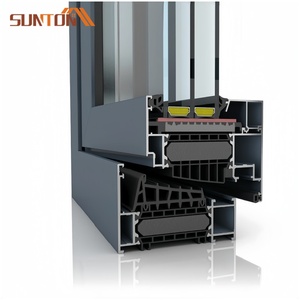
As a Tier-1 Chinese manufacturing partner and verified OEM/ODM supplier, we operate at the intersection of precision engineering and scalable manufacturing. The structural backbone of high-performance slimline systems depends on extruded 6063-T5 or 6063-T6 architectural aluminium alloys. Although these alloys provide exceptional tensile yield strength, aluminium is naturally conductive. To mitigate thermal transmission, our systems incorporate multi-cavity polyamide (PA66 GF25) thermal break barriers. Reinforced with 25% glass fibre, these barriers match the thermal expansion coefficient of aluminium alloys, preventing shearing failure under radical diurnal temperature swings.
Architectural Performance Matrices: Mechanical and Thermodynamic Comparison
When selecting systems for large-scale developments, procurement teams must evaluate window units not as decorative components, but as critical elements of the building envelope. Below is an engineering overview of performance parameters standard across our OEM/ODM custom product series:
Thermal Performance (U-Value)
Equipped with warm-edge spacers, argon-filled double or triple Low-E insulated glazing units (IGU), our profiles achieve overall window U-values as low as 0.8 to 1.4 W/m²K, meeting rigorous European Passivhaus and North American Energy Star standards.
Acoustic Attenuation (STC/Rw)
Utilizing asymmetric structural glass lamination (PVB / SentryGlas) paired with multi-lip EPDM continuous compression gasketing, acoustic bridge isolation delivers sound reduction indices between Rw 38dB and Rw 45dB against severe urban and transit frequencies.
Air & Water Infiltration Resistance
Cascading internal pressure-equalized drainage chambers combined with precision European multi-point locking gear guarantee zero water ingress up to 700 Pa and airtightness complying with Class 4 (EN 12207) criteria.
Future Sourcing & Procurement Trends: What Global Buyers Must Anticipate
Procurement departments for multinational construction companies, facade fabricators, and regional importers are shifting their procurement strategies. Volatile container shipping rates, stricter local building compliance laws, and international carbon border adjustment mechanisms have fundamentally rewritten the supply chain rulebook. Moving forward, competitive procurement centers on three pillars:
Low-Carbon Recycled Extrusions
Real estate developers now explicitly request Environmental Product Declarations (EPD). Global tenders are prioritizing profiles extruded using post-consumer recycled billet smelted with renewable hydro-power, reducing embedded carbon metrics significantly below standard coal-fired extraction footprints.
BIM Integration & Complete Pre-Fabrication
On-site installation costs in target markets have escalated drastically. Procuring fully pre-glazed, pre-hung, unified sub-frame cassette units that drop directly into rough architectural openings cuts jobsite structural labor by up to 60% while avoiding glazing warranty claims.
Full Enclosure Freight Consolidation
Developers increasingly abandon segmented ordering. Sourcing slimline windows, oversized motorized entrance pivot doors, and industrial thermal shutters from one integrated factory enables consolidated shipping. This saves up to 35% in container volume optimization and eliminates cross-supplier blame.
Evolutionary Horizons: Next-Generation Technological Trends
The fenestration sector is experiencing a technological evolution where smart electronics, advanced structural nanotechnology, and architectural minimalism converge. Sourcing teams seeking long-term product differentiation should prioritize suppliers actively developing these advanced configurations:
Micro-Sightline Structural Glazing: Traditional fenestration relies heavily on exposed perimeter retainers. Next-generation systems leverage high-modulus neutral silicone structural glazing adhesives, transferring exterior wind shear loads directly from glass to an obscured internal aluminium core, achieving virtually frameless 15mm floor-to-ceiling profiles.
Integrated Smart-Home Actuation: The demand for automated residential comfort has driven the development of brushless concealed DC motors embedded directly within the thermal-break frame channels. Controlled via Zigbee, KNX, or smartphone interfaces, these mechanisms allow sashes weighing up to 500kg to slide noiselessly with integrated anti-pinch safety light barriers.
Vacuum Insulated Glazing (VIG) Adoption: As zero-energy building mandates take effect, standard double glazing is being superseded by ultra-thin vacuum units. Achieving thermal performance ratings equivalent to solid brick walls (U-values below 0.60 W/m²K) in profile depths under 10mm, VIG eliminates the need for bulky frame extrusions, realizing the purest slimline aesthetics possible.
Enterprise Authority & Manufacturing Superiority: Why Partner With Us
Guangdong Dejiyoupin Doors and Windows Co., Ltd. (DERCHI) stands among China's Top 10 fenestration enterprises. With over a quarter of a century of engineering experience, our industrial capabilities deliver consistent quality and financial peace of mind for high-value building envelopes globally.
180,000㎡ Mega Production Base
Headquartered in Foshan, Guangdong, our specialized manufacturing complex houses German automated CNC cutting, corner-crimping, and milling centers to guarantee micron-level assembly tolerances across massive order schedules.
Exhaustive Testing & Approvals
Our engineering portfolio is backed by certifications including European CE, ISO9001, North American NFRC, Australian AS2047 (N6 cyclic cyclone tested), and UL fire-rating compliance for absolute municipal authority acceptance.
Consolidated Whole-House Solutions
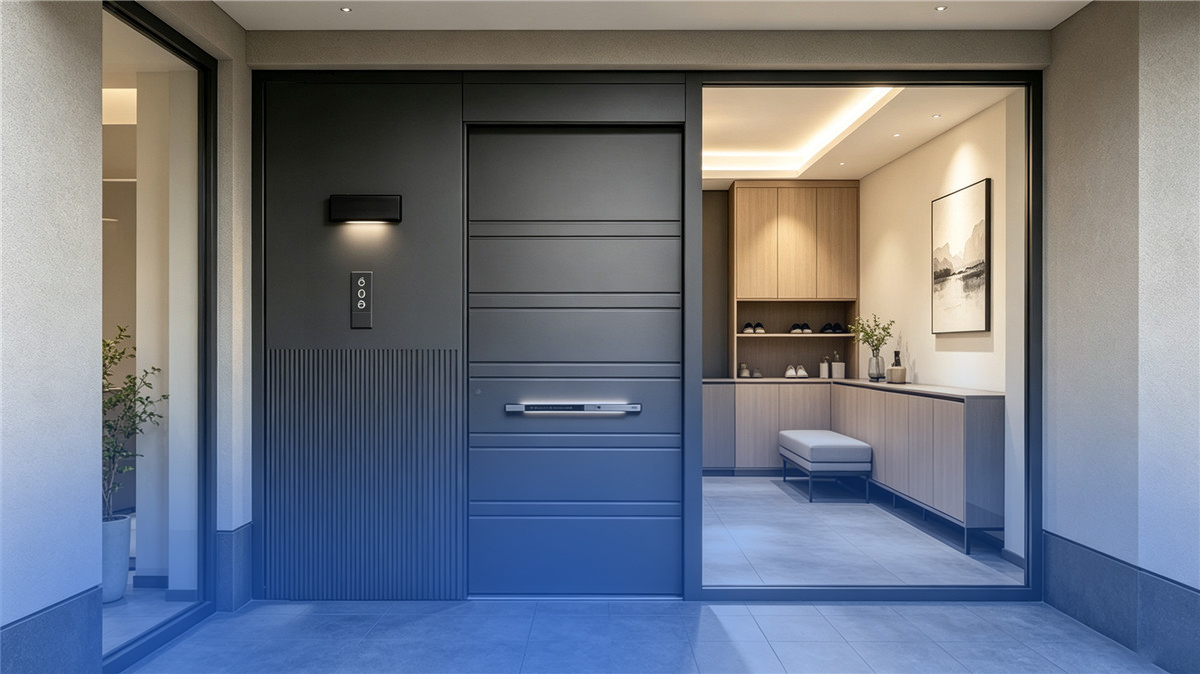
We are a single accountable factory partner providing high-end aluminium slimline windows, grand villa cast entrance doors, heavy-duty commercial pivot systems, and insulated industrial roller doors in consolidated shipments.
Procurement FAQ: Critical Due Diligence for Global Buyers
Clear, direct answers addressing structural engineering, finish specifications, international freight, and technical validation.
How do you maintain structural stability with such slim frame sightlines?
We employ primary 6063-T6 virgin aluminium alloys with reinforced cross-sectional wall thicknesses ranging from 2.0mm to 3.0mm. Critical load-bearing junctions utilize internal structural steel or composite tie-rods that deliver high moment-of-inertia ratings without thickening visible frame dimensions.
What surface coatings are used for corrosive maritime installations?
For coastal applications, we apply AkzoNobel or PPG fluorocarbon (PVDF) 3-coat architectural finishes or 25-micron Qualicoat Class 2 certified architectural powder coatings. These provide superior salt-spray resistance (passing 3,000+ hours ASTM B117 salt fog testing) and resistance to UV degradation.
Can you provide custom engineering CAD shop drawings and static calculations?
Yes. Our in-house engineering team delivers full structural CAD shop drawings, wind-deflection calculations, BIM models, and thermal analysis simulation files based on your architectural schedules, prior to sample fabrication and mass production sign-off.
How are fragile oversized slimline units packed for international sea transit?
Units undergo a multi-layer packaging protocol: protective scratch-resistant polyethylene tape, closed-cell EPE foam wraps, and fully enclosed, moisture-barrier fumigated non-coniferous plywood crates. Steel internal reinforcement frames are used for ocean shipping to eliminate transit stress fractures.
Begin Your Architectural Sourcing Consultation
Connect directly with our senior fenestration engineers to analyze your door and window schedule, request physical sample kits, or receive comprehensive factory-direct wholesale pricing within 24 hours.
Contact Us