Technical Whitepaper & Procurement Compendium

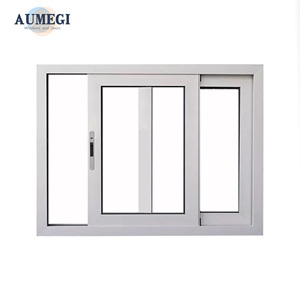
OEM/ODM Aluminium Brown Windows Factory & Exporter

Precision Architectural Phenotypes, Anodized & Fluorocarbon Coated Framing, Multi-Point Structural Integrity, and Direct-to-Site Global Supply Chain Logistics.

180,000㎡ Integrated Factory Footprint
600+ Skilled Specialists & Engineers
AS2047 N6 Structural Wind & Impact Certified
100+ Patents & CE/ISO9001 Audits
Flagship Manufacturing Spectrum

Engineered Architectural fenestration Assemblies

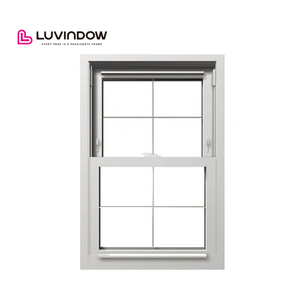
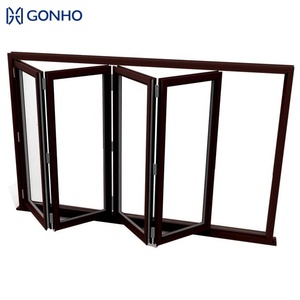
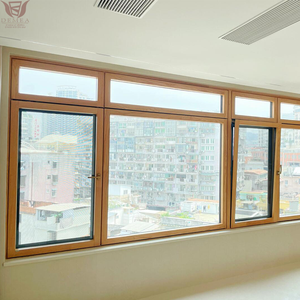
Our specialized OEM/ODM production protocols support custom earth-tone palettes including Deep Bronze, Champagne Brown, and Matte Architectural Walnut with specialized surface treatments.

Plan Your Custom Fenestration Schedule with Chief Engineers

Send project elevations, CAD shop drawings, or bills of quantities (BOQ). Our technical team delivers structural load calculations, glass heat-gain evaluations, and DDP/CIF port quotations within 24 hours.

Contact Us

Engineering Brown Aluminium Fenestration: Metallurgy, Thermal Breaks & Finishes

Comprehensive technical guidance for procurement executives, facade consultants, and general contractors.

In modern commercial and high-end residential architectural architecture, specify brown aluminium windows—encompassing deep bronze, champagne, espresso, and earthen metallic hues—requires balancing visual sophistication with environmental durability. The exterior envelope is exposed to thermal expansion stresses, ultraviolet radiation, and potential corrosive microclimates. As an integrated OEM/ODM manufacturing plant, our production line processes prime 6063-T5 and 6063-T6 grade aluminium alloy billets containing tightly monitored silicon-to-magnesium ratios, yielding tensile properties that resist high dynamic wind pressures while accommodating thermal shifts.

Achieving stable brown surface finishes involves specialized chemical and electrochemical workflows. Anodized architectural bronze utilizes two-step electrolytic deposition (colloidal tin or inorganic cobalt salts) that embeds metallic colorants deep into the cellular aluminum oxide layer (AA25 minimum specification, ≥25 microns thickness). This process creates a surface nearly impervious to UV-induced chalking and scratching. Alternatively, our fluoropolymer (PVDF) electrostatic lines apply Kynar 500 / Hylar 5000 resin formulas meeting AAMA 2605 criteria, retaining gloss and color stability over decades in high-UV and coastal marine environments.

Surface Treatment Classification Coating / Film Thickness Standard Compliance Salt Spray Resistance (ASTM B117) Optimum Project Environment
Architectural Class I Anodizing (Bronze) ≥ 25 μm (AA25) AAMA 611 / ISO 7599 3,000+ Hours Qualified Urban Mid-Rise, High-Touch Zones, Dry-Arid Climates
3-Coat PVDF / Fluorocarbon Coating ≥ 35 - 40 μm AAMA 2605 Tested 4,000+ Hours Qualified Tropical Coastal, High UV Exposure, Salt-Air Marine
Super Durable Architectural Powder Coat ≥ 60 - 80 μm AAMA 2604 / Qualicoat Class 2 2,000 Hours Qualified Suburban Residential Estates, Inland Commercial Hubs
Wood-Grain Sublimation over Base Brown ≥ 65 μm Qualideco Standardized 1,500 Hours Qualified Luxury Villas, Hospitality Resorts, Heritage Retrofits

Beyond exterior finishes, thermal bridge interruption remains central to modern fenestration performance. We employ glass-fiber reinforced Polyamide (PA66 GF25) thermal barrier strips rolled into inner and outer aluminum extrusions with knurled mechanical interlocks. This barrier breaks thermal conductivity across the frame, preventing condensation and lowering overall fenestration U-factors (Uw ≤ 1.3 W/m²·K when matched with argon-purged low-emissivity warm-edge insulating glass units).
Future Global Procurement Dynamics: B2B Sourcing Trajectory

Key structural shifts impacting overseas project directors and window importers.

International procurement trends for commercial and residential fenestration are shifting away from off-the-shelf catalog orders toward deeply engineered, project-specific OEM/ODM integration. Sourcing teams increasingly emphasize supply chain verifiability, carbon accounting, and simplified port-to-framing installation workflows.

1. Prefabricated Glazing Sub-Assemblies

Skyrocketing domestic on-site labor rates in North America, Western Europe, and Australia have expanded demand for factory-glazed, fully unitized window configurations delivered ready to pin directly into rough openings.

2. Stringent Regional Building Approvals

Importers avoid supply delays by requiring independent laboratory performance data—such as AS2047 cyclonic impact compliance, Florida Building Code (NOA) approvals, and NFRC thermal performance ratings.

3. Consolidated Full-Envelope Packages

Modern developers source casements, sliding profiles, folding insect screens, pivot entry doors, and glass patio systems from a single manufacturing partner, cutting logistics overhead and ocean container wasted cubic volume.

Fenestration Technology Evolution: Next-Gen Engineering

How automation, micro-profiles, and multi-chambered thermal barriers shape the next decade.

The window and facade engineering industry continues to adopt leaner frame lines and higher structural load limits. Three primary design shifts define modern window manufacturing:

Ultra-Slim Sightline Profiles

Architectural minimalism drives demand for visible frame widths under 45mm. This requires high-moment-of-inertia 6063-T6 alloy web sections to maintain wind-load compliance while providing expansive, uncluttered glass areas.

Mechatronic & Sensor Integration

Modern brown window lines can incorporate concealed 24V linear drives, wireless lock-status monitors, and automated wind/rain sensors wired directly into centralized Building Management Systems (BMS).

Circular Life-Cycle Accounting

Commercial bids increasingly review Environmental Product Declarations (EPD). Using low-carbon recycled aluminum billets smelted with renewable hydro energy helps developers secure higher LEED and BREEAM project ratings.

Factory Capabilities & Infrastructure

Guangdong Dejiyoupin Doors & Windows Co., Ltd. (DERCHI)

Recognized among the premier premium door and window manufacturers in China, backed by 25+ years of engineering excellence and end-to-end export infrastructure.

180,000㎡ Mega Production Base

Located in Foshan, Guangdong, our industrial campus houses CNC extrusion processing lines, automated glass tempering and IG lines, dual-head miter saws, and specialized surface treatment plants run by 600+ personnel.

International Accreditations

Our systems hold CE (Europe), ISO9001 (Quality Management), AS2047 N6 (Australia cyclone wind and water-penetration pass), SGCC (USA safety glass), and UL Fire-Rated classifications.

Global Ocean Freight Crating

Every window assembly is protected with peelable protective film, shock-absorbing cellular corner guards, moisture-resistant desiccants, and reinforced non-fumigation plywood crates built for rough ocean routes.

Comprehensive Envelope Catalog

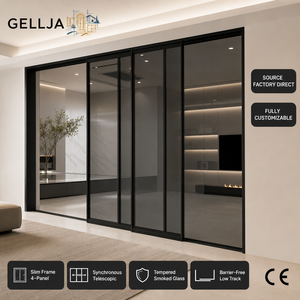
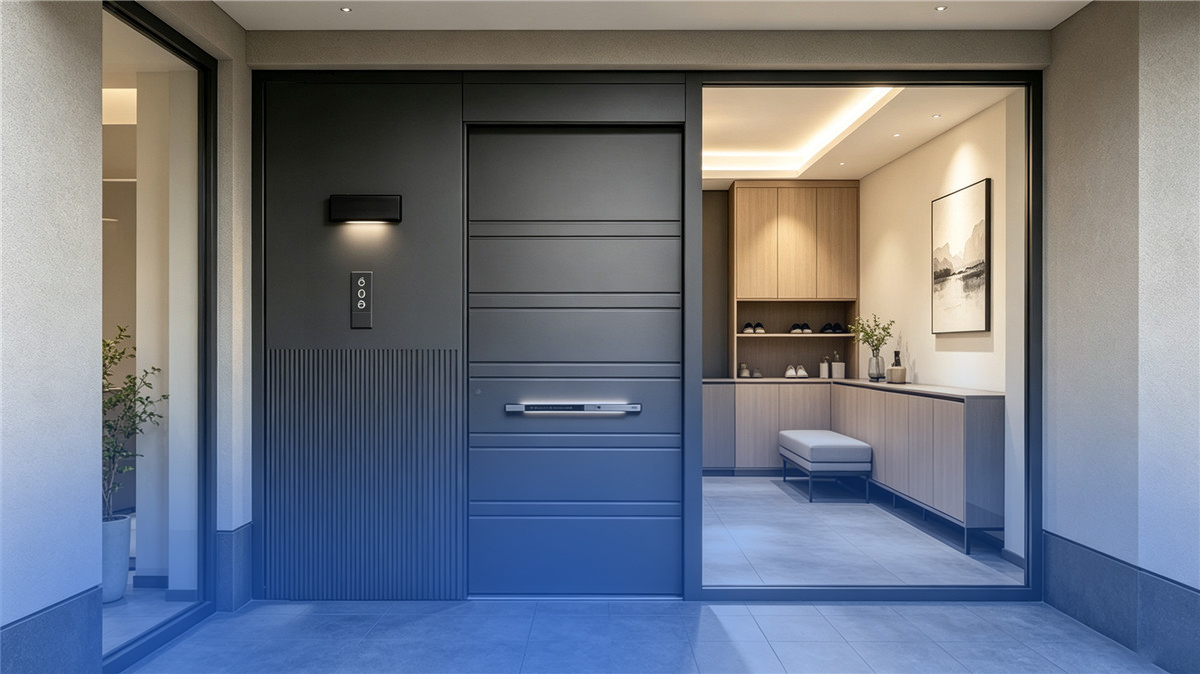
Consolidate your door and window packages under one contract: thermal-break casements, sliding patio setups, cast aluminum security entry doors, modern glass pivot assemblies, and matching roll screens.

Rapid CAD & Engineering Turnaround

Our in-house project engineering office provides complimentary BIM families, shop elevation prints, anchoring detail calculations, and thermal modeling to streamline client consultant approvals.

Dedicated English-Speaking Sales Engineering

Avoid communication breakdowns through our export-focused engineering team, available to answer inquiries within 24 hours across global time zones (Americas, Europe, Africa, Middle East, and Australasia).

Procurement & Technical FAQ: Brown Aluminium Windows

Clear, direct answers for project specifiers, commercial contractors, and importing partners.

How do you ensure batch-to-batch color consistency across large brown / bronze anodized window orders?
We eliminate bronze shade variations by standardizing the chemical purity of our electrolyte baths and utilizing micro-processor controlled current densities and immersion times. All raw extrusions are sourced from homogeneous 6063 alloy billets. Prior to mass packing, each extrusion batch is checked against master color swatches using digital spectrophotometers (ΔE ≤ 0.5 variance limit across the entire production order).
What engineering provisions protect your window assemblies in high-humidity or coastal salt-air environments?
For coastal or marine zones (e.g., Florida, coastal West Africa, the Caribbean, or coastal Australia), we specify high-durability 3-coat fluoropolymer (PVDF) finishes meeting AAMA 2605 or Class I anodizing (25+ μm). Fasteners and exposed friction stays are upgraded to marine-grade 304 or 316 stainless steel. Window corners are sealed with structural silicone injections and EPDM double gaskets to stop salt-air penetration into internal frame cavities.
Can you manufacture custom extrusion shapes and profiles to fulfill architectural OEM specifications?
Yes. With fully integrated tool-and-die fabrication, we engineer proprietary extrusions matched to your performance specs. Our typical workflow proceeds from 3D CAD modeling and rapid resin prototype printing to physical die production within 12–15 business days. Once first-article extrusions clear dimensional and metallurgical audits, we begin volume production.
What third-party performance test certifications do you provide for project submittals?
We provide formal laboratory test reports covering air infiltration (ASTM E283), water penetration resistance under static pressure (ASTM E331), structural wind load performance (ASTM E330), and acoustic isolation (ASTM E90 / STC). For the Australian market, our windows pass full AS2047 testing through accredited laboratories; for European deliveries, our products carry official CE Declaration of Performance (DoP) certificates.
What packaging and containerization protocols protect fully glazed windows during ocean transit?
Fenestration units are packed in enclosed plywood crates constructed from fumigation-free engineered timber. We apply surface films to prevent frame scuffs, wrap units in dense polyethylene foam, fit injection-molded corner caps, and secure glass with cross-bracing. In the shipping container, crates are braced with load bars, steel strapping, and heavy-duty dunnage air bags to prevent movement during heavy ocean swells.
What is your production lead time, and what details are required to generate an official quote?
Standard lead times run 25 to 35 calendar days from signed CAD shop drawings and deposit confirmation. To issue a comprehensive FOB, CIF, or DDP quote, please send your project window schedule, rough opening sizes (width × height), operational style (casement, awning, tilt-turn, sliding, or fixed), glass configuration (e.g., 6mm Low-E + 12A + 6mm Clear), surface finish preferences, and destination port.

Connect Directly with Our Fenestration Engineering Team

Send your project blueprints, window schedules, and architectural specifications. Our team will review your elevations, provide load calculations, and assemble an itemized OEM/ODM quotation.

Contact Us