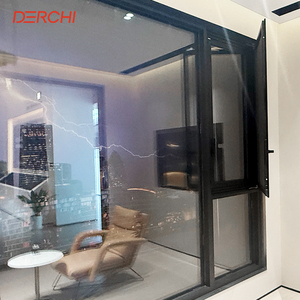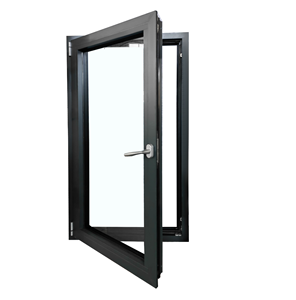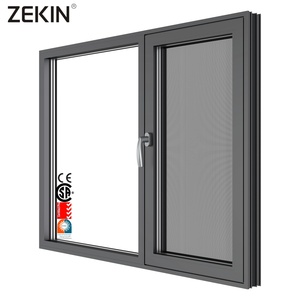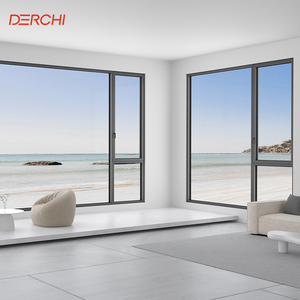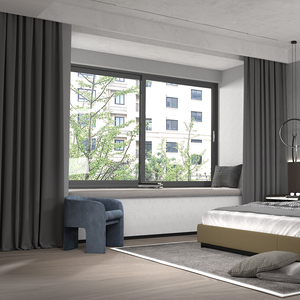
Engineering Architectural Fenestration

Custom OEM Aluminum Double Pane Windows Factories & Supplier

Global-Grade Thermal Break Engineering, Acoustic Attenuation (STC 38+), High Wind-Load Integrity & Tier-1 B2B Manufacturing for Commercial and Luxury Residential Developments.

Engineered Fenestration Portfolio

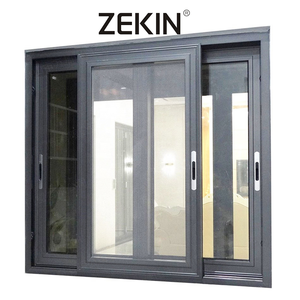
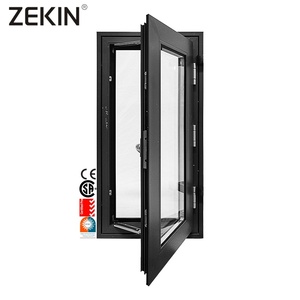
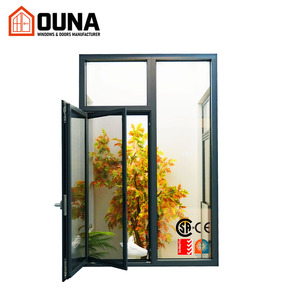
Precision-Engineered Double Pane Window Systems

Explore our certified aluminum double-pane systems engineered specifically for architectural contractors, builders, and high-volume commercial importers requiring strict compliance with AS2047, CSA, and NFRC energy codes.

Need Bespoke Extrusion Profiles or Project Bill-of-Quantities Costing?

Our structural engineers review your architectural elevations, wind-load calculations, and U-value compliance schedules within 24 business hours.

Get a Quote
Engineering Whitepaper & Best Practices

Architectural Guidance: Specifying Aluminum Double Pane Windows

Selecting custom OEM double glazed fenestration requires a granular balance of structural thermal isolation, atmospheric pressure adjustments in insulated glass units (IGUs), and mechanical corner crimping stability.

⚡

Thermal Break Chemistry & Barrier Geometry

Aluminum possesses an inherent high thermal conductivity (approx. 160–205 W/m·K). Without structural decoupling, frames become severe conduits for heat loss, condensation, and perimeter mold. Premium OEM suppliers employ PA66 GF25 (polyamide 6.6 reinforced with 25% chopped fiberglass) thermal break strips.

  • Coefficient of thermal expansion identical to aluminum (2.3 × 10⁻⁵ /K)
  • Eliminates internal shear stress under dynamic temperature swings (-30°C to +80°C)
  • Multi-cavity isobaric chamber design for optimized U-values down to 1.3 W/m²K
🛡️

Glass Metallurgy, Spacers & Gas Retention

A true high-performance double pane assembly (DGU/IGU) requires systematic cavity control. Combining low-emissivity (Low-E) magnetron sputtered soft coatings with argon gas cavities achieves superior solar heat gain coefficients (SHGC) while maintaining luminous light transmission.

  • Dual seal barrier: Primary polyisobutylene (PIB) + Secondary structural silicone
  • Composite warm-edge hybrid polymer spacers to mitigate edge thermal bridges
  • Automated 90%+ argon gas injection with calibrated desiccant fill
🏗️

Structural Corner Crimping & Gasket Engineering

Unlike light-gauge retail windows mechanically fastened with sheet screws, industrial OEM export windows feature heavy corner cleats hydraulic-crimped with dual-component expanding polyurethane corner glue (epoxy injection).

  • Prevents diagonal frame sagging across oversized heavy glass configurations
  • Triple-barrier continuous vulcanized EPDM rubber gaskets (no shrinkage)
  • Equal pressure drainage decompression chambers to prevent storm-driven water pooling
180,000㎡
Modern Manufacturing Base
600+
Engineers & Craftsmen
100+
Global Patents & Testing Reports
25+
Years Industry Provenance
DERCHI Dejiyoupin 180,000 sqm Industrial Fenestration Manufacturing Complex in Foshan
DERCHI / Dejiyoupin Top 10 Architectural Brand in China
Enterprise Manufacturing Capabilities

Precision Fabricator Backed by Guangdong Dejiyoupin Infrastructure

Operating from an expansive 180,000 square meter intelligent fabrication complex in Shishan, Foshan, Guangdong, our facilities integrate precision profile cutting, CNC robotic machining, automated insulating glass production lines, and cleanroom powder coating systems.

01

Full Schedule Production

Consolidated ocean container deliveries covering windows, entry doors, commercial pivot systems, and curtain walls.

02

International Code Testing

Audited and compliant with Australian AS2047 N6 cyclonic, North American CSA/NFRC, CE, and ISO9001 standards.

03

Dedicated CAD Shop Drawings

In-house facade engineers issue project shop drawings, anchoring details, and wind-pressure deflection reports within 48 hours.

04

Intercontinental Sea Packaging

Triple-layer packaging with protective polymer film, non-woven wrapping, and fully enclosed reinforced plywood crates.

Get a Quote
Market Evolution 2025–2030

Future Procurement Trends in Aluminum Double Glazed Systems

Strategic purchasing managers and commercial property developers are shifting away from generic low-cost fabricators toward verified, technically transparent fenestration partners. Keep your projects ahead of shifting code landscapes.

Trend 01 · Decarbonization

Stricter Whole-Building U-Value Targets

Global energy codes (IECC in North America, NCC in Australia, and EPBD in Europe) mandate window system U-factors below 1.4 W/m²K. Procurement will prioritize warm-edge insulated spacers, triple-silver Low-E glass, and deep thermal isolator depths up to 34mm.

High-Performance DGU
Trend 02 · Climatology

Extreme Climatic Wind-Load Engineering

Coastal and tropical developments across North America, the Caribbean, and Africa demand structural resistance to category 4/5 cyclonic winds. Heavy architectural 6063-T6 aluminum with minimum 2.0mm wall thicknesses and certified laminated impact glass are standardizing.

Cyclonic & Hurricane Rated
Trend 03 · Industrial Design

Minimalist Sightlines with Heavy Glass Sashes

Modern luxury architecture demands panoramic floor-to-ceiling vistas with narrow frames. Engineering must conceal perimeter frames inside wall construction while deploying high-load concealed hinges capable of supporting individual sashes exceeding 250 kg.

Ultra-Slim Architectural Profiles
Trend 04 · Supply Chain

Direct-from-Factory Container Aggregation

Mid-tier distributors and general contractors are bypassing domestic middle-tier wholesalers. Sourcing directly from comprehensive factories enables combined containerization of casements, sliders, entry doors, and pivot doors with traceable factory test warranties.

Direct OEM Price Protection
Procurement Due Diligence

Frequently Asked Questions on OEM Double Pane Windows

Detailed technical, compliance, and logistical answers to support developers, building facade consultants, and general contractors during factory vetting.

How do you prevent capillary seal failure and fogging in double pane glass?
Fogging occurs when primary and secondary edge seals deteriorate, admitting ambient vapor into the desiccant matrix. Our automated IGU facility enforces dual-seal barrier integrity: high-viscosity primary Polyisobutylene (PIB) applied robotically at high pressure, backed by heavy-duty two-component neutral structural silicone. Combined with molecular sieve 3A desiccants and non-conductive warm-edge polymer spacers, our assemblies maintain sealed dew-points below -40°C across 20-year lifespans.
What aluminum alloy grade and profile extrusion tolerances are specified?
We extrude prime architectural grade 6063-T5 and 6063-T6 virgin aluminum billets, completely free of contaminated recycled scrap metal. Extrusion wall thickness adheres strictly to commercial structural profiles (1.4mm to 2.2mm depending on wind load zones). Profile dimensional accuracy conforms to EN 12020-2 and GB/T 5237 high-precision class standards.
Can your factory accommodate altitude changes during sea and land transport?
Yes. Sealed IGUs transported over mountain passes or shipped via high-altitude destinations experience pressure differentials that can bow glass panes inward or outward, inducing seal blowout. For project locations or transport routes above 1,000 meters elevation, we integrate factory capillary equalization tubes or specialized pressure-relief breathing valves that are crimped shut on jobsite installation.
What surface finishes are offered for corrosive coastal or high-UV environments?
We provide architectural surface treatments certified under Qualicoat and AAMA 2604/2605 specifications. Options include AkzoNobel or PPG fluorocarbon PVDF spray coatings (2-coat or 3-coat systems) offering 20-year gloss and chalk retention, Class 1 anodizing (minimum 15-25 microns) for marine environments, and sublimated Italian heat-transfer realistic wood grain finishes.
What is the standard procedure for CAD approvals, mockups, and bulk manufacturing?
Our engineering team translates architectural floorplans and elevations into comprehensive CAD shop drawings detailing rough openings, sill sub-drainage, mullion reinforcements, glass build-ups, and perimeter anchor brackets. Bulk manufacturing begins only after structural shop drawing sign-off. Full-scale physical performance mockups for acoustic or air-water testing can be produced upon project requirement.
How are double pane aluminum windows protected against ocean shipping damage?
Exported units are protected with non-scratch peelable surface films, corner shock absorption guards, and heavy cellular bubble wrap. Windows are loaded into fumigated, fully enclosed plywood crates with internal foam cushioning and high-tensile steel strapping. Crates are engineered with forklift skid feet to ensure zero hand-touch glass impact during transshipment and port unloading.

Initiate Your Custom Window Procurement with Engineering Precision

Whether you require tender submittals, customized profile extrusions, or full project container loading schedules, our factory-direct engineers stand ready to review your schedules.

Get a Quote