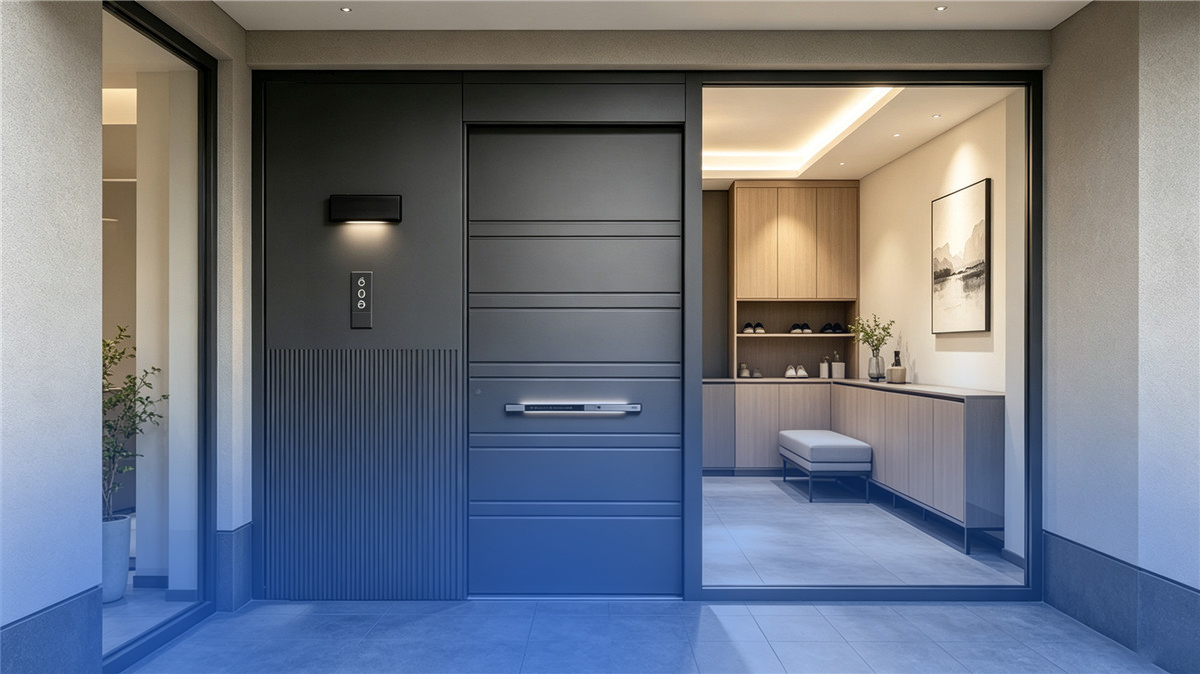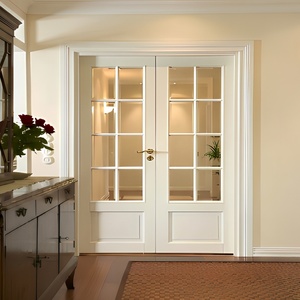
PDP Hurricane Impact Aluminum Alloy Waterproof French Doors High-Transparency Screen
- Standard AS2047, NFRC Rated
- Glazing High-Impact Multi-Layer Laminate
Explore our precision-engineered selection of custom aluminum windows and matching entrance assemblies, designed to comply with rigorous North American, Australian, European, and coastal African building codes.
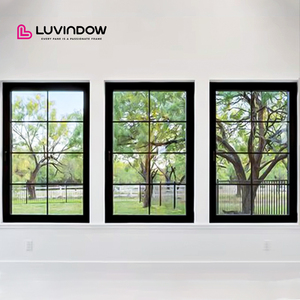
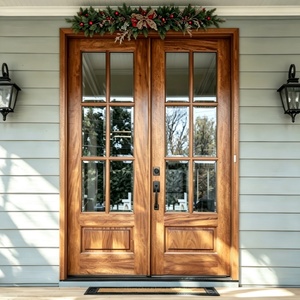
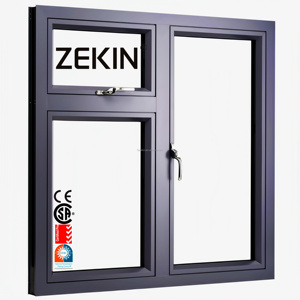
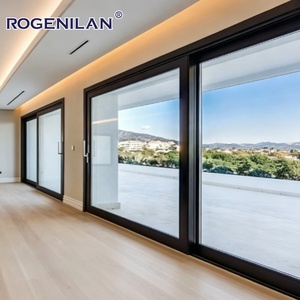
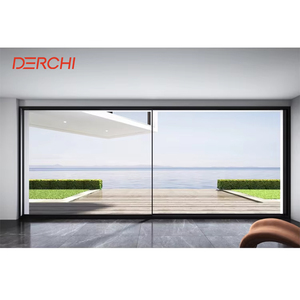
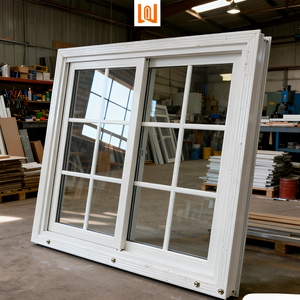
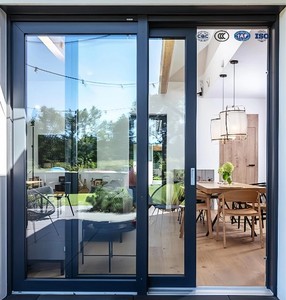
Operating from the global fenestration hub in Foshan, Guangdong Dejiyoupin Doors and Windows Co., Ltd. (DERCHI) combines automated German CNC extrusion lines with world-class quality systems.
Modern smart manufacturing infrastructure delivering continuous volumetric scalability.
Dedicated technical draftsmen, structural engineers, and QA controllers on site.
Fully verified for AS2047, NFRC, CE, ISO9001, and UL commercial standards.
Continuous technical leadership across North American, European, and African projects.
Our aluminum single and multi-sash windows undergo continuous hydrostatic, air infiltration, and cyclic wind load testing. Certified up to AS2047 N6 criteria, our profiles are structurally configured to withstand extreme weather from hurricane-force gales in North America to equatorial storms in West Africa.
DERCHI integrates complete bespoke engineering. From extruded wall thicknesses (1.4mm to 3.0mm 6063-T6/T5) to custom polyamide thermal breaks, multi-cavity drainage, and flush architectural sightlines, we generate comprehensive 2D/3D CAD shop drawings before initiating CNC fabrication.
Long-distance maritime transit requires uncompromising protective packaging. Every window is packaged with corner guards, multi-layer pearl-cotton cushioning, waterproof heat-shrink film, and non-fumigation solid plywood export crating to guarantee zero deformation upon delivery at destination ports.
Strategic analysis of global supply-chain realignments, carbon taxonomy compliance, and precision thermal-barrier innovations for international developers and specifiers.
In modern architectural procurement, the sourcing of custom OEM aluminum single windows has shifted from simple unit pricing toward lifecycle resilience, operational carbon footprints, and supply-chain transparency. Procurement managers for tier-one construction firms now demand comprehensive documentation, including Environmental Product Declarations (EPD) and documented raw material provenance (such as low-carbon primary aluminum billets sourced via renewable hydroelectric smelting).
Simultaneously, the demand for single-window systems has diversified across emerging markets. In high-growth coastal hubs across the African continent (such as Lagos, Tema, Mombasa, and Durban) and hurricane-exposed regions in the Caribbean and Southern United States, procurement directors are phasing out generic local window assemblies in favor of direct-from-manufacturer OEM assemblies with integrated multipoint hardware, anti-lift locks, and salt-spray-tested surface coatings.
Consolidated procurement strategies are also dominating: general contractors frequently bundle fenestration schedules—integrating custom single windows, large glass pivot systems, soundproof entrance configurations, and architectural casements into single 40ft High Cube containers. This drastically cuts ocean freight expenses per square meter and simplifies clearance compliance under national frameworks such as SONCAP, KEBS PVoC, and SASO.
Technological advancement in single-window engineering centers around three structural axes: deep-cavity thermal optimization, micro-sightline structural alloys, and smart hardware integration. The traditional thermal-break barrier has evolved into multi-chambered polyamide 66 reinforced with 25% fiberglass (PA66-GF25), filled with aerogel or expanded polyurethane to push U-values down below 1.2 W/m²K without increasing frame bulk.
Furthermore, the market is rapidly moving toward ultra-narrow sightlines without compromising wind-pressure resistance. Using customized 6063-T6 aerospace-grade aluminum extrusions engineered with thickened interior web profiles, DERCHI engineers single windows that maximize clear glass area while maintaining mechanical deflection thresholds of L/175 or L/250 under sustained structural loads.
Glazing technology is advancing concurrently: high-transmittance double and triple Low-E configurations filled with 90%+ Argon gas and warm-edge composite spacers have transitioned from niche luxury add-ons into baseline regulatory requirements under updated ASHRAE, Title 24, and European energy conservation directives.
A comparative structural overview detailing the technical differentials between standard residential fenestration profiles and DERCHI’s engineered custom OEM structural profiles.
| Technical Parameter | Standard Commercial Grade | DERCHI Custom OEM Specification | Performance Benefit |
|---|---|---|---|
| Alloy & Temper | Recycled Secondary Aluminum 6063-T5 | Primary Ingot 6063-T6 / Structural 6061-T6 | +35% higher tensile yield; resists extreme wind load deformation |
| Profile Wall Thickness | 1.0 mm – 1.2 mm | 1.4 mm – 2.0 mm (Structural sections up to 3.0 mm) | Guarantees structural squareness and accommodates heavy double/triple IGU |
| Thermal Insulation | Unbroken / PVC Interlock Strip | Multi-Chamber PA66-GF25 Polyamide (24mm–34mm) | Prevents indoor condensation; drastically cuts HVAC heat transmission |
| Surface Protection | Standard Anodized / Thin Powder Coat (40μm) | AkzoNobel Fluorocarbon (PVDF) / Electrophoretic (80μm+) | Withstands 3,000+ hours neutral salt spray; immune to coastal marine corrosion |
| Weather Gasketing | Standard PVC or Synthetic Foam | Triple Co-Extruded EPDM Gaskets (Continuous Vulcanized) | Eliminates draft and water leakage over 25+ years without drying or cracking |
Critical technical, regulatory, and logistics answers for commercial contractors, real estate developers, and international trading partners.
Connect directly with our engineering sales specialists in Foshan. Send your window schedule, site dimensions, or project tender for an actionable quote, structural analysis, and free CAD shop drawings within 24 hours.