Engineered Architectural Screen & Door Collections
Integrated OEM/ODM solutions: high-tensile 304/316 marine-grade stainless steel wire mesh embedded in thermal-break structural aluminum frames for high-end residential, hotel resort, and coastal developments.
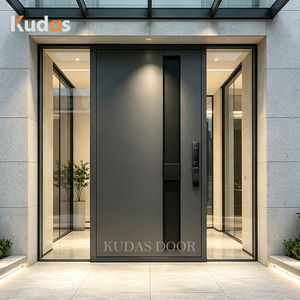
Modern Grey Cast Aluminum Front Pivot Door Waterproof Security Entrance
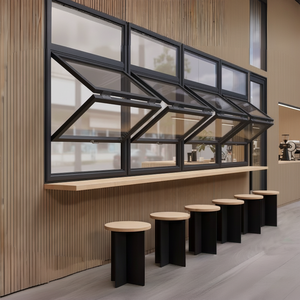
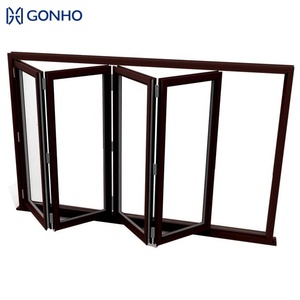
Frameless Vertical Aluminum Large View Soundproof Thermal Folding Screen Windows
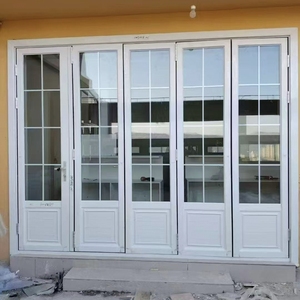
CE Certified Air Water Tight Exterior Hotel Balcony Space Folding Door
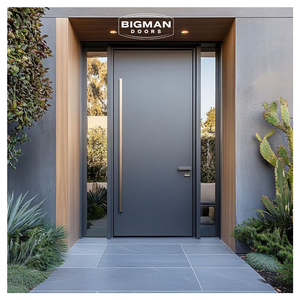
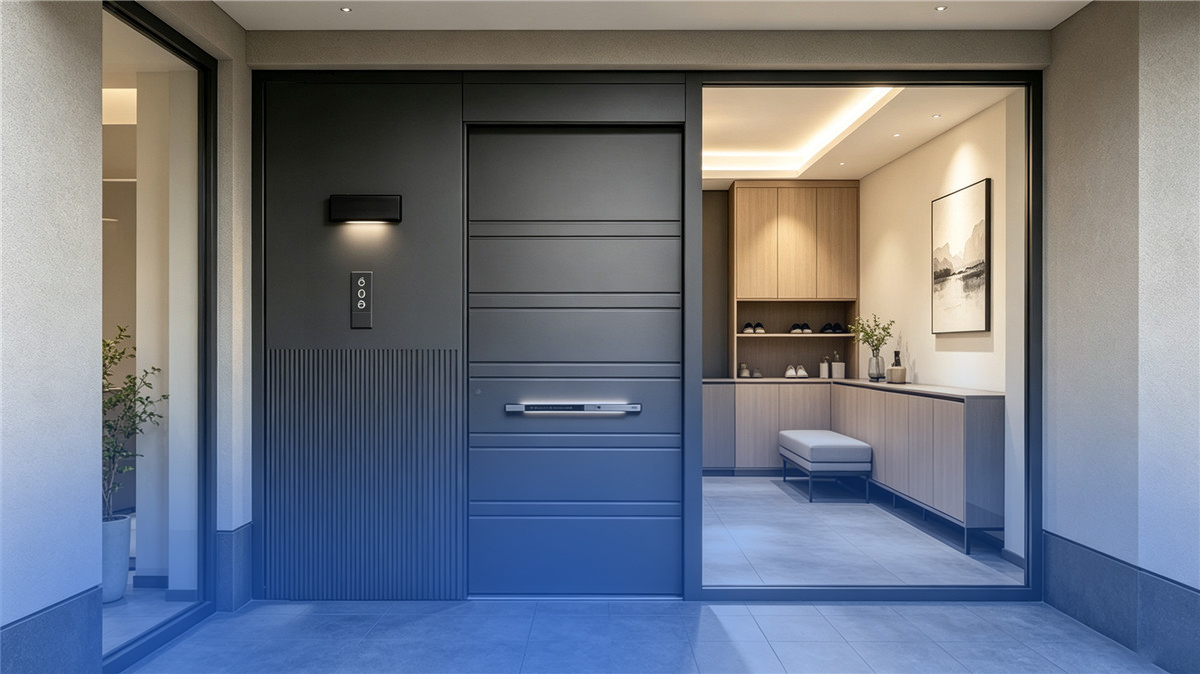
Modern Minimalist Dark Grey Security Pivot Entry Door Anti-Theft Exterior
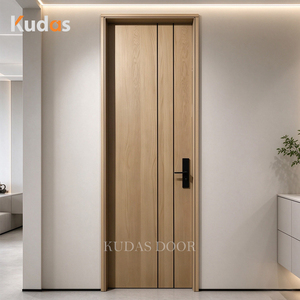
Modern Vertical Black Line Decor Wood Veneer Interior Flush Room Door
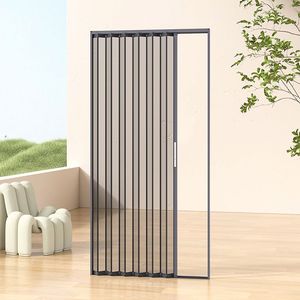
Factory Horizontal Slide Folding Aluminum Retractable Mosquito Screen Door
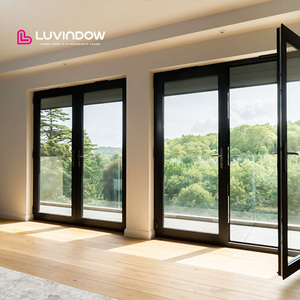
American Double Glazed Front French Doors Modern Hinged Swing Exterior Door
180,000㎡
Intelligent Production Base
600+
Engineers & Floor Technicians
100+
Global Patents & Testing Approvals
AS2047 N6
Cyclonic Wind & Impact Certified
Engineering Architecture of High-Integrity Mosquito Mesh Doors
Modern architectural fenestration requires a shift from passive insect screening to structural security envelope systems. Contemporary Custom OEM Aluminium Mosquito Mesh Door manufacturing relies on structural extrusion metallurgy, micro-aperture mesh dynamics, and durable polymer electrodeposition. Selecting an OEM partner is no longer just about mill-finish aluminium profiles; it requires an evaluation of tensile capacity, shearing resistance against intrusion, and long-term electrochemical stability in challenging tropical, arid, and marine environments.
1. Primary Alloy Metallurgy: 6063-T5 vs. 6061-T6 Extrusion Profiles
The structural perimeter of an anti-mosquito barrier provides the foundation for mesh tension and perimeter locking rigidity. We utilize primary virgin billet 6063-T5 and 6061-T6 structural aluminium with profile wall thicknesses ranging from 1.4 mm to 2.2 mm. Unlike re-melted scrap billets, our aluminum maintain low iron contaminants (<0.35%), preventing intergranular stress corrosion cracking when exposed to coastal salt spray (Lagos, Durban, Mombasa) or high-altitude UV radiation.
2. Mesh Micro-Weave Geometry: Vector Blocking vs. Aerodynamic Airflow
True vector mitigation demands precise weave counts. The common vector Aedes aegypti (vector for Dengue and Yellow Fever) and Anopheles mosquitoes require aperture tolerances strictly controlled below 1.2 mm × 1.2 mm (16 to 18 mesh count). Our heavy-duty stainless steel security mesh (0.80 mm to 1.0 mm wire gauge) uses plain lock weave weaves that pass knife-shear testing (AS5041) while maintaining up to 58% natural daylight transmission and low air resistance.
OEM Screening Technical Matrix
Comparative evaluation of high-performance screening substrates and architectural finish frameworks.
| Substrate / Metric | 316 Marine Grade SS Mesh | 304 High-Tensile SS Mesh | High-Tension Plisse / Accordion | Fiberglass Standard Screen |
|---|---|---|---|---|
| Wire Diameter (Ø) | 0.80 mm – 1.00 mm | 0.70 mm – 0.90 mm | Micro-composite filament | 0.28 mm standard |
| Tensile Strength (MPa) | ≥ 1150 MPa | ≥ 900 MPa | Pliable Tensile Polymer | < 200 MPa |
| Knife Shear Resistance | AS5039 / AS5041 Passed | Moderate Level Intrusion | Non-Rated (Barrier Only) | Fails (Cuts Instantly) |
| Salt Spray Test (ASTM B117) | 3,000+ Hours Flawless | 1,000 Hours Coastal Safe | Inert to Saltwater Corrosion | Resistant / Frame Dependent |
| Recommended Applications | Villas, Coastal Enclaves, Banks | Urban Residential & Hotels | Folding Patio Sets, Kitchens | Budget Low-Traffic Windows |
Global B2B Procurement Trends & Architectural Forecast
Macro trends influencing architects, specifiers, and procurement teams through 2026–2030.
1. Unified Dual-Action Systems
Architects are moving away from secondary screens installed behind glass doors. Market demand favors integrated frames where heavy-duty 0.8 mm stainless mosquito mesh and acoustic insulated glass share a single flush-threshold extrusion track.
2. Concealed Automation & Sensor Locks
Motorized, concealed horizontal retractable systems driven by smart home automation are becoming standard in high-end developments. Integrated infrared sensors ensure screens retract automatically when large glass panels slide open.
3. Extreme Durability & Marine Resistance
With urbanization expanding in coastal regions across Africa, Southeast Asia, and the Gulf, standard architectural coatings are being replaced by Qualicoat Class 2 powder coats and PVDF fluorocarbon coatings capable of withstanding high UV and salt spray.
Factory-Direct OEM/ODM Manufacturing Advantages
Operating an enterprise footprint of 180,000 ㎡ in Foshan, Guangdong, Guangdong Dejiyoupin Doors and Windows Co., Ltd. (DERCHI) leads international door and screening supply chains.
End-to-End Extrusion Tooling
In-house custom die engineering allows us to mill, extrude, and fabricate customized frame profiles to architectural door schedules in 14 days.
Certified Testing & AS2047 Audits
Extensively tested for N6 cyclic pressure, wind loads, air permeability, and CE/UL fire ratings for direct commercial compliance.
Port-to-Port Sea Crating
Reinforced fumigated solid timber crating designed for rough sea routes into Lagos, Tema, Mombasa, Durban, and Latin America.
Dedicated Project Engineering
Bilingual facade engineers support CAD shop drawings, takeoff calculations, and real-time remote installation guidance.
Procurement & Engineering FAQ
Common technical and logistical questions answered by our manufacturing team.
What structural differences separate standard insect screen doors from high-tensile security mesh systems?
Standard insect screens utilize thin gauge vinyl-coated fiberglass or drawn aluminum wire (0.22 mm–0.35 mm) mounted into lightweight extruded frames. These systems tear under light impact and degrade under UV exposure. In contrast, our high-tensile security mesh systems feature 0.8 mm to 1.0 mm AISI 304 or 316 marine-grade stainless steel wire woven to a tensile rating exceeding 900–1150 MPa. Secured with a mechanical screw-clamped compression bead within a 1.4 mm–2.0 mm 6063-T5 aluminum perimeter, these systems provide true vector exclusion alongside cut resistance, forced-entry protection, and pet scratch prevention.
How does marine salt air affect aluminum mosquito mesh frames, and what coatings are recommended?
In coastal environments, airborne chlorides settle into crevices, causing pitting corrosion on bare metals. We recommend AkzoNobel or PPG architectural powder coatings certified to Qualicoat Class 2 or Class 3 specifications, or a 25-micron anodic oxidation pre-treatment. For extreme coastal applications, we apply a multi-layer PVDF (polyvinylidene fluoride) fluorocarbon finish and specify 316-grade marine stainless steel mesh paired with 316-grade screws and hinge hardware to prevent galvanic corrosion between the steel mesh and aluminum frame.
Can you manufacture custom curved, oversized pivot, or accordion configurations?
Yes. Every door panel is custom-engineered to architectural drawings. Our 180,000 ㎡ production plant houses multi-axis CNC bending, milling, and corner-crimping equipment. We regularly produce single-leaf pivot screen doors up to 2.2 meters wide by 3.8 meters high, multi-stacking bi-fold screen walls with flush, barrier-free floor channels, and arched-head mosquito barriers tailored to luxury villas, resorts, and commercial installations.
What are the standard lead times, packing safeguards, and export container arrangements?
Standard OEM extrusion, powder-coating, mesh clamping, and assembly take 20 to 30 working days from final CAD shop drawing sign-off. Finished doors receive protective film, protective corner caps, multi-layer pearl foam wrap, and are placed into fumigated timber skeleton crates or fully enclosed plywood cases. We provide container load optimization plans (FCL/LCL) for export to global destinations, including direct sea freight to major ports such as Lagos, Tema, Mombasa, and Durban.
Initiate Your Custom OEM Door Manufacturing Schedule
Send us your door schedules, CAD elevations, or project specifications. Our structural engineers respond with complete technical recommendations, hardware schematics, and factory pricing within 24 hours.
Get a Quote