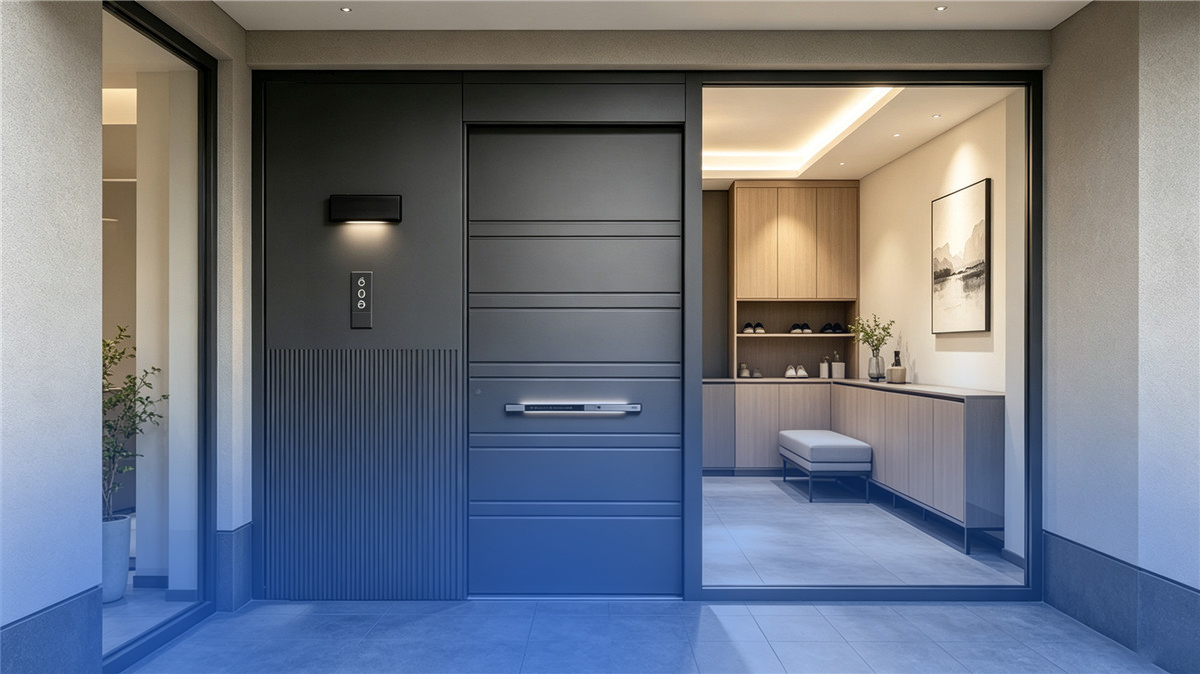
Architectural Fenestration Systems: The Industrial Standard
In modern commercial construction and upscale residential development, building envelopes must reconcile stringent structural resilience with aggressive net-zero energy demands. As a recognized Top 10 Chinese fenestration brand operating an integrated 180,000 ㎡ production complex, Guangdong Dejiyoupin Doors and Windows Co., Ltd. (DERCHI) leads the industry in structural profile extrusions, multi-cavity thermal separation, and bespoke fenestration manufacturing for world-class developers, facade contractors, and project distributors worldwide.
Engineered OEM Aluminium Window Systems
Tested rigorously under international regulatory standards including North American CSA/NFRC, Australian AS2047, and European CE standards.
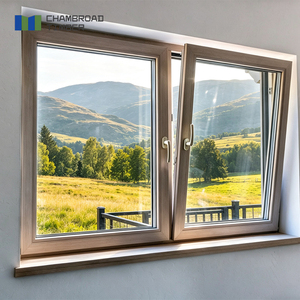
Wood-Aluminium Fireproof & Anti-Theft Casement Window
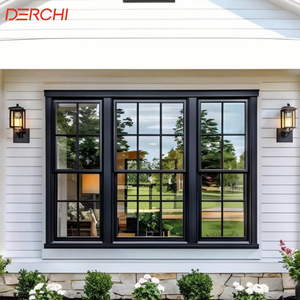
Custom Architectural Double-Hung Aluminium Sash Window
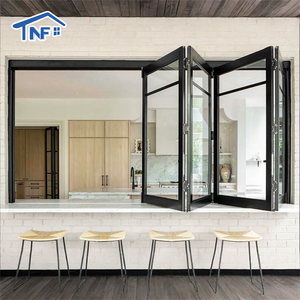
Horizontal Heavy-Duty Bifold Folding Aluminium Window
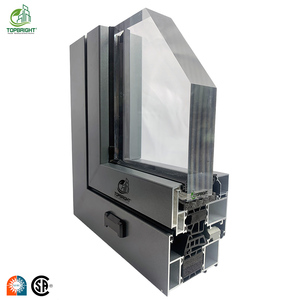
High-Insulation Thermal Break Double Glazed Casement
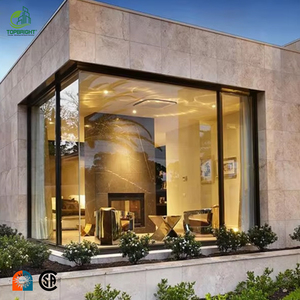
American Architectural Slim-Profile Panoramic Picture Window
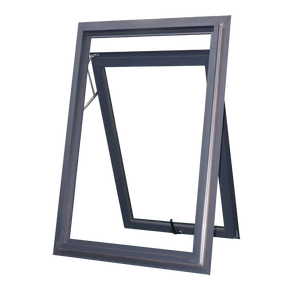
AS2047 & NZS Compliant Structural Double Glazed Window
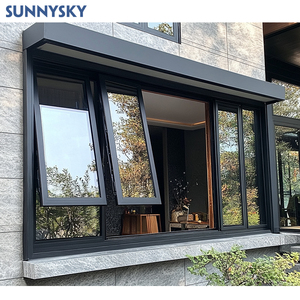
Top-Hung Thermal Break Weather-Sealed Awning Window
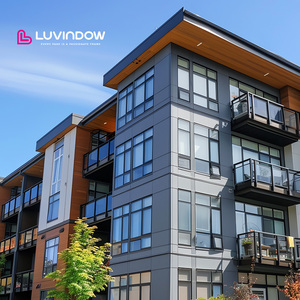
Heavy Commercial Acoustic Casement for Hotel Developments
Why Tier-1 Contractors and Global Importers Standardize on DERCHI
Precision manufacturing is not simply about assembling profiles; it requires metallurgical integrity, advanced thermodynamic simulations, and turnkey engineering assistance.
T6-6063 Metallurgical Precision
Our custom extrusion lines process primary, non-recycled 6063-T5/T6 architectural-grade aluminium billets. This yields optimal wall thickness (up to 3.0mm structural load-bearing capacity) and exceptional deflection resistance under extreme wind pressures.
Multi-Standard International Compliance
Fully compliant with global building frameworks. DERCHI holds European CE certifications, ISO9001 quality process control, North American NFRC/CSA energy standards, and Australian AS2047 N6 (highest wind-load level) ratings.
Full CAD/BIM Integration & OEM Customization
Our internal technical team produces precise CAD shop drawings, wind-load calculation analyses, and complete cross-sectional designs customized to client architectural parameters before any metal is cut.
Automated CNC Fabrication Lines
Automated multi-axis CNC milling centers guarantee microscopic tolerance limits (±0.2mm). Every miter cut, mechanical corner cleat crimp, and hardware cavity injection matches European industrial specifications.
Direct Manufacturer Economies of Scale
Bypassing trading intermediaries, DERCHI provides tiered container-rate commercial pricing. We coordinate export sea-crating in reinforced timber pallets to prevent maritime corrosion and handling damage.
Engineering Support in Target Time Zones
Dedicated technical project directors handle specification matching across global project zones—supporting submittals for local conformity schemes including Soncap, KEBS PVoC, or NRCS standards.
Next-Generation Structural Fenestration Dynamics
The global aluminium fenestration landscape is undergoing a permanent technological shift away from simplistic hollow profiles toward multi-chambered, thermodynamic building envelopes. Specifiers and procurement teams must align with three primary technical evolutions:
- Isobaric Cavity & Polyamide Thermal Separation: Implementation of glass-fiber reinforced PA66 polyamide insulating strips with multi-cavity isobaric chambers, achieving overall window U-values below 1.2 W/m²·K.
- Super-Neutral Solar Control Glazing: Increasing integration of triple-silver Low-E coatings, warm-edge composite spacers, and argon gas infill to prevent solar heat transfer in tropical climates while retaining interior climate controls.
- Hidden Sash Architecture & Structural Glazing: Architectural preference for concealed hinges, micro-bezel exterior sightlines (<45mm), and structural silicone glazing that expands glass-to-frame ratios.
Strategic Sourcing Trends for 2026–2030
Procurement directors and high-volume commercial builders are systematically moving away from local cut-and-assemble workshops toward consolidated overseas OEM manufacturing hubs capable of supplying verified test mockups.
Key drivers include carbon-neutral supply chains (verified low-carbon smelting processes), integrated hardware systems (standardizing on German Siegenia, Hoppe, or certified proprietary multi-point lock mechanisms), and pre-glazed unitized delivery that slashes expensive onsite labor overheads in target markets.
Frequently Asked Questions: Global Window Sourcing
Direct technical responses addressing common engineering parameters, logistics, and compliance inquiries from engineering consultants, architects, and quantity surveyors.
How do DERCHI thermal break aluminium window systems compare to standard systems in severe climates? +
What parameters are required to generate formal CAD shop drawings and pricing estimates? +
Can DERCHI meet regional certification requirements like AS2047, CSA, and CE? +
How does the factory prevent maritime corrosion and physical deformation during ocean shipping? +
What is the standard production lead time for custom OEM commercial orders? +
Request an Engineering Quote & Specification Submittal
Partner directly with Guangdong Dejiyoupin Doors and Windows Co., Ltd. for factory-direct prices, certified QA testing documents, and turnkey design support for your upcoming tender.