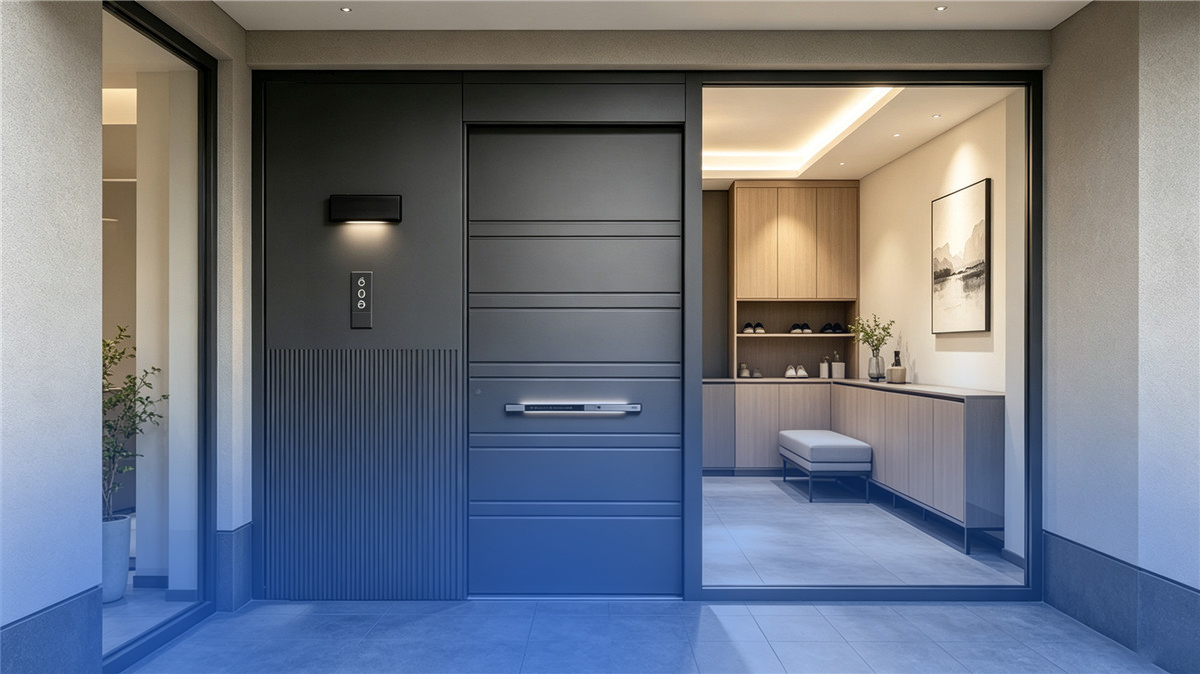
High-Integrity Commercial & Architectural Product Recommendations
Manufactured from primary architectural 6063-T5/T6 structural alloys, our comprehensive fenestration collection bridges aesthetic luxury, hurricane-grade cyclonic resistance, and thermal efficiency. Review our core exported solutions below.
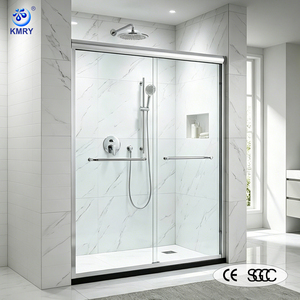
Hotel Apartment Aluminum Frame Double Bypass Sliding Shower Door Enclosure Bathroom Glass Cubicle CE SGCC Certified
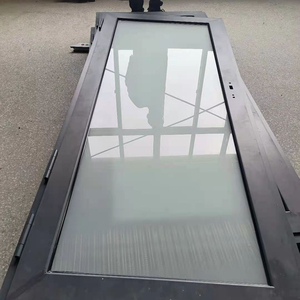
Modern Aluminium Doors and windows Hurricane Impact Storm Casement windows for House
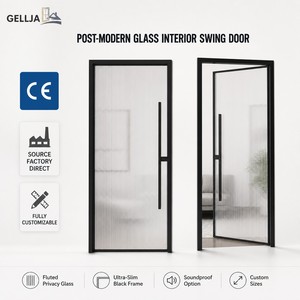
GELLJA Modern Interior Aluminum Swing Door Fluted Glass Narrow Frame Manual CE Certified For Apartment Hotel Bathroom Kitchen
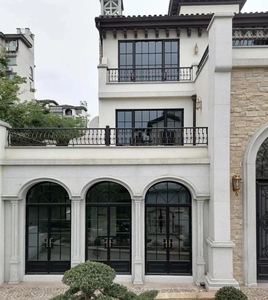
CE ISO9001 Certified Modern Soundproof Large Glass Slim Frame Window with Narrow Profile Aluminum Alloy for Apartment Hotel Use
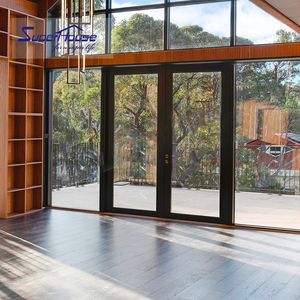
Patio Black Aluminum Frame Entry Door French Door Thermal Break Front Tempered Glass Lower Track Aluminum Double Glass Finished
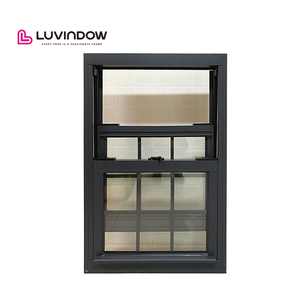
Australia Aluminum Top Sash Low E Glass Single Moser Top Anderson Double European Style Single Hung White Color Slide Window
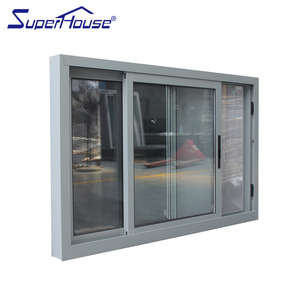
Florida Approved Miami Dade Hurricane Impact Glass Aluminium Sliding windows Screen Window
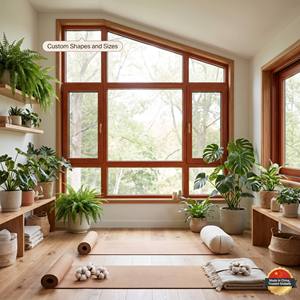
HUACAI Thickness Luxury Aluminum Wood Casement Window German Noto Hardware North American Red Oak Triple Glazed Apartment
Enterprise Strengths: Industrial Leadership from Foshan, Guangdong
As an industry-leading fenestration and entrance door manufacturing hub, Guangdong Dejiyoupin Doors and Windows Co., Ltd. delivers direct factory engineering, rigorous multi-stage quality control, and turn-key custom OEM/ODM production for distributors, volume importers, and major developers worldwide.
Stringent Metallurgical & Finishing Standards
We strictly utilize virgin Grade A 6063-T5/T6 billet extrusions without reground scrap. Surface profiles undergo Qualicoat-certified fluorocarbon (PVDF) 3-coat spraying, marine-grade marine powder coating (up to 80-100μm thickness), or deep electrolytic anodizing exceeding 25μm, achieving flawless durability against aggressive saline moisture, high humidity, and intensive equatorial UV irradiation.
Precision Engineering & Split Leaf Geometry
Our dedicated aluminium stable doors (Dutch doors) and heavy-duty entrance solutions utilize custom extruded perimeter multi-chamber designs. Equipped with polyamide PA66 GF25 thermal isolators, our split-leaf systems incorporate four-sided dual co-extruded EPDM vulcanized sealing strips and precision-milled CNC stainless steel quadrant latches that ensure complete draft-proofing when joined, yet effortless independent top-leaf ventilation.
Turn-Key Export Packaging & Ocean Logistics
Operating deep relationships with leading container shipping lines, we guarantee seamless FOB China or CIF container freight to Africa (Lagos, Mombasa, Durban, Tema), Europe, Australia, and North America. Every door sash and outer subframe is shrink-wrapped, guarded with heavy edge-protectors, padded with closed-cell PE foam, and encased within custom-built fumigated plywood crates engineered for multi-tier ocean freight handling.
Future Procurement Trends in Aluminium Stable Doors & Specialized Fenestration
Global architectural procurement in commercial equine facilities, high-end residential barn estates, and coastal boutique hospitality is moving through significant structural shifts. Commercial buyers are focusing on specific specification trends to optimize long-term asset value.
| Procurement Pillar | Legacy Industry Standard | 2025–2030 Next-Gen Spec Specification | Commercial Value & ROI Benefit |
|---|---|---|---|
| Thermal Barrier Integrity | Non-thermal single aluminium skin; conductive cold-bridging | Polyamide PA66 GF25 low-lambda thermal breaks + polyisocyanurate (PIR) cores | Eliminates internal surface condensation; cuts climate-control HVAC operational expense by up to 34%. |
| Hardware & Independent Operation | Surface-mounted iron padbolts prone to binding and rust | Concealed 304/316 stainless multi-point shoot bolts + interlocking sash couplers | One-hand operable split leaf mechanics; anti-lever tamper rating for enhanced building perimeter security. |
| Glass & Infill Assemblies | Single annealed or thin clear acrylic sheets | Dual-sealed laminated Low-E units or high-density anti-kick composite PVC panels | Withstands direct animal/impact loads while allowing passive day-lighting and acoustic absorption up to Rw 38dB. |
| Surface Metallurgy & Longevity | Standard domestic mill or 40μm powder coat | AkzoNobel Interpon D2525 hyper-durable or PPG 70% fluorocarbon PVDF systems | Resists equine chemical excretion, agricultural ammonia washdowns, and coastal saltwater pitting over 25+ years. |
Decarbonized Low-Carbon Billets (Scope 3)
International infrastructure developers and architects in North America, Europe, and the Middle East are increasingly mandating Low-Carbon Aluminium (hydro-powered smelting output producing <4.0 kg CO2e per kg of aluminium ingot). Procurement orders will favor manufacturers maintaining transparent Environmental Product Declarations (EPDs) and recycled alloy traceability.
Pre-Hung Modular Cassette Assemblies
Field labor expenses on Western and African job sites have risen sharply. Modern procurement trends require completely pre-machined, pre-hung outer frame cassettes where subframes, hinges, weather-stripping, and sash locks are shop-assembled and tested inside our Foshan factory, reducing contractor on-site installation time by over 60%.
Integrated Micro-Ventilation & Flyscreen Modules
Stable doors are evolving from rustic barriers into integrated climate control systems. High-demand procurement packages now integrate concealed operable louvers inside the upper door sash, paired with motorized internal tilt-mechanisms and integrated stainless mesh insect screens that keep facilities pest-free while enabling passive airflow.
Aluminium Stable Doors Evolution: From Timber/Steel to Advanced Alloy Systems
Architects and facility engineers historically relied on heavy hardwood or galvanized steel for stable-type doors. However, accelerated degradation in wet, humid, or coastal environments has made precision extruded aluminium the world standard. Below is an engineering comparison of the core material types.
The Structural Vulnerabilities of Legacy Materials
Traditional Hardwood / Timber: Wooden doors expand and contract severely with seasonal relative humidity changes. This causes warped frames, jammed latches, paint peeling, and structural rot around the base threshold. In equestrian applications, horses chew timber edges ("cribbing"), creating safety risks and requiring ongoing maintenance cycles.
Galvanized Carbon Steel: Although strong, carbon steel is extremely heavy, placing high mechanical stress on pivot hinges. When zinc layers scratch, internal structural oxidation (rust) occurs rapidly in humid or coastal environments. Rust streaks stain masonry walls and compromise locking integrity within 3 to 7 years.
The Advanced Extruded Aluminium Advantage
Zero Moisture Absorption & Warpage: 6063-T6 engineered alloys maintain dimensional stability through extreme thermal swings from -30°C to +75°C, ensuring clean opening clearances and continuous weather-seal contact year-round.
High Strength-to-Weight Ratio: Minimizes dead-load stresses on hinge pins while allowing wall-thickness reinforcement up to 3.0mm at structural anchoring points for superior impact resistance.
Inherent Biocide & Corrosion Resistance: Extruded aluminium surfaces do not harbor fungal pathogens, resist animal excretions, and withstand direct high-pressure disinfection without degrading finishes.
Frequently Asked Questions for B2B Importers & Contractors
Direct technical and commercial answers addressing structural engineering, minimum order quantities, compliance certifications, and ocean logistics for international purchasers.
Q1: How does an aluminium stable door maintain water and wind tightness at the split horizontal meeting rail?
Our engineered stable doors employ an interlocking horizontal meeting rail with an internal overlapping baffle lip. Between the top and bottom leaves, we incorporate a continuous double-channel EPDM vulcanized sealing gasket backed by internal weep channels. When the upper leaf is pulled shut and the multi-point compression shoot-bolt is engaged, the gaskets compress by 35%, achieving certified water-tightness exceeding 450 Pa under continuous cyclic spray testing.
Q2: Can we specify thermal break systems on high-exposure exterior Dutch and entrance doors?
Yes. We utilize European-standard PA66 GF25 (25% glass fiber reinforced polyamide) thermal break strips crimped inside inner and outer extruded aluminium profiles. This physical barrier blocks conductive thermal transfer, achieving complete thermal separation with overall door assembly U-values down to 1.4 W/m²K when combined with argon-filled, double-glazed Low-E insulated glass units (IGUs).
Q3: What surface finishes are recommended for aggressive coastal installations (e.g., Lagos, Durban, Miami)?
For installations within 5 miles of open saltwater, we specify a seaside-grade pre-treatment (acid-etching and zirconium passivation) followed by either PPG Duranar 70% fluorocarbon (PVDF) 3-coat liquid spray or AkzoNobel Interpon D2525 hyper-durable architectural powder coating (minimum 80μm film thickness). This setup carries a 20-year warranty against chalking, filiform corrosion, and salt-fog blistering according to AAMA 2605 testing standards.
Q4: How are shop drawings and custom opening dimensions managed before factory mass production?
Every commercial order goes through a strict 3-stage validation process. After receiving your architectural door schedule or rough opening measurements, our dedicated engineering division produces comprehensive CAD shop drawings detailing extrusion cross-sections, anchoring shim gaps, glass specifications, threshold step-downs, and swing clearance handings. Production begins only after you return the signed shop drawings.
Q5: What are your export crating specifications to prevent glass breakage or frame scratches during container transit?
Doors are packed for ocean container transport. Extrusion profiles are wrapped in protective PE tape, corner-guarded with molded ABS caps, and enclosed in heavy-duty 5-layer corrugated wrap. The fully assembled units are then strapped into fumigated solid-plywood open crates fitted with integrated forklift base runners and desiccant silica bags, preventing transit abrasion, ocean humidity condensation, and rough container handling.
Q6: Do your door and window systems meet international building code certifications for official approvals?
Yes. Our fenestration lines are certified across key jurisdictions, holding CE approvals (EN 14351-1), ISO9001 quality management verification, North American NFRC thermal and AAMA structural compliance, and Australian AS2047 N6 certification (wind loads up to 4500 Pa). We also supply test documentation for national pre-shipment inspections like SONCAP in Nigeria, KEBS PVoC in Kenya, and NRCS in South Africa.
Partner with China's Premier Door & Window Manufacturer
Whether you require custom-dimensioned aluminium stable doors for an upscale estate, hurricane-impact rated fenestration for coastal villas, or complete container orders for commercial developments, our engineering team is ready to review your schedule and provide comprehensive factory-direct pricing.
Inquire Now