180,000㎡
Modern Manufacturing Base
600+
Skilled Craftsmen & Engineers
100+
Certifications & Global Patents
AS2047 N6
Tested Structural Compliance
Engineered Product Lines
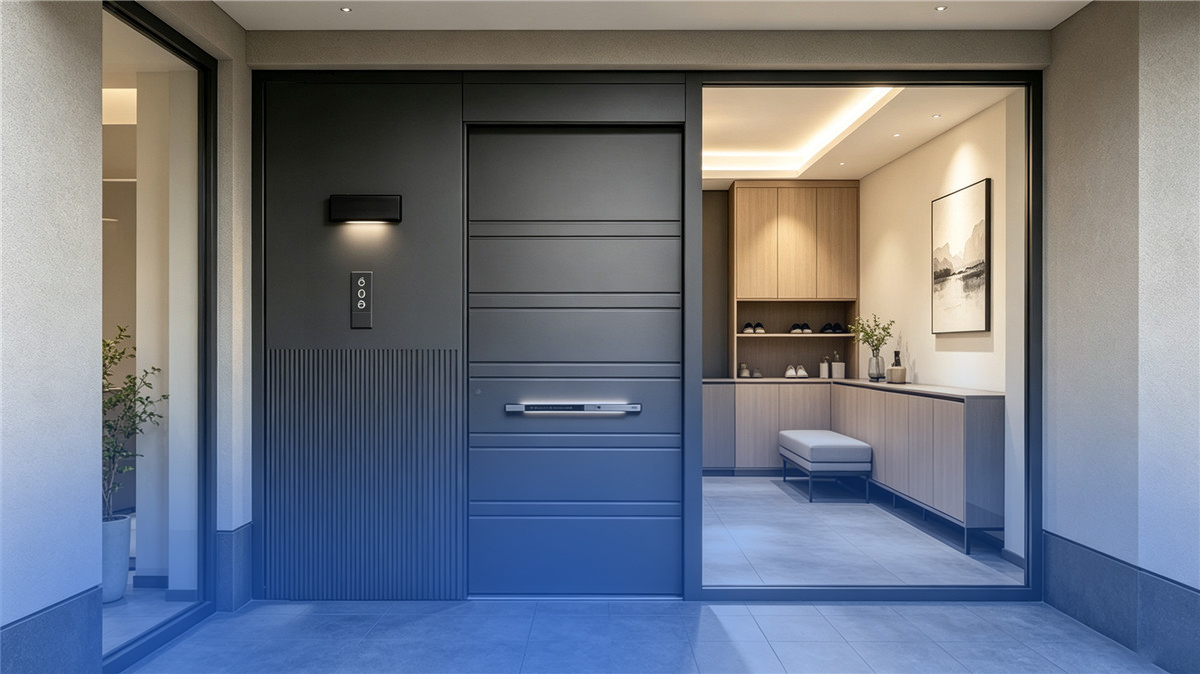
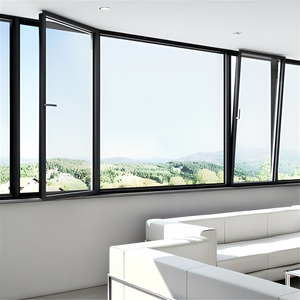
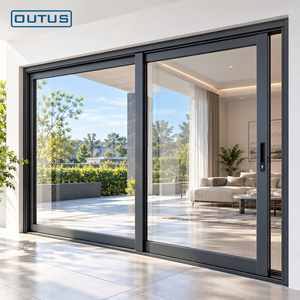
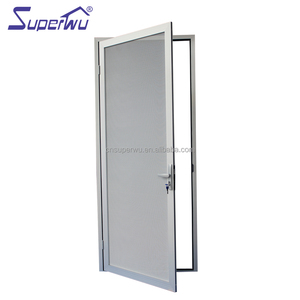
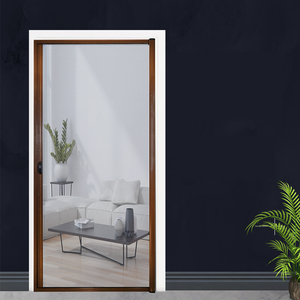
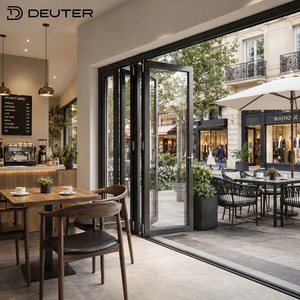
Architectural Aluminium Net Door & Security Systems
Precision-extruded profiles coupled with surgical-grade 304/316 marine wire netting, providing insect interception, sound reduction, thermal performance, and forced-entry deterrence.
Enterprise Authority
Why International Specifiers & Wholesalers Partner With Us
Guangdong Dejiyoupin Doors and Windows Co., Ltd. (DERCHI) stands among the premier manufacturers in China, backed by 25+ years of fenestration engineering excellence.
Structural & Security Engineering
Our aluminium net door systems integrate 6063-T5 and 6060-T6 primary architectural alloys with wall thicknesses up to 2.0mm. Combined with high-tensile 0.8mm to 1.0mm 304/316 grade stainless steel woven mesh, they withstand knife shear, dynamic shear, and forced pry tests.
AS2047 N6 & CE International Accreditations
Products undergo rigorous mechanical, cyclic, and weathering audits. We hold European CE certification, ISO9001 quality management verification, UL-rated fire barrier options, and Australian AS2047 standard compliance tested up to extreme cyclonic N6 wind pressures.
180,000㎡ Scalable Lean Manufacturing
Operating a massive industrial footprint in Foshan, Guangdong with over 600 production specialists, automated CNC milling centers, and multi-axis corner-crimping equipment, we consistently execute mixed-container consolidation with on-schedule shipping.
Climate-Adaptive Surface Metallurgy
We apply AkzoNobel fluorocarbon (PVDF) and architectural electrostatic powder coatings, reaching 4,000+ hours of neutral salt-spray (AAMA 2604/2605) testing. Ideal for extreme humidity, coastal salt mist, desert UV, and tropical downpours.
Engineering Shop Drawings & BIM Support
Our dedicated technical office supplies complete CAD section details, BIM objects, structural load calculations, and tailored submittal documentation, streamlining architectural approvals across European, American, African, and Middle Eastern jurisdictions.
Turnkey Export Logistics & Global Compliance
Specialized export packaging featuring pearl cotton wrapping, honeycomb edge buffers, and fumigated timber crates. We coordinate FOB or CIF deliveries and facilitate required clearing documentation including SONCAP, KEBS PVoC, SASO, and NRCS standards.
Structural Anatomy & Engineering Standards of Architectural Aluminium Net Doors
Modern architectural openings require fenestration systems that deliver uncompromised natural air circulation without creating vulnerabilities in thermal boundaries or physical security. As a premier China wholesale aluminium net door supplier and exporter, DERCHI addresses this challenge by combining thermal-break extrusion profiles with surgical-grade woven diamond mesh and stainless steel wire barriers. Traditional insect screens utilize nylon, PVC-coated fiberglass, or soft drawn wire, which succumb rapidly to photo-oxidation, shear stress, and pet abrasion. Our industrial-grade security screen doors employ marine-grade AISI 316 and 304 wire drawn to precision gauges (0.80mm to 1.05mm) woven into a consistent 11-mesh or 12-mesh grid.
The structural integration between the woven wire screen and the extruded aluminum sash is critical to security performance. In our manufacturing facilities, the netting is held within an internal mechanical clamp recess, anchored by high-tensile fasteners and bonded with EPDM pressure dampening gaskets. This distributes impact forces evenly across the perimeter frame rather than concentrating stress on the mesh edges, enabling our units to exceed the dynamic impact thresholds required by international safety standards.
| Engineering Attribute | Standard Insect Screen | DERCHI Diamond Security Net Door | Heavy-Duty Stainless Wire Mesh Door |
|---|---|---|---|
| Profile Material | Recycled Secondary Aluminum 1.0mm | Virgin 6063-T5 Aluminum 1.4mm–1.6mm | Primary 6060-T6 Architectural Alloy 1.8mm–2.2mm |
| Screen Material | Fiberglass / PET Polyester | High-Tensile Aluminum Diamond Grille | Marine-Grade AISI 304 / 316 Stainless Steel |
| Tensile Strength (MPa) | < 150 MPa | 280 – 320 MPa | ≥ 900 – 1150 MPa (Anti-Shear) |
| Locking Mechanism | Single Point Latch | Double Hook Sliding Lock | Multi-Point European Mortise Security System |
| Corrosion Resistance | 120 Hours Salt Spray (Cracks easily) | 1,500 Hours Neutral Salt Spray | 4,000+ Hours (PVDF / AkzoNobel Fluorocarbon) |
| Primary Application | Temporary residential fly barrier | Urban apartments & villas | Coastal estates, luxury villas & commercial plazas |
Beyond security, daylight transmission and aerodynamic airflow remain pivotal in passive house architecture. Our precision-spaced wire netting maintains an open area coefficient between 42% and 48%, preserving natural cross-ventilation while providing shading that reduces solar heat gain coefficients (SHGC). In tropical and coastal zones, this balances natural airflow with reduced air-conditioning energy consumption.
Future Procurement Trends: Where the Wholesale Door Market is Moving
Global procurement metrics show a significant evolution in commercial door specifications. B2B purchasers, building contractors, and real estate developers are shifting away from standalone single-function components toward multifunctional building envelopes. Understanding these developments is essential for commercial developers and distributors planning inventory cycles.
1. Monolithic Dual-Track Integration
Rather than retrofitting a secondary screen door to an existing entrance, developers favor pre-engineered dual or triple-track setups. These unite thermal-break double glazing with an integrated stainless steel screen within a singular architectural jamb.
2. Smart Building & Biometric Access
High-security net doors now incorporate digital smart-locks. Electric multipoint mortise latches support fingerprint scanning, 3D facial recognition, RFID access, and smart home automation integration via IoT hubs.
3. Barrier-Free Universal Design
Export specifications increasingly require flush-mount and low-profile threshold profiles. ADA-compliant, zero-barrier recessed tracks prevent tripping, facilitate wheelchair transit, and incorporate hidden sub-sill water drainage channels.
Environmental stewardship also drives material choices. Virgin aluminum extrusions manufactured via clean-energy electrolysis, paired with non-toxic, VOC-free powder formulations, support project certifications under LEED v4 and BREEAM environmental standards.
Key Industry Development Trends: Technological Breakthroughs
The aluminium net and security screen door manufacturing landscape in China is undergoing a technical transition from labor-heavy assembly to automated precision engineering. Four major technical developments define the current generation of products:
1. Corner Crimping vs. Screw Assembly: Traditional economic doors rely on internal cast bracket inserts fastened with sheet metal screws, which can loosen and sag over time. Advanced manufacturers now utilize 45-degree CNC corner mitering joined with pneumatic matrix crimping machines and two-component polyurethane corner adhesives. This creates an airtight, watertight structural frame that resists racking forces throughout the building life cycle.
2. Micro-Perforated Stealth Mesh Formulations: Beyond standard woven wire, photo-etched architectural alloy sheets and micro-perforated structural panels are entering the market. These offer one-way optical privacy—allowing occupants an unobstructed outward view while reflecting exterior light to prevent inward sightlines during daylight hours.
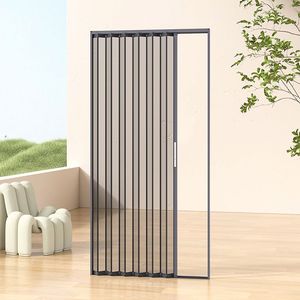
3. Hidden In-Frame Retraction Mechanisms: Retractable and pleated mosquito netting systems now employ tensioned Kevlar core guide-cables, high-grade POM self-lubricating track runners, and concealed magnetic dampeners that provide quiet, effortless gliding motion even on oversized spans exceeding 3.5 meters in height.
4. Severe Cyclone & Ballistic Hardening: Engineered door assemblies built for hurricane-prone regions undergo rigorous cyclic wind-pressure tests and missile-impact simulations, meeting ASTM E1886/E1996 and AS2047 criteria to protect building interiors from airborne storm debris.
Procurement Knowledge Base
Frequently Asked Questions for B2B Importers & Specifiers
Detailed answers regarding testing metrics, export procedures, hardware configurations, and regional building compliance.
What is the primary technical difference between 304 and 316 marine-grade stainless steel mesh in aluminium doors? +
The critical difference lies in alloy chemistry: 316 stainless steel contains 2% to 3% molybdenum, which provides exceptional resistance to pitting and crevice corrosion caused by chloride ions. For coastal zones, ports, and projects within 5 kilometers of saltwater, 316 stainless steel mesh is strongly recommended. For inland residential and commercial developments, high-tensile 304 stainless steel provides robust mechanical yield strength, shear resistance, and longevity at a lower material cost.
How do you ensure door frames stay square and resist racking during long sea container transit? +
Our structural integrity is maintained through engineered joinery: 45-degree precision miter cuts, heavy-gauge cast aluminum alignment corners, and structural corner adhesives injected before mechanical crimping. For export transit, each sash is secured with internal diagonal brace strips, individually wrapped in scratch-resistant poly-foam, buffered by heavy-duty honeycomb corner guards, and packed into fumigated plywood cases or steel cradles designed for direct container loading.
Can your aluminium net doors be integrated into existing door schedules, timber portals, or curtain walls? +
Yes. Every architectural door is built to precise sub-millimeter measurements. Our engineering department prepares comprehensive 2D CAD shop drawings and 3D Revit models based on your structural openings, wall types, and sub-frame conditions. We supply sub-cill adaptors, exterior brick mold trims, plaster flange profiles, and clip-on reveal receivers to integrate seamlessly with concrete, steel frame, masonry, or timber structures.
What certifications and export compliance documentation do you provide for regional import clearance? +
We maintain full quality management certification under ISO9001, European CE compliance (EN 14351-1), Australian AS2047 structural testing accreditation, and UL fire-door ratings. We regularly provide accredited laboratory test reports, Certificate of Origin (CO), packing lists, commercial invoices, and destination-specific compliance documents such as SONCAP (Nigeria), KEBS PVoC (Kenya), SASO/SABER (Saudi Arabia), and NRCS test records (South Africa).
What hardware, handle, and multipoint lock brands are standard on your aluminium net doors? +
We equip our systems with premium European and proven high-grade domestic hardware systems, including Siegenia, Hoppe, Roto, CMECH, and Kin Long. Depending on your security level, we configure high-cycle 304 stainless steel security hinges, concealed flush bolts, and anti-lift, anti-pick 3-point or 5-point mortise locksets designed to resist aggressive forced-entry tools.
What is the standard production lead time for full container load (FCL) wholesale export orders? +
Standard lead times for customized 20GP or 40HQ container orders range between 25 and 35 calendar days following client sign-off on CAD shop drawings and deposit confirmation. For custom powder colors, bespoke extrusion profiles, or specialized fluorocarbon coatings, allow an additional 7 to 10 days for precision batch color-matching and curing processes.