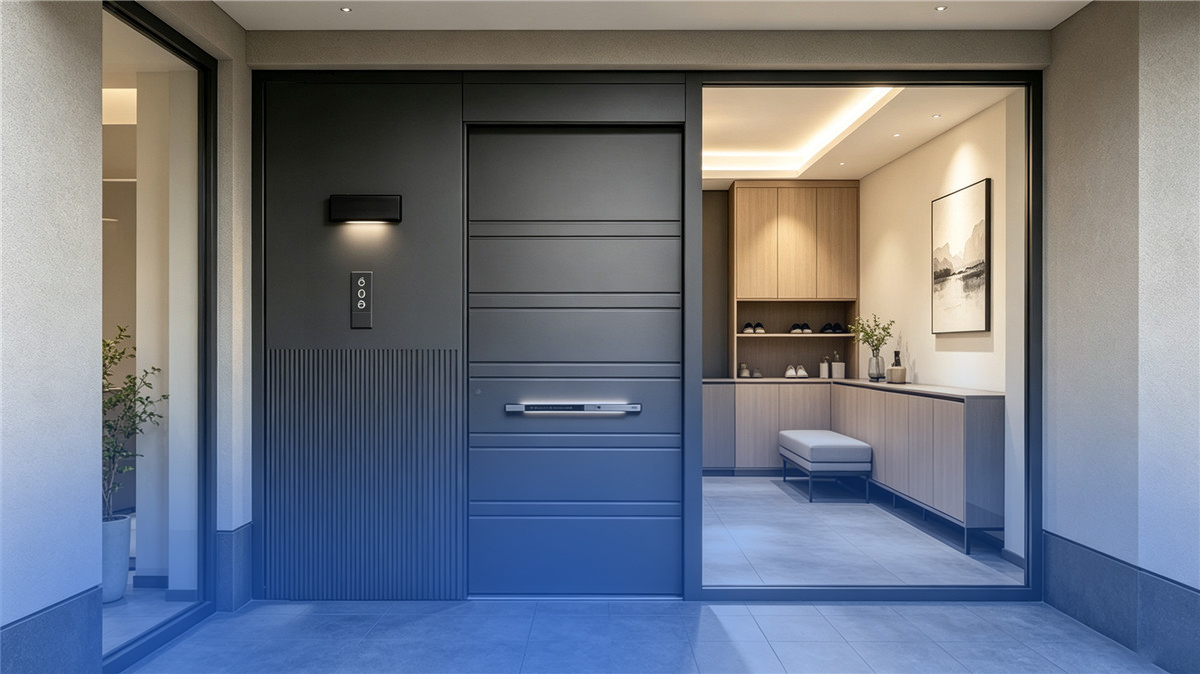
Engineered Exterior Storm Windows & Architectural Envelopes
Tested for extreme dynamic wind pressures, cyclical water resistance, and rigorous thermal comfort. Explore our core series built for coastal resilience and structural excellence.
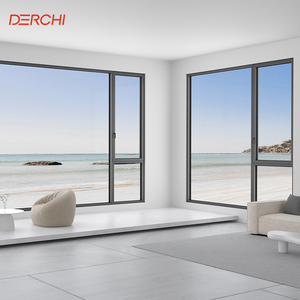
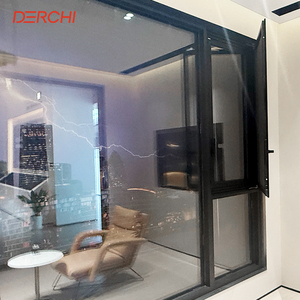
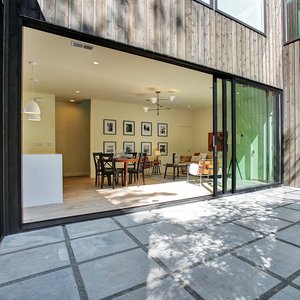
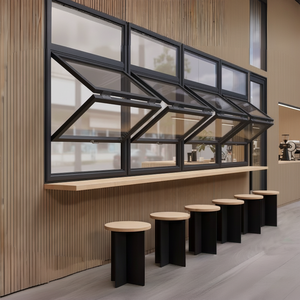
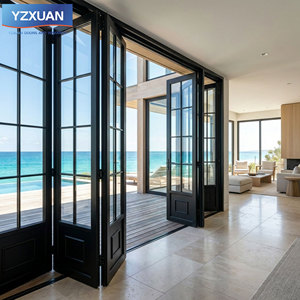
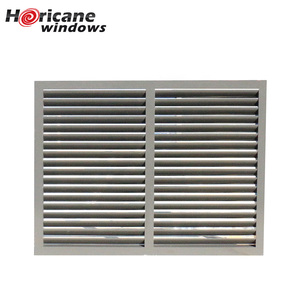
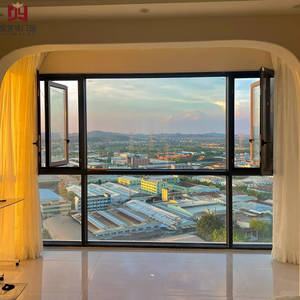
Structural Anatomy of High-Performance Storm Enclosures
Exterior storm windows serve as the frontline defense against aerodynamic uplift, cyclic pressure loads, and atmospheric intrusion. Sourcing directly from China requires understanding the core mechanical parameters that separate commercial-grade systems from ordinary fenestration.
T6-Tempered 6063/6061 Extrusions
Our storm framing leverages virgin 6063-T6 or 6061-T6 aluminum alloys with profile wall thicknesses exceeding 2.0mm to 3.0mm. This delivers superior tensile yield strength against deflection during catastrophic cyclonic events, complying with ASTM E1300 standards.
Polyamide PA66 Thermal Barriers
Eliminating conductive heat transfer in coastal and tropical climates requires reinforced polyamide PA66 GF25 thermal breaks. This configuration optimizes overall window U-values down to ≤ 1.4 W/m²·K while mitigating interior condensation under extreme thermal gradients.
Laminated SentryGlas® Glazing
Certified for High Velocity Hurricane Zones (HVHZ), our impact storm units utilize laminated insulating glass with PVB or Kuraray SentryGlas® (SGP) interlayers, sustaining repetitive large missile impact testing (9-lb 2x4 lumber at 50 ft/s) without envelope breach.
Future Procurement & Technological Trends (2025-2030)
As international energy codes tighten and severe meteorological occurrences escalate, architectural fenestration procurement is undergoing a paradigm shift toward certified, carbon-neutral, and smart systems.
1. Transition to Life-Cycle Decarbonization (Low-Carbon Bauxite)
Global procurement teams across North America, Europe, and Australasia now demand Environmental Product Declarations (EPDs). Future supply chains favor Chinese manufacturers utilizing hydro-powered aluminum smelting, slashing embodied carbon below 4.0 kg CO2e/kg aluminum.
2. Mandatory HVHZ & AS2047 Cyclic Load Compliance
Generic wind pressure resistance is obsolete. Global developers now require Florida Miami-Dade NOA, NFRC ratings, and Australian AS2047 N6 testings directly verified via remote witness testing and certified third-party metallurgical lab audits.
3. Prefabricated Sub-Frame Fast-Mount Integration
To reduce escalating on-site labor overheads in target destination ports, storm systems are increasingly prefabricated with modular steel/aluminum sub-frames, self-aligning anchoring brackets, and pre-injected silicone gaskets for rapid envelope sealing.
4. Marine-Grade Fluorocarbon (PVDF) Nanocoatings
Standard architectural anodizing fails in salt-fog environments. The industry is standardizing on Qualicoat Class 3 and AAMA 2605 certified PVDF fluorocarbon coatings, guaranteeing over 25 years of chalking resistance and color retention under high UV radiation.

Guangdong Dejiyoupin Doors & Windows Co., Ltd. (DERCHI)
Ranked among the Top 10 premium door and window manufacturers in China, DERCHI operates an integrated 180,000㎡ industrial manufacturing campus in Foshan, Guangdong. Backed by 25+ years of fenestration engineering, we supply premier developers, contractors, and importers across 60+ countries.
From full CAD/BIM facade scheduling to heavy-duty CNC extrusion machining, precision robotic glass caulking, and export seaworthy crating, our turnkey operational scale guarantees precision execution without project delays.
Frequently Asked Questions by Global Buyers
Critical commercial and technical answers for supply chain managers, architects, and facade contractors importing aluminum storm systems from China.
How do you verify structural wind load ratings prior to volume manufacturing?
Every commercial order undergoes finite element structural calculation based on local building codes (e.g., ASCE 7-22, AS1170.2). We prepare precise CAD shop drawings and can conduct mock-up laboratory testing for air infiltration (ASTM E283), water penetration (ASTM E331), and structural deflection (ASTM E330).
What packaging protocol prevents micro-abrasions and glass breakage on ocean freight?
Exterior storm windows are individually sealed in protective plastic membranes, fortified with corner guards, layered in honeycomb shock-absorbent foam, and palletized inside fully enclosed, fumigated solid timber export crates. Pallets feature dedicated forklift entry slots and desiccants to prevent container sweat corrosion.
Can DERCHI accommodate custom architectural specifications and thermal requirements?
Yes. 100% of our products are made-to-measure. Our dedicated engineering division provides architectural BIM/CAD drawings accommodating custom profile cross-sections, multi-point lock hardware, structural mullion calculations, and specified Low-E glass configurations (triple insulated, acoustic PVB, or tinted reflective).
What certifications accompany export shipments to port authorities?
Shipments include complete quality verification dossiers: mill test certificates (MTC) for alloy purity, CE declarations of conformity, AS2047 test reports, glass tempered certification (ANSI Z97.1), and region-specific documentation such as SONCAP (Nigeria), PVoC (Kenya), and NRCS test documents (South Africa).
How does DERCHI resolve on-site installation challenges in overseas regions?
Every fenestration package is coded to the architectural schedule and accompanied by numbered shop diagrams, hardware integration guides, and dynamic video installation tutorials. Furthermore, our fluent English-speaking facade engineering desk provides real-time teleconference guidance throughout installation and handover phases.
What is the minimum lead time and logistics procedure for standard containers?
Standard lead times range between 25 to 35 calendar days following shop drawing sign-off and color chip verification. We provide flexible incoterms including EXW, FOB (Shenzhen/Guangzhou), and CIF direct to major global container hubs including Lagos, Mombasa, Durban, Long Beach, and Rotterdam.