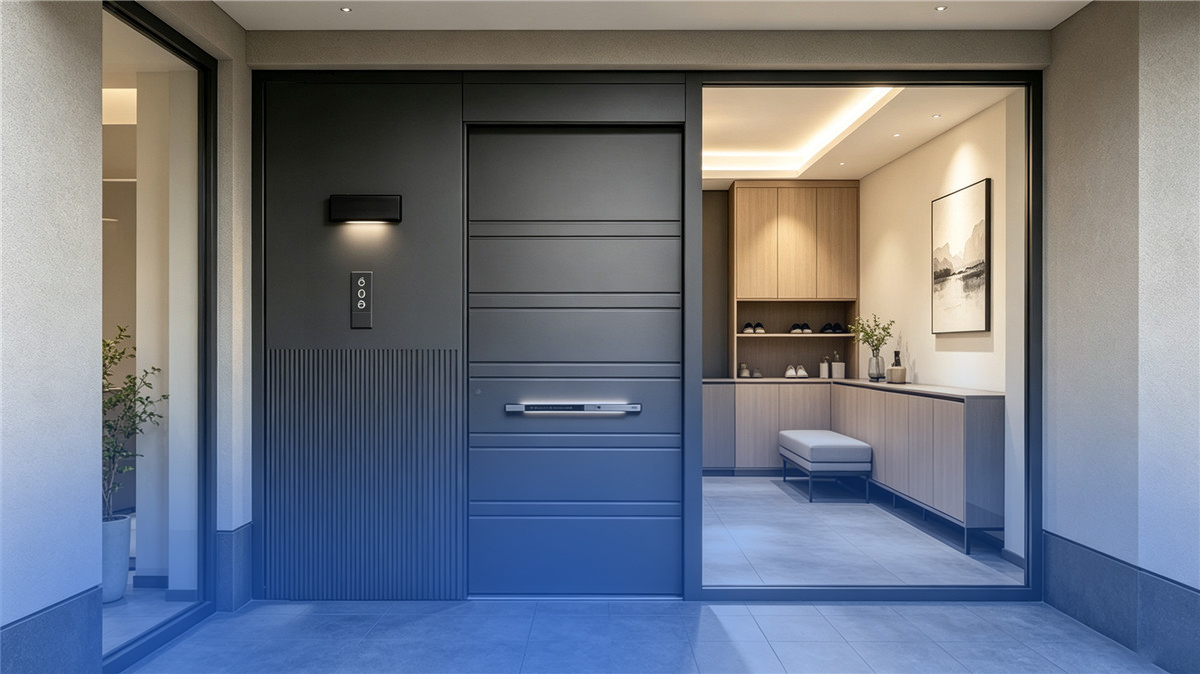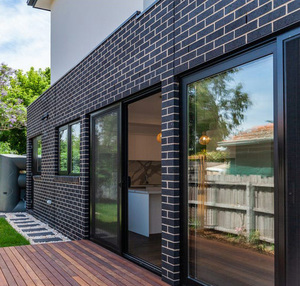
Engineering Systems & Recommended Models
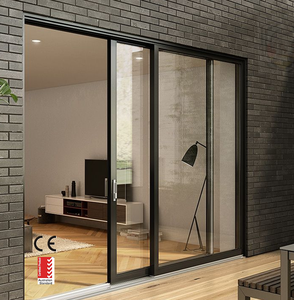
Tested rigorously under AS2047, NFRC, and CE benchmarks. Configured with 6063-T5 aluminum extrusions, double-glazed insulated units, and marine-grade stainless steel fly/security screening netting.
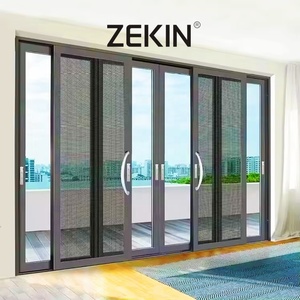
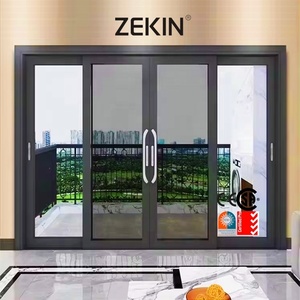
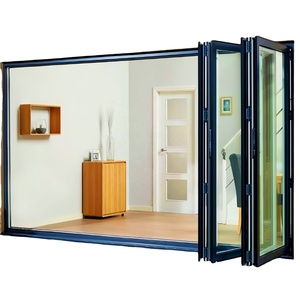
Technical Whitepaper: Sourcing High-Performance Aluminium Mesh Sliding Doors from China
In modern architectural fenestration, the specification of exterior sliding door assemblies has evolved far beyond basic spatial separation. For international commercial developers, façade consultants, and high-volume residential contractors, the demand centers on multi-functional integrated fenestration: high-capacity load-bearing aluminum extrusions, enhanced thermal performance, severe weather resistance, and integrated barrier defense. China's top tier manufacturing clusters—headquartered predominantly in Foshan, Guangdong—have undergone significant technological capitalization to deliver precision-extruded, pre-glazed sliding door systems integrated with marine-grade 304/316 stainless steel security screening and architectural fly netting.
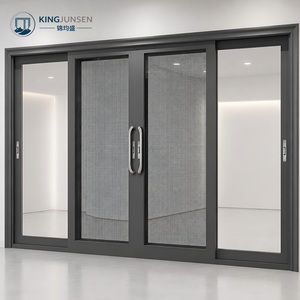
Key Engineering Takeaway: Modern aluminum mesh sliding doors manufactured in China integrate primary structural glazing with secondary inline stainless steel security mesh screens (0.8mm–1.0mm wire gauge). This unified dual-track or triple-track (stacker) design delivers acoustic deadening, air tightness, insect barrier resistance, and physical forced-entry protection without impeding visual transparency or natural airflow.
1. Future Global Procurement Trends in Aluminum Sliding Door Assemblies
Global procurement cycles across North America, Australasia, Europe, and Africa demonstrate that tier-one developers no longer procure standard glazed doors and aftermarket screen doors as separate items. Procurement trends point decisively toward turnkey, factory-certified assemblies characterized by:
A. Monolithic Dual-to-Triple Track Multi-Slide & Stacker Configurations: Architects are demanding wide uninterrupted spans exceeding 6 to 12 meters. Stacking configurations (3-track, 6-panel or 4-track multi-slide) allow expansive patio integrations where the fly/security mesh screen integrates directly into the continuous head and sill tracks, eliminating visual clutter.
B. Multi-Climate Thermal Decoupling (Polyamide Thermal Breaks): High-latitude and extreme-temperature markets demand low U-values (under 1.6 W/m²·K). High-capacity multi-cavity thermal barrier designs utilizing PA66 GF25 (polyamide reinforced with 25% glass fiber) prevent condensation, limit thermal transmittance, and minimize indoor cooling loads in desert or tropical regions.
C. Integrated Anti-Burglary Mesh (High-Tensile 304/316 Security Screen): Conventional fiberglass flyscreens are being replaced by high-tensile, woven 0.8mm–1.2mm 304 or 316 marine-grade stainless steel security screens coated with electrostatic black polyester powder. These screens serve as an imperceptible structural cage, satisfying rigorous knife-shear (AS5041) and forced impact tests while repelling insects and coastal corrosion.
2. Technological Evolution: Engineering, Structural Integrity, and Durability
The manufacturing capabilities of leading Chinese sliding door factories have shifted from manual fabrication to computerized numeric control (CNC) processing centers. This generational shift provides clear technical dividends across four critical nodes:
6063-T5 / 6063-T6 Primary Extrusions
Strict utilization of virgin billet aluminum profiles with wall thicknesses ranging from 2.0mm to 3.0mm, ensuring zero frame deflection across massive heights up to 3500mm.
Multi-Point Deadlocking Security
Heavy-duty flush-mount mortise handles linked to stainless steel multi-point hooks and mushroom head cams that lock into the jamb simultaneously, resisting crowbar extraction.
Dual-Wheel Stainless Heavy Rollers
Precision-sealed, self-lubricating POM/stainless tandem bogie wheels tested to 100,000+ continuous slide cycles, capable of carrying individual panel weights exceeding 300kg effortlessly.
3. Global Compliance: Deciphering Testing Protocols (AS2047, NFRC, CE)
Compliance documentation serves as the ultimate barrier between project approval and regulatory rejection. When evaluating top Chinese aluminum sliding door suppliers, verification against target regional standards is essential:
Oceania (AS2047 / AS1288): Verification under N6 classification for extreme cyclonic winds, air infiltration (AS4420.4), water penetration resistance (exceeding 450Pa–600Pa under driving storm pressure), and security screen resistance under AS5039/AS5041.
North America (NFRC / AAMA / WDMA): Rigorous evaluation of Solar Heat Gain Coefficient (SHGC), Visible Transmittance (VT), and overall thermal U-factors. Laminated Low-E impact double-glazed configurations with argon gas filling are engineered to meet Florida Building Code (FBC) High-Velocity Hurricane Zone (HVHZ) requirements.
European Union (EN 14351-1 / CE): Structural wind load deflection, air permeability (Class 4), and watertightness (Class 9A or higher), paired with verified Environmental Product Declarations (EPD) for green building assessments.
Factory Strength & Manufacturing Superiority
Guangdong Dejiyoupin Doors and Windows Co., Ltd. (DERCHI) represents China's gold standard in architectural fenestration, pairing 25+ years of craft mastery with massive automated capacity.
180,000 ㎡
Foshan Production Base
600+
Skilled Craftsmen & Engineers
100+
Patents & Global Certs
25+
Years Engineering Excellence
Comprehensive Integrated Portfolio
Beyond our flagship aluminum mesh sliding doors, we engineer entry doors, cast aluminum pivot doors, hurricane-resistant casements, and bifold systems, providing full single-source consolidation for overseas containers.
Multi-Regional Custom Engineering
Experienced technical teams calibrate frames and drainage tracks specifically to regional climates—from heavy coastal salt spray in Lagos, Tema, and Durban to tropical typhoons and cyclonic Australian shorelines.
Export-Grade Fortified Packaging
All finished products are cushioned with PE protective film, sealed with closed-cell foam buffers, corner-guarded, and secured in non-fumigation marine plywood crates to eliminate handling abrasions during maritime transit.
Frequently Asked Questions (FAQ) - B2B Procurement
Direct technical answers addressing engineering parameters, screen specifications, packaging standards, and lead times for global project managers.
What are the structural differences between fiberglass mesh and stainless steel security mesh?
Fiberglass fly netting functions purely as an anti-insect barrier, offering lightweight flexibility and high air exchange but minimal structural resistance against intentional intrusion, pets, or falling impacts. Stainless steel security mesh is woven from high-tensile 304 or 316 marine-grade stainless wire (typically 0.8mm to 1.0mm in diameter). When mechanically locked into a reinforced aluminum frame track using heavy-duty pressure clamping or concealed wedges, it functions as an architectural security barrier that passes knife-shear tests, jemmy attacks, and dynamic impact forces while preserving natural cross-ventilation.
Can your aluminum mesh sliding doors be configured for severe coastal and high-salinity environments?
Yes. For coastal residential and resort projects situated within 1 km of ocean shorelines, we specify 6063-T6 aluminum alloys finished with AkzoNobel Interpon D2015 fluorocarbon (PVDF) or high-durability architectural powder coatings (25-year gloss retention). Furthermore, all internal hardware components, bogie rollers, screws, and mesh screening are upgraded to AISI 316-grade stainless steel to counteract airborne chlorides and salt crusting.
How do you manage water leakage prevention across multi-track sliding stackers?
Water management relies on our cascade sub-sill extrusion design. Each continuous sill track incorporates stepped elevation drops, directional non-return drainage weeps with windproof flappers, and high-density EPDM co-extruded weather seals. Under high dynamic wind pressure (tested up to 450Pa–600Pa under AS2047 conditions), water collected on the sills is automatically channeled outward without siphoning backward into interior finishes.
What glass configurations are available, and can they integrate with security screens?
Our dual- and triple-track frames accommodate diverse double-glazed (IGU) units, such as 5mm+12A+5mm or 6mm+16A+6mm tempered glass, low-E coatings, and sound-insulating PVB/SGP laminated assemblies. The security mesh panel operates on an independent parallel track inside or outside the main glazed panels, allowing users to slide open the glass for ventilation while maintaining a locked, secure mesh barrier.
What is the standard production lead time and FOB/CIF shipping protocol?
Standard production cycles range between 25 to 35 working days upon sign-off of final CAD shop drawings and color swatches. We manage comprehensive logistics spanning factory container loading, container weight distribution optimization, and export documentation (Form M, SONCAP, PVoC, CE conformity certificates). Freight quotes can be supplied on FOB Shenzhen/Guangzhou or CIF terms directly to destinations worldwide.
Ready to Optimize Your Project Door Schedule?
Connect with our senior engineering team to receive full CAD detailing, wind load structural calculations, and a comprehensive factory-direct pricing proposal.
Get Catalog