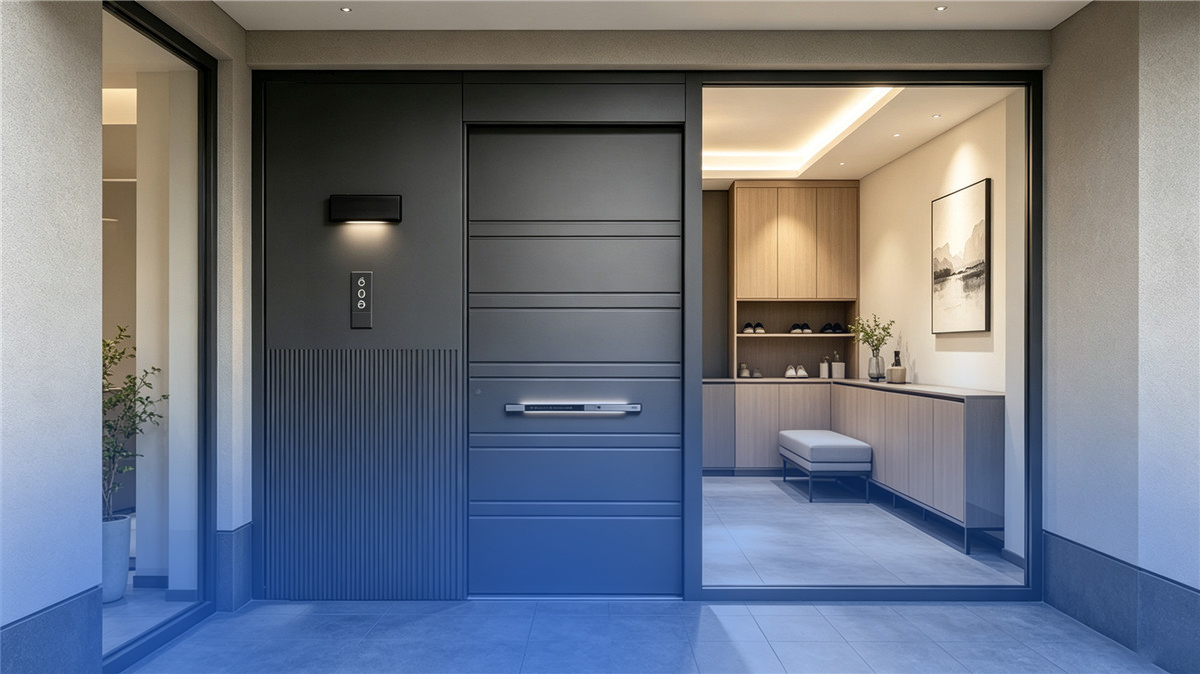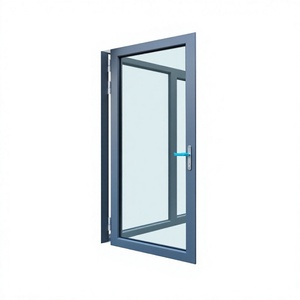
Engineered Fenestration Systems
High-Performance Architectural Doors & Specialized Glazing
Tested for severe climatic pressures, structural wind-load deflection, acoustic attenuation, and thermal boundary performance across international residential, hospitality, and commercial infrastructure.
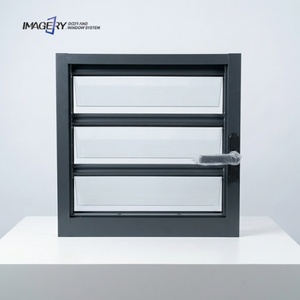
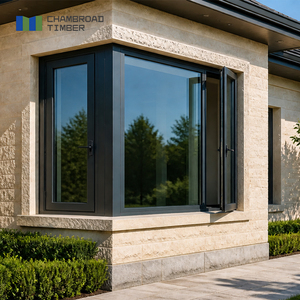
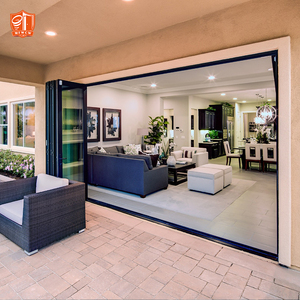
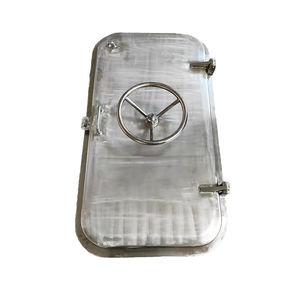
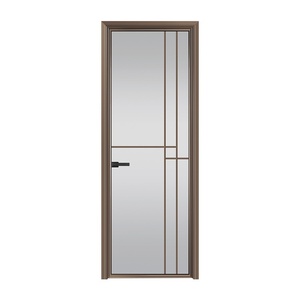
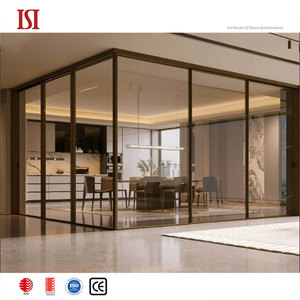
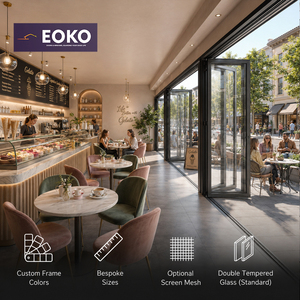
Engineering Excellence: Redefining Architectural Entryways with Aluminum-Glass Systems
Modern architectural fenestration has evolved far beyond passive perimeter barriers. Today, premium commercial developments, boutique hospitality properties, and luxury residential estates demand front entrance systems that combine striking visual transparency with robust structural durability and high thermal insulation. As a premier Chinese manufacturer and global exporter, we supply high-specification aluminium glass front doors engineered with precision 6063-T5 and 6063-T6 architectural alloy profiles. These structural extrusions undergo multi-stage thermal optimization, utilizing high-density polyamide (PA66 GF25) thermal break barriers to decouple external temperature differentials and prevent indoor condensation across divergent environmental zones.
The synergy between precision-milled aluminum extrusions and high-performance architectural glazing allows developers to realize monumental openings. Whether designing expansive, self-closing oversized pivot doors or sound-damped multi-point swing doors, structural integrity remains uncompromised. Surface treatments meet Qualicoat and AAMA 2604/2605 specifications, utilizing architectural powder coatings, PVDF fluorocarbon coatings, and hard-coat anodizing. This comprehensive protection prevents UV degradation, surface chalking, and micro-pitting, providing lasting durability in extreme desert climates or harsh, saline-heavy coastal regions.
Engineering Specifications
System Performance & Material Verification Matrix
Comparative structural thresholds across certified system configurations for specification teams and facade consultants.
| System Parameter | Thermal-Break Hinged Systems | Monumental Pivot Entrances | Heavy-Duty Commercial Bi-Folds | Marine/Coastal Grade Formulations |
|---|---|---|---|---|
| Alloy Composition | 6063-T5 / 6060-T6 Extrusion | 6063-T6 Reinforced Core | 6061-T6 / 6063-T5 Composite | 6082-T6 Marine Grade Aluminum |
| Profile Wall Thickness | 2.0mm – 3.0mm structural | 3.0mm – 4.5mm monumental | 2.2mm – 3.2mm load-bearing | 3.5mm – 5.0mm industrial core |
| Glazing Configurations | Double / Triple Low-E Tempered | Laminated Low-E + Argon Filled | Double Laminated Acoustic IGUs | Impact-Resistant Laminated Glass |
| Thermal Insulation (U-Value) | U ≤ 1.2 – 1.6 W/m²K | U ≤ 1.4 – 1.8 W/m²K | U ≤ 1.5 – 1.9 W/m²K | U ≤ 1.3 – 1.7 W/m²K |
| Air / Water Permeability | Class 4 (EN 12207) / 9A (EN 12208) | Class 3 / 7A (EPDM Compression) | Class 4 / 8A (Twin Perimeter) | Class 4 / E1050 (Watertight Hatch) |
| Locking & Hardware | Multi-Point German Mechanical/Auto | Floor Spring Pivot + Smart I/O | Stainless Top-Hung Heavy Rollers | CCS Marine Quick-Action Piston |
Strategic Sourcing Analysis
Future Sourcing & Procurement Trends in Architectural Doors
Key technological, regulatory, and logistics shifts shaping global fenestration supply chains over the coming decade.
◆
High-Performance Thermal Decoupling & Net-Zero Targets
Stringent building regulations like ASHRAE 90.1, Title 24, and Europe's EPBD are accelerating the shift toward low-emissivity triple-glazed assemblies and advanced polyamide thermal barriers. Sourcing strategies focus on fenestration packages that significantly lower overall building HVAC loads while achieving whole-assembly U-values below 1.0 W/m²K.
- Expanded adoption of multi-chamber warm-edge spacer bars
- Low-embodied carbon recycled aluminum extrusions
- Integrated aerogel thermal perimeter dampening
★
Biometric Hardware & Smart Building Integration
Manual locking mechanisms are being replaced by smart access control systems. High-end residential and commercial projects increasingly specify multi-point electrified mortise locksets that interface seamlessly with building management systems, home automation platforms, and secure biometric credentials.
- Hidden motorized locking points with concealed cable runs
- Biometric scanning and smartphone RFID/Bluetooth protocols
- Fail-secure integration with fire alarm systems
■
Direct Factory-to-Site Supply Chain Consolidation
Commercial developers and general contractors are moving away from multi-tier distributor networks in favor of direct manufacturer partnerships. Factory-direct engineering support, customized CAD detailing, and combined container shipments reduce lead times, minimize handling damage, and improve project margins.
- Consolidated fenestration packages (doors, windows, louvres, hardware)
- Project-specific shop drawing and BIM modeling support
- Direct-to-port and optimized CIF/DDP logistics planning
Innovation Trajectory
Technological Horizons in Aluminum & Glazing Systems
Key engineering innovations advancing structural capacity, visual clarity, and perimeter safety.
▲
Ultra-Narrow Sightlines & Monumental Sizing
High-tensile aluminum alloys combined with finite-element structural analysis allow for slim stile-and-rail profiles that support heavy insulated glass units. Monumental entrance systems now exceed heights of 4.5 meters without flexing, maximizing daylighting and supporting clean, contemporary sightlines.
- Concealed heavy-duty pivot hinges supporting panels up to 500kg
- Flush frame-to-wall details and hidden drainage pathways
- Ultra-clear low-iron glass for accurate color transmission
●
Advanced Surface Coatings & Salt-Spray Resistance
Next-generation exterior finishes rely on advanced polymer fluorocarbon resins (PVDF) and automated electrostatic powder coating. These surface technologies resist high solar radiation, harsh industrial particulates, and salt air corrosion, withstanding over 3,000 hours of continuous neutral salt spray testing.
- Super-durable architectural powder coatings (AAMA 2604/2605)
- Anodized metallic finishes with high surface scratch resistance
- Durable, realistic wood-grain heat-transfer technology
▦
Acoustic Attenuation & Laminated Core Dampening
Urban density demands higher sound transmission attenuation. High-performance aluminum front doors use acoustic PVB or SentryGlas (SGP) interlayers between glass panes, combined with continuous vulcanized EPDM gaskets, to achieve Sound Transmission Class (STC) ratings above 42 dB.
- Dual and triple multi-fin perimeter acoustic gaskets
- Decoupled asymmetrical glass pane thicknesses
- Reduced sound transmission at critical urban noise frequencies
Manufacturing Foundation
Why Global Importers & Contractors Partner With Us
Our 180,000㎡ industrial manufacturing facility in Foshan, Guangdong provides reliable, scalable fenestration production for complex international building projects.
✓
One-Stop Sourcing
Consolidate your entire door schedule from a single manufacturer. We produce thermal break entry doors, monumental pivot assemblies, bifold systems, interior partitions, and specialized hatch doors, packaging them efficiently to optimize container volume.
✔
International Testing
Our product assemblies meet stringent international standards, holding CE, ISO9001, AS2047 (N6 cyclone rating), and UL fire-resistant certifications. We assist developers with testing data for local code approvals worldwide.
⚙
Custom Engineering
Every entrance is manufactured to exact project dimensions. Our engineering team provides detailed CAD shop drawings, glass stress calculations, and hardware configurations tailored to your specific architectural plans.
✉
Responsive Support
Work directly with English-speaking sales engineers from initial inquiry through project handover. We provide remote site support, step-by-step installation guides, and complete documentation for customs clearance.
Targeted Regional Engineering: Addressing Global Climatic Challenges
Fenestration systems must be tailored to the precise climate of their installation site. In coastal regions across the Middle East, Southeast Asia, and coastal Africa (such as Lagos, Mombasa, and Durban), airborne salinity combined with tropical humidity will quickly corrode unsealed fasteners, standard alloy profiles, and entry-level hardware. For these locations, we specify 6063-T6 or 6082 marine-grade aluminum treated with fluorocarbon PVDF coatings, paired with SUS316 stainless steel hardware, heavy-duty floor springs, and dual-compound EPDM gaskets. This configuration provides dependable, long-term corrosion resistance and weatherproofing.
Conversely, for continental climates and highland zones, the engineering focus shifts to diurnal temperature stability and solar heat gain control. High-altitude environments with intense UV radiation require durable fluorocarbon finishes, multi-layer Low-E glass configurations, and precision polyamide thermal barrier strips. In wind-heavy coastal areas, door leaves and framing assemblies are engineered to withstand high wind loads, passing rigorous AS2047 N6 testing up to 4500 Pa. By aligning structural profiles and hardware with localized environmental challenges, we help project developers avoid premature component failures, air leaks, and water ingress.
Procurement Knowledge Base
Frequently Asked Questions on Sourcing & Importation
Answers to common questions from commercial developers, architects, and fenestration buyers.
What are the key technical differences between 6063-T5 and 6063-T6 aluminum alloys for front doors? +
6063-T5 alloy is artificially aged after extrusion, delivering good formability, clean surface finishes, and adequate strength for residential doors and window frames. The 6063-T6 temper undergoes solution heat treatment followed by artificial aging, significantly increasing tensile strength, yield strength, and structural hardness. For monumental front doors, high-traffic commercial storefronts, and large pivot configurations, 6063-T6 provides the rigidity needed to prevent profile deflection under heavy wind loads or the weight of thick, insulated glass units.
How does thermal break technology prevent condensation on aluminum front doors? +
Aluminum is a natural thermal conductor. Without thermal isolation, outdoor cold or heat readily conducts through the frame, cooling the interior surface below the dew point and causing moisture to condense. A thermal break door uses low-conductivity polyamide insulating struts (PA66 GF25 reinforced with 25% fiberglass) structurally crimped between the interior and exterior aluminum extrusions. This continuous barrier isolates internal and external surfaces, lowering the frame U-factor and preventing condensation in high-humidity or cold-weather conditions.
What international testing certifications should be verified when importing from China? +
Reliable manufacturers maintain third-party testing certifications based on destination market requirements. Essential verifications include: ISO9001 for quality management systems; CE Marking (EN 14351-1) for air permeability, watertightness, and structural safety across the European Union; AS2047 and AS1288 compliance for wind loading, air infiltration, and safety glass performance in Australia; and UL 10C or BS 476 certifications for fire-rated door assemblies. In addition, import documentation such as SONCAP (Nigeria), KEBS PVoC (Kenya), or SABER (Saudi Arabia) certificates can be provided to ensure smooth customs clearance.
Can large pivot and entrance doors be tailored to custom architectural shop drawings? +
Yes. Every architectural door order is engineered and manufactured to order. Our technical department takes your rough opening dimensions, door schedules, and architectural specifications, then generates comprehensive 2D CAD shop drawings and 3D structural connection details. Production begins only after you review and approve profile sections, swing directions, glass configurations, hardware locations, and threshold transitions.
How are aluminum glass front doors packaged to prevent damage during long ocean transit? +
Export door packaging is designed to withstand multiple handling points and long container transit. Finished doors undergo a multi-layer packaging process: first, surface protection film and thick foam corner protectors; second, full-surface bubble wrap and waterproof poly-sheeting; third, reinforced, fumigated solid-plywood crates or steel A-frame racks. Desiccant packs are enclosed within moisture barriers to prevent condensation damage during transport across varying climatic zones.
What are the lead times for custom manufactured aluminum glass front door projects? +
Typical production lead times range between 25 and 40 days following CAD drawing sign-off and deposit receipt. Standard powder-coated finishes and catalog hardware ship faster, while custom RAL PVDF coatings, custom cast aluminum art panels, or specialized smart access integrations require roughly 35 to 45 days. We coordinate container loading directly at our Foshan facility, providing full pre-shipment inspection photos and packaging documentation.
Launch Your Architectural Sourcing Project
Connect directly with our engineering team for detailed technical reviews, BIM/CAD shop drawings, structural certifications, and comprehensive FOB/CIF project estimates tailored to your project schedule.