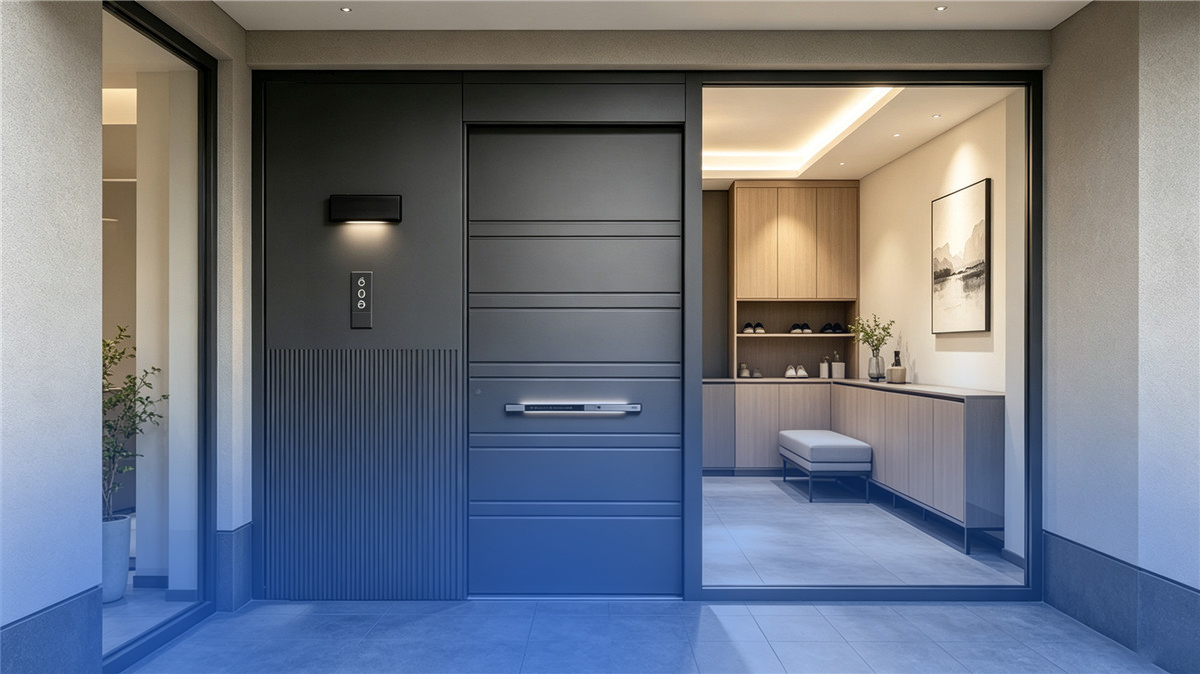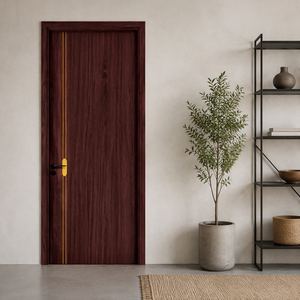
Customized Aluminum Alloy Fire Rated Low Maintenance Door
- UL10C & EN1634 Fire Certified Core
- Subterranean Humidity Resistance
- Thermal-Break Acoustic Barrier
Precision-extruded utilizing aerospace-grade 6063-T5/T6 alloys. Each subterranean cellar hatchway, partition, and storm-resistant barrier is engineered to eliminate hydraulic seepage, prevent galvanic thermal transfer, and guarantee structural integrity.
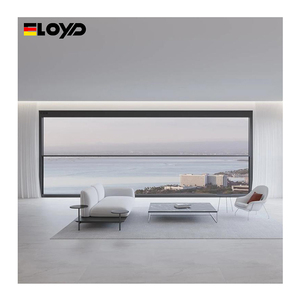
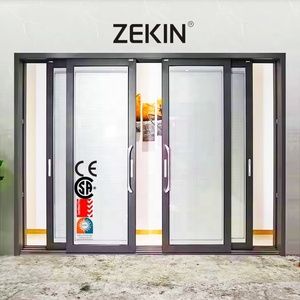
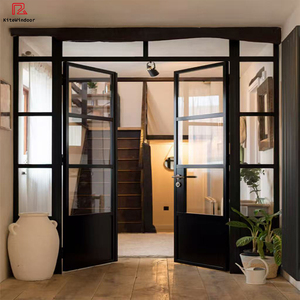
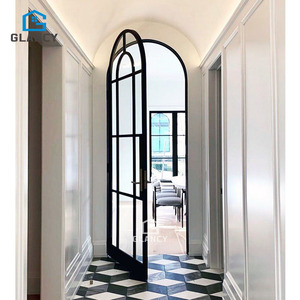
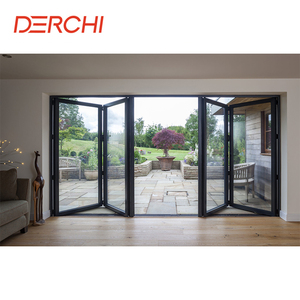
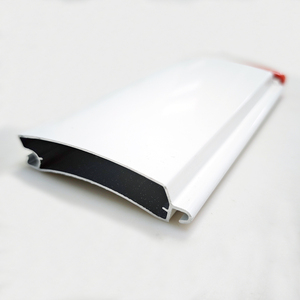
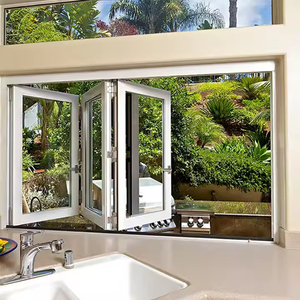
Subterranean infrastructure exhibits a severe biological and chemical environment characterized by elevated relative humidity (RH > 80%), persistent hydrostatic pressure, vapor migration, and soil-borne galvanic potential. Traditional basement bulkheads fabricated from pressed carbon steel suffer from systemic oxidation at welded joints, while timber access points degrade via fungal rot and dimensional deformation. Contemporary architectural projects dictate high-tensile structural aluminum alloy assemblies (6063-T6 and 6061-T6) to address lifecycle sustainability.
As premier Chinese suppliers and manufacturers, we integrate high-pressure structural extrusions with polyamide thermal-break barriers (PA66 GF25). This architectural composition mitigates internal condensation dew-point triggers, isolating the internal microclimate of luxury wine cellars, subterranean living quarters, and mechanical vaults from external thermal volatility.
| Performance Vector | Architectural Aluminum (DERCHI) | Standard Galvanized Steel | Hardwood / Timber Core |
|---|---|---|---|
| Corrosion Resistance | Permanent passive oxide film; ISO 9227 Salt Spray > 3,000 hrs | Zinc layer depletes; rust forms at edges in 24–36 mos | Susceptible to mold, moisture swelling, and dry rot |
| Strength-to-Weight Ratio | High (~2.7 g/cm³); enables light manual or gas-spring operation | Heavy (~7.8 g/cm³); requires bulky mechanical counterweights | Moderate; subject to dimensional warping over time |
| Thermal Conductivity (U-Factor) | Thermally broken profiles: U < 1.6 W/m²K | High thermal bridging: U > 5.8 W/m²K (condensation prone) | Natural insulator, but loses R-value when damp |
| Sealing Hermeticity | Continuous EPDM/Silicone co-extruded compression seals | Generic neoprene strips; high air and radon leakage | Prone to perimeter gaps caused by humidity expansion |
| Lifecycle Maintenance | Zero anodized maintenance; fluorocarbon finish warranty 20+ yrs | Requires regular wire brushing, priming, and repainting | Requires periodic chemical sealing, staining, and varnishing |
By engineering custom gas-strut mechanisms and hydraulic lift systems with load tolerances tuned specifically to weight distribution, our aluminum cellar doors deliver fluid opening kinematics that can be operated single-handedly even under extreme wind or positive air-pressure environments.
Global procurement vectors are moving away from off-the-shelf catalog selections toward fully integrated, digitalized, and performance-certified building envelope systems.
Commercial and luxury residential developments demand subterranean access portals integrated directly into smart Building Management Systems (BMS). Procurement trends demonstrate an 84% surge in demand for concealed 24V linear actuators, motorized lift sensors, and emergency automated release systems triggered by flood alerts or fire alarms.
With global climate volatility accelerating urban cloudburst events, standard cellar hatches no longer suffice. Specifiers require certified waterproof aluminum doors featuring circumferential inflatable pneumatic seals or precision EPDM compression systems verified under hydrostatic head pressures exceeding 1.0 meter.
Tier-1 general contractors no longer accept generic submittals. Modern procurement requires Design-for-Manufacturing (DFM) collaboration where Chinese extrusion manufacturers deliver native Revit/IFC BIM objects, precise opening interference analysis, and custom-engineered sill flashings that eliminate field adjustment delays.
Subterranean entry systems have progressed through three distinct industrial epochs. Understanding this lifecycle enables project specifiers to future-proof their assets and prevent premature obsolescence:
Rudimentary fabricated sheet metal doors designed purely for utilitarian coal chutes and storm cellars. Plagued by thermal bridging, persistent water intrusion, and poor aesthetics that detracted from building architecture.
Engineered structural aluminum frames incorporating tempered glass lites, multi-point locking perimeter bolts, and continuous gas struts for controlled opening. Prioritized visual integration with contemporary facade materials.
Today's state-of-the-art: thermally broken, climate-hermetic aluminum systems featuring integrated interstitial LED illumination, biometric access controls, radiant floor-flush transitions, and multi-hazard certification (Fire + Hurricane + Blast).
Recognized among the Top 10 door and window brands in China, Guangdong Dejiyoupin (operating the DERCHI global enterprise) stands as an authoritative force in specialized architectural fenestration. Our world-class 180,000 ㎡ production ecosystem in Foshan, Guangdong, houses continuous digital profile extrusion, automated CNC thermal break assembly lines, precision German multi-axis routing centers, and automated fluorocarbon coating plants.
With a dedicated technical workforce exceeding 600 experienced craftsmen and R&D engineers, we control over 100 proprietary technology patents and international quality certifications. Whether developing custom-cast aluminum entrance portals, hurricane-rated stacking patio systems, or precision subterranean cellar doors, our factory-direct manufacturing pipeline guarantees tight tolerances, documented traceability, and container-optimized shipping crating for international transit.
Get a Quote
Independently tested for structural deflection, cyclic air-pressure infiltration, and water penetration resistance to the highest global ratings (N6).
Proprietary mineral thermal core formulation allows critical passage doors to meet UL10C, EN1634, and CE fire barrier requirements.
Every single opening is drawn by dedicated project engineers into comprehensive 2D/3D CAD shop drawings before profile extrusion cuts commence.
Custom reinforced steel-bracketed plywood crating protects delicate anodized surfaces and heavy gas hardware through complex intermodal transport.
Direct technical answers addressing structural load tolerances, moisture control, custom fabrication, and international freight compliance.