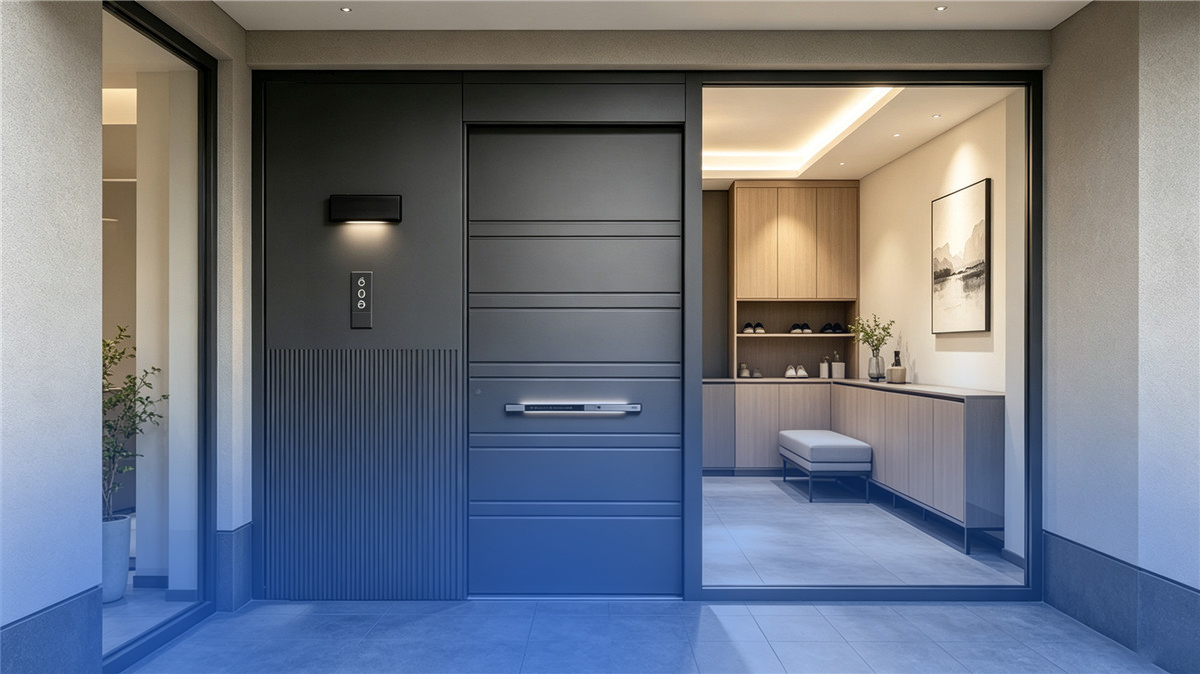
Precision-Engineered Architectural Windows & Entry Systems
From micro-perforated aluminium security jali casements to acoustic thermal-break hung profiles, our factory integrates advanced hardware, multi-track extrusions, and certified protective mesh into every unit.
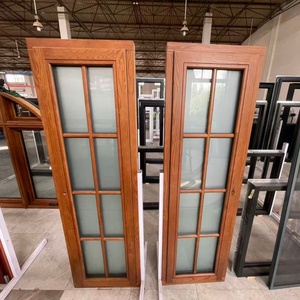
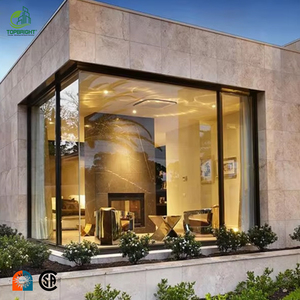
American Style Large Window Double Glazed Glass Big Aluminum Picture windows System
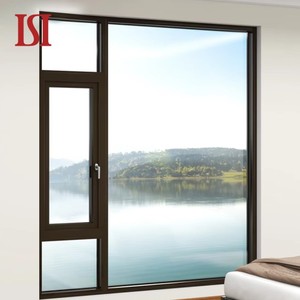
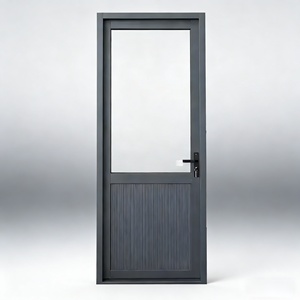
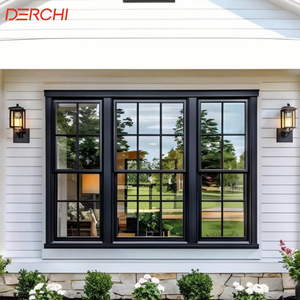
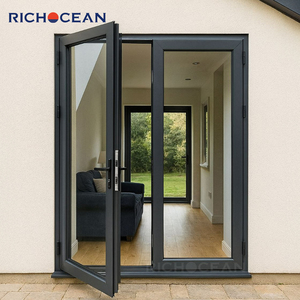
The Engineering Paradigm of Modern Aluminium Jali Windows
A comprehensive architectural analysis on how modern Chinese fenestration clusters transform traditional perforated screening into high-performance, multi-layered security and thermal barriers.
In modern architectural engineering, an Aluminium Jali Window represents far more than an ornamental lattice. Rooted historically in the intricate stone and wooden Mashrabiya of the Middle East and the perforated stone jalis of Indo-Islamic architecture, today's architectural jali has undergone an exhaustive metallurgical and mechanical evolution. Leading Chinese manufacturing clusters, centered in Foshan, Guangdong, have elevated this fenestration category by integrating high-tensile primary 6063-T5 and 6063-T6 aluminium alloy profiles, multi-track sliding or integrated casement configurations, and precision CNC laser-cut architectural screens alongside high-gauge woven stainless steel mesh.
From an engineering perspective, modern aluminium jali window assemblies resolve four conflicting building envelope challenges simultaneously: uncompromised natural cross-ventilation, stringent residential forced-entry security, solar glare/heat gain mitigation, and pest exclusion. Conventional window openings rely on secondary, externally tacked-on grilles that degrade facade aesthetics and create thermal bridges. Contemporary Chinese OEM factories manufacture integrated dual- and triple-track fenestration frameworks where the decorative jali screen, high-tensile insect mesh, and insulated glazing units (IGUs) reside within a unified, thermally isolated structural frame.
Key Structural Parameters in Industrial-Grade Jali Fenestration
Comparative matrix illustrating the metallurgical and engineering criteria evaluated during institutional procurement.
Alloy Formulation
Direct billet extrusion utilizing virgin 6063-T6 or 6060-T66 aluminum; wall thickness strictly adhering to ≥1.8mm for casements and ≥2.0mm for heavy commercial sliding frames.
Mesh & Screen Retention
Mechanical clamping with concealed EPDM gaskets and mechanical screw-beading; tensile yield capacity rated to resist knife shear tests and high-impact human jemmy attacks.
Surface Passivation
Fluorocarbon PVDF triple-coat electrostatic finishes (≥40 microns) or architectural Qualicoat Class 2 powders offering >3,000 hours of continuous neutral salt spray resistance (ASTM B117).
Thermal Insulation
Polyamide PA66 GF25 thermal barrier struts interrupting interior and exterior extrusions, driving U-values down to ≤1.8 W/m²K when combined with Low-E double glazing.
For international real estate developers, EPC contractors, and building material importers across South Asia, the Middle East, Africa, and the Americas, sourcing aluminium jali windows directly from China offers significant economies of scale. However, navigating the vendor landscape requires granular technical insight into extrusion die design, powder coating chemistry, hardware load tolerances, and international code compliance (including Australian AS2047, European CE EN 14351-1, and American AAMA/WDMA/CSA 101/I.S.2/A440).
Future Procurement Trends for Aluminium Jali Windows (2025–2030)
Global supply chains are pivoting toward unified assemblies, automated micro-climate ventilation, and circular green metallurgy. Here is where international fenestration procurement is heading.
1. Monolithic Multi-Track Integration
Procurement departments are eliminating disjointed supply chains where frames, glass, and security screens were purchased from separate vendors. Modern specifications mandate single-frame extruded profiles accommodating sliding glass, 304 marine-grade wire jali, and solid privacy louvers in a unified, factory-assembled cassette.
- Reduces site installation labor by up to 45%
- Guarantees water tightness across interlocks
- Eliminates site-drilling and corrosion trigger points
2. High-Performance Thermal-Break Jalis
Historically limited to non-insulated profiles in tropical zones, high-energy-cost realities have forced a massive shift. Developers in GCC nations and hot humid regions now require thermal-break profiles incorporating PA66 GF25 nylon barriers combined with laser-cut decorative screening that functions as an exterior shading device.
- Lowers Solar Heat Gain Coefficient (SHGC ≤ 0.28)
- Prevents thermal bridging and condensation
- Compliant with green building codes (LEED, Estidama)
3. Circular Metallurgy & Low-Carbon Billets
Global architectural tenders increasingly evaluate embodied carbon footprints. Chinese premier extrusion mills have introduced hydroelectric-powered and recycled billet smelting lines (ASI Certified), allowing suppliers to provide verifiable Environmental Product Declarations (EPDs) for large-scale institutional projects.
- Low-carbon aluminium (≤ 4.0 kg CO2/kg Al)
- 100% recyclable end-of-life recovery cycles
- Full traceability from virgin ingot to finished sash
Technological Innovations Reshaping Jali Window Production
From fiber-laser precision milling to smart biometric hardware integration, discover the engineering milestones defining high-tier Chinese fenestration factories.
Precision 5-Axis Fiber-Laser Perforation
Traditional punch-press tooling imposed geometric restrictions and caused edge burrs that degraded powder adhesion. Modern top-tier factories utilize high-wattage 5-axis CNC fiber laser cutting lines capable of executing complex biomimetic and geometric parametric Mashrabiya patterns directly into 2.5mm–4.0mm solid architectural aluminium sheets without thermal warping.
- Tolerance precision within ±0.05mm
- Seamless integration with custom CAD/BIM facade models
- Smooth radius edges promoting uniform coating wrap
Corrosion-Proof Passivation for Coastal Zones
Fenestration installed in coastal high-salinity zones (such as Dubai, Mumbai, Lagos, or Miami) suffers severe galvanic corrosion if steel hardware touches aluminium frames. Advanced Chinese facilities implement specialized pre-treatment baths (zirconium-based non-chrome passivation) paired with 316-grade stainless fasteners and insulating nylon spacers.
- Zero chemical degradation under ASTM B117 salt spray
- Resistant to severe acid rain and atmospheric chlorides
- 30-year design life warranty on architectural finishes
Motorized & Smart Security Integration
Aluminium jali screens are transitioning into dynamic building envelope components. Hidden 24V DC tubular or chain actuators embedded within the profile frame enable automated opening cycles tied to building management systems (BMS) for night purge ventilation, paired with magnetic sensor alarms hidden inside the jali locking stile.
- Automatic rain and wind sensor triggered closing
- Concealed multi-point anti-lift locking gear
- Compatible with smart-home Zigbee/KNX protocols
Factory Strengths: Guangdong Dejiyoupin Doors & Windows Co., Ltd. (DERCHI)
Positioned among the elite Top 10 premium window and door brands in China, our manufacturing infrastructure delivers turnkey reliability for international project developers.
Selecting an aluminium jali window supplier requires rigorous vetting of production scale, engineering depth, and export compliance. Operating from our expansive 180,000 square meter industrial headquarters in Shishan Town, Nanhai District, Foshan—the global epicentre of architectural aluminium extrusion—Guangdong Dejiyoupin Doors and Windows Co., Ltd. (DERCHI) has accumulated over 25 years of specialized fenestration R&D and lean manufacturing excellence.
180,000㎡ Mega Facility
Massive manufacturing capacity staffed by 600+ skilled personnel, equipped with German automated profile cutting, CNC corner crimping, and automated electrostatic powder coating lines.
International Approvals
Full suite of third-party test reports and certifications including Australian AS2047 (N6 Cyclone Tested), European CE, ISO9001 quality management, and UL fire-rated listings.
Full-Scope CAD/BIM Services
In-house structural engineering department generating complete shop drawings, static wind load calculations, custom extrusion die tooling, and 3D architectural facade modeling free of charge.
Heavy-Duty Export Crating
Every window unit is wrapped with protective shrink film, protected with high-density EVA corner protectors, and sealed in non-fumigation plywood crates with desiccant packs for safe ocean transit.
Frequently Asked Questions (FAQ) for Global Buyers
Clear, technically rigorous answers to the most common engineering, commercial, and logistical inquiries encountered when importing aluminium jali windows from China.
Q1 What alloy grade and profile thickness are recommended for commercial projects?
We mandate prime 6063-T5 or 6063-T6 architectural aluminium alloy. For residential installations, a main structural frame wall thickness of 1.4mm to 1.6mm is standard. For high-wind, high-traffic, or multi-story commercial buildings, we specify ≥2.0mm to 3.0mm structural wall thickness to withstand extreme wind loads (up to AS2047 N6 ratings or ASTM E330 design pressures exceeding 3,000 Pa).
Q2 How does the aluminium jali integrate with double glazing and insect screens?
Our systems utilize multi-track or unified dual-sash extrusion profiles. In a 3-track sliding arrangement, Track 1 houses the heavy-gauge security jali screen, Track 2 holds the high-tensile 304 wire insect mesh, and Track 3 carries the insulated double-glazed unit (e.g., 5mm Low-E + 12A + 5mm Tempered). For casement configurations, an inward-opening glass sash pairs with an outward-opening hinged jali screen, operating independently.
Q3 What surface finish options ensure longevity in high-salinity or extreme UV climates?
For coastal applications (<5km from oceanfront) or high-UV tropical regions, we apply AkzoNobel or PPG PVDF (fluorocarbon) electrostatic spray coatings with a dry film thickness ≥40μm, or architectural-grade powder coatings compliant with AAMA 2604/2605 and Qualicoat Class 2. These treatments provide over 3,000 hours of continuous salt spray resistance without peeling, chalking, or fading.
Q4 Can we customize traditional cultural patterns or custom architectural motifs?
Yes. Our in-house engineering team translates architectural sketches, AutoCAD files, or vector patterns (DXF/DWG) directly into machine code for our high-precision CNC fiber lasers. Whether your project requires intricate Islamic geometric Mashrabiya patterns, traditional diamond Indian jalis, or modern minimalist vertical slats, we calibrate the laser cut without structural deformation.
Q5 What testing reports and certifications are provided for port customs clearance?
Depending on your destination market, we supply comprehensive compliance packages including CE (EN 14351-1) declarations of performance, ISO9001 certificates, Australian AS2047 test reports from accredited NATA labs, and national conformity documents such as SONCAP (Nigeria), KEBS PVoC (Kenya), SABER (Saudi Arabia), or COC documentation.
Q6 How do you prevent electrolytic corrosion between stainless steel jali mesh and aluminium?
Galvanic corrosion occurs when dissimilar metals (like 304/316 stainless steel and aluminium) come into contact in the presence of moisture. We isolate all contact surfaces using high-grade co-extruded EPDM rubber gaskets, non-conductive PVC retention wedges, and fluoropolymer-coated screws, ensuring zero metal-to-metal galvanic transfer across the product's lifespan.
Q7 What is the standard production lead time and minimum order quantity (MOQ)?
For standard architectural profiles and colors (e.g., anodized bronze, matte black, architectural white), the typical manufacturing lead time is 25 to 35 days upon CAD drawing sign-off. For bespoke extrusion dies or custom fluorocarbon colors, add 10 to 14 days for die cutting and sample matching. Our flexible production lines support custom residential orders starting at 50 square meters up to full container loads (FCL) for high-rise commercial developments.
Q8 How are fragile glass and perforated panels protected against ocean shipping damage?
Every fenestration unit undergoes a rigorous 5-step export packing protocol: 1) Protective static film over all powder-coated surfaces; 2) Thick corner protectors on all 4 corners; 3) Bubble foam wrap sealed with tape; 4) Insertion into custom-built, heat-treated wooden/plywood crates with vibration dampeners; 5) Desiccant moisture absorber packs placed inside crates to prevent water spotting during humid container sea voyages.
Request Complete Fenestration Catalog & Structural CAD Shop Drawings
Connect directly with Guangdong Dejiyoupin Doors & Windows Co., Ltd. (DERCHI) engineering specialists. Send your window schedules, architectural elevations, or project BOQs to receive free CAD cross-sections, structural wind load analysis, and competitive factory-direct CIF/FOB pricing within 24 hours.