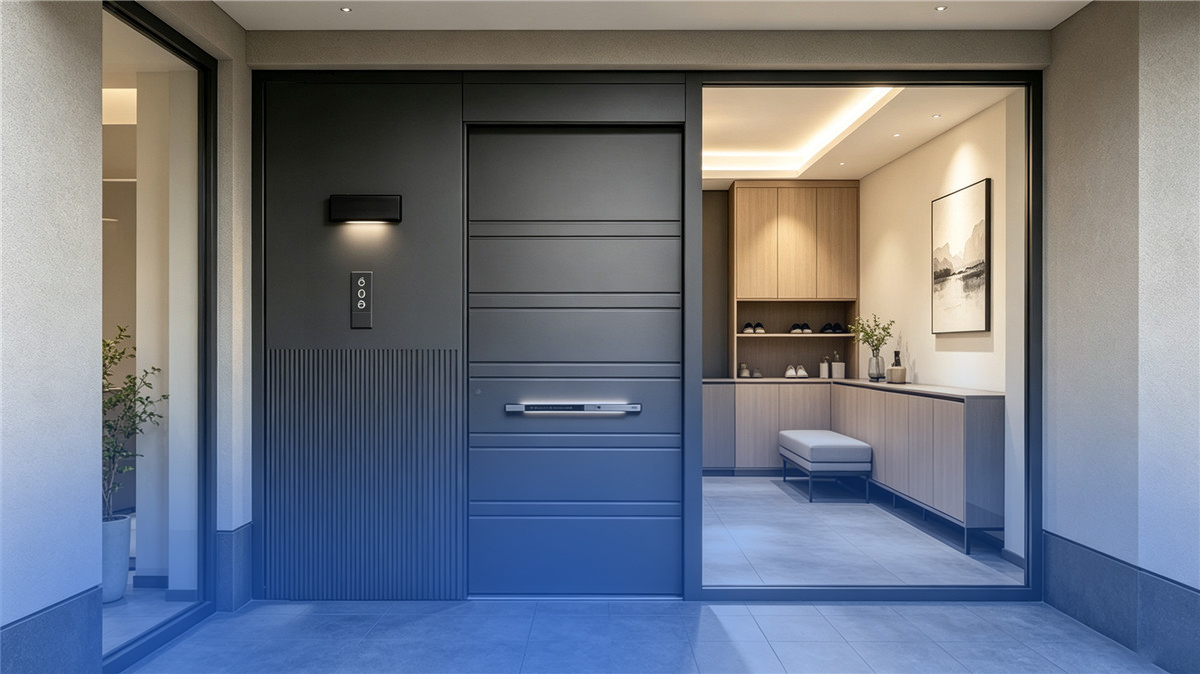
High-Performance Aluminium Systems for Modern Kitchens & Living Spaces
Manufactured in our 180,000 ㎡ smart production hub in Foshan, Guangdong. Each profile is precision-cut from 6063-T6 virgin aluminium alloy and undergoes strict CE EN 14351-1 quality control, delivering optimal thermal isolation, high acoustic attenuation, and weather resilience.
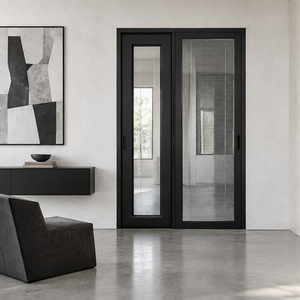
Custom Hurricane Impact Aluminum Sliding Patio Doors
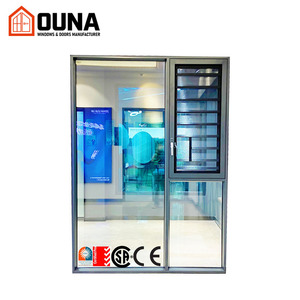
OUNA Hurricane Proof Double Glazed Casement & Tilt-Turn Windows
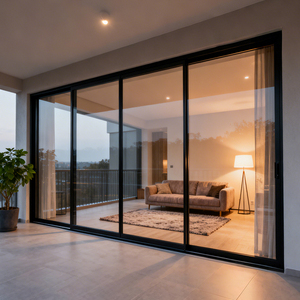
OUNA Customized High Sliding Glazed Patio & Kitchen Balcony Door
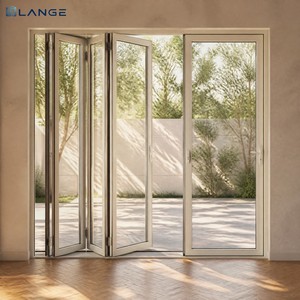
LANGE Modern Folding Sliding Aluminum Alloy Kitchen Patio Doors
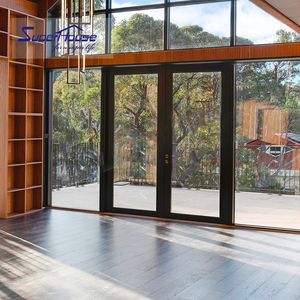
Slimline Black Thermal Break French Door & Fixed Transom System
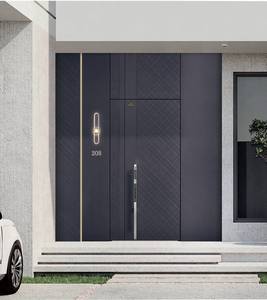
Heavy Duty Insulated Entrance Door with Cross Hatch Grid Relief
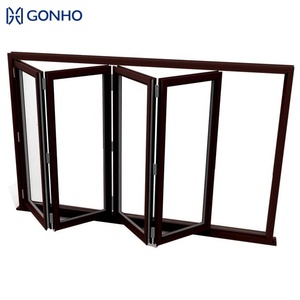
GONHO Accordion Folding Servery Window for Outdoor Kitchen Bars
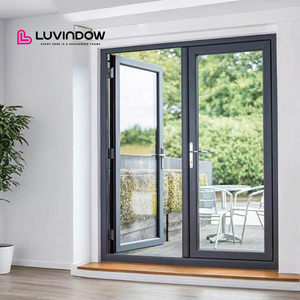
Energy Efficient Tempered Glazing Side Access & Kitchen Balcony Doors
Engineering Excellence in CE Certified Aluminium Kitchen Fenestration
Kitchen environments represent one of the most mechanically and environmentally demanding zones within high-end residential and commercial architecture. High-performance kitchen fenestration must withstand continuous internal thermodynamic fluctuations, heavy aerosolized grease, severe humidity spikes, and chemical detergents, while simultaneously satisfying stringent exterior building envelope regulations under European harmonised standards.
As an established fenestration manufacturer rooted in Foshan's premier industrial sector, Guangdong Dejiyoupin Doors and Windows Co., Ltd. (DERCHI) engineers aluminium kitchen windows under strict adherence to EN 14351-1:2006+A2:2016 (Windows and doors - Product standard, performance characteristics). Every system delivered from our 180,000 ㎡ manufacturing center carries verifiable CE marking and third-party Declaration of Performance (DoP), ensuring total compliance for developers, architects, and facade contractors across the European Economic Area, Australasia, North America, and emerging high-spec African developments.
Standard residential windows installed in kitchens frequently suffer from accelerated gasket embrittlement, hardware corrosion caused by vaporized acetic acids, and internal condensation rot. DERCHI overcomes this by integrating polyamide PA66 GF25 thermal breaks, continuous vulcanized EPDM multi-chamber seals, and AAMA 2605 / Qualicoat Class 2 fluorocarbon exterior coatings that resist caustic grease degradation for over 25 years.
EN 14351-1 Critical Testing Standards & Verified Performance Metrics
A legitimate CE certification is not simply a decorative badge; it represents quantifiable compliance under accredited test regimes performed by notified bodies. Below are the audited engineering criteria applied to our casement, tilt-and-turn, and servery folding kitchen window assemblies:
Air Permeability (EN 12207)
Class 4 rated (maximum airtightness up to 600 Pa test pressure). Eliminates unwanted drafts while preventing kitchen cooking smells from infiltrating adjoining luxury living zones or reversing into wall cavities.
Watertightness (EN 12208)
Class 9A / Class E1050 (tested under driving rain conditions up to 1050 Pa). Specialized concealed sub-sills and equal-pressure drainage channels prevent water ingress even during intense coastal storms and tropical typhoons.
Wind Load Resistance (EN 12210)
Class C5 / AS2047 N6 certified. Frontal deflection under severe pressure remains under 1/300 of the span, meeting high-rise oceanfront standards and cyclonic structural requirements in Australasia and the Caribbean.
Culinary Fenestration Material Evaluation: Engineering Comparison Matrix
When selecting fenestration for culinary spaces, procurement specialists must balance thermal transmission, moisture absorption, maintenance overhead, and fire safety. The matrix below outlines why CE-certified thermally broken aluminium represents the gold standard for global building contractors:
| Performance Parameter | DERCHI CE Thermal Aluminium | Standard uPVC (Vinyl) | Solid Engineered Timber | Standard Non-Thermal Steel |
|---|---|---|---|---|
| Thermal Transmittance (Uw) | ✓ 1.0 - 1.4 W/m²K | 1.3 - 1.8 W/m²K | 1.2 - 1.6 W/m²K | > 3.8 W/m²K (Extreme thermal bridge) |
| Resistance to Grease & Vapor | ✓ Exceptional (PVDF / Anodized) | Moderate (Porous yellowing over time) | Low (Absorbs moisture & oil smells) | Moderate (Prone to oxidation/rust) |
| Profile Sightlines (Slimness) | ✓ Ultra-Slim (45mm - 65mm) | Bulky (85mm - 110mm) | Moderate (78mm - 95mm) | Very Slim (35mm - 55mm) |
| Structural Integrity & Max Span | ✓ High (Up to 3.2m sash heights) | Low (Creeps under sustained heat) | Moderate (Warps in kitchen moisture) | Extremely High (Heavy weight profile) |
| Fire Reaction Classification | ✓ Class A1 / A2 Non-combustible | Class B/C (Toxic hydrogen chloride gas) | Combustible (Requires retardant paints) | Class A1 Non-combustible |
| Expected Service Life (Years) | ✓ 35 - 50+ Years | 15 - 20 Years | 20 - 30 Years (High upkeep) | 25 - 40 Years (Rust dependent) |
Future Procurement Trends in Aluminium Kitchen Windows (2025–2030)
The global luxury residential and commercial hospitality sectors are undergoing rapid architectural shifts. As kitchens transition from isolated utility spaces into open-concept culinary social hubs, fenestration specifications are pivoting towards five macro trends:
Motorized Bioclimatic Kitchen Ventilation
Integration of concealed 24V linear actuators synchronized with kitchen range hoods and smart building management systems (BMS) to automatically exhaust steam, volatile organic compounds, and excess humidity.
Pass-Through Gas-Strut Servery Windows
Seamless indoor-outdoor entertaining via upward-swinging gas-strut windows and continuous sill-less accordion systems that convert the kitchen splashback into an alfresco bar or poolside dining counter.
Ultra-Low Carbon Circular Aluminium
Strict European green building directives (EPD declarations) demand primary aluminium billets smelted using renewable hydropower or featuring >75% post-consumer recycled content (Hydro CIRCAL benchmarks).
Acoustic Decoupling in Culinary Hubs
Acoustic insulation values exceeding Rw 42 dB using asymmetric laminated acoustic glass (e.g., 6mm Low-E + 16Ar + 4mm.0.76PVB.4mm) to decouple street noise while isolating high-speed blender and dishwasher sound.
Why Global Importers & Contractors Source from Guangdong Dejiyoupin (DERCHI)
Selecting an international fenestration manufacturing partner requires balancing technical engineering capability, automated manufacturing scale, and deep export risk mitigation. With more than 25 years of relentless research, development, and lean fabrication, Guangdong Dejiyoupin Doors and Windows Co., Ltd. stands among China's recognized Top 10 High-End Door & Window Brands.
Comprehensive Turnkey Capabilities for EPCs & Importers
We solve the friction associated with cross-border architectural window procurement by providing full-lifecycle support:
- Complimentary Shop Drawings & BIM Models: Our 35-engineer design office converts architectural elevation drawings into ready-to-approve 2D shop drawings (AutoCAD) and 3D Revit models within 48 hours.
- End-to-End International Standards: Tested and verified to European CE (EN 14351-1), Australian AS2047 (N6 Cyclonic rating), and American NFRC/AAMA energy and structural benchmarks.
- Damage-Proof Export Packaging: Every window unit is individually shrink-wrapped with 5-layer protective foam, corner-protected with rigid composite guards, and loaded in fumigated A-frame steel crating or custom plywood cases to prevent ocean transit distortion.
- Single-Source Architectural Consolidation: Consolidate aluminium kitchen windows with matching heavy-duty entrance doors, interior soundproof doors, minimalist sliding systems, and automated garage portals in single container loads.
Frequently Asked Questions (FAQ) for B2B Window Procurement
Direct technical answers addressing certification legality, glass thermal configurations, minimum order thresholds, and logistical compliance for architects, quantity surveyors, and commercial builders:
How can our project team verify your CE Certification and DoP? +
What aluminium profile alloy and wall thickness do you specify? +
Which glass composition prevents persistent kitchen condensation? +
How do your finishes resist aerosolized cooking oils and cleaning chemicals? +
What is your Minimum Order Quantity (MOQ) and production lead time? +
Can you handle container shipping and customs documents for Africa/Middle East? +
Ready to Engineer Your Project's Window Schedule?
Send us your door and window schedule, architectural elevations, or project BOQ. Our senior facade engineering team will review structural wind loads, calculate optimal thermal U-values, and deliver complete CAD cross-sectional drawings with factory-direct pricing within 24 hours.