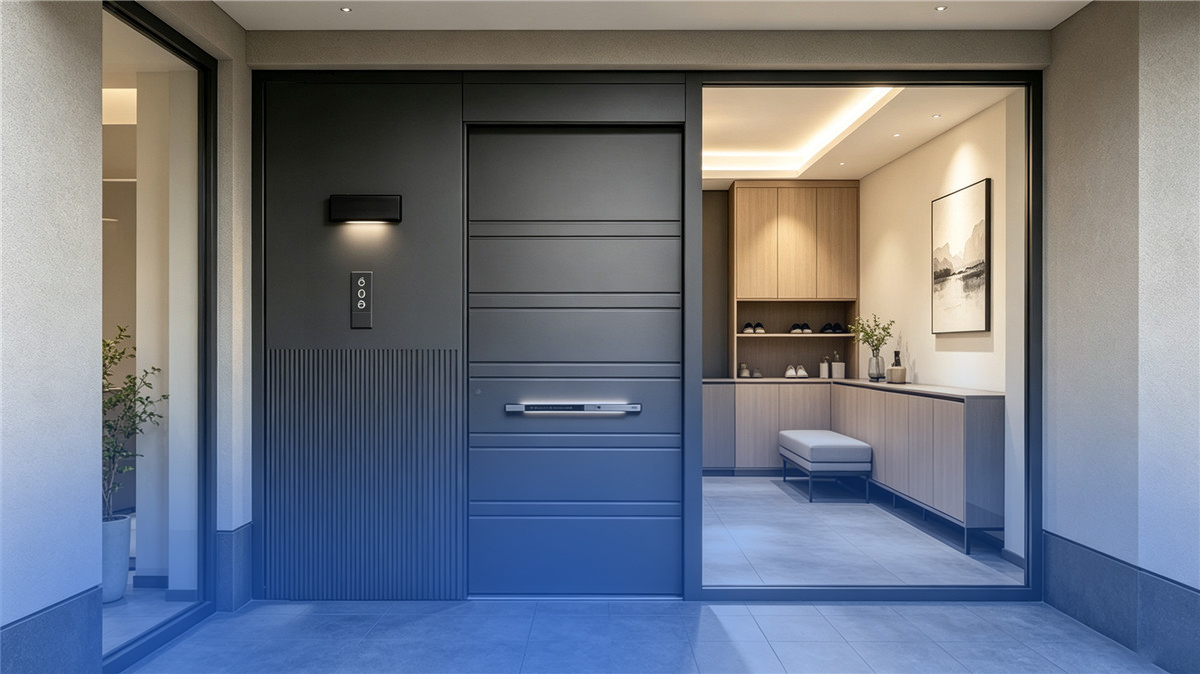
CE · Impact Rated
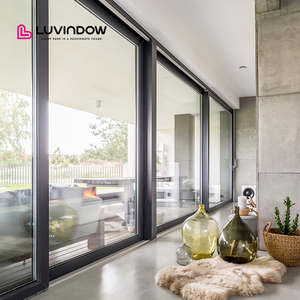
Explore our verified high-performance architectural systems, precision-machined in our 180,000 m² manufacturing base. Built for severe thermal conditions, heavy cycle operation, and full CE/AS2047 regulatory compliance.
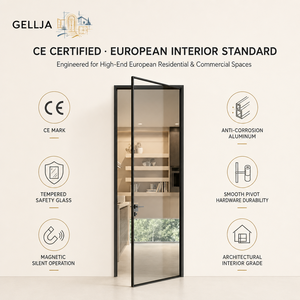
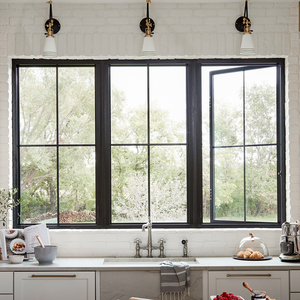
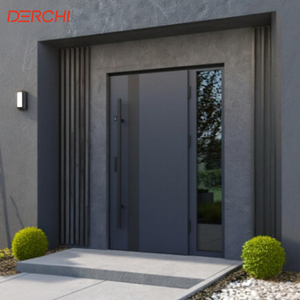
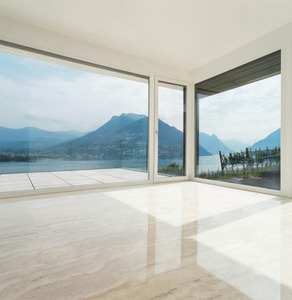
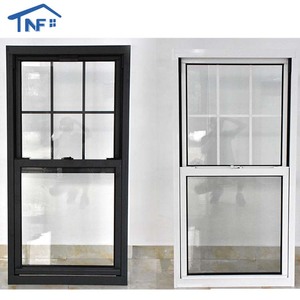
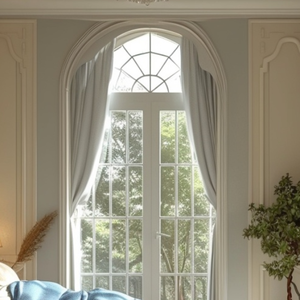
In high-traffic architectural spaces, especially modern residential kitchens, commercial pantries, and hospitality back-of-house culinary areas, doors are subjected to aggressive operating environments. Unlike standard interior passage doors, an aluminium kitchen door must withstand high relative humidity, constant airborne vaporized fatty acids, persistent thermal deltas, and repetitive cyclical stress. Specifying CE certified aluminium kitchen doors is not merely a formality; it represents an engineer-verified threshold of safety, mechanical integrity, and environmental accountability.
Under the European Construction Products Regulation (CPR 305/2011/EU) and the harmonized standard EN 14351-1:2006+A2:2016 (Windows and doors - Product standard, performance characteristics), certified manufacturers must enforce an exhaustive Factory Production Control (FPC) system. Crucial parameters tested and verified under this scope include:
| Regulatory & Physical Vector | Harmonized Standard Test | DERCHI Factory-Tested Metric | Compliance Status |
|---|---|---|---|
| Resistance to Wind Load | EN 12211 / EN 12210 | Class C5 / B5 (≥ 2000 Pa deflection limit ≤ 1/300) | Certified Pass |
| Watertightness Under Pressure | EN 1027 / EN 12208 | Class 9A (Non-continuous spray ≥ 600 Pa) | Certified Pass |
| Air Permeability (Draft & Odor Control) | EN 1026 / EN 12207 | Class 4 (≤ 3 m³/h·m² at 100 Pa test vector) | Certified Pass |
| Acoustic Performance (Rw) | EN ISO 10140-2 / EN ISO 717-1 | Rw (C; Ctr) = 38 (-1; -4) dB with argon-filled IGU | Certified Pass |
| Thermal Transmittance (Ud) | EN ISO 10077-1 / EN ISO 10077-2 | Ud ≤ 1.2 W/(m²·K) via PA66 GF25 Polyamide barrier | Certified Pass |
| Mechanical Durability (Cycles) | EN 1191 / EN 12400 | Class 8 (1,000,000 opening/closing operating cycles) | Certified Pass |
Beyond EN 14351-1, CE-marked fenestration for culinary environments requires strict scrutiny of volatile organic compound (VOC) emissions from powder coatings, silicone structural glazes, and EPDM gaskets. In accordance with EN 16516, our profiles are baked and cured in specialized non-degassing ovens to guarantee A+ Indoor Air Quality (IAQ) ratings, preventing off-gassing near high-temperature cooktops, steam vents, and open flame fixtures.
Gain uninhibited access to our comprehensive architectural BIM components, CAD shop drawing profiles, and third-party laboratory CE Declaration of Performance (DoP) test dossiers.
The global construction market is experiencing an unprecedented structural transition. Modern architectural masterminds no longer view the kitchen door as a mere barrier between culinary grease and living room leisure. Instead, it has transformed into a responsive spatial envelope. Procurement directors, bulk contractors, and commercial developers are pivoting toward several decisive vectors:
Architectural demand has transitioned rapidly from heavy 65mm profile sashes to minimalist micro-frames. Our internal engineering teams leverage 6063-T6 aerospace-grade alloys to deliver 16mm sightlines capable of bearing 180kg structural glass panels without racking or jamb sag.
European and North American green building mandates (LEED v4.1, BREEAM) enforce embodied carbon ceilings. Procurement protocols now favor low-carbon aluminium extruded utilizing renewable hydro-power, with scrap loop recycling integration exceeding 45% post-consumer content.
Slam-free soft-closing hydraulic pivots, bi-directional magnetic stops, and hidden motorized drive lines integrated within transom headers provide effortless, zero-rebound handling during rapid kitchen workflows.
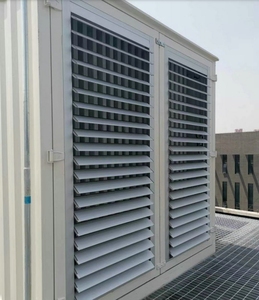
Moreover, modern procurement strategies mandate cross-system continuity. A master developer seldom orders kitchen doors in isolation; the fenestration suite must seamlessly integrate with exterior sliders, high-performance casements, automated louver shutters, and custom pivot entrances. Consolidating full-project orders directly with a single tier-one manufacturing group radically simplifies site coordinate tolerances, aligns anodized dye lots, and streamlines single-bill-of-lading logistics.
In humid coastal zones and high-temperature metropolitan centers alike, alternative door substrates fail prematurely when deployed adjacent to cooking ranges, refrigeration banks, and exterior-facing kitchen access points. Unveiling the structural composition explains why certified aluminium systems are standard across modern specifications:
Timber doors absorb ambient moisture, expanding by up to 3.5% across the grain, resulting in sticking frames, compromised hinge screw pulls, and paint peel. UPVC, while waterproof, exhibits a severe Coefficient of Linear Thermal Expansion (CLTE ≈ 60 × 10−6 /K), causing frame deflection and locking rod misalignment under direct western sun. High-tensile Aluminium 6063-T5/T6 features a rigid crystal matrix (CLTE ≈ 23 × 10−6 /K), guaranteeing zero millimetric variance across a operating spectrum of -40°C to +85°C.
Culinary vapours contain sodium aerosols, acetic acids, and vaporized lipids. DERCHI implements automated 16-stage pre-treatment wash cycles (chemical degreasing, multi-stage acid etching, and chrome-free titanium/zirconium passivation) followed by electrostatic AkzoNobel Interpon D2525 fluorocarbon powder baking. The resulting 60-80 µm architectural coating achieves zero blistering or micro-cracking under ASTM B117 salt fog immersion exceeding 3,000 continuous hours.
To eliminate kitchen grease odor migration into living rooms without compromising effortless opening force, our designs integrate continuous automotive-grade EPDM (Ethylene Propylene Diene Monomer) cellular micro-sponge gaskets. Unlike cheap plasticized PVC seals that embrittle and shrink after 24 months, vulcanized EPDM retains over 92% compression set recovery after 10 years of heavy cycling.
Behind every high-performance door system is a world-class manufacturing infrastructure. DERCHI is recognized among the Top 10 premium door and window brands in China, operating an industrial complex designed to serve tier-one global builders, developers, and distribution partners.
Our centralized production base in Shishan Town, Foshan, Guangdong houses automated CNC 5-axis profile machining centers, automated cutting lines, and cleanroom glazing facilities.
Over 25 years of specialized door engineering, sustained by a veteran technical core of 80+ structural and mechanical fenestration design engineers working around the clock.
Validated by CE (EN 14351-1), ISO9001 quality management, Australian AS2047 (N6 cyclone rating), NFRC energy ratings, and North American UL fire-rated certifications.
Every single frame and sash is individually crated with non-fumigation plywood and honeycomb shock-absorbers, shipping safely to Rotterdam, Lagos, Dubai, Sydney, and Vancouver.
From custom CAD shop drawings, free structural calculations, and thermal modeling to physical mock-up verification and pre-shipment video audits, we eliminate risk across all stages of project delivery.
Real-world technical inquiries collected directly from structural engineers, project specifiers, and procurement managers sourcing aluminium kitchen doors:
Collaborate directly with our senior fenestration engineers in Foshan. Send your door schedule, project bill of quantities (BOQ), or architectural elevations for immediate engineering review.