0%

An Aluminum Door With Window combines a lightweight metal frame with one or more glazed panels. The frame outlines and supports the glass, while hinges, handles, seals, and locks help the door operate and close securely. Designs range from a narrow vertical pane beside the handle to broad glass sections that bring daylight into an entryway. Looks simple. But the details matter.

Frame depth, glass type, and weather seals vary by product. Some frames include a thermal break, a barrier designed to reduce heat transfer through the metal. Glazing may also differ in insulation, privacy, and resistance to impact. These features affect comfort and should be checked against the room, local climate, and manufacturer’s specifications. A bright hallway can feel more open, though direct sun may create glare or fade nearby furnishings.

This guide explains how an Aluminum Door With Window is built, where it is commonly used, and what to consider before choosing one. It also covers practical questions about privacy, maintenance, security, and energy performance. Measurements deserve care. A door that looks suitable in a showroom may not fit an existing opening without adjustments. Product descriptions can be confusing, too; compare documented specifications rather than relying on appearance alone. No single design suits every home, so the best choice depends on the opening, daily use, and the balance you want between light and privacy.
What Is an Aluminum Door With Window?

Definition and Basic Structure of an Aluminum Door With Window

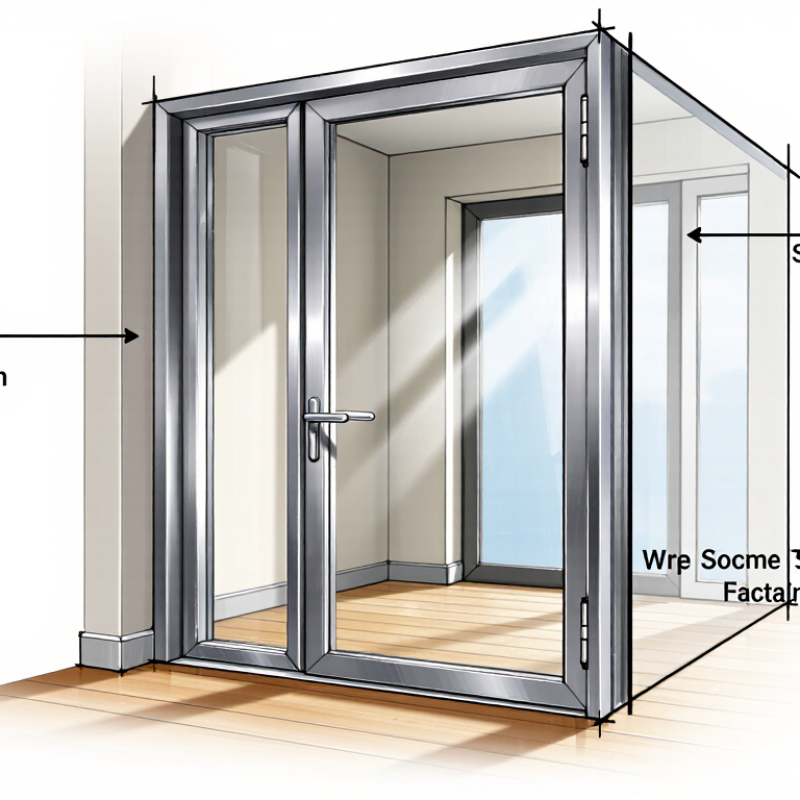
An aluminum door with window is a door assembly that combines an aluminum frame with one or more glazed sections. The frame supports the door leaf and holds the glass in place. Depending on the design, the glass may fill most of the leaf or sit in a smaller panel near the top. The clear area brings daylight into an entryway, hallway, or room while keeping the door’s basic function intact.

Its structure usually includes vertical stiles, horizontal rails, glazing beads, and a glass panel. The stiles and rails form the visible framework; glazing beads secure the glass within its opening. Weather seals around the edges help limit drafts and moisture, while hinges connect the leaf to the surrounding frame. A handle and lock are fitted to suit the opening and security requirements. At the bottom, a threshold may help manage water and provide a firm transition between floor surfaces.

The details matter. A thick-looking frame can reduce the glass area, while a larger pane may make a narrow entry feel brighter. In practice, I would also check how the door opens, where the hinges sit, and whether the glass needs privacy treatment. Cleaning the inside and outside can be awkward in some layouts. Aluminum is sturdy, but the assembly still depends on sound installation and well-fitted seals.

Key Components and Available Glazing Options

An aluminum door with window pairs a rigid metal frame with one or more glazed panels. The main components include the outer frame, door sash, glass, glazing beads, weather seals, hinges, and locking hardware. A thermal break is an insulating barrier within the frame; it can reduce heat transfer compared with non-thermally broken aluminum. Small parts matter. The seal around the glass helps limit drafts and water entry, but worn or poorly fitted seals can still cause problems.

Glazing options affect privacy, comfort, and appearance. Double glazing uses two panes with a sealed space between them, which can improve insulation and reduce outside noise. Low-emissivity coatings help limit heat transfer while allowing daylight through. Laminated glass holds together when cracked, while frosted or patterned glass obscures views. These choices are not interchangeable: a sunny entry may benefit from solar-control glazing, while a shaded hallway may need more visible light. I would check the complete door specification, since the glass alone does not determine performance.

Tips: Confirm glass thickness and safety rating for the intended location. Ask how the frame, seals, and glazing work together. A narrow sample may look different from a full-sized panel; that detail is easy to overlook.

What Is an Aluminum Door With Window? — Key Components and Available Glazing Options

An aluminum door with a window combines an aluminum frame, glazing, seals, and hardware. The chart compares typical visible light transmittance (VLT) ranges: higher percentages let more daylight through. Actual values vary with glass thickness, coatings, tint, and product configuration.

Common Designs and Opening Configurations

An aluminum door with a window combines a rigid metal frame with one or more glazed panels. The window may cover most of the door, sit in its upper half, or appear as a narrow vertical strip. Frame profiles are often slim, allowing more daylight without making the door feel visually heavy. Glass can be clear, frosted, or patterned, depending on the need for privacy and light.

Full-lite designs use a large glazed area and suit entries where daylight is welcome. Half-lite doors keep more solid panel below the glass, which can feel more private near a busy walkway. A small glazed panel can still brighten a dim hallway. It may not brighten the whole room, though. Sidelights beside the door add more glass without changing the door leaf itself.

Opening style affects everyday use. Hinged doors swing inward or outward and need clear floor space. Sliding doors move along a track, so they work well where a swing would obstruct furniture or a path. Bi-fold designs fold into sections and can open a wider passage, but their tracks and multiple joints need careful fitting. Measure the opening and nearby furniture before choosing. That detail matters. Also consider which way the door should swing; it is easy to overlook until the handle meets a wall.

Performance Features and Practical Benefits

An aluminum door with a window brings daylight into an entryway while keeping a slim, sturdy frame. Its performance depends on more than the glass. Aluminum transfers heat readily, so a thermal break—a nonconductive layer between the frame’s inner and outer sections—can reduce heat flow. Good weather seals also matter. A loose corner can let in a cold draft, even when the glass is efficient. Small detail.

The U.S. Department of Energy’s Energy Saver guidance estimates that windows account for about 25–30% of residential heating and cooling energy use. That figure covers windows, not doors specifically, but it shows why glazing choices deserve attention.

For a practical comparison, check the National Fenestration Rating Council label for U-factor and solar heat gain coefficient (SHGC). U-factor indicates how readily heat passes through the product; SHGC describes how much solar heat enters. Lower values are not automatically better for every room: a shaded north-facing entry and a sunlit west-facing one have different needs. Look, too, for durable hinges, a secure multi-point lock, and glass that suits the site’s privacy and safety needs. A glazed door can brighten a dark hallway, but it may reveal more than expected after sunset. I would treat the frame, seals, installation, and glass as one system—not assume a strong-looking aluminum frame guarantees comfort.

Typical Applications in Residential and Commercial Buildings

An aluminum door with a window pairs a lightweight frame with glazed panels. In homes, it often serves as a patio, side, or garden entrance, bringing daylight into kitchens and hallways. Clear glass keeps sightlines open; frosted or textured glass adds privacy near bathrooms or close neighbors. Small detail, big difference.

These doors also suit apartment entryways, utility rooms, and sunrooms, where a slim frame can preserve usable space. Homeowners should consider orientation: afternoon sun may make a bright room uncomfortably warm, while a shaded porch can feel dim. Glazing choice and weather seals matter as much as appearance. Installation quality matters.

Commercial buildings use glazed aluminum doors at office entrances, storefronts, clinics, and shared corridors. They help staff see visitors and bring daylight to reception areas, but busy entrances need durable hardware and easy-clean glass. For public entrances, confirm that the selected glazing and hardware meet the project’s applicable safety requirements. It is easy to treat more glass as an automatic upgrade, but that assumption can overlook privacy, glare, and nighttime reflections.

FAQS

What parts make up an aluminum door with a window?

It usually has a frame, door sash, glass, glazing beads, seals, hinges, and locking hardware. Small parts matter.

How can glazing affect comfort and privacy?

Double glazing can improve insulation and reduce outside noise. Frosted or patterned glass obscures views, while clear glass brings in more daylight.

What does a thermal break do?

It creates an insulating barrier inside the frame and can reduce heat transfer. The whole door still matters, including its seals.

Which design suits a bright entryway?

A full-lite door lets in substantial daylight. A half-lite design keeps more solid panel below the glass, which may feel more private.

Are narrow glass panels useful?

Yes. A slim vertical panel can brighten a dim hallway without covering much of the door. It may not light the whole room.

Should I choose a hinged or sliding door?

Hinged doors need clear floor space to swing. Sliding doors move along a track and can avoid nearby furniture or narrow walkways.

What should I check before choosing the opening direction?

Measure the doorway and nearby furniture. Check where the handle will land; it could meet a wall.

Which glass works near a busy walkway?

Frosted or textured glass can add privacy. A full-sized sample may look different from a narrow sample, so I would check both.

What matters for a commercial entrance?

Durable hardware and easy-clean glass help with frequent use. More glass is not always better; glare and nighttime reflections can be distracting.

Conclusion

An Aluminum Door With Window combines a durable aluminum frame with one or more glazed sections, allowing natural light to enter while providing a practical way to connect rooms or indoor and outdoor spaces. Its basic structure typically includes the frame, door panel, glazing, hardware, and seals. Glazing options can range from clear glass for an open view to frosted or textured glass for added privacy, with choices suited to different light and insulation needs.

These doors are available in styles such as hinged, sliding, and folding configurations, making them adaptable to different layouts and access requirements. Aluminum is valued for its strength, low maintenance, and resistance to everyday wear, while suitable glazing and quality seals can support comfort and help reduce noise. Aluminum doors with windows are commonly used in homes, offices, and other commercial buildings for entrances, patios, balconies, partitions, and areas where daylight and a clean, modern appearance are desired.

Seraphina

Seraphina

Seraphina is a highly skilled marketing professional dedicated to helping businesses make informed decisions and achieve sustainable growth through practical, insight-driven strategies. With a strong understanding of the company’s products, services, and customer needs, she brings clarity to......