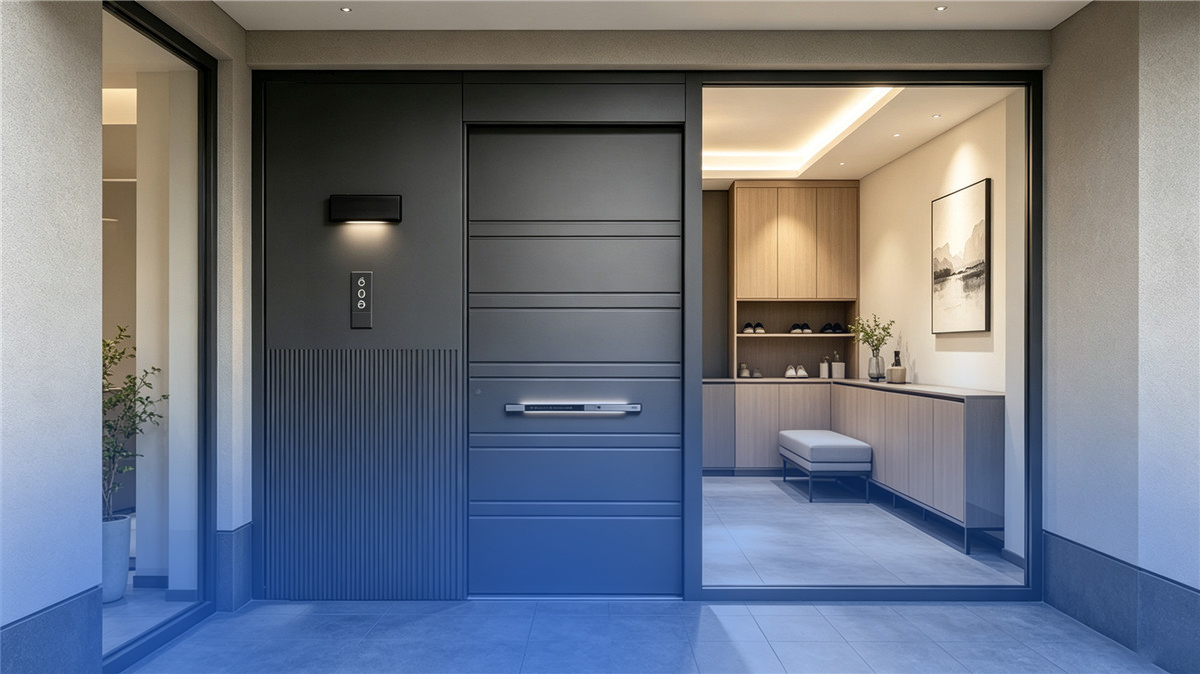
In 2026, choosing an Aluminium Door With Window means weighing more than appearance. The right design can bring daylight into an entryway, connect a room with a patio, and provide a durable everyday entrance. But glass size, frame construction, and installation all affect how the door performs. Small details matter.
Start with the opening and its surroundings. Measure the space carefully, note whether the door faces strong sun or prevailing rain, and consider how much privacy the glazed panel should provide. Clear glass brightens a room, while frosted or textured glass can soften views from outside. Looks are not enough. Ask suppliers for documented details on glazing, insulation, hardware, and applicable performance ratings; product features vary, and a showroom display cannot confirm how a door will perform in your home.
This guide explains what to compare before you buy, from frame finishes and glass options to security features and installation requirements. Check that the door suits your climate, daily use, and existing structure, rather than relying on a single headline specification. A thermal break may be worth considering in some settings, though its value depends on the full door assembly and local conditions. I still find that easy to underestimate. Take time to review the product documentation, discuss site-specific concerns with a qualified installer, and compare complete quotations. That practical groundwork can help you choose a door that looks right and works well for years.
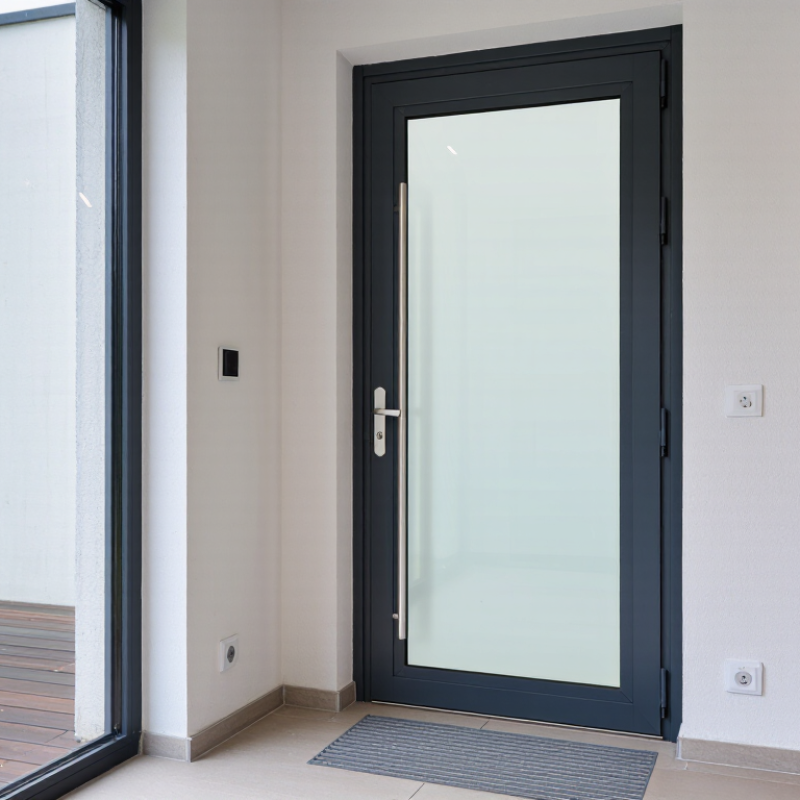
Before choosing an aluminium door with a window, decide what the door needs to do. Is it the main entrance, a side exit, or a patio access point? A front door may need privacy and a clear view of visitors. A patio door may benefit from a larger glazed area and an easy threshold. Write down who uses it daily, including children or anyone carrying bags.
Location changes the specification. A door exposed to driving rain or strong afternoon sun needs suitable weather seals and glazing for that exposure. In a busy hallway, consider how much glass feels comfortable and whether the view into the home should be limited. Measure the opening at several points; older walls are not always square. Small detail. It matters.
Then match performance to actual conditions. Ask about the door’s tested thermal performance, air leakage, water resistance, and security features, and request clear product documentation. For a cold, windy entrance, tighter seals and suitable insulated glazing can improve comfort. For a sheltered interior doorway, those features may matter less. Check how the frame, glass, and locking system work together, not just the advertised rating. I have seen attractive doors chosen before anyone checked the sill height; correcting that later can be awkward. Decide what you can compromise on, and what would bother you every day.
A slimmer aluminium frame can create a cleaner view and let more daylight into a hallway. A deeper profile may offer room for stronger glazing or larger door panels. Compare the frame depth, visible sightlines, and stated performance figures, not appearance alone. The narrowest option is not automatically the best. Check that the profile suits the door’s size and intended use.
A thermal break separates the inner and outer aluminium sections with a less conductive material. This can reduce heat transfer, but results also depend on the glass, seals, and installation. Look for documented thermal-performance values and ask how the door handles your local climate. A good finish should suit the exposure: shaded entrances and sun-facing façades can age differently. Still, frame colour is easy to focus on; weather seals deserve equal attention.
Tips: Compare finish samples outdoors, not just under showroom lighting. Check corners and hardware details. Small details matter. I would double-check the installer’s measurements, too; even a well-specified door can disappoint if the opening is uneven.
Choose the window style around the entrance, not just the catalogue image. A tall, narrow panel can brighten a dim hallway while keeping the view outside limited. A larger glazed section brings in more daylight, but may expose coats, keys, or movement indoors. Consider sightlines from the street and the direction of afternoon sun. A glass sample can look calm in a showroom and harsh beside a west-facing porch. Check it at home, if possible.
Glazing affects comfort as well as appearance. Double glazing with a low-emissivity coating can help reduce heat loss, while solar-control glass may suit a sunny entrance. In colder or noisier locations, compare whole-door performance figures rather than judging the glass alone. Ask how the frame, seals, and glazing work together. Clear glass is not always the practical choice. Textured or obscure glazing can soften views without making the entry feel gloomy, though privacy varies by pattern and lighting.
Security depends on the complete assembly. Look for a robust multipoint locking system, reinforced hinges, and glazing that is difficult to remove from outside. Laminated glass can remain held together after impact; the right specification depends on the door design and local risks. Check that locks engage smoothly and the door closes without needing a hard shove. Small details matter. I would also check whether the handle and lock feel comfortable to use every day; a secure door is less useful if people routinely leave it unlocked because it feels awkward.
| Decision Factor | Options to Consider | Key Benefits and Trade-Offs | What to Check Before Buying |
|---|---|---|---|
| Window style | Fixed, top-hung, side-hung, or tilt-and-turn window integrated into the door | A fixed pane offers daylight without an opening sash. Operable styles can provide ventilation, but need suitable clearance and hardware. | Confirm the opening direction, ventilation needs, available space, and whether the window can be cleaned safely. |
| Window position and size | Small upper light, larger glazed panel, or narrow vertical light beside the main door panel | A larger glazed area can admit more daylight but may affect privacy, heat gain, and the amount of solid door area. | Consider sightlines, privacy, orientation to the sun, and the door’s tested structural and security configuration. |
| Glazing type | Double glazing, triple glazing, or laminated safety glazing | Multiple panes can improve insulation compared with single glazing. Laminated glass uses an interlayer that helps hold broken pieces together; it is not unbreakable. | Ask for the complete glass build-up and performance data. Check local requirements for safety glazing in doors and nearby hazardous locations. |
| Thermal performance | Thermally broken aluminium frame with suitable insulated glazing | A thermal break reduces direct heat transfer through the metal frame. Whole-door performance depends on the frame, glass, seals, and installation. | Compare certified whole-door U-factor or U-value for the same test method; lower values generally indicate less heat transfer. |
| Solar control | Clear glass, low-emissivity (Low-E) glass, or solar-control glazing | Low-E coatings can reduce heat transfer. Solar-control options can limit unwanted solar heat, while some glazing may reduce visible light. | Compare the stated U-factor, solar heat gain coefficient (SHGC), and visible light transmittance for your climate and façade orientation. |
| Security hardware | Multipoint locking, a reinforced strike area, and hinges appropriate to the door design | Multipoint locks engage the frame at more than one point. Security depends on the complete door set, including the frame, fixings, glass, and installation. | Check whether the lock and complete door assembly have been tested or certified to standards applicable in your region. |
| Glazing security | Laminated glass or security-rated glazing where appropriate | Laminated glass can remain partly attached to its interlayer after breakage, which may make entry through the pane more difficult. | Verify the glass classification and test standard, and confirm that glazing beads and fixings are designed for the selected glass. |
| Weather sealing | Continuous perimeter seals, a suitable sill, and a threshold designed for the exposure | Good sealing helps limit draughts and water entry. The right threshold depends on weather exposure and accessibility needs. | Check the door’s air- and water-performance ratings, drainage details, and compatibility with the finished floor level. |
| Installation and maintenance | Professional installation with adjustable hardware and accessible drainage paths | Correct fitting helps the door operate and seal as intended. Periodic cleaning and hardware checks help maintain performance. | Confirm installation requirements, warranty conditions, cleaning guidance, and the availability of replacement seals and hardware. |
Note: Performance ratings and safety-glazing requirements vary by region. Compare products using the same test methods and confirm local building-code requirements before ordering.
How to Choose an Aluminium Door With Window in 2026?
An aluminium door with a window must fit the opening, but the opening is rarely perfectly square. Measure width at the top, middle, and bottom, then check height at both sides and the center. Record the smallest measurements and compare them with the frame’s required opening dimensions. Do not measure only the old door. Trim, flooring, and a bowed frame can hide the true opening. Small errors matter.
Building requirements vary by location and by where the door is installed. Ask your local building department or a qualified installer about safety glazing, energy performance, threshold height, and any required clearances. Check whether the glass specification suits the door’s position and exposure. A sunny entrance may need different glazing from a shaded side entry. Do not assume.
Installation details affect how well the door works over time. Confirm that the wall can support the frame and that the sill can drain water outward. The installer should check that the frame is level, plumb, and square before securing it, then seal and flash the perimeter. Ask who will handle interior trim and repairs to the surrounding wall. Even careful measurements can miss a problem beneath the old sill. A site check is worth the extra step.
Verify Measurements, Building Codes, and Installation Needs
Example measurements only—not a product specification. Measure width at the top, middle, and bottom, and height at the left, center, and right. Use the smallest width and height when checking fit, then confirm the manufacturer’s installation requirements and applicable local building codes.
An aluminium door with glazing should be judged by its warranty details, not headline length. Ask whether the frame, finish, glass seals, hardware, and installation have separate coverage; exclusions may matter more than the stated term. Get it in writing. Check how claims are handled and whether routine care is required to keep coverage valid.
Maintenance is modest, but not zero. In dusty or coastal settings, rinse frames and clear drainage slots so water does not collect near seals. Inspect hinges, weatherstripping, and glass edges each year. Stiff handles or condensation between panes deserve prompt attention. It is easy to assume coated aluminium needs no care, but exposure and finish quality affect upkeep.
Long-term value also depends on glazing performance. The U.S. Department of Energy’s Energy Saver guidance estimates that windows account for about 25–30% of household heating and cooling energy use. This is a broad household estimate, not a figure for glazed doors alone. Compare NFRC-rated U-factor and solar heat gain coefficient, then include possible seal or hardware repairs in your cost comparison. A lower quote can age badly.
Decide whether it is for an entrance, side exit, or patio. Think about daily users, privacy, and how much glass feels comfortable. Small choices matter.
A door exposed to driving rain or strong sun needs suitable seals and glazing. A sheltered interior doorway may need less weather protection.
Measure width at the top, middle, and bottom. Check height on both sides and at the center. Use the smallest measurements when comparing the opening with frame requirements. Older walls can be uneven.
Ask for tested thermal, air leakage, and water resistance information. Review the glass, frame, and locking system together. Ratings alone do not tell the whole story.
Consider privacy, sunlight, and the door’s exposure. A sunny entrance may need different glazing from a shaded side entry. I would still check the view from inside.
Confirm the threshold height and whether the sill drains water outward. I once overlooked sill height. Fixing it later can be awkward.
Ask your local building department or a qualified installer about safety glazing, energy performance, clearances, and threshold height. Requirements vary by location.
The installer should check that the wall supports the frame. They should make it level, plumb, and square, then seal and flash the edges. Ask who handles trim and wall repairs.
Choosing an Aluminium Door With Window in 2026 starts with understanding where it will be installed and what it needs to do. Consider traffic, privacy, natural light, weather exposure, and insulation requirements. Compare frame profiles, thermal-break construction, and finishes to find a balance of strength, energy efficiency, appearance, and upkeep. The right choice depends on the building’s conditions as well as your design preferences.
Next, select a window style and glazing that suit your needs for daylight, comfort, and security. Before ordering, confirm measurements, check applicable building requirements, and plan for proper installation. Finally, review warranty coverage, maintenance expectations, and long-term value—not just the initial price. Considering these factors together can help you choose a durable, practical door that complements the space and performs reliably over time.