Choosing an Aluminium Sliding Window in 2026 means balancing daylight, ventilation, security, and long-term comfort. A wide glass panel can brighten a living room, but it also needs suitable glazing for the local climate. Start with the opening size, exposure to wind and rain, and how often the window will be used. Think about thermal breaks, glass performance, weather seals, drainage paths, and the strength of the frame. These details affect more than appearance. They can influence indoor temperatures, water resistance, and everyday operation. Small details matter.
Pay close attention to the sliding system. Rollers should move smoothly, and the sash should remain stable without scraping or rattling. Ask what adjustment or replacement parts are available; even a well-made window may need maintenance over time. Compare the product’s documented performance, warranty terms, and installation requirements rather than relying on a showroom demonstration alone. A specification sheet can look convincing, yet an inaccurately measured or poorly aligned frame may still slide unevenly. That is easy to overlook. Consider the room’s furniture and how much clear opening you actually need, too. Local conditions and building details vary, so a qualified installer can help confirm measurements and suitability before you order. There is no single best choice for every home. A careful comparison—and a second look at the small print—can help you choose a window that fits your space, budget, and expectations.
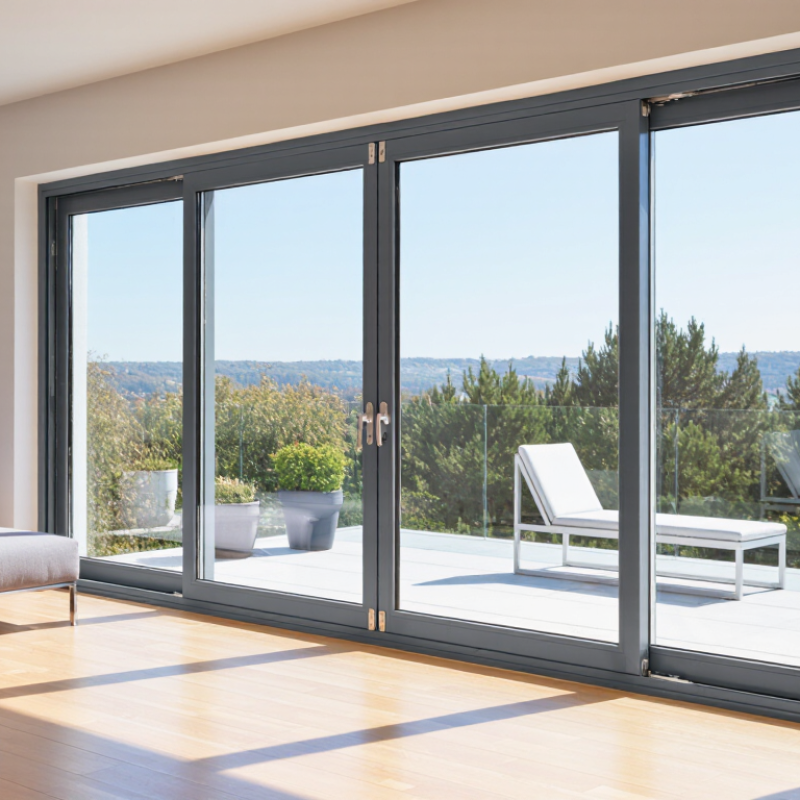
Start with the room, not the catalogue. A sliding window for a kitchen may need easy ventilation, while a bedroom often benefits from better noise control and privacy. Note where people sit, where furniture stands, and whether curtains or blinds will obstruct the panels. Small details matter.
Measure the opening at several points: width at the top, middle, and bottom; height at both sides and the centre. Older openings are not always square. Record the smallest measurements, but do not order from them alone. The installer should confirm the finished opening, frame allowances, and suitable operating clearance. I used to assume one measurement was enough; it wasn’t a safe assumption.
Then list the window’s job. Consider daylight, airflow, insulation, outside noise, cleaning access, and how often the panels will move. A wide opening can bring in more light, but a larger glass area may also change heat gain and cleaning effort. Check whether the chosen layout leaves a practical fixed panel and a comfortable opening width. If a window is above a walkway or near a child’s play area, ask a qualified installer about suitable safety glazing and secure hardware. The “best” option is the one that fits the room and its daily use.
Choosing an aluminium sliding window means comparing the visible frame with the parts you rarely notice. Slim frames admit more daylight and suit contemporary rooms, but leave less material around the glass. Wider profiles can look heavier, yet may accommodate larger glazing units and hardware. Check how the sash moves: a smooth track should not need a hard shove, and drainage paths should stay clear. Small details matter.
Glazing affects comfort as much as frame design. Double glazing generally insulates better than single glazing, while low-emissivity coatings can help limit heat transfer. The right option depends on climate, window orientation, and indoor comfort goals. On a west-facing wall, solar-control glass may reduce afternoon glare, though it can slightly tint the view. Ask for details such as pane thickness and cavity width, not just an “energy efficient” label. Not glass alone. Seals, meeting rails, installation, and the surrounding wall also affect drafts and heat loss. A larger panel looks clean, but may be heavier to slide and harder to clean. It is easy to overlook that trade-off. Compare the full window specification, check maintenance guidance, and confirm that the design suits your opening before deciding.
Compare typical center-of-glass thermal transmittance (Ug). Lower values indicate better insulation.
These approximate values are for the glazing only, not the complete window. Actual performance varies with glass specifications and calculation standards. For an aluminium sliding window, compare whole-window Uw ratings and consider a thermally broken frame; the frame, glazing, spacers, and window size all affect overall performance.
Choose an aluminium sliding window by its tested whole-window performance, not frame material alone. The U.S. Department of Energy estimates that windows account for 25–30% of residential heating and cooling energy use. A low U-factor helps limit heat transfer; check the solar heat gain coefficient too, especially for sun-facing rooms. Thermal breaks can reduce heat flow through aluminium frames. Small details matter. Ask for ratings for the complete unit, including glass and frame.
For noise, compare tested acoustic ratings for the full window assembly. The World Health Organization’s 2009 Night Noise Guidelines recommend bedroom noise below 30 dB(A) for good-quality sleep. That is a useful benchmark, not a promise that a window alone can meet it. For weather performance, request documented air-leakage, water-penetration, and structural-pressure results, tested to applicable standards such as ASTM E283, E547, and E330. For security, inspect the lock engagement, frame anchorage, and glass specification. A strong pane is less useful if the frame shifts under pressure.
Tips: Bring your exposure to wind-driven rain, traffic, and direct sun into the comparison. Ask for test reports, not just claims. And check the installed unit; even a well-rated window can disappoint if its perimeter seals are poorly fitted. One trade-off may remain: smoother sliding operation does not automatically mean tighter sealing.
Choose sliding hardware that suits the window’s size, weight, and location. Rollers should move smoothly and allow adjustment after installation. In coastal or damp areas, corrosion-resistant components can help reduce wear. Check that the track has clear drainage paths and that the locking point pulls the sash firmly against the frame. Try the sample unit, if available. Feel the difference.
Installation matters just as much as hardware. The opening should be square, level, and properly supported with suitable packers; a slightly twisted frame can make a new window drag or leave uneven gaps. Ask how the installer will fasten the frame to the wall and seal the perimeter. Sealant should block water without covering drainage openings. A quick test before the final trim goes on can catch sticking rollers or a latch that does not engage. This check is easy to overlook.
Plan for simple upkeep. Vacuum grit from the track before it scratches the rollers, then wipe it with a damp cloth and mild soap. Keep weep holes clear. Lubricate moving parts only as directed for the hardware; heavy grease can collect dust. Inspect seals and fasteners periodically, especially after harsh weather. Maintenance is not difficult, but it is easy to postpone until the sash feels rough.
When comparing aluminium sliding windows in 2026, check what each certificate actually covers. Look for test results on air leakage, water resistance, structural strength, and thermal performance. Requirements vary by location, so confirm which standards apply to your project. Match the report to the quoted window’s size, glass, seals, and hardware; a similar model may perform differently. Details matter. Ask for the full test document, not just a logo on a brochure.
Read the warranty exclusions. Check coverage for the frame finish, rollers, seals, glass, and installation labor. Note the claim process, maintenance conditions, and whether coverage transfers if the property is sold. A long warranty can still offer limited help if labor or replacement parts are excluded. Keep the paperwork. It is easy to overlook small conditions when a showroom sample looks convincing.
Compare total installed costs, not frame prices alone. Request itemized quotes covering glazing, delivery, fitting, flashing, removal of old windows, and disposal. Ask what future roller or seal replacement might cost. Energy savings depend on climate, glass choice, and how well the unit is installed, so avoid treating a lower heat-loss figure as a guaranteed bill reduction. I would not dismiss the cheapest quote automatically, but I would ask what it leaves out. A higher price is not proof of better performance either.
Use this comparison as a starting point when requesting quotes. Certification requirements, energy targets, building codes, warranty terms, and prices vary by location and project. Ask for documentation for the exact window configuration you plan to buy.
| Comparison factor | Value-focused option | Balanced option | Higher-performance option | What to verify before buying |
|---|---|---|---|---|
| Best suited to | Mild climates, utility spaces, or projects where upfront cost is the main priority. | Most homes seeking a practical balance of comfort, durability, and price. | Exposed locations, demanding energy targets, or homes where indoor comfort is a priority. | Match the window’s tested performance to the local climate, exposure, and applicable building code. |
| Frame and thermal design | Standard aluminium frame; thermal-break construction may be limited or absent. | Thermally broken frame, with an insulating material separating interior and exterior aluminium sections. | Thermally broken frame with an enhanced frame design and glazing package selected for the climate. | Ask whether the frame is thermally broken and request whole-window performance data, not just glass data. |
| Certification and test records | Request product-specific test reports and any locally required approvals. | Look for a verifiable product certification or independent test evidence covering the complete window. | Look for independently verified, product-specific ratings and test evidence for the selected size and configuration. | In the United States, an NFRC label reports rated whole-product U-factor and solar heat gain coefficient (SHGC); it is not, by itself, a quality award. AAMA/WDMA/CSA 101/I.S.2/A440 relates to window performance classes and performance grades. Check the applicable edition and local requirements. |
| Thermal performance to compare | Compare the rated whole-window U-factor and SHGC with local energy-code requirements. | Seek a configuration that meets local code and suits the heating or cooling needs of the home. | Choose ratings appropriate to the climate and orientation; lower U-factor generally means less heat transfer. | U-factor and SHGC are different measures. Lower SHGC can reduce solar heat gain; the preferred value depends on climate, orientation, and design. |
| Air and water performance | Confirm that the product has test data suitable for the intended exposure. | Compare tested air-leakage and water-penetration results for the exact product series. | Prioritize tested performance appropriate to wind exposure, rainfall, building height, and location. | Ask for the test standard, results, product size, and performance grade. A rating on one configuration may not apply to every size or option. |
| Glazing and hardware | Often supplied with standard insulating glass and basic rollers or locks. | Consider double glazing, low-emissivity coating, suitable gas fill, and robust, replaceable rollers. | Consider glazing tailored to the climate, laminated glass where appropriate, and hardware designed for frequent use. | Confirm glass safety requirements, screen inclusion, lock type, roller availability, and whether replacement parts can be ordered. |
| Warranty comparison | Terms may be more limited; check coverage and exclusions carefully. | Compare separate coverage for frame, finish, insulating-glass seal, and hardware. | Look for clearly stated coverage, service procedures, and accessible replacement parts. | There is no single standard warranty term for aluminium windows. Check duration, who is covered, labor and transport costs, exclusions, maintenance obligations, and transferability in the written warranty. |
| Illustrative installed cost | US$500–$900 per window | US$800–$1,500 per window | US$1,300–$2,500+ per window | Planning estimates only for a typical replacement-size, two-panel sliding window in the United States. Actual quotes vary substantially with size, glass, location, access, labor, and project scope. |
| Total-cost items to include | Product price, basic installation, and disposal if included. | Product, installation, trim or flashing work, disposal, and any required permits. | All replacement work plus upgraded glazing, difficult access, structural repairs, or specialty finishes if needed. | Ask each installer for an itemized, comparable quote. Include taxes, delivery, removal, repair work, permits, finishing, and any warranty-related service costs. |
| Best buying check | Choose only if documented performance meets local requirements. | A strong general choice when ratings, installation details, and warranty are clearly documented. | Worth considering when the added performance addresses a specific climate, exposure, or comfort need. | Compare the same size, frame type, glass specification, hardware, installation scope, and warranty terms across every quote. |
Cost note: The price bands are broad 2026 planning estimates, not a price survey or guaranteed market rate. They are not directly comparable between regions; obtain local written quotations for an accurate project total.
Start with the room’s daily needs. A kitchen may need easy airflow, while a bedroom may need better noise control and privacy. Check furniture, curtains, and where people sit.
Measure the width at the top, middle, and bottom. Measure the height at both sides and the centre. Record the smallest results, but ask the installer to confirm the finished opening and clearances. Older openings can be uneven.
Check how much of the opening will actually slide open. Make sure the fixed panel and opening width suit ventilation and access. A wider glass area can bring in more daylight, but it may mean more cleaning.
Compare whole-window U-factor and solar heat gain coefficient ratings. A lower U-factor generally means less heat transfer. Consider direct sun, too. Thermal breaks can reduce heat flow through aluminium frames.
Compare tested acoustic ratings for the complete window assembly. Noise also depends on installation and the surrounding room. A rating is useful, not a guarantee of quiet sleep. I used to assume glass alone did the work.
Ask for documented air-leakage, water-penetration, and structural-pressure test results. Consider wind-driven rain and local exposure. Check the installed perimeter seals, too. Poor fitting can spoil good results.
Inspect how the lock engages, how the frame is anchored, and what glass is specified. A strong pane matters less if the frame shifts under pressure. Ask an installer about suitable safety glazing near play areas or walkways.
Not necessarily. Easy movement and tight sealing are separate performance details. Compare the test information and try the panels, if possible. A trade-off may remain.
Choosing the best Aluminium Sliding Window in 2026 starts with the room it will serve, the available opening size, and your priorities for ventilation, views, and everyday use. Compare frame styles and glazing options to find a balance of appearance, durability, light, and privacy. Consider how well each option manages heat, outside noise, wind, rain, and security, taking the local climate and the building’s needs into account.
Look closely at the sliding hardware, installation requirements, and maintenance involved, since smooth operation and a proper fit affect long-term performance. Before deciding, review relevant product certifications, warranty coverage, and the full cost—not just the initial purchase price. A careful comparison of these factors can help you choose a window that suits your space, performs reliably, and offers good value over time.