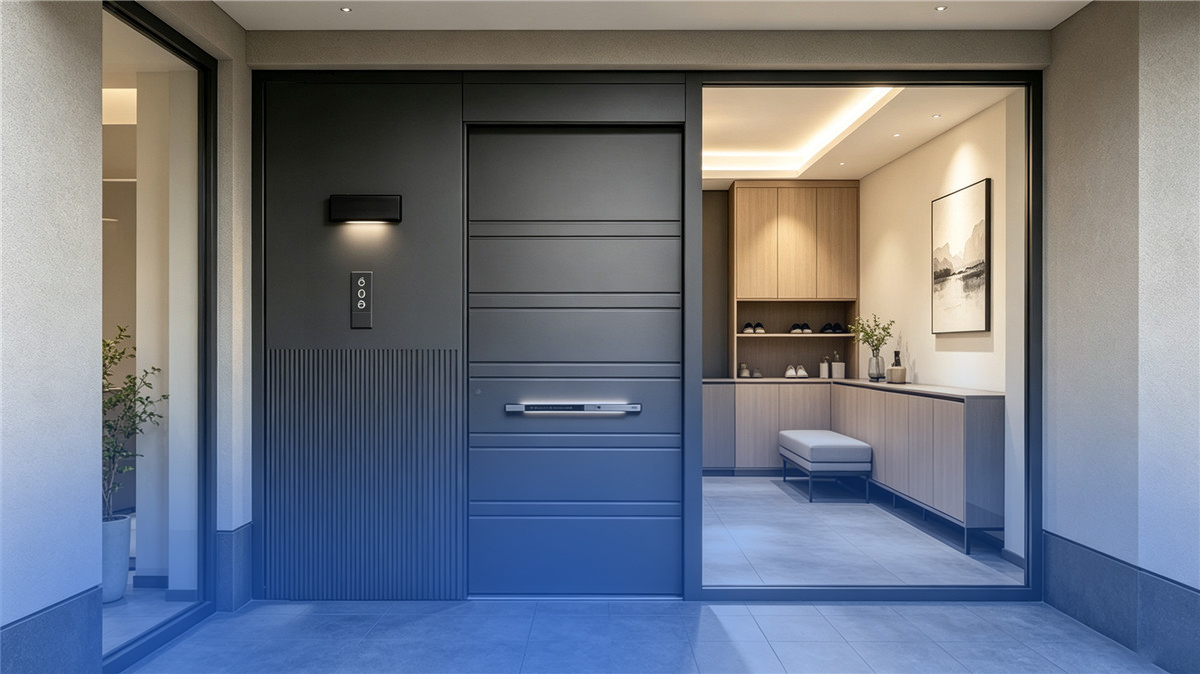
Choosing among the best aluminium door and window manufacturers in China requires more than comparing catalog prices. The right supplier must match the project’s climate, building design, performance targets, and installation conditions. A slim frame can look elegant, but its thermal performance depends on the full system: aluminium profile, thermal break, glazing, seals, and hardware.
The stakes are significant. The International Energy Agency’s Buildings report estimates that building operations accounted for about 30% of global final energy consumption and 26% of energy-related emissions in 2022. These figures cover buildings broadly, not windows alone. Still, they explain why frame design, airtightness, and glass specifications deserve careful review. Ask manufacturers for project-specific test reports, product specifications, quality-control details, and clear warranty terms. Check whether evidence applies to the exact configuration being quoted.
This guide explores Aluminium Doors And Windows manufacturers in China and the questions buyers should ask before shortlisting suppliers. We compare capabilities such as custom extrusion, glazing options, production consistency, and export support. No supplier is perfect. A polished catalog is not proof. Factory visits, sample checks, and independent verification can reveal gaps that brochures miss. Even then, testing one sample cannot guarantee every production batch will perform identically. The aim is not to declare a universal winner, but to help readers make a more informed, project-specific choice.
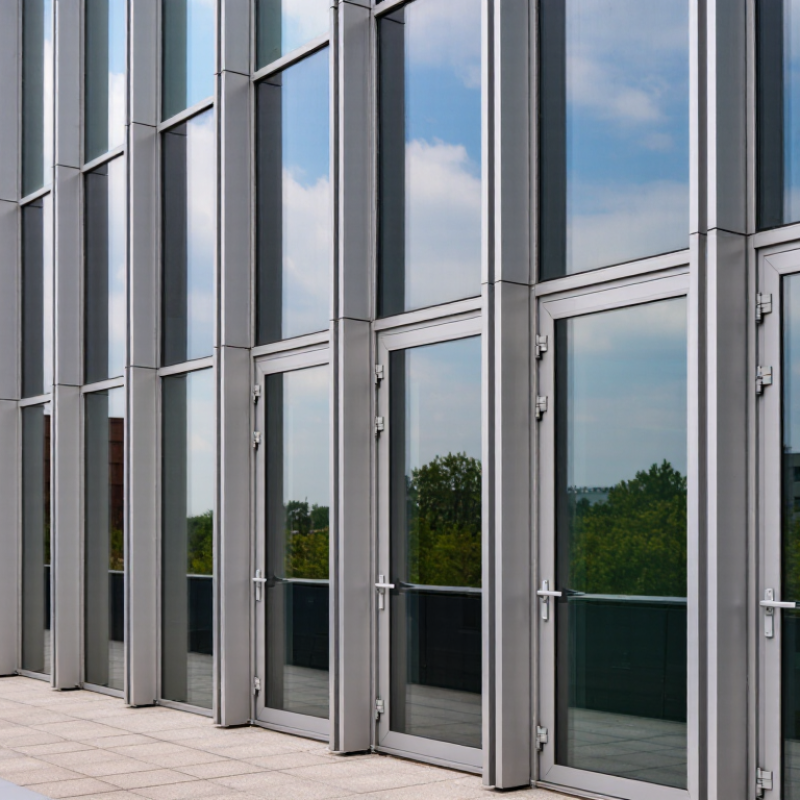
Understanding China’s Aluminium Door and Window Industry
China’s aluminium door and window industry combines large-scale production with extensive customization. Manufacturers source profiles, glass, hardware, seals, and surface finishes through interconnected supply chains. Production capacity can be high, but capabilities differ from factory to factory. Details matter.
Many suppliers offer thermal-break frames, sliding systems, casement windows, and made-to-measure configurations. These options suit varied building designs, yet product names alone reveal little about performance. Ask how frame depth, glazing, drainage, and sealing work together. A well-finished sample corner can show joint quality better than a polished brochure.
For overseas projects, confirm dimensions, opening direction, finish color, packaging, and installation requirements before production. Request test reports that match the proposed configuration, not merely a similar product. Check how the supplier handles inspection and replacement parts, too. Regional climates matter: coastal humidity, strong sun, and winter temperatures place different demands on coatings and seals. I would not assume that a low price means poor quality, or that a large factory guarantees consistency. That assumption is easy to make, and sometimes wrong. Clear drawings and documented checks help buyers compare manufacturers on evidence rather than promises.
| Industry Dimension | What It Covers | What Buyers Should Evaluate | Practical Notes |
|---|---|---|---|
| Product Range | Common products include sliding, casement, tilt-and-turn, folding and fixed windows, as well as hinged and sliding doors. | Confirm opening style, dimensions, frame depth, glazing configuration, screens, and whether the product is intended for residential or commercial use. | Product availability and design options vary by supplier. Check that the proposed system suits the building design and local installation conditions. |
| Aluminium Profiles | Frames and sashes are made from extruded aluminium profiles, which may be finished through processes such as powder coating or anodizing. | Request profile drawings, alloy and temper details, wall-thickness specifications, finish samples, and information about corrosion protection. | Profile dimensions alone do not establish overall product performance; assembly, hardware, seals, glazing, and installation also matter. |
| Thermal Performance | Thermal-break systems use a low-conductivity barrier between sections of an aluminium frame to reduce heat transfer through the frame. | Ask for test reports for the complete window or door configuration, including the frame, glazing, seals, and stated test method. | Results depend on the complete system and test conditions. Compare like-for-like configurations rather than profile descriptions alone. |
| Glazing and Seals | Products may use single, double, or other insulated glazing configurations, with gaskets and sealants helping limit air and water leakage. | Specify glass type, thickness, spacer, safety requirements, sealing materials, and the required air-, water-, and wind-resistance performance. | Glass requirements and performance targets should be selected for the project climate, building use, and applicable local regulations. |
| Hardware and Operation | Locks, hinges, rollers, handles, restrictors, and other fittings affect security, ease of operation, and serviceability. | Check hardware specifications, compatible replacement parts, opening-cycle test information where relevant, and warranty coverage. | Hardware quality and compatibility can differ between configurations. Confirm the exact components included in the quotation. |
| Manufacturing and Quality Control | Production commonly involves profile cutting, machining, frame assembly, glazing, hardware fitting, and final inspection. | Review production controls, inspection records, product traceability, sample approval procedures, and the supplier’s process for handling defects. | A factory audit or documented quality plan can help buyers assess consistency, but neither replaces product-specific testing. |
| Standards and Testing | China has national standards for aluminium-alloy doors and windows; export projects may also need to meet destination-market codes and test requirements. | Identify the standards required for the project and verify that certificates and test reports apply to the quoted product and configuration. | Do not assume that a general certificate covers every product or that compliance in one market automatically satisfies another market’s rules. |
| Customization and Project Support | Suppliers may offer custom sizes, colours, opening arrangements, glazing options, and technical drawings for project orders. | Confirm drawing approval, dimensional tolerances, sample sign-off, packaging details, installation guidance, and responsibility for site measurements. | Document all approved specifications before production, especially for non-standard sizes and coordinated multi-unit projects. |
| Logistics and Installation | Finished units must be protected during handling and transport, then installed and sealed correctly on site. | Agree on packaging, loading plans, shipment terms, delivery schedule, spare parts, installation instructions, and the process for transit damage claims. | Freight, customs, unloading, and installation costs are separate considerations from the factory product price. |
| Warranty and After-Sales Service | After-sales support may cover product defects, finishes, hardware, replacement components, or technical assistance, subject to the written terms. | Check warranty duration, exclusions, claim documentation, response arrangements, and how replacement parts will be supplied. | Warranty terms differ by supplier and market. Obtain the terms in writing and clarify who provides local service. |
FAQS
Compare profile thickness, glass configuration, seals, hardware, and written warranty terms. A low price does not always mean poor quality.
Request recent reports for air leakage, water resistance, wind pressure, and heat transfer. Check that each report covers your proposed window assembly, not just one profile.
Inspect a sample corner for tight joints, even coating, and properly seated glass. Look at drainage holes, too. Details matter.
Confirm dimensions, opening direction, finish color, packaging, and installation needs in clear drawings. Small omissions can cause frustrating delays.
No. Production capacity does not prove consistent quality. Ask how dimensions and finishes are checked across batches; I would not rely on factory size alone.
Ask about replacement parts, delivery issues, and installation questions. Get responsibilities and warranty terms in writing. Vague promises are hard to use later.
Coastal humidity, strong sunlight, and winter temperatures can affect coatings and seals differently. Match the proposed system to the building’s exposure.
No. A visit can show cutting, assembly, and packing, but it cannot prove long-term performance. I may be cautious here, yet documents and samples still leave some uncertainty.
Conclusion
China’s aluminium door and window industry offers a wide range of products for residential, commercial, and industrial projects. When assessing manufacturers, buyers can consider production experience, material and construction quality, customization options, communication, delivery reliability, and after-sales support. Clear evaluation criteria help distinguish suppliers that can meet a project’s design, performance, and budget requirements.
Comparing product specifications, quality-control practices, certifications, and export capabilities can help buyers make informed decisions. Aluminium Doors And Windows vary in profiles, finishes, glazing options, and thermal or acoustic performance, so requirements should be defined before requesting quotations. By matching a manufacturer’s strengths to the project scope and target market, buyers can build a practical supplier shortlist and establish expectations for samples, production, inspection, and shipment.