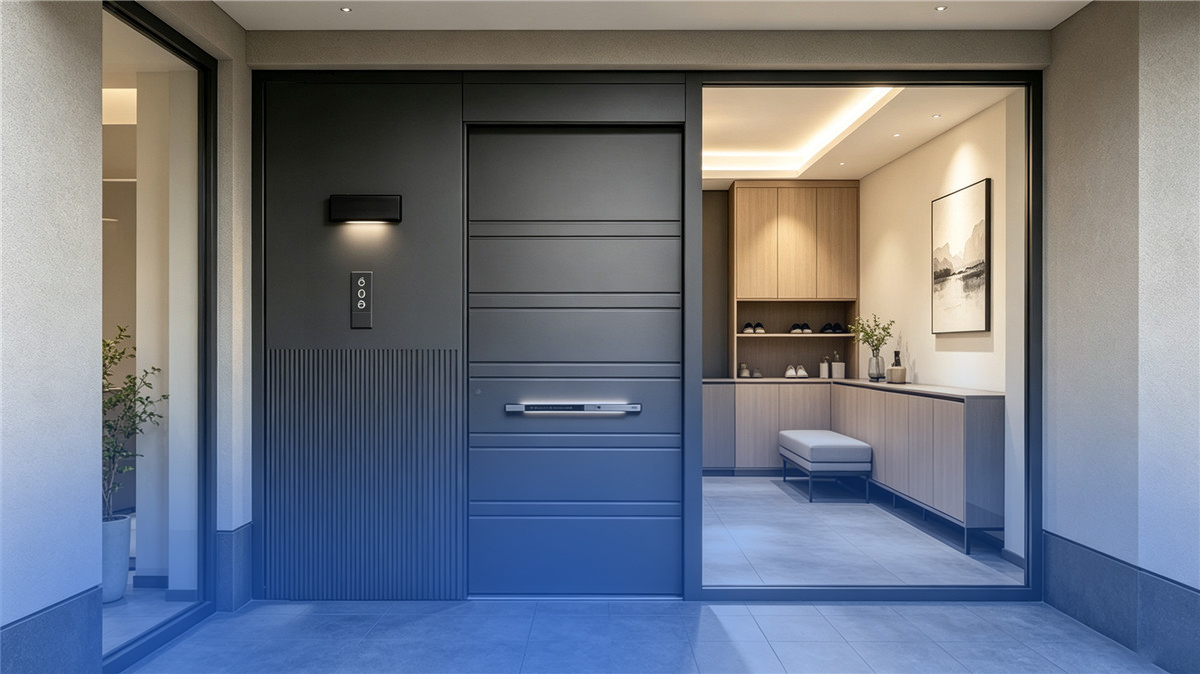
Choosing the best Aluminium Windows & Doors in 2026 means looking beyond slim frames and polished showroom displays. A good choice should suit your climate, building design, budget, and daily use. The details matter. Check the frame’s thermal-break design, glazing specification, drainage, seals, and hardware, rather than relying on appearance alone. These features influence comfort, condensation, noise, and how smoothly a door operates after years of use.
There is no single product that works best for every home. Coastal exposure, strong sun, wind, and frequent rain can all affect material and finish choices. Ask suppliers for documented performance ratings, warranty terms, maintenance guidance, and examples of comparable installations. Confirm that window and door sizes, opening styles, and threshold details fit the project before ordering. Installation is just as important as the product: poor sealing or inaccurate fitting can undermine otherwise capable frames. A lower price may be reasonable, but only when specifications and service are clear. I would still question broad claims such as “maintenance-free” or “best in class”; real performance depends on the system, workmanship, and care. This guide compares the practical features that help buyers make a confident, well-informed decision in 2026.
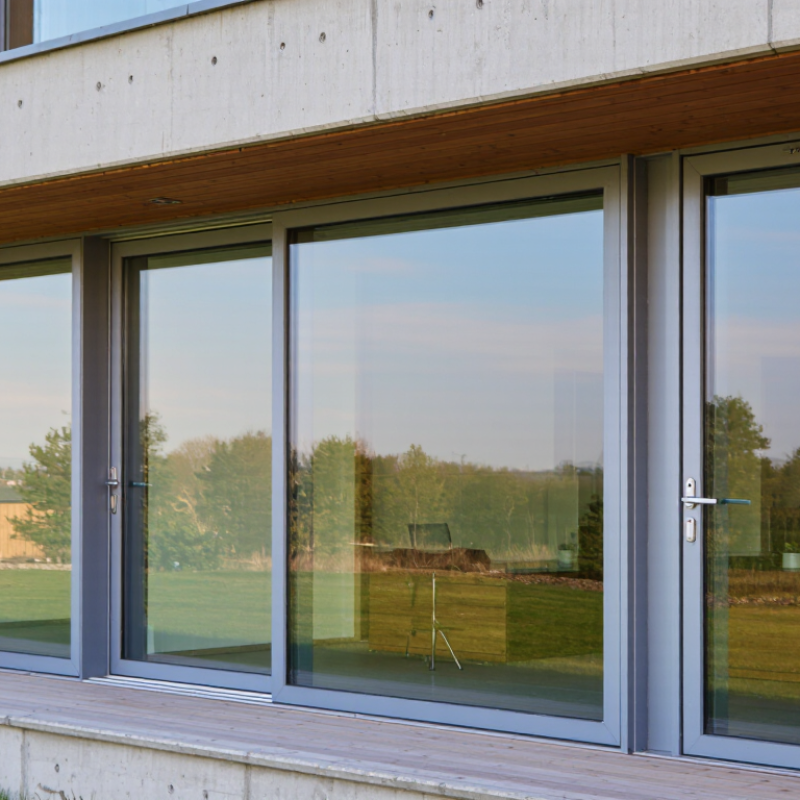
How Aluminium Windows and Doors Are Defined in 2026
In 2026, aluminium windows and doors are best understood as complete building systems, not simply metal frames with glass. The term describes products with aluminium profiles, glazing, seals, hardware, and drainage details working together.
Not just the frame.
Each part affects comfort, security, and durability.
A key feature is the thermal break: an insulating section separating the interior and exterior parts of the frame. Without it, aluminium can transfer heat quickly, which may contribute to cold interior surfaces or condensation in certain conditions. Glazing also matters. Double or triple panes, low-emissivity coatings, and gas-filled cavities can influence insulation and solar heat gain. The right combination depends on climate, orientation, and how a room is used.
In practical terms, a well-defined aluminium window or door should have documented performance for air leakage, water resistance, wind pressure, and thermal efficiency. Check the tested size and configuration; results for one model may not apply to every opening. Installation is part of the system, too. A poorly sealed sill can let water in, even when the frame itself performs well.
Small details matter.
I would also question broad claims such as “maintenance-free”: aluminium usually needs less upkeep than some materials, but seals, hardware, and drainage channels still deserve periodic inspection.
Which Performance Factors Matter Most When Comparing Systems
The best aluminium windows and doors in 2026 are not defined by frame material alone. Compare whole-system performance, including the frame, glazing, seals, hardware, and installation details. Small details matter.
Thermal performance deserves close attention. A thermal break separates the inner and outer aluminium sections, reducing heat transfer through the frame. Check the whole-window U-value, not only the centre-of-glass figure; lower values generally indicate less heat loss. Still, a low number does not tell the full story. Ask how the result was tested and whether it matches your window size and glazing choice.
Air and water tightness matter on exposed elevations. Look for test data covering air leakage, water penetration, and resistance to wind pressure. In a coastal or windy setting, these results can be more useful than appearance alone. Good seals help, but they need careful installation and adjustment. Glazing also affects comfort: double or triple glazing, low-emissivity coatings, and suitable spacers can reduce cold spots near the glass. Hardware should feel smooth and lock securely, even on a large door panel. Check that replacement parts are available. I would not assume a thicker frame is automatically stronger; design and testing matter more. Request performance documents for the specific configuration you plan to install.
How Frames, Glazing, and Thermal Breaks Shape Efficiency
Aluminium frames suit contemporary homes because they can hold broad panes without bulky sightlines. But a slim frame is not automatically an efficient one. Ask for the whole-window U-factor, not just the centre-of-glass figure. The frame, spacer, and glazing all affect heat loss. Small print matters.
Thermal breaks separate the inner and outer aluminium sections with a lower-conductivity material. This reduces heat transfer through the frame and can help limit cold interior surfaces. On a winter morning, that may mean less chill near the sill. It does not eliminate condensation; indoor humidity, ventilation, and installation still matter. Details count.
Glazing should match the climate and the room. Double glazing may work well in mild conditions, while triple glazing can improve comfort in colder settings, though it adds weight and cost. Low-emissivity coatings and gas-filled cavities can also affect performance. Compare certified ratings under the same testing method, including solar heat gain where summer sun is strong. A high-performing window can disappoint if its perimeter is poorly sealed. Check drainage paths, flashing, and the installer’s method. I would not choose by frame colour or headline claims alone; even careful specifications can miss how a particular room is used.
How to Assess Quality, Installation, and Long-Term Value
What Are the Best Aluminium Windows and Doors in 2026?
The best choice is not simply the thickest frame or the lowest quote. Check whether the aluminium frame includes a thermal break, which helps limit heat transfer. Ask for documented thermal, air-leakage, water-resistance, and wind-load ratings suited to your climate. Numbers matter. So does the glass: low-emissivity coatings and suitable double glazing can improve comfort, but performance depends on the whole window assembly. Test a sample handle and lock. They should move smoothly, without rattling. A showroom sample can look convincing and still tell you little about everyday operation.
Tips: Compare written specifications, not just brochure claims. Ask what each rating measures, and request the test documentation. Check that the quoted glass, frame, and hardware match the products being installed.
Installation can make or break performance. Before ordering, have the opening measured at several points; older walls are rarely perfectly square. Ask how the installer will manage flashing, drainage, insulation, and the joint between frame and wall. These details are easy to overlook. Request a written scope and clarify who handles repairs if water enters around the frame. For long-term value, compare warranty coverage, maintenance needs, replacement-part availability, and energy performance—not price alone. I might still choose a simpler design over a complex one; fewer moving parts can mean fewer things to adjust later. That is not always the popular answer.
Conclusion
In 2026, the best Aluminium Windows & Doors are systems selected to suit a building’s climate, design, and everyday use—not simply its appearance. Comparing options means looking at factors such as thermal efficiency, weather resistance, security, durability, and ease of operation. Frame design, glazing choice, and the quality of thermal breaks all influence how well a system helps maintain indoor comfort and manage energy use.
Different styles serve different needs: sliding doors can connect indoor and outdoor spaces, while hinged doors and various window configurations may better suit particular layouts or ventilation goals. A sound decision also considers material quality, precise installation, maintenance requirements, and expected service life. Assessing these elements together helps property owners find a practical balance between performance, appearance, and long-term value.