0%

Buying Aluminium Sliding Doors is not simply a matter of choosing the largest glass panel. The decision affects daylight, ventilation, security, energy use, and daily comfort. A beautiful door can still rattle, leak, or become difficult to operate if its frame and hardware are poorly matched.

Building-science expert Joseph Lstiburek often warns, “Water is a building’s worst enemy.” His point matters here. Examine drainage paths, sill design, weather seals, and installation details before admiring the finish. A narrow threshold may look elegant, yet it can demand excellent waterproofing and careful construction. Small details matter.

This guide explores ten practical tips for selecting Aluminium Sliding Doors with greater confidence. It considers thermal performance, glass specifications, frame strength, track systems, locking points, accessibility, and long-term maintenance. It also explains what questions to ask suppliers before signing an order. Ask for tested performance data, not vague promises. Request installation drawings and warranty conditions in writing.

Room measurements should be checked twice. Maybe three times. Site conditions can change the answer. Wall movement, uneven floors, coastal air, and strong winds may influence the correct specification. No checklist is perfect, and budget pressure can make sensible choices uncomfortable. Still, a cheaper door may cost more through repairs, drafts, or replacement.

The best Aluminium Sliding Doors combine smooth movement with dependable protection. They should feel solid when opened, quiet when closed, and predictable through changing seasons. Careful comparison helps transform an attractive idea into a reliable part of the home.
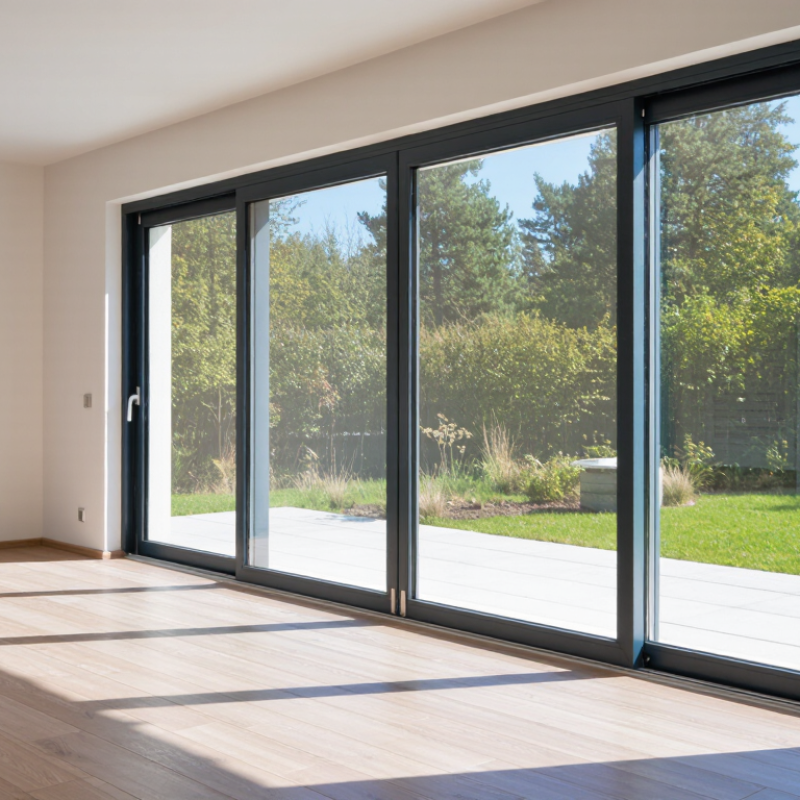
10 Tips for Buying Aluminium Sliding Doors?

Understanding Aluminium Sliding Door Types and Configurations

Understanding Aluminium Sliding Door Types and Configurations

Aluminium sliding doors are not one standard product. A two-panel system usually combines one fixed panel with one moving panel. Three- and four-panel systems create wider openings, but they also increase frame weight and hardware demands. Pocket configurations disappear into a wall cavity, while stacking systems move panels beside the opening. Corner systems can remove a visible post, although they require precise structural planning.

Lift-and-slide doors suit large glazed areas and smoother daily operation. Standard sliding systems usually cost less and need simpler maintenance. Thermal-break frames reduce heat transfer through aluminium. This matters because the U.S. Department of Energy reports that windows can represent 25–30% of household heating and cooling energy use.

Glass selection remains critical. Low-emissivity double glazing often offers a practical balance between insulation, weight, and price.

Check the opening width, panel weight, drainage path, and track capacity before choosing a configuration. Site installers often find that poor drainage causes more trouble than the door frame itself. Review U-factor, solar heat gain coefficient, and air-leakage ratings through National Fenestration Rating Council guidance.

For sustainability, the International Aluminium Institute states that recycled aluminium requires about 5% of the energy used for primary aluminium production. Bigger is not always better. I still see buyers prioritising maximum glass area while overlooking wind exposure and handling comfort. A smaller, well-configured door may perform better for many homes.

Assessing Size, Layout, and Space Requirements

10 Tips for Buying Aluminium Sliding Doors?

Assessing Size, Layout, and Space Requirements

Measure the opening, not just the existing door. Record width, height, wall thickness, ceiling height, and the finished floor level. Leave room for the sliding panel to stack beside the opening. A sofa, curtain, or kitchen island can block that travel path. Small details matter.

I once assumed a wider door would improve a compact room. That assumption can be wrong. A three-panel system may provide more daylight, but its stacked section can consume valuable wall space. Check handle reach, furniture clearances, drainage paths, and the direction of daily movement. Draw the layout at scale, even roughly. It exposes awkward conflicts early.

The U.S. Department of Energy reports that windows can cause 25–30% of household heating and cooling energy use. Larger glazed areas therefore require careful glass, frame, and shading decisions. The International Energy Agency’s 2024 Global Status Report identifies buildings as responsible for about 30% of global final energy use. Ask for tested thermal and air-performance data, not vague efficiency claims. Confirm local structural requirements before widening an opening; large spans may need engineering support. A low threshold looks elegant, yet rainwater management can become difficult without correct falls and drainage. I would recheck every dimension after plastering and flooring. Site conditions are rarely as neat as drawings.

Comparing Frame Materials, Glass, and Energy Efficiency

10 Tips for Buying Aluminium Sliding Doors: Comparing Frame Materials, Glass, and Energy Efficiency

Start with the frame, not the handle. Standard aluminium is strong, slim, and weather-resistant, but it conducts heat quickly. Choose a thermally broken frame with a continuous insulating barrier. Ask for the frame’s U-factor, not vague claims about “high performance.” The U.S. Department of Energy reports that windows can cause 25–30% of residential heating and cooling energy use. A small rating difference matters. Also inspect the rollers, corner joints, drainage holes, seals, and frame depth. A beautiful door can still leak air.

Glass deserves equal attention. Double glazing is often suitable for mild climates, while triple glazing may help in colder regions. Low-emissivity coatings reduce radiant heat transfer, but the correct solar heat gain coefficient depends on orientation. South- or west-facing doors may need lower solar gain. The National Fenestration Rating Council recommends comparing whole-unit U-factor and SHGC values, rather than glass-only figures. Check visible transmittance too. Dark rooms are not automatically efficient.

A practical buying test is simple: slide the panel slowly and listen. Grinding sounds suggest poor alignment or weak hardware. Place your hand near the meeting stile on a windy day; noticeable air movement deserves investigation. Ask for certified air-leakage data and installation details. Even excellent glass performs poorly around an unsealed frame. One overlooked issue is condensation; indoor humidity, shading, and ventilation can change results. Energy modelling helps, but it is not perfect. Local climate and installation quality often matter more than a glossy specification sheet.

10 Tips for Buying Aluminium Sliding Doors: Comparing Frame Materials, Glass, and Energy Efficiency

Lower U-factor values indicate better thermal insulation. Thermally broken aluminium frames and Low-E insulating glass can substantially reduce heat transfer compared with non-thermally broken frames and single glazing. The figures are representative values for common door configurations; actual performance depends on frame design, glass specification, seals, size, and installation quality.

Checking Security Features, Hardware, and Weather Protection

When buying aluminium sliding doors, inspect security hardware as carefully as the frame. A reliable system should include a multi-point lock, anti-lift blocks, and a rigid keeper. Lift the moving panel slightly. Excessive movement may indicate weak rollers or poor adjustment.

Laminated safety glass can delay forced entry and limits dangerous shards after impact. Ask for independent test evidence, not vague claims. Testing under recognised forced-entry and weather standards adds useful confidence.

Weather protection deserves equal attention. Check the drainage slots along the sill, compression seals around the panel, and brush seals between sliding sections. They should feel continuous, not flattened or loosely fitted.

The U.S. Department of Energy reports that windows can represent 25–30% of residential heating and cooling energy use. A poorly sealed door can undermine an otherwise efficient home. Compare the product’s NFRC-listed U-factor, solar heat gain coefficient, and air-leakage rating where available.

On site, I would inspect corners for daylight and pour a small amount of water near the outer track, without blocking drainage. Water should exit quickly. Ask whether rollers resist corrosion in your climate, especially near the coast. One overlooked detail is handle reach; a beautiful lock is useless if children can operate it easily. I would also question exaggerated performance promises. Installation quality matters greatly, and even a premium door can leak when the sill is not level. That part is often underestimated.

Evaluating Installation, Maintenance, Warranty, and Total Cost

Buying aluminium sliding doors involves more than comparing frame colours and glass sizes. Installation quality often decides whether the doors glide smoothly or scrape within months. Ask who will measure the opening, prepare the threshold, and seal the frame. A level threshold matters. Poor drainage can leave rainwater near the track, especially after heavy storms.

Inspect the rollers, locks, seals, and drainage channels before signing. Request a written maintenance schedule with clear cleaning methods. In normal use, remove grit from the track monthly and check the rollers when movement becomes stiff. Do not force a jammed panel. That can turn a minor adjustment into a replacement. I once underestimated the time needed to clean a low-level track. That estimate was wrong. Small details matter.

Read the warranty carefully, not just the headline period. Confirm whether it covers glass, powder coating, rollers, hardware, installation errors, and water entry. Ask who handles service after installation, and keep invoices, measurements, and photographs. A long warranty has little value if exclusions are vague. Calculate the total cost, including delivery, structural preparation, trim, disposal, future roller replacement, and energy performance. Cheaper doors may require more maintenance. High-specification glass may cost more initially, but it can improve comfort beside a sunny room. Get two or three itemised quotations. Keep it simple.

10 Tips for Buying Aluminium Sliding Doors? - Evaluating Installation, Maintenance, Warranty, and Total Cost

No. Evaluation Dimension What to Check Typical Benchmark or Data Potential Cost Impact Recommended Buying Action
1 Confirm the Door Size and Configuration Measure the structural opening, finished floor level, reveal depth, and available sliding clearance. Confirm whether the design is 2-panel, 3-panel, or multi-panel. A common residential reference size is approximately 1,800 × 2,100 mm for a two-panel door. The final frame must be sized from the actual site opening, not from the nominal door size. Non-standard sizes may add about 10%–30% to the product price. Structural alterations can add approximately US$300–US$2,000 or more. Obtain a written site measurement and drawing before placing the order.
2 Evaluate the Aluminium Frame Check frame depth, alloy and temper information, corner joints, drainage paths, surface finish, and resistance to corrosion in the intended environment. Thermally broken frames generally reduce heat transfer compared with basic non-thermally broken frames. Powder-coated or anodised finishes should be continuous and free from visible defects. Thermally improved systems commonly cost about 15%–35% more than basic systems but may improve comfort and reduce condensation risk. Request technical drawings, finish specifications, and written information about coastal or high-humidity suitability.
3 Check Glass Safety and Thermal Performance Verify glass type, thickness, safety marking, low-emissivity coating, spacer design, and whether the glass specification meets local building requirements. Tempered or laminated safety glass is commonly required in doors and near floor level. Double glazing often uses two panes separated by an insulating cavity; exact performance depends on the complete assembly. Upgrading from single to double glazing may add roughly 20%–50% to glazing cost, depending on size and specification. Ask for the glass configuration, safety classification, and whole-door thermal performance rather than glass-only claims.
4 Assess Water, Air, and Wind Performance Review test reports or compliance documents for air leakage, water penetration, wind resistance, drainage, weather seals, and the intended exposure zone. Performance ratings vary by product and region. A suitable door should be selected according to local wind exposure, building height, rainfall, and installation conditions. Higher-performance weather-rated systems may cost approximately 10%–30% more than basic interior or sheltered-use systems. Do not rely on the phrase “weatherproof” alone; request the applicable test standard and rating documentation.
5 Inspect the Sliding Hardware Compare roller material, roller adjustment, track design, anti-lift protection, handles, locks, and the availability of replacement components. Large glazed panels can be heavy, so adjustable corrosion-resistant rollers and a rigid track are important for smooth operation and alignment. Replacement rollers or locks commonly cost about US$30–US$180 per component, excluding labour, depending on design and availability. Operate the sample door several times and confirm that hardware can be replaced without replacing the complete door panel.
6 Calculate Professional Installation Clarify who handles removal, opening preparation, waterproofing, shimming, anchoring, glazing, adjustment, trim, disposal, and final testing. For a straightforward replacement, installation labour may take about 4–8 hours. New openings or structural changes can require additional trades and permits. Installation often represents approximately 20%–40% of the project price. Basic labour may range from US$400–US$1,200, excluding major structural work. Request an itemised installation quotation and confirm responsibility for waterproofing and post-installation adjustments.
7 Review Maintenance Requirements Check cleaning instructions for tracks, rollers, drainage holes, seals, glass, and aluminium finishes. Confirm whether abrasive cleaners or solvent-based products are prohibited. Tracks should be kept free of grit and debris. In exposed or coastal locations, rinsing salt deposits with clean water at regular intervals is especially important. Routine cleaning is low-cost, but neglected tracks and seals can lead to premature roller, lock, or weather-seal replacement. Choose a design with accessible drainage and replaceable seals, and obtain a written maintenance schedule.
8 Compare Warranty Coverage Separate coverage for frames, finish, glass, hardware, seals, and installation. Check exclusions for coastal exposure, misuse, poor maintenance, movement, and unauthorised repairs. Generic residential warranties commonly range from 5–10 years for major frame components, while hardware, seals, glass, and labour may have shorter or separate coverage. A warranty may have limited value if it excludes labour, transport, installation defects, or replacement parts. Ask for the complete warranty document before purchase and confirm the process, response time, and location for service claims.
9 Estimate the Total Installed Cost Include the door unit, glass upgrades, delivery, removal, installation, flashing or waterproofing, interior and exterior trim, permits, taxes, and future hardware servicing. For a typical residential replacement, a broad installed planning range is approximately US$1,500–US$5,000 per opening; large, high-performance, or structurally modified openings may cost substantially more. A low product price can be outweighed by structural work, difficult access, premium glazing, or incomplete finishing items. Compare at least three itemised quotations using the same opening size, glass specification, finish, and installation scope.
10 Verify Compliance, Security, and Handover Check local building-code requirements, safety glazing, lock operation, anti-lift protection, drainage, frame alignment, seal continuity, and documentation after installation. The completed door should slide smoothly, latch securely, remain stable in the frame, and show no visible water path or unfinished perimeter gap. Corrective work after handover can cost about US$100–US$800 for adjustment or minor repair; concealed water damage can be considerably more expensive. Use a handover checklist, photograph the finished installation, collect compliance documents, and report defects before final payment.

Cost reference: All figures are indicative planning ranges in US dollars for residential projects and vary by country, labour rates, access conditions, door size, glass specification, local codes, and site requirements. Obtain local quotations before making a purchasing decision.

FAQS

What types of aluminium sliding doors are available?

Two-panel doors usually combine one fixed panel and one moving panel. Three- and four-panel systems create wider openings. Pocket doors slide into wall cavities. Stacking doors move beside the opening. Corner systems can remove a visible post, but they need careful structural planning.

Is a larger sliding door always better?

Not necessarily. Larger panels add weight and increase hardware demands. Wind exposure also matters. A smaller door may feel smoother and easier to operate. Bigger is not always better.

What is the difference between standard sliding and lift-and-slide systems?

Lift-and-slide doors suit large glazed areas and smoother daily movement. Standard sliding doors usually cost less. They also need simpler maintenance. The heavier option is not automatically the wiser choice.

Which glass is suitable for an aluminium sliding door?

Low-emissivity double glazing often balances insulation, weight, and price. Laminated safety glass can reduce dangerous shards after impact. Check the glass performance values, not only its appearance. Clear views can still bring unwanted heat.

What measurements should be checked before choosing a door?

Measure the opening width and available wall space. Check panel weight, track capacity, and drainage paths. Confirm that the floor is level. Small measurement errors can create large installation problems.

Which security features should a sliding door include?

Look for a multi-point lock, anti-lift blocks, and a rigid keeper. Lift the moving panel slightly during inspection. Excessive movement may indicate weak rollers or poor adjustment. Ask for independent test evidence.

How can I check weather protection on site?

Inspect sill drainage slots, compression seals, and brush seals. Seals should feel continuous, not loose or flattened. Pour a small amount of water near the outer track. Water should exit quickly. Never block the drainage path.

What performance ratings are important?

Compare the U-factor, solar heat gain coefficient, and air-leakage rating. Lower heat transfer can improve indoor comfort. Poor sealing can waste energy despite an efficient frame. I might overfocus on ratings, though installation remains equally important.

How does installation affect door performance?

A premium system can leak when the sill is not level. Installers should check alignment, drainage, seals, and roller adjustment. Inspect corners for daylight. That detail is often underestimated.

What maintenance and climate issues should I consider?

Ask whether the rollers resist corrosion in your climate. Coastal air may require extra attention. Keep tracks clear of dirt and standing water. Check handles for comfortable reach. A beautiful lock is useless if children can operate it easily.

Conclusion

Choosing Aluminium Sliding Doors requires more than comparing appearances or prices. Start by understanding the available configurations, such as two-panel, multi-panel, pocket, or corner-opening designs, and consider how each option suits your room and daily use. Measure the opening carefully, allowing for surrounding walls, furniture, traffic flow, and the amount of natural light and ventilation you want. The frame, glass, and insulation should also be assessed together, since their combination affects durability, comfort, energy efficiency, and noise control.

Before making a decision, check the quality of locks, rollers, handles, seals, drainage, and weather-resistant features. Reliable installation is essential for smooth operation and long-term performance, so confirm the installer’s experience and the scope of included work. Finally, review maintenance needs, warranty coverage, replacement-part availability, and the total cost rather than focusing only on the purchase price. A well-planned choice will provide security, convenience, attractive design, and dependable performance for many years.

Evelyn

Evelyn

Evelyn is a professional marketing specialist dedicated to helping businesses better understand innovative products, practical solutions, and evolving market opportunities. With a strong background in product communication, customer research, and strategic content development, Evelyn combines......