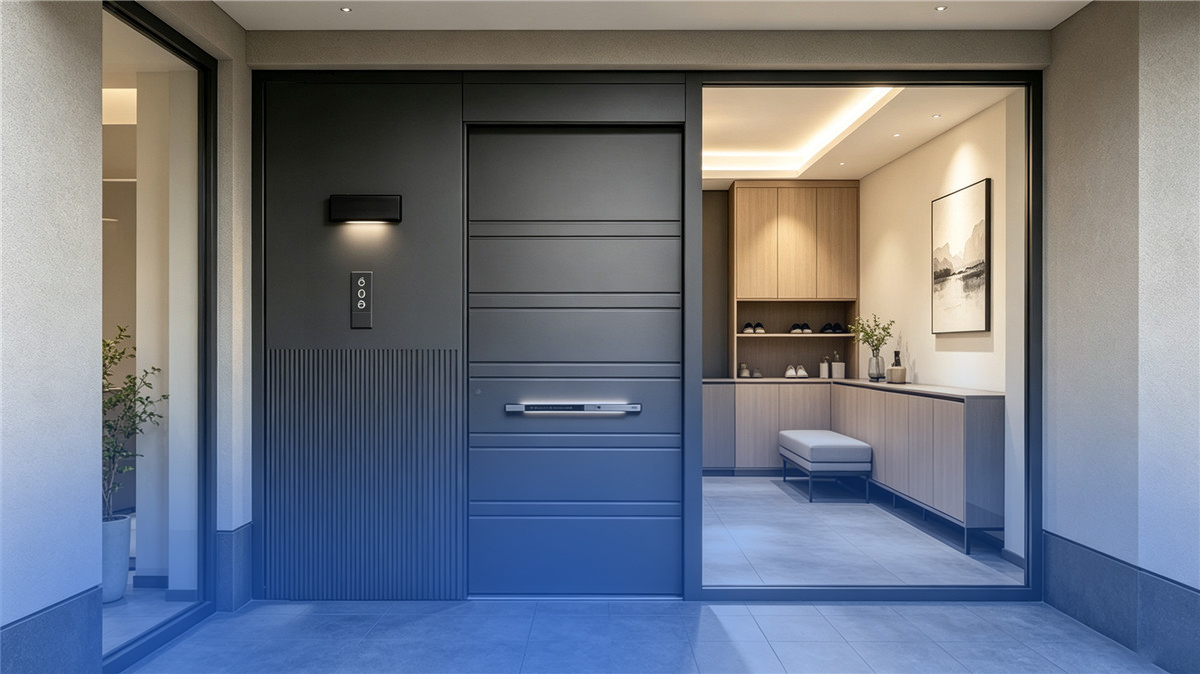
Choosing the right Aluminium Washroom Door involves more than comparing prices or surface finishes. The door must handle moisture, frequent cleaning, impact, and constant daily use. A busy shopping centre may expose a cubicle door to hundreds of openings each day. A school washroom may need stronger privacy protection and safer hardware. These details change the best specification.
Architectural hardware consultant Sarah Mitchell explains, “A washroom door succeeds when its materials, hardware, and installation suit the environment together.” Her point is practical. An aluminium frame can resist corrosion, but poor hinges may still sag. A durable powder-coated finish can look attractive, yet harsh cleaning chemicals may reduce its lifespan. Check the coating quality, panel thickness, hinge capacity, edge protection, and lock design before deciding. Small details matter.
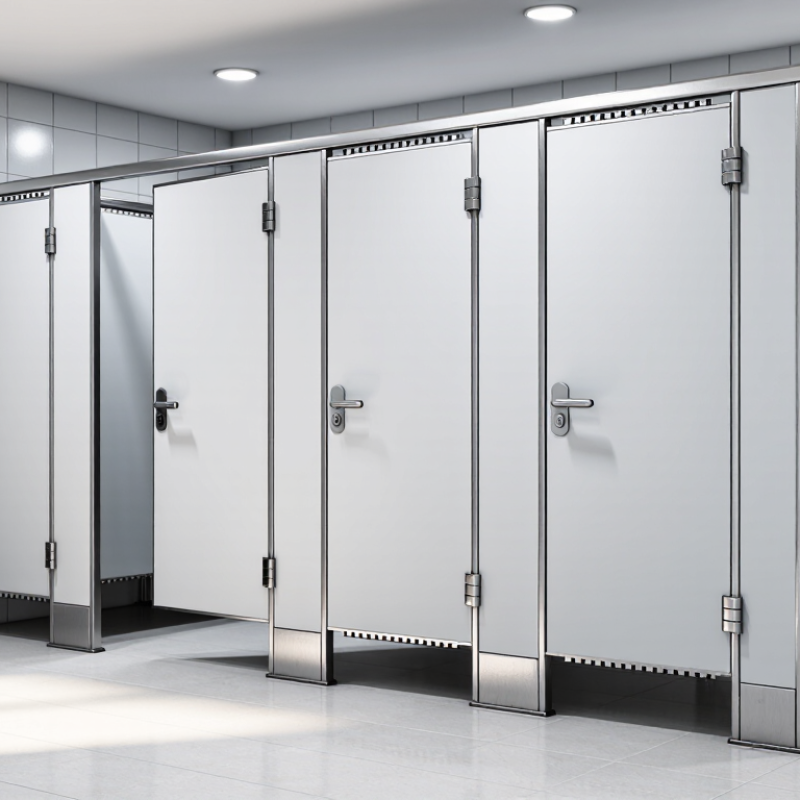
Privacy should feel secure, not restrictive. The door should close smoothly, remain stable, and provide clear emergency access where required. Ventilation gaps also need careful attention. Too little ventilation creates unpleasant humidity; too much may weaken privacy. There is no perfect solution for every project. That is worth admitting.
This guide examines the main choices behind an Aluminium Washroom Door, including material grades, finishes, dimensions, hardware, maintenance, and installation quality. It also considers budget pressure without treating the cheapest option as the smartest one. A low purchase price can become expensive after repeated repairs. The best decision balances appearance, hygiene, durability, user comfort, and long-term value.
How to Choose the Best Aluminium Washroom Door?
Washrooms create demanding conditions for doors. Steam, splashed water, cleaning chemicals, and constant use can weaken unsuitable materials. Aluminium performs well because it resists moisture and remains relatively light during daily operation. However, the frame and hardware matter just as much as the door panel.
Measure the opening carefully before choosing a model. Leave enough clearance for the door to swing without striking basins, toilets, or partitions. In busy facilities, sliding doors may save space, but their tracks need regular cleaning. A hinged door needs strong hinges, a reliable privacy lock, and a handle that wet hands can operate easily. I have seen beautiful doors fail because the lock became stiff after months of humidity.
Choose a finish that tolerates frequent wiping. Rough surfaces can trap soap residue and bacteria. Smooth, durable coatings are usually easier to maintain, although no finish stays perfect without proper cleaning. Ask for corrosion-resistant hardware, especially near showers or coastal areas. Consider ventilation too. A sealed washroom can hold moisture around the frame and encourage unpleasant odors.
Privacy requires careful design. Small gaps should block direct views while allowing emergency access when necessary. Clear opening width, threshold height, and handle position should follow local accessibility requirements. These details are easy to overlook during a rushed installation. I would also check the door on site after fitting, because drawings rarely show every uneven wall or sloping floor.
Choosing the best aluminium washroom door starts with the alloy, not the colour. Aluminium grades affect strength, corrosion resistance, and how easily the frame can be formed. For many interior doors, 6063 aluminium offers clean extrusion lines and a smooth surface. It suits framed doors and detailed profiles. In demanding, humid areas, 5052 may offer better resistance, but availability and fabrication methods can differ. Always confirm the alloy and temper with the supplier.
Profile design controls stiffness and daily performance. Hollow sections reduce weight, while wider profiles can support heavier doors. A poorly matched profile may flex near the hinges. That small movement becomes annoying quickly. I check corner joints, hinge reinforcement, and the clearance beneath the door. Moisture needs an escape route, especially near shower areas. Thin sections can look elegant, but they may dent during busy maintenance work.
Surface finishes change both appearance and maintenance. Anodising creates a hard, integrated layer and usually keeps its metallic character. Powder coating provides more colour choices and can hide minor surface variation. Smooth finishes are easier to wipe, while deep textures may hold soap residue. I once preferred a highly polished sample, but cleaning marks appeared under bright restroom lighting. That experience changed my selection. Request a physical sample, test it with ordinary cleaning products, and inspect the edges after fabrication. A beautiful finish is not automatically a practical one.
How to Choose the Best Aluminium Washroom Door?
Door design should match the room’s traffic, moisture, and cleaning routine. A slim aluminium frame creates a clean appearance and usually resists corrosion in humid washrooms. I recommend checking the frame joints, corner finishes, and drainage details by hand. These small areas often reveal weak workmanship. Measure twice. A door that is too wide may scrape nearby fixtures, while an undersized door can expose unwanted gaps. Allow enough clearance for comfortable entry, cleaning, and emergency access where required by local building standards.
Dimensions should include door height, width, wall thickness, and opening direction. Record measurements from several points because older walls are rarely perfectly straight. A small variation can affect installation. Hardware also deserves careful selection. Stainless steel hinges, durable handles, and adjustable closers support frequent daily use. Choose hardware that remains easy to operate with wet hands. Heavy fittings are not always better; they can place extra stress on lightweight frames. I once underestimated this detail on a busy project, and the closer needed adjustment sooner than expected.
Privacy features should balance dignity, ventilation, and supervision needs. Full-height doors offer stronger visual privacy, but they may reduce airflow and complicate maintenance. A controlled bottom gap can improve ventilation, though it should not create an uncomfortable sightline. Use reliable occupancy indicators, secure latches, and smooth-edged panels. Test the door from both sides before approval. Privacy matters. The best choice is not merely attractive; it should remain quiet, stable, and practical after thousands of openings.
How to Choose the Best Aluminium Washroom Door?
Durability starts with the door’s frame, hinges, and surface treatment. Aluminium resists moisture and corrosion, making it suitable for busy washrooms. However, thin profiles may bend after repeated impacts. Check the corner joints, hinge fixing points, and lock alignment before purchase. A solid door should close smoothly without scraping the floor. Small defects matter.
Safety deserves practical attention. Choose rounded edges, stable hinges, and a lock that allows emergency access from outside. The door should not swing dangerously into a narrow passage. Measure the opening carefully, including nearby basins and partitions. Clear visibility of occupancy indicators can prevent awkward interruptions. Follow applicable building and accessibility requirements in your region. Requirements vary.
Ventilation affects comfort, odour control, and long-term hygiene. Keep suitable gaps beneath doors, unless privacy or fire requirements demand another design. Air must move. Poor airflow can leave condensation on walls and hardware. Maintenance should remain simple: wipe the surface with a soft cloth and mild cleaner. Avoid abrasive pads and harsh chemicals, which may damage the finish. Inspect screws, hinges, seals, and locks every few months. A neglected hinge can become noisy surprisingly quickly. In practice, buyers often focus on appearance and forget servicing space. That is understandable, but it is a mistake worth reconsidering. A durable aluminium washroom door should be safe, ventilated, and easy to maintain—not merely attractive on installation day.
Compare common aluminium washroom door configurations across four practical selection criteria. Scores range from 1 (limited performance) to 5 (strong performance); actual results depend on alloy, coating, hardware, ventilation design, and installation quality.
Key takeaway: Vented and louvered aluminium doors generally provide better airflow, while solid-panel doors offer stronger privacy and simpler cleaning. Choose corrosion-resistant finishes, rounded or protected edges, reliable hinges, and easy-to-replace hardware for demanding washroom environments.
How to Choose the Best Aluminium Washroom Door?
A reliable washroom door starts with correct installation standards. Measure the opening at three points, because walls are rarely perfectly square. Confirm the frame depth, floor level, swing direction, and nearby plumbing. The door should open smoothly without striking fixtures or blocking the escape route. Check local accessibility, ventilation, moisture, and fire requirements before ordering. These rules vary by building type and region, so professional verification is worthwhile.
Tips: Keep a 3–5 mm clearance around the door where suitable. Use corrosion-resistant hinges, sealed edges, and stainless-steel fasteners. A small sample installation can reveal alignment problems early.
Budget planning should include more than the door panel. Add the frame, hardware, delivery, installation labour, protection, and future adjustment costs. Cheap hardware may create noise, sagging, or frequent repairs in busy washrooms. Aluminium is practical in damp areas, but finish quality and panel thickness still matter. A detailed quotation should list every component. Even careful estimates can miss wall repairs or uneven floors.
For final door selection, match durability with daily traffic and cleaning routines. Choose a smooth, easy-clean surface for public facilities. Consider privacy, visibility gaps, handle height, and emergency access. A heavier door may feel stronger, yet it can demand better hinges and framing. Do not select by appearance alone. The best choice is the one that fits the opening, budget, maintenance plan, and verified installation conditions.
Aluminium resists moisture and stays relatively light during frequent daily use. Steam, splashes, and cleaning chemicals still require suitable finishes and hardware. It is not maintenance-free.
Measure the opening at three points, because walls may not be perfectly square. Check frame depth, floor level, swing direction, and nearby plumbing. Leave about 3–5 mm clearance where suitable.
Sliding doors can save space in busy facilities. However, their tracks need regular cleaning. Hinged doors require strong hinges, privacy locks, and wet-hand-friendly handles.
Grade 6063 suits many interior doors and detailed extruded profiles. Grade 5052 may perform better in demanding humid areas. Availability and fabrication methods can differ, so confirm the grade and temper.
Smooth anodised or powder-coated finishes are usually easier to wipe. Deep textures can trap soap residue and bacteria. Request a physical sample. Clean it before deciding.
Choose corrosion-resistant hinges, sealed edges, and stainless-steel fasteners. The lock must provide privacy and resist humidity. A beautiful panel cannot fix weak hardware.
Small gaps should block direct views without preventing necessary emergency access. Check handle height, opening width, threshold height, and lock operation. Privacy needs careful balance.
Include the panel, frame, hardware, delivery, installation, protection, and future adjustments. Uneven floors and wall repairs may add unexpected costs. Cheap hardware often becomes noisy or loose.
Open and close it several times on site. Check alignment, clearances, lock stiffness, hinge movement, and contact with fixtures. Drawings rarely show every sloping floor.
Choosing the best Aluminium Washroom Door begins with understanding the washroom’s environment, traffic level, moisture exposure, and privacy needs. Select a suitable aluminium grade and profile that provide strength without unnecessary weight, then consider surface finishes that resist corrosion, stains, and frequent cleaning. Door dimensions, swing direction, ventilation gaps, locks, hinges, handles, and privacy indicators should all match the room’s layout and intended use. Designs should balance appearance, accessibility, safety, and ease of operation.
A reliable Aluminium Washroom Door should withstand humidity, repeated use, and everyday impact while remaining easy to maintain. Rounded edges, stable hardware, secure fasteners, and appropriate ventilation can improve user safety and long-term performance. Before purchasing, confirm accurate measurements, wall conditions, installation standards, and the required fitting methods. Prepare a realistic budget that includes the door, hardware, delivery, installation, and future maintenance. Comparing these factors carefully will help you select a durable, practical, hygienic, and cost-effective door for the specific washroom.